


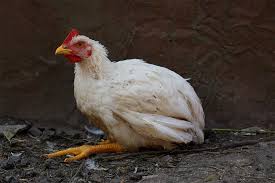
Coccidiosis is one of the most common diseases facing poultry farmers worldwide. It is caused by a microscopic protozoan parasite that attaches itself to the lining of a chicken’s intestine. Once attached, it damages gut tissue, causes internal bleeding, prevents the bird from absorbing nutrients properly, and creates conditions where harmful bacteria can flourish. For a chicken flock, that combination of effects can move from manageable to serious very quickly if it is not caught and treated in time.
Every chicken carries the coccidiosis organism in its bowel. That is a fact of poultry farming. But carrying the organism does not mean every bird will develop the disease. What determines whether a bird gets sick is the amount of infectious material it is exposed to, the condition of its immune system, and the environment it lives in. Younger birds under six months old are at the highest risk because they have not yet had enough time to build natural immunity through gradual exposure. That said, adult birds can and do get coccidiosis, particularly when they encounter a different strain than the one they previously developed immunity against.
The disease begins with an unsporulated oocyst, which is essentially a microscopic egg passed through a bird’s droppings. In this state it is harmless. It can lie dormant in soil for up to a year without causing any problems. The danger comes when conditions turn wet and humid, typically around dirty feeders and drinkers, and the oocyst is given the opportunity to sporulate, which means it becomes infectious. Once a chicken ingests a sporulated oocyst through contaminated water, food, or normal scratching in the earth, the oocyst’s protective layer is broken down by digestive acids in the intestine. It hatches, invades the cell lining of the small intestine, and begins multiplying. At each stage of its life cycle it ruptures more cells, causing ulceration and the internal bleeding that shows up as blood in the droppings. The expelled oocysts then contaminate the environment and expose other birds in the flock.
There are several different strains of the coccidia parasite, some more damaging than others. In some outbreaks, multiple strains work together at the same time. You do not need to identify the specific strain to treat the disease effectively, but understanding how it spreads and what conditions it needs to thrive is essential for preventing it from becoming a recurring problem on your farm.
Read Also: Poultry Vaccination / Medication Program, Dosage and Position / Method of Administration
1. Symptoms of Coccidiosis
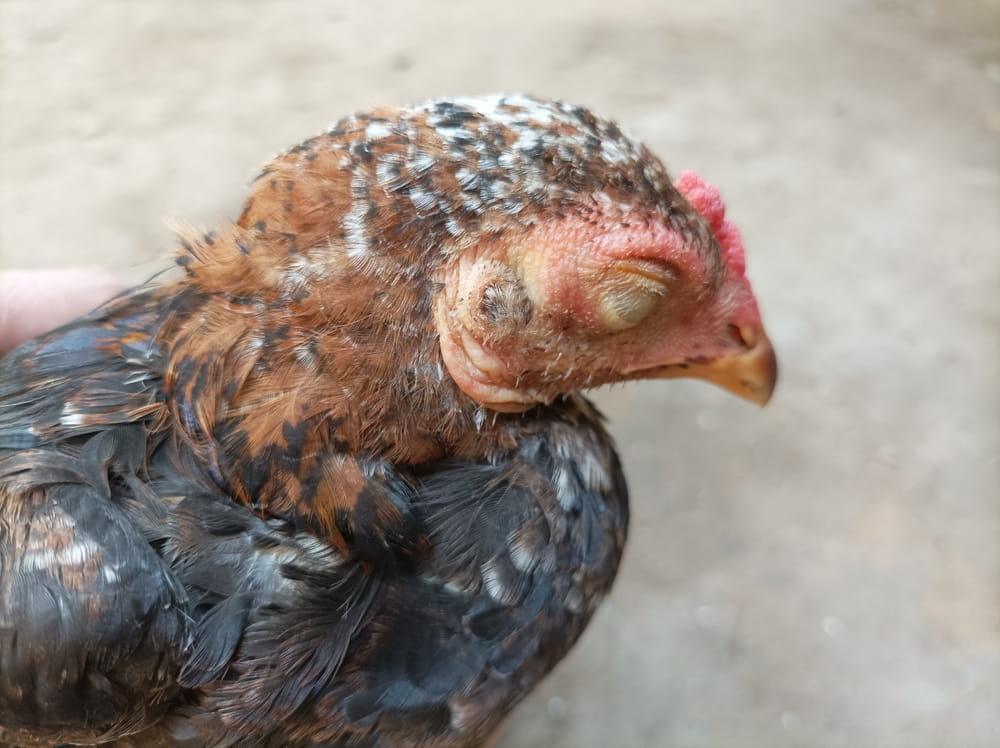
Coccidiosis moves fast. The incubation period is only around eight days. Symptoms can appear gradually over a few days or come on suddenly, and it is not uncommon for a bird to look healthy one day and be very sick or dead the next. Knowing what to look for gives you the best chance of catching it early enough to make a difference.
The most recognisable early sign is blood or mucus in the droppings. However, this can be confused with normal caecal droppings that chickens shed naturally, which are also brown or reddish in colour. Only a veterinarian can confirm coccidiosis with certainty by analysing dropping samples. Do not assume you know for sure without professional confirmation, especially since many of the symptoms below overlap with other diseases.
i. Weakness and Lethargy: Affected birds appear weak and listless. They stop moving around normally, stand in one spot, and lose interest in their surroundings. A bird that was active yesterday and is barely moving today is a warning sign worth taking seriously.
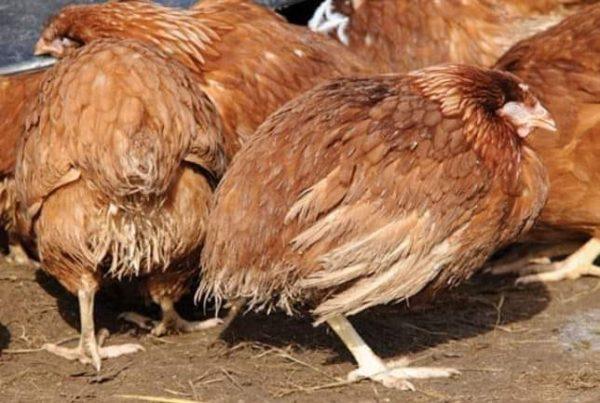
ii. Huddling Together: Sick birds often huddle together in groups as if they are cold, even when the temperature is normal. This clustering behaviour is a sign that something is wrong and should prompt a closer inspection of the flock.
iii. Pale Comb and Skin: Internal bleeding and poor nutrient absorption cause the comb and skin to lose their normal colour and take on a pale, washed-out appearance. This is a visible indicator of the damage happening internally.
iv. Loss of Appetite: Birds with coccidiosis eat significantly less or stop eating altogether. A drop in feed consumption is one of the earliest signs of illness and should always be investigated promptly.
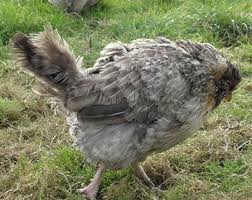
v. Ruffled Feathers: Ruffled or puffed-up feathers indicate a bird is uncomfortable or unwell. Combined with other symptoms, ruffled feathers point strongly toward an active infection.
vi. Weight Loss: Because the damaged gut cannot absorb nutrients properly, infected birds lose weight quickly. In broilers this shows as poor growth. In layers it shows as reduced body condition and a decline in egg production.
vii. Failure to Grow in Chicks: Young chicks with coccidiosis may simply stop growing. This is one of the more alarming presentations and requires immediate action because chicks have very little physiological reserve to draw on when sick.
viii. Inconsistent or Absent Egg Laying: Egg production is closely tied to overall bird health. Hens with coccidiosis typically reduce or stop laying entirely during the illness and usually only resume once they have recovered fully.
ix. Diarrhoea: Loose, watery droppings are a common symptom and contribute to rapid dehydration in affected birds. Combined with blood or mucus in the stool, diarrhoea is one of the clearest signs of active gut damage.
2. How Coccidiosis Spreads Among Poultry Birds
Coccidiosis spreads easily and through multiple routes. Oocysts can be transmitted via shoes, shovels, contaminated water, feed, and droppings. Any person or object moving between an infected area and a clean one is a potential carrier.
Birds that are exposed to low levels of the parasite over time do build up a natural immunity to the specific strain they have encountered. This is actually a normal and healthy part of how a flock develops resistance. The problem comes when birds are exposed to a different strain, one they have not previously encountered, because their existing immunity offers no protection against it. A bird that survived coccidiosis once can still get sick from a new strain it picks up from soil, other birds, or any contaminated source.
If your flock is experiencing repeat bouts of coccidiosis, it is worth asking whether there is an underlying health issue reducing the birds’ ability to build and maintain immunity. Repeated infections in the same flock are a signal that something else may need attention beyond just treating each outbreak as it occurs.
Read Also: Poultry Records Keeping Books, Types and Benefits
3. Coccidiosis Prevention Measures
The coccidia oocyst needs warm, wet, and humid conditions to sporulate and become infectious. Freezing temperatures will kill it. That gives you a clear starting point for prevention: keep your coop clean and dry, and you remove one of the most important conditions the parasite needs to establish itself.
i. Keep the Coop Clean and Dry: Basic hygiene is your first and most reliable line of defence. Clean out litter and droppings regularly and make sure the coop stays dry. Wet, soiled bedding is exactly the kind of environment where oocysts thrive and sporulate.
ii. Maintain Clean, Fresh Water at All Times: Dirty or stagnant water is a primary transmission route. Clean drinkers regularly and replace water daily to prevent contaminated water from becoming a source of ongoing infection in the flock.
iii. Keep Feeding Areas Clean and Dry: Never throw feed directly on the ground where it can mix with droppings and soil. Use proper feeders, keep them clean, and ensure the area around them stays dry. Contaminated feed is a direct path into the gut of every bird that eats it.
iv. Avoid Overcrowding: Coccidiosis spreads rapidly in overcrowded conditions. Chickens need at least four square feet of space each inside their coop. Overcrowding increases the concentration of oocysts in the environment and reduces each bird’s ability to avoid contact with contaminated droppings.
v. Use Medicated Starter Feed for Chicks: Medicated starter feed contains Amprolium, which prevents coccidiosis from taking hold in young birds whose immune systems are not yet developed. If your chicks have been vaccinated against coccidiosis, do not also give medicated starter feed, as the medication will cancel out the vaccine’s effect.
vi. Consider Amprolium as a Preventative in High-Risk Conditions: If you live in a particularly wet or humid region, using Amprolium as a preventative measure makes practical sense. It is available over the counter from veterinary practices, produce stores, and pet stores.
vii. Quarantine New Birds Before Introducing Them: Any new chickens being added to the flock should be kept separate for a minimum of two weeks before mixing them with existing birds. This reduces the risk of introducing a new strain of coccidia, or any other disease, into a flock that has no immunity against it.
viii. Verify Vaccination Status When Buying Chicks: Day-old chicks from reputable hatcheries are more likely to be vaccinated against Marek’s disease, Newcastle disease, and respiratory infections than against coccidiosis specifically. Check with your hatchery about exactly which vaccinations are provided. Since there are hundreds of coccidiosis strains, a vaccine based on one or a few strains may not protect against the strains your chicks will encounter in your specific environment. In many cases, medicated starter feed is a more practical option than relying solely on vaccination.
Read Also: Internal Poultry Diseases and Post Mortem Examination
4. Coccidiosis Treatment
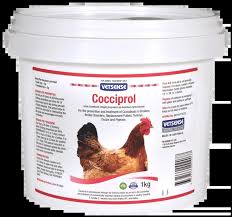
If one bird in your flock has coccidiosis, treat the entire flock without delay. Do not wait to see if other birds show symptoms. The parasite spreads quickly through shared water, feed, and droppings, so by the time you see visible signs in one bird, others have almost certainly been exposed.
A. Steps to Take When Treating Coccidiosis
i. Isolate Sick Birds Immediately: Separate birds showing symptoms from the rest of the flock as soon as possible. This limits further direct transmission while treatment is underway and allows you to monitor sick birds more closely.
ii. Clean Out the Coop Right Away: Remove all litter and droppings from the coop immediately. Clean and dry feeding and watering areas thoroughly. Treating the birds while leaving a contaminated environment in place will reduce the effectiveness of any medication.
iii. Administer Amprolium: Amprolium is the most commonly used treatment for coccidiosis. It works by blocking the parasite’s ability to absorb and use vitamin B1, which it needs to multiply. Amprolium is typically administered as a liquid added to the flock’s drinking water. If birds are very sick and not drinking enough, they may need to receive the medication orally to ensure they get an adequate dose. When in doubt, contact your veterinarian for guidance on dosing and administration.
iv. Maintain Treatment for the Full Course: Treatment typically needs to continue for around seven days. If the birds are kept in a wet, humid, or warm environment, a second course of treatment may be needed to fully clear the infection. Do not stop treatment early just because birds appear to be improving.
v. Provide Vitamin B Supplements After Treatment: Amprolium interferes with vitamin B1 metabolism. Once treatment is complete, provide a vitamin B supplement to help birds recover their nutritional balance. Do not give vitamin B supplements during treatment as this can reduce the effectiveness of Amprolium.
vi. Check Egg Safety With Your Vet: Amprolium is generally reported to have no egg withdrawal period, meaning eggs may be safe to eat during treatment. However, this depends on the specific product used and the condition of your birds. If your hens are still laying during treatment, confirm with a veterinarian whether those eggs are safe before consuming or selling them.
B. Long-Term Consequences of Untreated or Chronic Coccidiosis
Birds that experience chronic or repeated coccidiosis infections can develop intestinal fibrosis, which is a permanent scarring of the gut lining. Scarred intestinal tissue cannot absorb nutrients properly, and birds that reach this point are unlikely to ever lay eggs consistently or grow efficiently. Prevention and early treatment are not just about the current flock cycle. They protect the long-term productivity and profitability of your birds.
5. Key Reminders for Managing Coccidiosis
Coccidiosis is serious but it is manageable. The farmers who handle it best are the ones who build prevention into their daily routines rather than waiting to react to an outbreak. Keep these practical points in mind at all times.
A. Summary of the Most Important Points
i. Control the Environment: Coccidia oocysts need wet, warm, and humid conditions to become infectious. Keep feeding and watering areas clean, dry out litter regularly, and remove droppings from coops consistently. Controlling the environment is your most powerful prevention tool.
ii. Give Birds Enough Space: Overcrowding accelerates the spread of coccidiosis significantly. Ensure each bird has at least four square feet of indoor space and do not compromise on this, especially during wet or humid seasons when oocyst survival rates are higher.
iii. Act Fast When You See Warning Signs: The incubation period is only about eight days and symptoms can escalate rapidly. Blood in droppings, listless birds, pale combs, or a sudden drop in appetite are all warning signs that require prompt attention. The sooner you act, the better the chances of a full recovery for your flock.
iv. Protect Young Birds First: Chicks and young birds under six months are most at risk. Medicated starter feed is a practical and widely available way to protect them during this vulnerable period before they have built natural immunity.
v. Use Amprolium Correctly: Amprolium is the standard treatment and can also be used as a preventative in high-risk situations. It works, but it works best when given at the right dose for the right duration and followed up with vitamin B supplementation after the course is complete. Always speak to your vet about the appropriate medication and dosage for your specific flock and situation.
Summary on Coccidiosis Disease in Poultry Farming and How to Tackle It
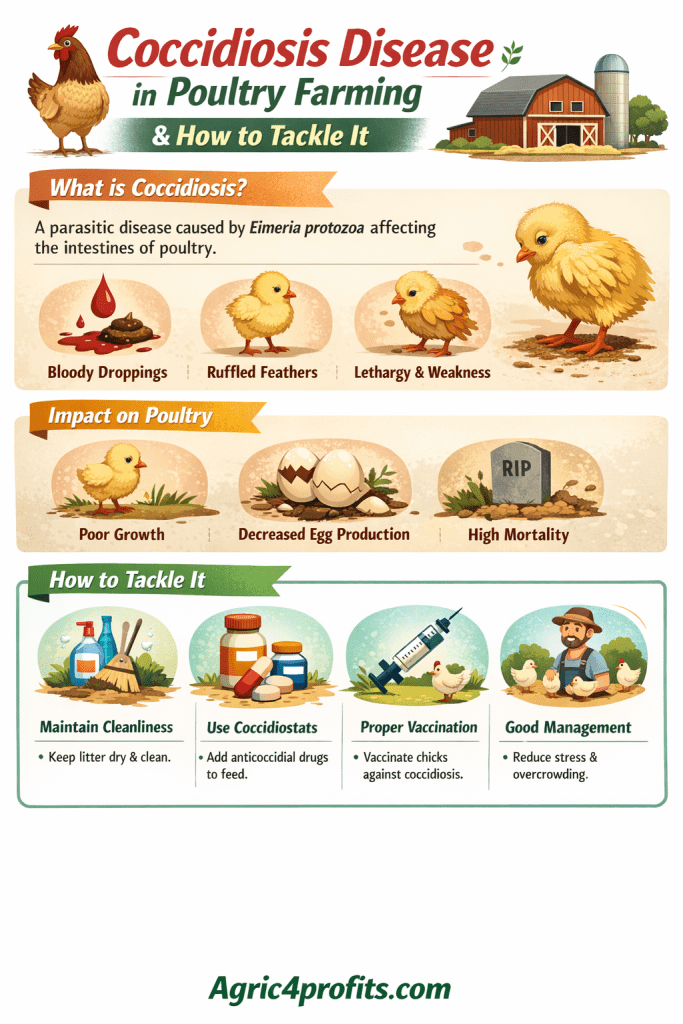
| Topic | Key Points |
|---|---|
| What is Coccidiosis | A parasitic intestinal disease caused by protozoan oocysts that damage gut lining, cause bleeding, and prevent nutrient absorption |
| Who is Most at Risk | Young birds under six months due to undeveloped immunity; adult birds can also be affected by new strains |
| How it Spreads | Through contaminated droppings, water, feed, shoes, shovels, and any object moving between infected and clean areas |
| Incubation Period | Approximately eight days; symptoms can appear gradually or suddenly |
| Key Symptoms | Blood in droppings, lethargy, huddling, pale comb, loss of appetite, ruffled feathers, weight loss, diarrhoea |
| Prevention Essentials | Clean dry coops, fresh water, clean feeders, adequate space, medicated chick starter, quarantine of new birds |
| Main Treatment | Amprolium added to drinking water for approximately seven days; treat the entire flock, not just sick birds |
| After Treatment | Provide vitamin B supplements after the course is complete; check egg safety with your veterinarian |
| Long-Term Risk | Chronic infection causes intestinal scarring and permanent loss of egg-laying and growth capacity |
| Key Reminder | Prevention through hygiene and environment control is always more effective and less costly than treating an active outbreak |
Frequently Asked Questions About Coccidiosis Disease in Poultry Farming and How to Tackle It
1. What causes coccidiosis in chickens? Coccidiosis is caused by microscopic protozoan parasites called Eimeria that attach to and damage the lining of a chicken’s intestine. The parasites are spread through infected droppings and thrive in warm, wet, and humid conditions.
2. Can all chickens get coccidiosis? All chickens carry the organism in their bowel, but not all develop the disease. Young birds under six months are most vulnerable. Adult birds can also get sick, especially when exposed to a strain they have not encountered before and built immunity against.
3. How quickly does coccidiosis spread through a flock? It spreads very quickly. The oocysts that transmit the disease are carried in droppings and can be moved via shoes, tools, water, and feed. In a crowded or poorly maintained environment, the entire flock can be exposed within days of the first infection appearing.
4. What does blood in chicken droppings mean? Blood in droppings is one of the most recognisable signs of coccidiosis, but it can also be confused with normal caecal droppings which are naturally brownish-red in colour. Only a veterinarian can confirm coccidiosis through a proper dropping analysis. Do not self-diagnose and delay treatment if multiple symptoms are present.
5. How do I prevent coccidiosis in my flock? Keep the coop clean and dry, provide fresh water daily, keep feeding areas clean, avoid overcrowding, use medicated starter feed for chicks, and quarantine any new birds for at least two weeks before introducing them to the flock. These basic hygiene and management practices significantly reduce outbreak risk.
6. What is Amprolium and how does it work? Amprolium is the most widely used treatment for coccidiosis. It works by blocking the parasite’s ability to absorb vitamin B1, which it needs to multiply and survive. It is added to the birds’ drinking water and is also available as an oral solution for severely sick birds that are not drinking enough.
7. Do I need to treat the whole flock or just the sick birds? The entire flock must be treated, not just the birds showing symptoms. By the time symptoms are visible in one bird, others have almost certainly already been exposed. Treating only visible cases while leaving the rest untreated allows the infection to continue spreading.
8. Can I eat eggs from hens being treated for coccidiosis? Amprolium is generally reported to have no egg withdrawal period, but this varies by product and situation. Hens with coccidiosis typically reduce or stop laying during illness anyway. Always check with your veterinarian before consuming or selling eggs from birds under medication.
9. What happens if coccidiosis is not treated quickly enough? Untreated or chronic coccidiosis can cause permanent intestinal scarring, known as fibrosis, which prevents the gut from absorbing nutrients properly. Birds that reach this stage are unlikely to ever lay eggs consistently or grow efficiently, making early detection and treatment essential.
10. Can chickens develop immunity to coccidiosis naturally? Yes. Chickens exposed to low levels of a particular coccidia strain over time will develop natural immunity to that strain. However, this immunity is strain-specific. A bird that is immune to one strain is still at risk from a different strain it encounters for the first time. This is why ongoing hygiene management remains important even in mature, established flocks.
Do you have any questions, suggestions, or contributions? If so, please feel free to use the comment box below to share your thoughts. We also encourage you to kindly share this information with others who might benefit from it. Since we can’t reach everyone at once, we truly appreciate your help in spreading the word. Thank you very much for your support and for sharing!
Read Also: Anatomy of Fishes: Female Fish and their Reproductive Strategies