


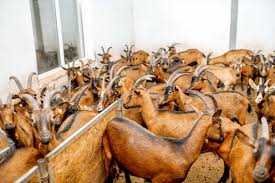
Goats are vital to India’s farming systems, with 135.17 million contributing 27.8% to livestock. They’re favored by small farmers for low investment, high prolificacy, and adaptability. This guide offers scientific management tips to boost productivity and income. It covers breeding, feeding, housing, health, and forage practices.
Goat farming suits marginal farmers due to low risk and year-round market demand. With 34 defined breeds and resilient non-descript goats, potential remains untapped due to subsistence systems. This article provides practical, user-friendly strategies to maximize goat production.
The guide emphasizes sustainable practices tailored to India’s agro-climatic diversity. It ensures goats thrive through proper care and management. Each section details steps to enhance flock health and profitability.
Follow these tips to leverage goats’ resilience and market value. From breed selection to health management, this guide supports both new and experienced farmers in achieving successful commercial goat farming.
Breeding Management
This section focuses on optimizing goat breeding for productivity and genetic health. It covers breed selection, breeding timing, and inbreeding prevention to ensure sustainable flocks and high yields.
A. Breed Selection
Goats are integral for small farmers due to low investment and adaptability. India has 34 breeds, with resilient non-descript goats. Choose breeds based on climate, purpose, and feeding systems to maximize production potential.
Prolific breeds from northwestern regions may struggle in hot, humid climates. Large breeds like Barbari and Sirohi suit field farming, while Black Bengal thrives in semi-grazing systems in eastern India.
Select breeds with high resilience against diseases. Indigenous breeds offer immense potential but require scientific management to fully harness their productivity and adaptability.
B. Breeding Practices
1. Breeding Age and Nutrition: Does need 30-50 minutes of high-protein ration daily. Breed at 18 months in intensive systems or 12-17 months in extensive systems. Plan breeding to optimize feed resources.
Proper timing ensures healthy kidding and kid survival. Align breeding with seasons of abundant fodder availability.
2. Genetic Selection: Use pure-bred, unrelated foundation stock with high genetic merit. Avoid inbreeding to prevent depression after 5-7 generations. Select unrelated bucks every 2-3 years for diversity.
3. Buck Management: One healthy buck can breed 25-35 females, starting with 10-15 for genetic variation. Bucks are critical for flock improvement and should be unrelated to females.
Controlled crossbreeding suits meat production but requires upgrading half-bred females for 3-4 generations. Avoid breeding half-bred females with their father’s line to prevent inbreeding.
C. Breeding Timing and Heat Detection
1. Heat Detection: Detect heat and breed females 12-16 hours after estrous onset for higher conception. Small breeds like Black Bengal need 7-9 months and 9-12 kg for first service.
Proper heat detection ensures successful breeding. Timing conception optimizes kidding during favorable seasons.
2. Kidding Seasons: Plan kidding for spring (February-March) or autumn (November-December) when succulent fodder is available. Breed in summer (April-June) or autumn (September-November) for best kid survival.
3. Culling: Cull 10-20% of goats that underperform in field conditions. Timely culling maintains flock productivity and ensures resources are used efficiently.
Read Also: 12 Medicinal Health Benefits of Emilia Sonchifolia (lilac tasselflower
Feeding Management
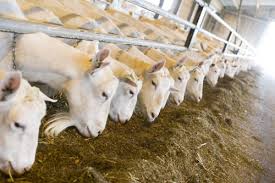
This section outlines feeding strategies to enhance goat health and growth. It emphasizes shifting to intensive feeding systems, ensuring proper nutrition for kids and adults, and maintaining clean water access.
A. Feeding Systems
Shift from pastoral grazing to cut-and-carry or stall feeding for semi-intensive to intensive systems. This ensures adequate supplementation and controlled nutrition for optimal goat performance.
Goats require a balanced diet to support growth and production. Intensive feeding systems improve efficiency and reduce reliance on inconsistent grazing resources.
Provide fresh, clean water at all times for newborns and 2-3 times daily for adults. Consistent water access supports digestion and overall health.
B. Ration Composition
1. Concentrate Ration: Feed grinded concentrate (pellet or mash) with 2% mineral mixture and 1% salt. Use protein-rich cakes for kids and energy-rich grains for adults.
Balanced rations support growth and reproduction. Tailor concentrate to the goat’s age and production needs.
2. Colostrum Feeding: Feed colostrum within 30 minutes of birth, allowing kids to suckle 10% of body weight thrice daily for five days. Wash udders with 2-5% potassium permanganate before suckling.
3. Fattening Males: For intensive fattening, provide a 60:40 concentrate-to-roughage ration for 7-12 months to reach 20-45 kg, depending on breed size.
Avoid sudden diet changes and provide sufficient straw or hay separately for kids, growing goats, and adults. Gradual transitions prevent digestive issues.
C. Special Feeding Needs
1. Multiple-Born Kids: Give extra care to multiple-born kids up to weaning with suckling, feeding, deworming, and cold protection. This ensures their survival and healthy development.
Special attention to weaker kids improves flock survival rates. Proper care during weaning reduces stress.
2. Supplemental Feeding: Provide 150-250 g of concentrate daily for adults in biomass-deficient areas. Increase to 300-350 g for pregnant, lactating, or growing goats based on breed and performance.
Housing and Health Management
This section covers housing and health practices to protect goats from disease and environmental stress. Proper housing and timely vaccinations are key to maintaining a healthy, productive flock.
A. Housing Requirements
1. Space and Ventilation: Provide adequate space, ventilation, and separate housing for sick animals and kids. Protect goats from rain and severe weather with proper shelter design.
Well-designed housing ensures goat comfort and reduces disease risk. Clean, ventilated spaces are essential.
2. Bedding for Kids: Provide 1.5-2 feet of straw bedding for neonatal and growing kids in winter. This keeps them warm and comfortable during critical growth stages.
3. Separate Housing: Keep young stock (6-12 months) separate from adults and limit their grazing access to reduce parasitic infestation. Replace stock in sheds before and after rains.
The floor space requirements vary by age: 0.2-0.35 m² covered and 0.4-4.0 m² open paddock, depending on category (kids, yearlings, adults, pregnant does, or bucks).
B. Health and Vaccination
1. Disease Awareness: Learn clinical symptoms of key goat diseases for early intervention. Early detection and treatment prevent losses and maintain flock health.
Recognizing symptoms allows farmers to act swiftly. Consult veterinarians for accurate diagnosis and treatment plans.
2. Vaccination Schedule: Vaccinate against PPR (3 years), goat pox (1 year), foot and mouth (6 months), enterotoxaemia (1 year), and hemorrhagic septicemia (6 months). Follow manufacturer dose guidelines.
3. Parasite Control: Replace stock in sheds before and after rainy seasons to minimize parasitic infestation. Regular deworming and grazing management reduce parasite risks.
Read Also: 14 Medicinal Health Benefits of Arum maculatum (Wild Arum)
Forage and General Management
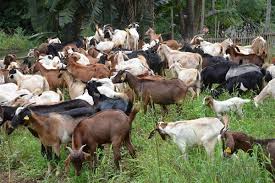
This section addresses forage production and general care to support goat farming. It includes tips for year-round fodder and safe handling practices to ensure flock health.
A. Forage Crop Production
1. Fodder Crops: Grow leguminous and annual crops like fodder maize, sorghum, and cowpea in summer (April-June), bajra and guar in rainy season (July-September), and berseem in winter (October-November).
Year-round forage ensures consistent milk and meat production. Diverse crops meet nutritional needs.
2. Crop Benefits: These crops provide green fodder from December to May, supporting goat nutrition during critical periods. Leguminous crops enhance soil fertility and feed quality.
3. Planning: Plan sowing to align with seasonal fodder needs. This ensures goats have access to palatable, nutrient-rich fodder throughout the year.
B. General Care Practices
1. Transportation: Transport only dewormed, vaccinated goats (PPR vaccinated 28 days prior). Avoid transporting pregnant does in the last quarter, newborns, or sick animals.
Safe transportation reduces stress and disease spread. Ensure comfortable conditions during transit.
2. Kid Care: Assist kids unable to suckle, ensuring 200-250 ml colostrum within 2 hours of birth. Clean udders with 2.5% potassium permanganate and apply antiseptic to navels.
3. Weaning and Castration: Castrate kids at 3 months and wean them carefully. Weaning is stressful, so provide proper feeding and care to support their transition.
Frequently Asked Questions
1. Why are goats preferred for small farmers?
Goats require low investment, have high prolificacy, and adapt to various climates, making them ideal for marginal farmers and landless communities.
2. How do I choose the right goat breed?
Select breeds based on local climate, purpose (meat or milk), and feeding system. For example, Barbari suits field farming, while Black Bengal thrives in semi-grazing.
3. What is the importance of colostrum for kids?
Colostrum, fed within 30 minutes of birth, provides antibodies and nutrients, protecting kids from diseases and supporting early growth.
4. How can I prevent inbreeding in my flock?
Use unrelated bucks and does with high genetic merit. Replace bucks every 2-3 years and avoid breeding half-bred females with their father’s line.
5. What vaccinations are essential for goats?
Vaccinate against PPR, goat pox, foot and mouth, enterotoxaemia, and hemorrhagic septicemia, following the recommended schedule and doses.
6. How do I ensure year-round fodder availability?
Grow seasonal crops like maize, sorghum, and berseem to provide green fodder from December to May, supporting consistent nutrition.
7. What housing is needed for young goats?
Provide separate sheds with 0.2-0.3 m² covered space and 0.4-1.0 m² open paddock for kids up to 12 months, with straw bedding in winter.
8. Why shift to intensive feeding systems?
Intensive systems like cut-and-carry or stall feeding ensure controlled nutrition, improving growth and productivity compared to inconsistent grazing.
Do you have any questions, suggestions, or contributions? If so, please feel free to use the comment box below to share your thoughts. We also encourage you to kindly share this information with others who might benefit from it. Since we can’t reach everyone at once, we truly appreciate your help in spreading the word. Thank you very much for your support and for sharing!