


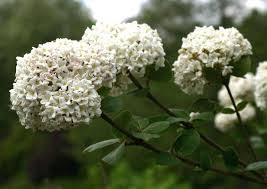
Viburnum flowers, scientifically known as Viburnum spp., belong to a large genus of over 150 species of flowering plants in the Adoxaceae family. These deciduous and evergreen shrubs are native to the Northern Hemisphere and are widely grown for their ornamental beauty.
Viburnum flowers are known for their small, clustered blooms that form in rounded or flat-topped flower heads, typically appearing in late spring or early summer. They come in a variety of colors, including white, cream, pink, and sometimes yellow, adding elegance and fragrance to gardens. Viburnum plants are prized for their year-round appeal, providing visual interest with their flowers, foliage, and berries.
The Viburnum flower is not only admired for its beauty but also for its versatility in landscaping, as it can be used as a hedge, border plant, or specimen shrub. Many species are known for their fragrant blooms, making them a popular choice for gardeners seeking to enhance their outdoor spaces with pleasant scents and striking visuals.
Historical and Cultural Significance
Viburnum flowers have been cherished throughout history, particularly in European and Asian cultures. In many regions, viburnum plants were symbols of life, love, and fertility.
The plant has deep-rooted significance in Eastern European folklore, where it was used in wedding ceremonies and traditional songs. In Ukraine, the viburnum flower, known as “kalyna,” is a national symbol representing purity, unity, and the homeland.
In Asian cultures, particularly in China and Japan, viburnum plants have been cultivated for centuries and are often associated with peace and tranquility. Some species, such as Viburnum opulus, also hold medicinal value and have been used in traditional medicine for treating various ailments, including digestive issues and respiratory conditions.
Benefits of Growing Viburnum Flowers
Growing viburnum flowers offers several benefits that make these plants a valuable addition to any garden.
1. Ornamental Appeal: Viburnum flowers add aesthetic beauty with their showy clusters of blossoms and attractive foliage. Many species also produce colorful berries that persist into the fall and winter, enhancing the visual interest of your garden year-round.
2. Attracts Wildlife: Viburnum flowers attract beneficial pollinators, such as bees and butterflies, while their berries provide food for birds and other wildlife. This makes viburnum plants ideal for creating a garden that supports local ecosystems.
3. Low Maintenance: Viburnum plants are relatively easy to grow and maintain. They are drought-tolerant once established and can adapt to a wide range of soil types, making them suitable for both novice and experienced gardeners.
4. Versatility: Viburnum flowers are highly versatile and can be used in various landscape designs. Whether you need a hedge, border plant, or a stand-alone specimen, viburnum plants can suit different gardening needs.
5. Fragrant Blooms: Many viburnum species are known for their sweet, pleasant fragrance, adding a sensory dimension to your garden. Their aromatic flowers can enhance the enjoyment of outdoor spaces.
Understanding Viburnum Varieties

Viburnum flowers come in a wide range of species, each with unique characteristics. These species vary in terms of flower shape, color, and growth habits, allowing gardeners to select varieties that suit their specific landscaping needs.
A. Common Species and Their Characteristics
1. Viburnum opulus (European Cranberrybush): This species is known for its white, snowball-like flower clusters and bright red berries. It grows well in both sun and partial shade and can reach heights of up to 12 feet.
2. Viburnum tinus (Laurustinus): An evergreen species with dark green leaves and small, fragrant white or pinkish flowers. Viburnum tinus is popular for its ability to bloom in late winter and early spring, providing early-season color.
3. Viburnum plicatum (Japanese Snowball): Characterized by its large, round, white flower clusters, this species is often used as an ornamental shrub. It has a layered, horizontal growth habit that adds a striking architectural element to gardens.
4. Viburnum carlesii (Koreanspice Viburnum): This variety is famous for its intensely fragrant pink flowers that open to reveal white blooms. It is a compact shrub, making it suitable for smaller gardens.
5. Viburnum davidii (David Viburnum): A low-growing, evergreen shrub with glossy, dark green leaves and white flowers. Its metallic blue berries provide additional interest during the fall and winter months.
6. Viburnum lantana (Wayfaring Tree): Known for its creamy white flowers and clusters of red to black berries, this species is drought-tolerant and can grow in poor soil conditions. It can reach up to 15 feet in height.
7. Viburnum dentatum (Arrowwood Viburnum): This species is recognized for its straight stems, which were historically used to make arrows. It has white flower clusters and produces bluish-black berries that are loved by birds.
8. Viburnum prunifolium (Blackhaw Viburnum): A large, deciduous shrub with creamy white flowers and blue-black fruit. Viburnum prunifolium is a hardy species that can grow in a variety of soil conditions and is known for its tolerance to urban environments.
9. Viburnum bodnantense (Dawn Viburnum): This species is valued for its early spring blooms of pinkish-white flowers that emit a strong, sweet fragrance. It is a deciduous shrub with upright growth.
10. Viburnum macrocephalum (Chinese Snowball): A striking ornamental species with large, spherical clusters of white flowers. Viburnum macrocephalum can grow up to 20 feet tall, making it a focal point in gardens.
B. Choosing the Right Variety for Your Region
When choosing the right viburnum variety for your region, it’s essential to consider your climate, soil conditions, and the size of your garden. If you live in a colder climate, species like Viburnum dentatum and Viburnum prunifolium are excellent choices due to their cold hardiness. For warmer regions, Viburnum tinus and Viburnum macrocephalum are well-suited for their ability to tolerate heat.
For gardeners looking to create a fragrant garden, Viburnum carlesii and Viburnum bodnantense are ideal, thanks to their sweet-smelling flowers. If you’re seeking to attract wildlife, species like Viburnum opulus and Viburnum dentatum provide berries that will draw birds and pollinators.
Additionally, the size of your garden will influence your choice. For smaller spaces, compact varieties such as Viburnum davidii or Viburnum carlesii are ideal, while larger species like Viburnum lantana and Viburnum macrocephalum are better suited for expansive landscapes.
Ideal Growing Conditions for Viburnum Flowers
Creating the ideal growing conditions for viburnum flowers will ensure healthy growth, vibrant blooms, and fruit production. Proper care and maintenance of these plants can result in a flourishing, attractive garden.
1. Climate Requirements
Viburnum flowers are highly adaptable and can thrive in a wide range of climates. Most species are hardy in USDA Zones 4-8, making them suitable for both cooler and warmer regions.
While some viburnum species, like Viburnum tinus, can tolerate mild winters and hot summers, others, like Viburnum dentatum, are more suited to colder climates. It is important to choose a species that matches the climate of your region to ensure the plant’s success.
2. Soil Preferences
Viburnum flowers prefer well-drained soil that is rich in organic matter. While they can tolerate a variety of soil types, including sandy or clay soils, they perform best in soils with a slightly acidic to neutral pH (5.5–7.0).
Amending the soil with compost or organic matter can improve drainage and provide the nutrients necessary for optimal growth. Viburnum plants also appreciate moist soil but should not be left in waterlogged conditions, as this can lead to root rot.
3. Sunlight and Shade Tolerance
Most viburnum species thrive in full sun to partial shade. They require at least 4 to 6 hours of direct sunlight daily to produce abundant blooms. However, some species, like Viburnum opulus, can tolerate more shade, especially in warmer climates where intense afternoon sun may cause stress.
In general, providing viburnum flowers with plenty of sunlight ensures healthy growth and prolific flowering. In shaded areas, they may not bloom as vigorously but will still grow well.
Planting Viburnum Flowers
Planting Viburnum flowers requires careful attention to ensure proper growth and vibrant blooms. Below are the complete practical steps for successfully planting Viburnum flowers, from seed selection to determining the best planting time.
A. Seed Selection and Preparation
When selecting seeds or plants for Viburnum flowers, choose high-quality, disease-free seeds or healthy plants from a reputable source. Viburnum flowers can be grown from seeds, but many gardeners prefer using small plants for quicker results.
If starting from seeds, it’s important to know that Viburnum flowers seeds often need a period of stratification, which means they must be stored in a cool, moist environment for several months before planting. This process mimics winter conditions and helps improve germination rates.
B. Step-by-Step Planting Guide
1. Location: Viburnum flowers thrive in well-drained soil and prefer a location with partial to full sunlight. Choose an area that gets at least 4-6 hours of sunlight daily.
2. Soil Preparation: Loosen the soil in the planting area to a depth of at least 12 inches to ensure good root penetration. Adding compost or well-rotted organic material will improve soil fertility and drainage, which is essential for healthy Viburnum flowers growth.
3. Planting: If planting seeds, sow them about 1/2 inch deep, covering lightly with soil. For young plants, dig a hole slightly larger than the root ball, place the plant in the hole, and fill it back in with soil. Ensure that the top of the root ball is level with the soil surface.
4. Spacing: Viburnum flowers plants should be spaced about 4-6 feet apart to allow room for them to grow and spread.
5. Mulching and Watering: Apply a layer of mulch around the base of the plants to retain moisture and regulate soil temperature. Water thoroughly after planting to settle the soil.
C. Best Time to Plant
The best time to plant Viburnum flowers is in the spring or fall. Spring planting allows the plant to establish before the heat of summer, while fall planting ensures it will be ready to bloom the following spring. Avoid planting during extreme heat or cold, as this can stress the plants.
Soil Preparation and Fertilization
Proper soil preparation and fertilization are key to growing healthy Viburnum flowers. Prepping the soil correctly ensures that the plants can access the nutrients they need for growth and flower production.
A. Soil Testing and Amendments
Before planting Viburnum flowers, it’s a good idea to test the soil to determine its pH and nutrient content. Viburnum flowers prefer slightly acidic to neutral soil with a pH between 5.5 and 7.0. If the soil is too acidic, adding lime can help raise the pH. If it’s too alkaline, adding organic matter like peat moss can help lower the pH. Also, ensure the soil is well-draining, as Viburnum flowers do not tolerate waterlogged conditions.
B. Organic vs. Chemical Fertilizers
When it comes to fertilizing Viburnum flowers, both organic and chemical fertilizers can be used, but organic fertilizers are generally better for long-term soil health. Organic fertilizers such as compost or manure improve soil structure and provide slow-release nutrients. Chemical fertilizers, on the other hand, can provide immediate nutrient boosts, but excessive use may deplete the soil of organic matter over time.
A balanced fertilizer, such as 10-10-10, applied once a year in spring, can give Viburnum flowers the nutrients they need for growth and flowering.
C. Nutrient Requirements
Viburnum flowers have specific nutrient needs to thrive:
1. Nitrogen (N): Necessary for healthy leaf growth. Use in moderation, as too much nitrogen can cause excessive foliage growth at the expense of flowers.
2. Phosphorus (P): Crucial for root development and flower production. Ensure your fertilizer has adequate phosphorus to promote vibrant blooms.
3. Potassium (K): Supports overall plant health and disease resistance, making the plant sturdier and able to withstand environmental stress.
4. Magnesium (Mg): Helps with chlorophyll production, keeping the foliage green and healthy.
5. Calcium (Ca): Important for strong cell walls, aiding in disease prevention and overall plant structure.
These nutrients can be provided through a combination of organic matter and balanced fertilizers, ensuring your Viburnum flowers get what they need throughout the growing season.
Watering Needs and Techniques
Watering is a critical aspect of maintaining healthy Viburnum flowers. Providing the right amount of water at the right time helps the plants establish strong roots and produce abundant flowers.
A. Establishing a Watering Schedule
For newly planted Viburnum flowers, consistent watering is essential to help the plants establish roots. Water deeply once or twice a week, depending on rainfall and soil moisture. Established plants are more drought-tolerant but will still need occasional watering during dry periods.
As a rule, Viburnum flowers should receive about 1 inch of water per week. Watering should be more frequent during hot weather, especially if the soil is sandy or dries out quickly.
B. Signs of Overwatering and Underwatering
Signs of Overwatering: Yellowing leaves and wilting despite the soil being moist. Root rot or soft, mushy roots. Fungal growth or mold on the surface of the soil.
Signs of Underwatering: Drooping or wilting leaves that feel dry to the touch. Brittle, dry soil that pulls away from the sides of the planting bed. Stunted growth and fewer or smaller flowers.
Monitoring the moisture levels and adjusting your watering routine can prevent these issues from occurring.
C. Efficient Watering Methods
To ensure that Viburnum flowers are getting the right amount of water while minimizing waste, consider using the following efficient watering methods:
1. Drip Irrigation: Drip irrigation delivers water slowly and directly to the root zone, reducing evaporation and ensuring the plant roots get adequate moisture. This method is particularly useful for Viburnum flowers, as it prevents the leaves from getting wet, which can reduce the risk of fungal diseases.
2. Soaker Hoses: Soaker hoses release water slowly along their length, allowing for deep watering of the root system. This method is ideal for garden beds with multiple plants.
3. Watering Cans: When using a watering can, make sure to water at the base of the plant rather than overhead, to avoid wetting the leaves. Watering deeply but less frequently encourages the development of deep roots.
Using these efficient watering methods will help maintain healthy Viburnum flowers and reduce the risk of overwatering or underwatering.
Read Also: 15 Medicinal Health Benefits Of Echinacea purpurea (Purple Coneflower)
Pruning and Maintenance of Viburnum Flowers

Pruning and maintaining Viburnum flowers are crucial to their health and appearance. Regular pruning helps shape the plant, remove dead or diseased parts, and encourage better air circulation, reducing the risk of pests and diseases.
Proper maintenance ensures that Viburnum flowers continue to bloom beautifully each season, contributing to a vibrant garden.
A. Pruning Techniques for Healthy Growth
Here are some essential pruning techniques for maintaining healthy Viburnum flowers:
1. Removing Deadwood: Cut away any dead, damaged, or diseased branches to prevent infections from spreading and to allow the plant to focus energy on healthy growth.
2. Thinning for Better Airflow: Thin out some branches in the center of the plant to improve airflow. This reduces the chances of fungal infections and promotes healthier foliage and flowers.
3. Cutting Back After Flowering: Prune Viburnum flowers immediately after flowering to maintain their shape and encourage more blooms in the next season. Cut back the flowered branches to a pair of healthy buds.
4. Shaping the Plant: Regular pruning to maintain the desired shape of the Viburnum bush is important for aesthetics and controlling its size, especially in small gardens.
5. Rejuvenation Pruning: If the Viburnum flowers are becoming overgrown, cut the older stems to the base to rejuvenate the plant. This encourages fresh, vigorous growth.
B. Managing Pests and Diseases
Managing pests and diseases is essential to keep Viburnum flowers healthy. Viburnum plants are sometimes affected by pests like aphids, scale insects, and spider mites. Diseases such as powdery mildew and leaf spot can also occur.
Regular inspection, timely pruning of affected parts, and appropriate treatments like insecticidal soap or fungicides can keep pests and diseases at bay.
C. Seasonal Maintenance Tasks
Maintaining Viburnum flowers involves performing specific tasks during different seasons to ensure healthy growth:
1. Spring: Check for winter damage and prune any dead branches. Apply a balanced fertilizer to support new growth. Mulch around the base to retain moisture.
2. Summer: Continue regular watering, especially during dry periods. Watch for pests and diseases and prune as needed to keep the plant healthy.
3. Fall: After the Viburnum flowers have bloomed, remove dead blooms and thin out any crowded areas. Apply mulch to protect the roots from frost.
4. Winter: For cold climates, consider protecting the plant with a frost cover or extra mulch around the base. Prune away any broken or damaged branches.
Propagation Methods of Viburnum Flowers
Propagation is a great way to expand your collection of Viburnum flowers or share them with others. Propagating Viburnum flowers ensures that new plants carry the same qualities as the parent plant. Common propagation methods include seeds, cuttings, and grafting techniques.
A. Seed Propagation
1. Collecting Seeds: Collect seeds from mature Viburnum flowers once they’ve fully ripened. Clean the seeds and let them dry before planting.
2. Stratification: Viburnum seeds may require a cold stratification period (storing them in a cool, moist environment) to encourage germination.
3. Planting Seeds: After stratification, sow the seeds in a well-draining potting mix. Place them in a bright, sunny area and keep the soil moist until they sprout.
4. Transplanting: Once seedlings are large enough to handle, transplant them to larger containers or directly into the garden in the spring.
B. Cutting and Grafting Techniques
1. Taking Cuttings: Select healthy, non-flowering shoots from a mature Viburnum plant and cut them just below a node. Remove the lower leaves and dip the cut end in rooting hormone.
2. Rooting Cuttings: Place the cutting in a pot filled with moist potting mix. Cover it with a plastic bag to retain moisture and place it in indirect sunlight. After a few weeks, roots should begin to form.
3. Grafting: Grafting is a less common method for Viburnum, but it can be used to join two different varieties. Grafting is usually done in the winter, by attaching a healthy cutting to the rootstock of another plant.
C. Tips for Successful Propagation
To successfully propagate Viburnum flowers, follow these helpful tips:
1. Use Healthy Parent Plants: Always take cuttings or seeds from vigorous, healthy plants to increase the chances of success.
2. Keep Soil Moist but Well-Drained: Water the cuttings or seedlings regularly but ensure the soil has good drainage to prevent root rot.
3. Provide Ample Light: Make sure the cuttings or seedlings are placed in a bright spot with indirect sunlight to encourage healthy growth.
4. Be Patient: Propagation can take time, especially when growing from seeds, so be patient and continue to care for the cuttings or seedlings.
Common Issues and Solutions of Viburnum Flowers
Like all plants, Viburnum flowers can face a variety of challenges, from diseases to pest infestations. Being able to identify and address these issues promptly ensures that your plants remain healthy and beautiful.
A. Identifying and Treating Common Diseases
Here are some common diseases that may affect Viburnum flowers and how to treat them:
1. Powdery Mildew: This fungal disease appears as a white powder on the leaves. Treatment: Remove affected leaves and apply a fungicide. Ensure the plant has adequate airflow.
2. Leaf Spot: This causes brown or black spots on the leaves. Treatment: Prune infected leaves and apply a copper-based fungicide to prevent further spread.
3. Botryosphaeria Canker: This disease causes branches to wilt and die. Treatment: Cut back affected branches and apply fungicide to prevent reinfection.
4. Rust: Rust can cause orange or brown pustules on leaves. Treatment: Remove infected foliage and treat the plant with a fungicide.
B. Pest Control Strategies
Viburnum flowers can attract a variety of pests. Here are common pests and pest control strategies to protect your plants:
1. Aphids: These small insects suck sap from the plant, causing the leaves to curl. Solution: Spray the plant with insecticidal soap or neem oil.
2. Spider Mites: Spider mites cause speckling on the leaves. Solution: Spray the plant with water to dislodge the mites, or use a miticide for severe infestations.
3. Scale Insects: Scale insects can form hard, protective shells and suck plant sap. Solution: Remove scales by hand or apply horticultural oil to suffocate the insects.
4. Viburnum Leaf Beetle: This beetle eats the leaves of Viburnum plants, leaving them skeletonized. Solution: Remove and destroy infested leaves, and apply an insecticide if the infestation is severe.
C. Troubleshooting Growth Problems
If Viburnum flowers are not thriving, here are some common issues and how to solve them:
1. Slow or Poor Growth: This could be due to poor soil quality or insufficient light. Solution: Ensure the plant is in a sunny spot and improve soil quality by adding compost or organic matter.
2. Leaf Yellowing: Yellowing leaves can indicate overwatering, nutrient deficiency, or disease. Solution: Adjust your watering routine, provide balanced fertilizer, and check for disease.
3. Wilting or Drooping Leaves: This may be caused by drought stress or root rot. Solution: Water the plant regularly but avoid waterlogging. Make sure the soil is well-draining.
4. Lack of Flowering: Poor flowering can be caused by insufficient light or improper pruning. Solution: Ensure the plant receives enough sunlight and prune at the right time after flowering.
Read Also: 15 Medicinal Health Benefits Of Echinacea purpurea (Purple Coneflower)
Harvesting and Using Viburnum Flowers

Viburnum flowers are admired for their beautiful clusters of blossoms and their versatility in gardens and decorative arrangements. Harvesting Viburnum flowers at the right time and using them effectively ensures you can enjoy their full aesthetic and practical benefits.
Whether you are using Viburnum flowers for floral displays, medicinal purposes, or culinary applications, proper harvesting and usage are key to making the most of these elegant blooms.
1. When and How to Harvest
To harvest Viburnum flowers, it’s best to wait until they are fully bloomed, ensuring the flowers are at their most vibrant. The ideal time for harvesting is early morning when the flowers are well-hydrated.
Use sharp garden shears to cut the stems at a 45-degree angle, leaving enough stem length for arrangement or further growth. It’s also important to avoid harvesting in the heat of the day, as this can cause the flowers to wilt quickly.
2. Uses in Floral Arrangements
Viburnum flowers are popular in floral arrangements because of their dense clusters and vibrant colors, which range from white to shades of pink. Their bold yet delicate appearance makes them a striking choice for centerpieces, bouquets, and event décor.
They can be used fresh or dried and work well with other flowers like roses, lilies, and peonies. Additionally, Viburnum flowers are great for adding texture and depth to large arrangements or acting as filler flowers in smaller bouquets.
3. Medicinal and Culinary Uses
While Viburnum flowers are primarily decorative, certain species have medicinal properties. In traditional medicine, some types of Viburnum are used to relieve muscle cramps, reduce anxiety, and ease digestive discomfort. Viburnum tea is made from the bark and flowers, though care should be taken to identify the species correctly.
In terms of culinary uses, Viburnum berries are more commonly used than the flowers. However, the blossoms can be used as a garnish for salads and beverages if grown organically and safely for consumption.
Sustainable and Eco-Friendly Practices
Growing Viburnum flowers sustainably is essential for preserving both the environment and the health of your garden. Incorporating eco-friendly practices helps reduce chemical use, supports biodiversity, and promotes the long-term health of the soil and surrounding ecosystem.
By adopting organic growing methods and integrating Viburnum into permaculture systems, gardeners can help sustain healthy habitats for wildlife and protect native plant species.
1. Organic Growing Practices
Organic growing practices for Viburnum flowers emphasize using natural fertilizers, compost, and sustainable pest management. Avoid using synthetic chemicals, which can harm beneficial insects and degrade soil quality.
Instead, opt for organic mulch and compost to enrich the soil, promoting healthier Viburnum flower growth. Companion planting with plants that repel pests naturally, such as marigolds, can also help maintain the health of your Viburnum plants without resorting to harmful pesticides.
2. Integrating Viburnum Flowers in Permaculture
Viburnum flowers are a perfect addition to permaculture gardens because of their ability to attract pollinators and beneficial insects. As a hardy shrub, Viburnum can serve as a natural barrier or hedge, providing shade and habitat for smaller plants and animals.
Integrating Viburnum flowers into a permaculture system supports biodiversity, enhances soil quality, and encourages natural pest control, making it a valuable plant for sustainable gardening practices.
3. Conservation Efforts
Many species of Viburnum are native to specific regions, and conservation efforts focus on preserving these species in their natural habitats. Over-harvesting and habitat destruction have threatened some Viburnum species, making conservation essential.
Gardeners can contribute by cultivating native Viburnum species, avoiding invasive varieties, and participating in local conservation programs aimed at preserving wild Viburnum populations. Seed-saving and sharing native Viburnum species with other gardeners can also help protect these beautiful flowers from extinction.
Frequently Asked Questions (FAQ’s) About Viburnum Flowers
1. What are Viburnum flowers?
Viburnum flowers are small, fragrant blooms that grow in clusters on shrubs. They come in various colors, including white, pink, and sometimes red, and are popular in gardens and floral arrangements.
2. When do Viburnum flowers bloom?
Viburnum flowers typically bloom in the spring or early summer, depending on the species and growing conditions.
3. How do I care for Viburnum flowers in the garden?
Viburnum flowers thrive in well-drained soil with full sun to partial shade. Water them regularly, especially during dry periods, and prune them after flowering to maintain their shape.
4. Can Viburnum flowers be grown indoors?
Viburnum flowers are better suited to outdoor growing in gardens or large containers. They require ample sunlight and space to grow, making them difficult to maintain indoors.
5. Are Viburnum flowers toxic to pets?
Some Viburnum species can be mildly toxic to pets if ingested, particularly the berries. It is advisable to keep pets away from these plants.
6. Can Viburnum flowers be used in floral arrangements?
Yes, Viburnum flowers are excellent for floral arrangements. Their clusters of blossoms add volume and texture, making them ideal for centerpieces and bouquets.
7. How do I harvest Viburnum flowers for arrangements?
Harvest Viburnum flowers when they are fully open, cutting the stems early in the morning. Place them in water immediately to preserve their freshness.
8. Are Viburnum flowers edible?
The flowers of some Viburnum species can be used as a garnish, but it’s more common to use the berries. Always ensure that the species is safe for consumption before using Viburnum in food.
9. Do Viburnum flowers have any medicinal uses?
Certain Viburnum species have medicinal properties and are used to treat cramps, anxiety, and other ailments. However, not all Viburnum flowers are suitable for medicinal use, so it’s important to research the specific species.
10. How long do Viburnum flowers last in a vase?
Viburnum flowers can last about 5 to 7 days in a vase with proper care, including cutting the stems at an angle and changing the water regularly.
11. Can I grow Viburnum flowers from seeds?
Yes, Viburnum flowers can be grown from seeds, but the process can be slow. It’s often more common to propagate them from cuttings.
12. What pests affect Viburnum flowers, and how can I prevent them?
Aphids, scale, and spider mites are common pests that affect Viburnum flowers. Organic pest control methods, such as neem oil or insecticidal soap, can help keep these pests at bay. Proper spacing and good air circulation also reduce the risk of pest infestations.
Do you have any questions, suggestions, or contributions? If so, please feel free to use the comment box below to share your thoughts. We also encourage you to kindly share this information with others who might benefit from it. Since we can’t reach everyone at once, we truly appreciate your help in spreading the word. Thank you so much for your support and for sharing!