


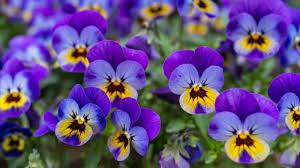
Violet flowers, scientifically known as Viola spp., belong to the Violaceae family and are renowned for their delicate beauty and wide array of colors, including purple, blue, white, and yellow.
These charming flowers are found primarily in temperate regions around the world, often growing in wooded areas, meadows, and along roadsides. Violets are small, fragrant flowers that bloom primarily in spring, although some varieties can flower in late winter or early summer.
The genus Viola includes both perennial and annual species, with the most commonly cultivated varieties being Viola tricolor (commonly known as the pansy) and Viola odorata (the sweet violet).
Violets are cherished not only for their striking appearance but also for their sweet fragrance, making them popular in gardens, as ornamental plants, and in the production of perfumes. Additionally, they are sometimes used in culinary applications, particularly in garnishes or as edible flowers.
Historical and Cultural Significance
Violet flowers hold a significant place in various cultures around the world. In Greek mythology, the violet was associated with the goddess of love, Aphrodite, symbolizing love, loyalty, and faithfulness. The flower has been a symbol of modesty and humility, and in the language of flowers, violets represent innocence, faithfulness, and affection.
In Victorian times, violets were frequently used in floral arrangements to express delicate emotions, and they were often linked with modesty and virtue. The popularity of violets in cultural traditions continues, especially during celebrations like Mother’s Day and Valentine’s Day, where they are seen as symbols of love and remembrance.
In some cultures, violets also carry medicinal value. Historically, parts of the violet plant were used to treat respiratory problems, such as coughs and colds, and to soothe inflammation. Violet extracts are still used in some herbal medicine practices for their calming and anti-inflammatory properties.
Benefits of Growing Violet Flowers
Growing violet flowers in your garden or home offers numerous benefits, making them a worthwhile addition to any space.
1. Aesthetic Appeal: Violets bring an element of elegance and charm with their wide range of colors, often in deep purples, blues, and whites. Their soft, delicate petals and sweet fragrance enhance the beauty of any garden.
2. Low Maintenance: Violets are relatively easy to grow and maintain. They thrive in cool, shaded conditions and do not require extensive care. Once established, they can grow and bloom reliably for years.
3. Wildlife Attraction: Violets are beneficial to wildlife, especially pollinators. Their nectar attracts bees, butterflies, and other insects, playing a crucial role in supporting local ecosystems.
4. Versatility: Violets can be grown in various settings, from flower beds and garden borders to containers and hanging baskets. They are also perfect for ground cover in shaded areas where other plants might struggle.
5. Edible Uses: Violets are one of the few flowers that are edible. The flowers, as well as the leaves, can be used in cooking and baking, adding a touch of color and flavor to dishes or as garnishes.
Understanding Violet Varieties

The Viola genus includes a wide variety of species, each with its unique characteristics. Some are perennial, while others are annuals. The common varieties of violets vary in flower shape, color, and growth habits, making it important to choose the right variety based on your garden’s specific needs.
A. Common Species and Their Characteristics
1. Viola odorata (Sweet Violet): Known for its intensely fragrant, dark purple flowers, the sweet violet is a perennial that blooms in early spring. It has heart-shaped leaves and is often used in perfumes and as a medicinal plant.
2. Viola tricolor (Wild Pansy or Johnny Jump-Up): This small flower blooms in a mixture of purple, yellow, and white, and is commonly found in gardens. It has a slightly larger flower than other violets and is known for its resilience in a range of climates.
3. Viola cornuta (Horned Violet): A perennial species with unique, pointed petals that resemble a horn. The horned violet blooms in a variety of colors, including purple, blue, and white, and is hardy enough to thrive in both sunny and partly shaded areas.
4. Viola sororia (Common Blue Violet): This North American species produces blue to purple flowers and is often found in wild areas. It is commonly used as ground cover in shaded gardens and is known for its ability to naturalize in woodland settings.
5. Viola x wittrockiana (Pansy): A hybrid species, pansies are a popular choice for gardens due to their large, colorful flowers. They come in a range of colors and patterns and are often grown as annuals or biennials.
6. Viola riviniana (Wood Violet): This species is native to Europe and features small, pale purple flowers. It typically grows in shaded, woodland areas and is commonly used as ground cover in similar environments.
7. Viola labradorica (Labrador Violet): Known for its fragrant, dark purple flowers, this violet species thrives in moist, well-drained soil and is often used as a ground cover in shady gardens.
8. Viola pedunculata (Missouri Violet): A perennial native to the central United States, it features pale to violet-colored flowers and is often found growing in moist woodlands and prairies.
9. Viola cucullata (Marsh Violet): This species, found in damp, marshy areas, produces blue to purple flowers and is well-suited for moist, shaded garden conditions.
10. Viola wrightii (Wright’s Violet): A rare species of violet native to the southeastern United States, Viola wrightii produces small, pale purple flowers and thrives in woodland areas.
B. Choosing the Right Variety for Your Region
When selecting the right violet flower variety for your region, it’s important to consider factors such as climate, soil type, and space. For colder climates, perennial species like Viola odorata and Viola cornuta are ideal because they can withstand frost and cold temperatures. In warmer climates, varieties like Viola tricolor and Viola x wittrockiana are more suitable because they can thrive in mild winter conditions.
If you are looking for low-maintenance plants that can naturalize in your garden, species like Viola sororia and Viola riviniana are excellent choices, as they will spread and fill in empty spaces over time.
For those with small gardens or container spaces, compact species like Viola cornuta or Viola x wittrockiana are perfect, as they can grow in containers or hanging baskets and still provide vibrant color.
Ideal Growing Conditions for Violet Flowers
Violet flowers, though hardy, require specific growing conditions to thrive. Creating the ideal environment for violets can ensure that they bloom beautifully and remain healthy year-round.
1. Climate Requirements
Violets generally prefer temperate climates and are best suited to USDA hardiness zones 4-8. Most species, including Viola odorata and Viola sororia, perform well in cool to moderate temperatures, with daytime temperatures between 50°F and 70°F (10°C to 21°C). Extreme heat or frost can stunt growth and affect blooming, so it’s essential to choose a variety that matches your local climate.
2. Soil Preferences
Violets thrive in moist, well-drained soil rich in organic matter. They prefer slightly acidic to neutral soil with a pH of 6.0-7.0. It’s essential to amend the soil with compost or organic material to improve drainage and nutrient content. Violets should not be grown in heavy clay soils that retain too much water, as this can lead to root rot.
3. Sunlight and Shade Tolerance
Violet flowers prefer partial shade, especially in hot climates, as direct sunlight can cause the flowers to wilt or dry out. However, some species, like Viola tricolor and Viola odorata, can tolerate full sun if the soil remains consistently moist. In shadier conditions, violets can flourish, providing vibrant blooms in areas where other plants may struggle to grow. Ensuring the right balance of sunlight is key to producing healthy, attractive violets.
Planting Violet Flowers
Planting Violet flowers requires attention to detail and proper care to ensure healthy growth and vibrant blooms. Below are the complete practical steps for planting Violet flowers, covering everything from seed selection to the best time for planting.
A. Seed Selection and Preparation
When planting Violet flowers, start by choosing high-quality seeds from a reputable source. Violet flowers seeds are small and may require stratification a cold treatment that helps improve germination. Place the seeds in moist soil or a damp paper towel and refrigerate them for a few weeks before planting. This mimics the natural conditions they experience in the wild.
B. Step-by-Step Planting Guide
1. Site Selection: Choose a location with partial shade to full sun. Violet flowers grow best in cool, shaded areas but can tolerate some sunlight.
2. Soil Preparation: Loosen the soil to a depth of at least 6-8 inches. Make sure the soil is well-drained, as Violet flowers prefer moist but not waterlogged soil.
3. Planting: If using seeds, sow them 1/4 inch deep and cover lightly with soil. For young plants, dig a hole large enough to fit the root ball, place the plant in, and cover with soil. Press gently around the base to secure the plant.
4. Spacing: Space the plants about 6-12 inches apart to allow for proper growth and air circulation.
5. Watering: Water the plants gently after planting to help the soil settle around the roots.
C. Best Time to Plant
The best time to plant Violet flowers is in early spring or fall. Spring planting allows the plants to establish roots before the summer heat, while fall planting gives them time to settle before the cooler months. Avoid planting during extreme cold or hot weather to prevent stress on the plants.
Soil Preparation and Fertilization
Proper soil preparation and fertilization are crucial for growing healthy Violet flowers. Ensuring the soil is nutrient-rich and well-balanced will lead to better blooms and stronger plants.
A. Soil Testing and Amendments
Before planting, test the soil to determine its pH and nutrient content. Violet flowers prefer slightly acidic to neutral soil with a pH range of 6.0 to 7.0. If the soil is too acidic, adding lime can help raise the pH.
If it is too alkaline, adding peat moss or other organic matter can help lower the pH. Well-draining soil is important, so if your soil retains too much water, consider adding sand or compost to improve drainage.
B. Organic vs. Chemical Fertilizers
Both organic and chemical fertilizers can be used for Violet flowers, but organic fertilizers are generally better for long-term soil health. Compost and manure add essential nutrients and improve soil texture.
Chemical fertilizers, such as balanced 10-10-10 fertilizers, provide a quick nutrient boost, but overuse can harm soil structure over time. Applying fertilizer in early spring when new growth begins will help boost the plant’s energy.
C. Nutrient Requirements
To thrive, Violet flowers need several key nutrients:
1. Nitrogen (N): Promotes healthy leaf and stem growth.
2. Phosphorus (P): Encourages root development and flower production.
3. Potassium (K): Helps the plant resist diseases and improves overall health.
4. Calcium (Ca): Strengthens cell walls and prevents diseases like blossom-end rot.
5. Magnesium (Mg): Essential for photosynthesis, it keeps the leaves green and healthy.
Make sure to apply a balanced fertilizer that contains these nutrients to keep your Violet flowers healthy.
Watering Needs and Techniques
Watering is a key factor in the success of growing Violet flowers. Proper watering helps ensure the plants have enough moisture without becoming waterlogged.
A. Establishing a Watering Schedule
Violet flowers need consistent moisture, especially when they are newly planted. Establish a regular watering schedule based on weather conditions. Water deeply once or twice a week, ensuring the soil stays moist but not soggy. In drier periods, you may need to increase the frequency of watering, while during rainy seasons, reduce it to prevent waterlogging.
B. Signs of Overwatering and Underwatering
Signs of Overwatering: Yellowing leaves and wilting despite the soil being wet. Mushy or rotting roots. Fungal growth on the soil surface.
Signs of Underwatering: Dry, brittle leaves that curl at the edges. Soil that pulls away from the pot or bed edges and becomes dry. Stunted growth and lack of blooms.
C. Efficient Watering Methods
To keep your Violet flowers healthy and hydrated, use these efficient watering methods:
1. Drip Irrigation: This system slowly delivers water directly to the roots, minimizing evaporation and ensuring deep penetration into the soil. It’s especially effective for preventing fungal issues by keeping the leaves dry.
2. Soaker Hose: A soaker hose releases water along its length, providing a steady supply of moisture to the plant’s root zone without over-watering.
3. Watering Can: When using a watering can, aim the water directly at the base of the plant to avoid wetting the foliage. Water in the morning to allow the soil to absorb the moisture before the sun evaporates it.
Read Also: 14 Medicinal Health Benefits Of Dalea purpurea (Purple Prairie Clover)
Pruning and Maintenance of Violet Flowers

Pruning and maintaining Violet flowers are essential for their health, growth, and vibrant blooming. Regular pruning helps remove dead or damaged parts, which prevents the spread of diseases and encourages stronger, more compact growth.
Proper maintenance also ensures that your Violet flowers remain beautiful, producing lush foliage and colorful blooms. By consistently caring for them, you’ll extend their blooming period and help them thrive throughout the seasons.
A. Pruning Techniques for Healthy Growth
To promote healthy growth and beautiful blooms for your Violet flowers, consider these pruning techniques:
1. Deadheading: Regularly remove spent flowers to encourage more blooms and to prevent the plant from putting energy into seed production.
2. Removing Damaged Leaves: Trim off any yellowed or damaged leaves to improve air circulation around the plant and to keep the plant healthy.
3. Pinching Back: Pinch the tips of young Violet flower plants to encourage bushier growth. This helps the plant form more flowers.
4. Cutting Back Overgrown Plants: If your Violet flowers have become leggy or overgrown, prune them back to shape the plant and stimulate new growth.
5. Pruning for Airflow: Ensure that the plants have adequate space by thinning out excessive stems and leaves to allow better airflow, which reduces the chances of mold and mildew growth.
B. Managing Pests and Diseases
Violet flowers can be susceptible to various pests and diseases, especially if they are not cared for properly. Keeping an eye out for common pests like aphids and spider mites, as well as diseases like powdery mildew and root rot, is essential.
Promptly removing affected parts, applying suitable treatments, and maintaining healthy growing conditions will help keep these issues under control.
C. Seasonal Maintenance Tasks
Proper seasonal maintenance is important for ensuring the long-term health of your Violet flowers. Here’s what to do during each season:
1. Spring: Trim away dead growth and encourage new blooms by deadheading and cutting back any damaged foliage. Begin feeding the plant with a balanced fertilizer.
2. Summer: Ensure the Violet flowers are getting sufficient water but avoid overwatering, as this can lead to root rot. Keep the plant in a location with indirect sunlight to prevent scorching.
3. Fall: As the growing season winds down, prune the plants to remove any dead flowers and leaves. Reduce watering to prepare the plant for the cooler months.
4. Winter: Violet flowers may not be actively growing in the winter, so reduce maintenance. However, continue checking for pests and diseases and make sure the plants are in a frost-free location.
Propagation Methods of Violet Flowers
Propagation allows you to grow new Violet flowers from existing plants, maintaining the desirable traits of the parent plant. Using the right propagation method can result in strong, healthy new plants. Whether using seeds, cuttings, or grafting techniques, propagation is a great way to expand your collection of Violet flowers.
A. Seed Propagation
1. Collecting Seeds: After the Violet flowers have bloomed and dried, collect the seeds. Ensure they are fully mature before harvesting.
2. Preparing the Soil: Fill a small container with well-draining potting mix and moisten it lightly.
3. Sowing Seeds: Scatter the seeds evenly on top of the soil and press them gently into the surface. Do not cover them with soil, as Violet seeds need light to germinate.
4. Germination: Place the container in a warm, sunny location and keep the soil moist. Seeds should germinate in 2-4 weeks.
5. Transplanting: Once the seedlings are large enough to handle, transplant them to individual pots or directly into the garden.
B. Cutting and Grafting Techniques
1. Taking Cuttings: Take a healthy cutting of the Violet flower just below a leaf node. Ensure the cutting is at least 2-3 inches long.
2. Rooting Hormone: Dip the cut end in rooting hormone to encourage faster root development.
3. Planting the Cutting: Place the cutting into a pot filled with moist, well-draining potting mix. Cover with a plastic bag or clear dome to maintain humidity.
4. Grafting (if necessary): Grafting is not common for Violet flowers but may be used for special cultivars. Join a cutting to a healthy rootstock using a sharp knife, and secure it with grafting tape.
C. Tips for Successful Propagation
Here are some tips to ensure successful propagation of your Violet flowers:
1. Use Healthy Parent Plants: Select healthy, mature plants for taking cuttings or collecting seeds to improve the chances of success.
2. Provide Proper Humidity: For cuttings, maintaining high humidity is key. Consider using a plastic bag or humidity dome to create a greenhouse effect.
3. Maintain Consistent Moisture: Keep the soil moist but not waterlogged during the propagation process.
4. Give Adequate Light: Ensure seedlings and cuttings receive bright, indirect light to encourage healthy growth.
5. Be Patient: Propagation can take time. Be patient and keep a close eye on your new plants until they’re ready for transplanting.
Common Issues and Solutions of Violet Flowers
Recognizing and addressing common issues with Violet flowers is vital for maintaining their health. Problems such as pests, diseases, or improper growing conditions can hinder the growth and blooming of your plants. Identifying issues early on allows for timely intervention to keep your Violet flowers thriving.
A. Identifying and Treating Common Diseases
1. Powdery Mildew: This fungal disease appears as a white, powdery substance on the leaves. Treatment: Remove affected leaves and apply a fungicide to prevent the spread.
2. Root Rot: Root rot can occur if Violet flowers are overwatered. Treatment: Remove the plant from the soil, trim away affected roots, and repot in fresh, well-draining soil.
3. Leaf Spot: Yellow or brown spots on leaves indicate fungal leaf spot. Treatment: Prune affected leaves and use a fungicide to prevent further spread.
4. Downy Mildew: This disease causes yellowing leaves with purple undersides. Treatment: Remove affected leaves and increase air circulation around the plant.
B. Pest Control Strategies
Here are some common pests that can affect Violet flowers and the strategies to manage them:
1. Aphids: These small insects suck sap from the plant, causing leaves to curl. Solution: Spray the plant with insecticidal soap or neem oil to eliminate aphids.
2. Spider Mites: Spider mites cause speckled leaves and webbing on the plant. Solution: Increase humidity and spray the plant with a miticide or water to remove the mites.
3. Mealybugs: Mealybugs appear as small, cotton-like clusters on the plant. Solution: Remove them manually or treat with insecticidal soap.
4. Slugs and Snails: Slugs and snails can cause holes in the leaves. Solution: Use organic slug pellets or traps to control their population.
C. Troubleshooting Growth Problems
If your Violet flowers are struggling, consider the following troubleshooting tips:
1. Yellowing Leaves: Yellow leaves may be a sign of overwatering or a nutrient deficiency. Solution: Ensure the plant is in well-draining soil and consider using a balanced fertilizer.
2. Lack of Flowers: Violet flowers might not bloom if they’re not getting enough light or nutrients. Solution: Ensure the plant is in a sunny spot and fertilize regularly.
3. Wilting: Wilting could be a result of underwatering or root rot. Solution: Check the soil moisture and avoid overwatering. Make sure the roots are healthy.
4. Stunted Growth: Stunted growth may be caused by poor soil or overcrowding. Solution: Repot the plant in fresh soil and give it room to grow.
Read Also: 18 Medicinal Health Benefits Of Celtis occidentalis (Hackberry)
Harvesting and Using Violet Flowers

Violet flowers are cherished for their delicate beauty and versatility. Harvesting and using Violet flowers require some care to ensure that you can fully enjoy their fragrance, color, and practical benefits.
Whether you’re looking to incorporate them into floral arrangements, harness their medicinal properties, or explore their culinary potential, proper harvesting and usage are essential.
1. When and How to Harvest
The best time to harvest Violet flowers is during the early morning when the flowers are fully open and hydrated. It’s important to pick them when they are fresh to ensure their best color and fragrance.
To harvest, gently cut the flower stems with sharp scissors or garden shears, ensuring you don’t damage the plant. Harvest only the blossoms to leave the plant intact for further blooming. Be mindful to avoid over-harvesting so the plant can continue to thrive and produce more flowers.
2. Uses in Floral Arrangements
Violet flowers are often used in floral arrangements because of their vibrant colors, ranging from deep purple to soft lavender and white. Their delicate, heart-shaped petals and sweet fragrance make them a perfect addition to bouquets, centerpieces, and decorative wreaths.
Violets can be used fresh or dried, with the fresh flowers adding a whimsical touch to garden-inspired designs, while dried Violets bring a vintage charm to arrangements. They pair well with other flowers like daisies, lilies, and roses, enhancing the visual appeal and fragrance of the arrangement.
3. Medicinal and Culinary Uses
Violet flowers have a long history of use in traditional medicine. The flowers and leaves are rich in antioxidants and are known for their soothing properties. Violet tea is often used to help with respiratory issues, reduce inflammation, and promote relaxation.
Some Violet species have also been used to treat skin conditions like rashes or irritation. In culinary uses, Violet flowers can be eaten raw or used to flavor dishes.
They are commonly used to decorate cakes, salads, and desserts. Violets can also be crystallized for a sweet treat or infused in syrups and vinegars for unique flavors.
Sustainable and Eco-Friendly Practices
Growing Violet flowers in an eco-friendly way is important for preserving the health of the environment and ensuring the continued availability of these beautiful blooms. Sustainable growing practices not only help protect the local ecosystem but also support the growth of healthy plants that can be enjoyed by gardeners and consumers alike.
1. Organic Growing Practices
Organic growing practices for Violet flowers focus on using natural fertilizers and avoiding chemical pesticides or herbicides. Using compost or organic matter helps to enrich the soil, providing essential nutrients for the plants without harming beneficial soil organisms.
Mulching around the plants conserves moisture and prevents weed growth. Also, organic pest control methods such as neem oil or companion planting with pest-repelling plants can help keep the Violet flowers healthy without relying on synthetic chemicals.
2. Integrating Violet Flowers in Permaculture
Violet flowers can play a valuable role in permaculture gardens by attracting beneficial insects, such as pollinators and natural pest controllers. By integrating Violets into permaculture designs, gardeners can create a diverse, sustainable environment that supports the local ecosystem.
Violets are excellent companion plants, and their presence can help improve soil health by adding nitrogen and preventing soil erosion. Additionally, their low-maintenance nature makes them an ideal choice for sustainable gardening.
3. Conservation Efforts
Some species of Violet flowers are endangered due to habitat loss and overharvesting. Conservation efforts aim to protect these species by preserving their natural habitats and promoting responsible harvesting practices.
Gardeners can help by cultivating native Violet species in their gardens, spreading awareness about the importance of protecting these flowers, and participating in local conservation programs. Growing Violets sustainably helps ensure that these beautiful flowers continue to thrive for generations to come.
Frequently Asked Questions (FAQ’s) About Violet Flowers
1. What are Violet flowers?
Violet flowers are small, fragrant flowers that belong to the genus Viola. They come in a variety of colors, including purple, white, yellow, and blue, and are known for their heart-shaped petals and delicate appearance.
2. When do Violet flowers bloom?
Violet flowers typically bloom in the spring, but some varieties may bloom in late winter or early summer, depending on the climate and species.
3. How do I care for Violet flowers in my garden?
Violet flowers thrive in moist, well-drained soil and partial to full shade. Ensure they receive regular watering, especially during dry spells, and avoid overwatering to prevent root rot. Deadheading spent blooms encourages more flowers to appear.
4. Can Violet flowers be grown indoors?
Yes, Violet flowers can be grown indoors in containers. They prefer cool temperatures and indirect light, making them ideal for windowsills or shaded indoor spaces.
5. Are Violet flowers edible?
Yes, Violet flowers are edible. They can be used in salads, teas, or as garnishes for desserts. The flowers are sweet and have a mild flavor, making them a popular addition to various dishes.
6. Can I use Violet flowers for medicinal purposes?
Violet flowers have been used in traditional medicine for their soothing properties. They are commonly used in teas to treat colds, coughs, and respiratory issues. Violets also have anti-inflammatory and antioxidant effects.
7. Are Violet flowers toxic to pets?
No, Violet flowers are non-toxic to pets. They are safe for cats, dogs, and other animals, though it’s always advisable to monitor pets to prevent them from eating large amounts of any plants.
8. How do I propagate Violet flowers?
Violet flowers can be propagated by seed, division, or cutting. Growing from seed is the most common method, but dividing clumps or taking cuttings from healthy plants can also yield successful results.
9. Do Violet flowers attract pollinators?
Yes, Violet flowers attract pollinators such as bees, butterflies, and other beneficial insects, making them excellent for enhancing biodiversity in your garden.
10. How long do Violet flowers last after being cut?
When cut, Violet flowers can last up to 4-5 days in a vase with proper care. Keep the water fresh and change it regularly to extend their lifespan.
11. Can I use Violet flowers in floral arrangements?
Yes, Violet flowers are a popular choice for floral arrangements. Their colorful, fragrant blooms make them a lovely addition to bouquets, especially for spring or early summer designs.
12. Are Violet flowers easy to grow?
Yes, Violet flowers are generally easy to grow, especially in cool, shaded areas. They require minimal care once established, making them a great choice for both beginner and experienced gardeners.
Do you have any questions, suggestions, or contributions? If so, please feel free to use the comment box below to share your thoughts. We also encourage you to kindly share this information with others who might benefit from it. Since we can’t reach everyone at once, we truly appreciate your help in spreading the word. Thank you so much for your support and for sharing!
Read Also: Yard Waste Paper Bags Recycling Guide