


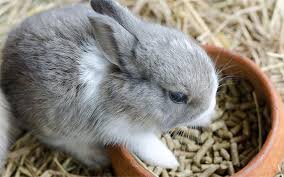
Rabbits Feed Formulation is the process of creating balanced diets to ensure their health. It involves selecting ingredients that provide essential nutrients. Proper feed formulations help maintain optimal growth, reproduction, and overall well-being.
Rabbits require a variety of nutrients, including proteins, carbohydrates, fats, and fiber. These ingredients should be chosen to meet their specific nutritional needs. Adjustments in the formulation depend on the rabbit’s age, breed, and health status.
When formulating rabbit feed, it’s essential to focus on natural and safe ingredients. This helps avoid complications related to nutritional imbalances. The goal is to create a diet that supports long-term health and productivity.
What is Feed Formulation?
Feed formulation is the process of combining ingredients in specific proportions to meet the nutritional needs of an animal. It ensures that animals get the right balance of nutrients for growth, reproduction, and health.
Formulating feed involves considering the animal’s age, activity level, and health condition. It also includes understanding how different ingredients interact and affect digestion. Proper formulation can prevent deficiencies or excesses of nutrients.
The purpose of feed formulation is to create a diet that maximizes animal performance while being cost-effective. This helps ensure that the animals grow efficiently and remain healthy with minimal waste or nutritional imbalances.
Importance of Proper Feed for Rabbits
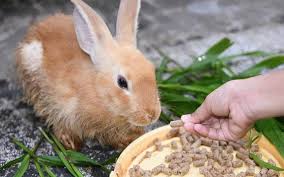
Proper feeding ensures rabbits receive the necessary nutrients for growth and reproduction. A balanced diet contributes to better health, improved immunity, and efficient digestion.
1. Health Maintenance: Proper feed formulation helps maintain rabbits’ overall health, reducing the risk of diseases.
2. Growth and Development: A balanced diet promotes healthy growth and ensures rabbits reach their full potential.
3. Reproductive Efficiency: Proper feeding ensures better reproductive success and healthier offspring.
4. Enhanced Immunity: Balanced nutrition boosts the rabbit’s immune system, reducing vulnerability to infections.
5. Digestive Health: Correct feed helps maintain a healthy digestive system, reducing gastrointestinal issues.
6. Improved Coat and Skin: Proper nutrients improve the quality of the rabbit’s coat and skin, making it shiny and healthy.
7. Weight Management: A well-balanced diet prevents obesity or malnutrition, ensuring optimal weight.
8. Longevity: Rabbits fed proper nutrition live longer and healthier lives.
9. Productivity: Proper feeding enhances the overall productivity of rabbits, especially in breeding.
10. Behavioral Well-Being: Balanced nutrition positively affects the rabbit’s mood, reducing stress and aggression.
Benefits of Formulating Feed for Rabbits at Home
Formulating rabbit feed at home offers several advantages, including controlling ingredients and costs. Home formulation allows for a more personalized and nutritious diet for your rabbits.
1. Cost-Effective: Homemade feed can reduce the cost of commercial feed, making it an affordable alternative.
2. Control Over Ingredients: You can select high-quality, natural ingredients that suit your rabbit’s needs.
3. Customization: Homemade feed allows you to adjust the formulation based on the age, health, or condition of the rabbit.
4. Avoid Additives: Homemade feed helps avoid harmful chemicals, preservatives, or unnecessary additives often found in commercial feeds.
5. Freshness: You can ensure the feed is fresh and free from contamination or spoilage.
6. Sustainable: Homemade feed can incorporate more sustainable ingredients, like fresh vegetables or forages.
7. Quality Assurance: You can monitor the feed’s preparation and ensure it’s safe and free from contamination.
Read Also: 12 Poultry Eggs Fascinating Facts you must know about
Nutritional Requirements of Rabbits
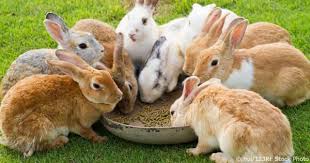
Rabbits need a well-balanced diet that includes fiber, proteins, carbohydrates, vitamins, and minerals. Fiber is essential for digestive health, while proteins support growth and repair. Carbohydrates provide energy.
In addition to basic nutrients, rabbits require specific vitamins and minerals to support bone health, immunity, and overall bodily functions. A lack of essential nutrients can lead to health problems such as obesity or digestive issues.
The nutritional needs of rabbits vary with their age, activity level, and health condition. Baby rabbits need more protein for growth, while adult rabbits need more fiber for digestion. Senior rabbits may require adjustments in their diet to manage health concerns.
Understanding the Nutritional Needs of Rabbits
Rabbits require high fiber and low-calcium diets to support optimal digestion and prevent urinary issues. Providing a mix of hay, vegetables, and pellets ensures the proper intake of essential nutrients.
Young rabbits need more protein to grow, while older rabbits may require adjustments to prevent obesity or kidney problems. Each stage of life has different nutritional demands, making proper feed formulation crucial.
It’s important to offer fresh water along with proper feed. Water is necessary for hydration, digestion, and overall metabolic processes. It should always be available and kept clean.
Key Nutrients: Proteins, Carbohydrates, Fats, Vitamins, and Minerals
The following are the key nutrients essential for rabbit health:
1. Proteins: Proteins are necessary for growth, tissue repair, and maintenance. They provide amino acids that help build muscle and support cellular function.
2. Carbohydrates: Carbs provide energy for rabbits, ensuring they remain active and healthy. They also aid in maintaining healthy gut bacteria.
3. Fats: Fats are important for energy storage, insulation, and cell function. However, rabbits need only small amounts of fats in their diet.
4. Vitamins: Vitamins such as A, D, and E are essential for vision, immune function, and overall health. They help maintain skin, coat, and bone health.
5. Minerals: Minerals like calcium and phosphorus support bone health and regulate various body functions, including nerve transmission and muscle contraction.
Nutritional Variations for Different Stages
Young rabbits require more protein and energy to support growth. High-quality pellets, fresh hay, and leafy greens are ideal during this stage.
Adult rabbits benefit from a high-fiber diet, focusing on hay and vegetables. Their protein needs are lower than during the growth stage.
Senior rabbits may need a diet with lower protein and higher fiber to prevent kidney problems and maintain healthy digestion. Specific dietary adjustments can support their aging bodies.
Ingredients for Rabbits Feed
Ingredients for rabbit feed must be carefully selected to meet their nutritional requirements. These include hay, fresh vegetables, and specific grains or legumes.
Hay is a staple for rabbit diets, providing essential fiber for digestion. Vegetables offer vitamins, minerals, and moisture, while grains and legumes supply proteins and carbohydrates.
Using a variety of natural ingredients ensures a balanced diet that supports optimal health and well-being.
Common Ingredients Used in Rabbits Feed
Here are some common ingredients used in rabbit feed:
1. Hay: Hay is the primary ingredient, providing fiber for digestion and preventing gastrointestinal issues.
2. Fresh Vegetables: Leafy greens, carrots, and other vegetables supply vitamins and minerals necessary for overall health.
3. Pellets: High-quality rabbit pellets provide concentrated nutrients such as proteins, vitamins, and minerals.
4. Oats: Oats are a good source of carbohydrates and fiber, giving rabbits energy and supporting digestive health.
5. Alfalfa: Alfalfa hay is rich in protein and calcium, suitable for young rabbits but should be limited for adults.
6. Timothy Hay: This type of hay is high in fiber and low in calcium, making it ideal for adult rabbits.
7. Fruits: Fruits like apples and berries offer antioxidants and extra nutrients but should be fed in moderation.
8. Herbs: Fresh herbs, such as parsley and basil, are packed with vitamins and can be offered as an occasional treat.
Sources of Energy, Protein, and Essential Nutrients
Rabbits need energy, proteins, and essential nutrients for optimal health. Below are the common sources:
1. Energy: Carbohydrates from hay, oats, and vegetables provide the necessary energy for active rabbits.
2. Protein: Legumes, such as alfalfa and clover, offer high-quality protein for growth and maintenance.
3. Essential Nutrients: Fresh vegetables, fruits, and herbs provide vitamins and minerals like Vitamin A and calcium for bone health.
Safe Additives and Supplements for Rabbits Feed
When formulating rabbit feed, it’s essential to include safe additives and supplements to promote health. Natural supplements can improve the feed’s nutritional value and support specific needs.
For example, adding probiotics can help maintain a healthy gut flora, supporting digestion. Similarly, herbal supplements like chamomile and mint can soothe and calm rabbits.
Before adding any supplement, consult with a veterinarian to ensure it’s appropriate for your rabbits’ health needs and avoid potential toxicity.
Formulating Balanced Feed for Rabbits
Formulating balanced feed for rabbits involves selecting ingredients that meet their specific nutritional needs. A combination of fiber-rich hay, fresh vegetables, and appropriate protein sources ensures overall health. Each component contributes to digestion, growth, and energy.
A balanced diet helps prevent common health issues in rabbits like obesity and digestive disorders. It also supports reproductive health and improves the quality of their coat and skin. The key is to maintain the right nutrient ratios.
Paying attention to nutritional ratios, including fiber, protein, and fat, is crucial when formulating feed. Consistently offering fresh water alongside a balanced diet enhances nutrient absorption, supporting long-term health and productivity.
Principles of Feed Formulation for Rabbits
Feed formulation for rabbits should prioritize fiber, followed by balanced protein, fat, and carbohydrates. High fiber content supports digestion and prevents gut problems. Protein is essential for growth and maintenance, while fats provide energy.
Another principle is using high-quality, natural ingredients. Avoiding additives, chemicals, and fillers ensures that the feed is nutritious and safe for rabbits. Fresh vegetables, fruits, and hay should form the bulk of their diet.
Seasonal adjustments are also important in feed formulation. As the rabbit’s nutritional requirements vary with age and health status, feed composition should be modified to meet changing needs, whether for young, adult, or senior rabbits.
Calculating Nutritional Ratios: Crude Protein, Energy, and Fiber
To calculate nutritional ratios, start with the crude protein content. Protein levels should be around 14-16% for adult rabbits, with higher levels for young rabbits. This supports muscle growth and tissue repair.
Energy comes from carbohydrates and fats, with energy content typically calculated in calories per unit of feed. Balancing energy levels ensures rabbits have enough fuel for daily activities without risking obesity.
Fiber is vital for digestion and gut health. High-fiber hay (around 18-24%) should be the primary ingredient in a rabbit’s diet. Fiber maintains a healthy digestive tract and prevents gastrointestinal disorders.
Simple Steps to Create a Balanced Feed Formula
Begin by identifying the rabbit’s nutritional needs based on age, weight, and health. Young rabbits require more protein, while adults need more fiber. Establish the proportions of key nutrients accordingly.
Next, select the ingredients that meet these requirements. Choose high-quality hay, fresh vegetables, legumes, and grains. Ensure the ratio of fiber, protein, and energy sources is balanced for the specific life stage.
Lastly, assess the feed’s quality by observing the rabbit’s health. Adjust the formula based on their body condition, activity levels, and any signs of deficiencies or excesses. Regular evaluation helps optimize the feed.
Read Also: Poultry Farming and Adverse Season as a Stressor
Homemade Feed Formulation Recipes

Creating homemade rabbit feed allows for full control over ingredients, ensuring better nutritional content. A balanced homemade formula can improve health, reduce costs, and minimize additives found in commercial feeds.
A simple recipe may include a base of high-fiber hay, a variety of fresh vegetables, and a small amount of pellets for protein. Some whole grains, like oats, can also be included for additional energy.
Homemade rabbit feed recipes can be adjusted based on the rabbit’s health needs. For example, older rabbits may require a formula with less protein and more fiber, while young rabbits need higher protein content for growth.
Starter Recipes for Rabbit Feed
For young rabbits, a starter recipe should include 18-20% protein to support growth. Combine alfalfa hay, high-protein pellets, and fresh vegetables like parsley or dandelion greens.
The recipe should be easy to digest, focusing on high-quality fiber and a sufficient energy source. Avoid excessive sugar or fat, which can lead to digestive issues.
Ensure fresh water is always available to complement the feed. Adding small amounts of fresh herbs, such as basil or cilantro, will enhance the flavor and provide additional vitamins.
Grower Feed Formulation Recipes
For grower rabbits, a diet with 14-16% protein supports healthy muscle development. Include high-fiber hay, moderate amounts of oats, and fresh greens like spinach and romaine lettuce.
This stage requires a well-balanced formula with adequate energy to support growth but not excessive fat. Avoid overfeeding starchy vegetables or fruits.
Introduce small quantities of timothy hay and clover as the primary fiber source. Ensure all ingredients are mixed well to provide consistency and prevent nutritional imbalances.
Layer Mash Recipes for Optimal Egg Production
Layer mash recipes focus on high calcium content, essential for healthy egg production. A combination of alfalfa hay, calcium-rich greens, and specific mineral supplements promotes optimal laying.
The recipe should include about 15-18% protein to support egg formation and energy production. Pellets containing essential minerals like calcium and phosphorus will further enhance egg production.
Provide fresh water and ensure the feed is free of excess sugars, which can affect egg quality. Consistency and balanced nutrition are key to maintaining high egg-laying performance.
Tools and Equipment for Feed Formulation
Formulating rabbit feed requires specialized tools and equipment to measure, mix, and store ingredients. These tools ensure consistency, accurate measurements, and prevent contamination.
A scale, measuring spoons, and mixing containers are essential for precise formulation. Additionally, having storage bins for grains and pellets ensures that ingredients stay fresh and safe from pests.
Investing in quality tools and equipment helps in producing feed efficiently. This reduces waste and guarantees that the nutrients are well-distributed, improving the rabbit’s health and productivity.
Essential Tools for Measuring and Mixing Ingredients
Here are eight essential tools for feed formulation:
1. Scale: A scale ensures precise measurements of ingredients for accurate nutritional ratios.
2. Measuring Spoons: These help measure small amounts of ingredients like vitamins or minerals.
3. Mixing Bowl: Large bowls are needed for blending ingredients thoroughly.
4. Sifter: A sifter ensures that dry ingredients are free from clumps and evenly distributed.
5. Mortar and Pestle: For grinding small amounts of herbs or grains into fine powders.
6. Measuring Cup: Used for measuring liquid ingredients or bulk ingredients like grains.
7. Thermometer: Ensures feed temperature is ideal for storage and preparation, preventing spoilage.
8. Stirring Rod: A long rod helps mix larger batches of feed uniformly.
Equipment for Grinding, Mixing, and Storing Feed
To create high-quality feed, specialized equipment is needed for grinding, mixing, and storing:
1. Grain Mill: For grinding grains like oats and barley into fine particles.
2. Feed Mixer: A commercial-grade mixer ensures thorough blending of ingredients.
3. Hammer Mill: Useful for grinding tough ingredients, such as dried herbs or hay.
4. Storage Bins: Airtight bins keep ingredients fresh and safe from pests and moisture.
5. Pellet Machine: Converts the mixed ingredients into pellet form, ensuring uniformity and consistency.
6. Hopper: Stores ingredients before mixing, allowing for smooth and continuous processing.
7. Feed Cart: Used for transporting mixed feed from preparation to storage or feeding areas.
8. Sealer: Seals bags or containers to store feed without contamination.
Setting Up a Small-Scale Feed Formulation Unit
Setting up a small-scale feed formulation unit requires space, organization, and the right equipment. Choose a location that is cool, dry, and free from contamination. Ensure there is ample space for ingredient storage.
The setup should include all essential equipment for measuring, mixing, and storing ingredients. Have containers or bins to segregate different ingredients based on type, such as grains, pellets, or supplements.
A well-organized system for feed formulation increases efficiency and reduces the risk of contamination. Proper sanitation practices should be maintained to ensure that the feed remains safe and nutritious for the rabbits.
Feeding Practices for Rabbits
Feeding practices for rabbits should focus on offering a balanced diet that includes plenty of fiber, primarily from hay. A variety of fresh vegetables and limited pellets should also be included to ensure proper nutrition.
Rabbits should be fed multiple times a day. Fresh hay should be available at all times, while vegetables and pellets can be provided twice a day. Fresh water should also be replenished daily.
It’s important to monitor your rabbit’s feeding habits regularly. Observing their eating patterns and weight helps ensure they are receiving the right amount of food, avoiding both underfeeding and overfeeding.
Daily Feeding Schedule for Rabbits
A consistent daily feeding schedule is essential for maintaining healthy rabbits. Provide fresh hay in unlimited amounts throughout the day, along with a portion of fresh vegetables and pellets.
Rabbits should be fed twice daily, ideally in the morning and evening. This ensures they get the nutrients they need while preventing overeating or spoilage of food.
Remember to clean and refill the water bowl or bottle daily. Proper hydration supports digestion and overall well-being, especially when feeding fibrous foods like hay.
Proper Quantities to Avoid Overfeeding or Underfeeding
Proper quantities depend on the rabbit’s age, weight, and activity level. Adult rabbits typically require 1 to 2 cups of vegetables per day, in addition to unlimited hay and a small amount of pellets.
Overfeeding, particularly with high-calcium hay or pellets, can lead to obesity or kidney problems. On the other hand, underfeeding can cause malnutrition and slow growth, especially in young rabbits.
Monitor your rabbit’s body condition regularly to ensure they are maintaining a healthy weight. Adjust portion sizes based on their activity and health status, consulting a vet if needed.
Tips for Ensuring Consistent Feed Intake
Ensure a consistent feed intake by maintaining a fixed feeding schedule and offering fresh food each day. Stale or uneaten food should be removed to encourage healthy eating habits.
Rabbits are creatures of habit, so a stable feeding routine helps ensure they get the nutrients they need. Offer a mix of hay, vegetables, and pellets to maintain variety and interest.
Place food and water in clean, accessible locations. Avoid overcrowding the feeding area, as this can stress the rabbit and decrease food intake.
Common Feed Formulation Mistakes and Solutions
One common mistake is using too much pellet feed and not enough hay. Rabbits need hay as the primary component of their diet for proper digestion, and insufficient fiber can lead to gut issues.
Another mistake is not considering individual rabbit needs, such as age or health conditions. Adjusting protein levels for young, adult, and senior rabbits ensures they receive the right nutrients for their stage of life.
Inconsistent feeding schedules can also cause health issues. Establishing a regular feeding routine helps rabbits thrive. Feed formulations should always be adapted to their specific requirements.
Avoiding Imbalanced Nutritional Content
An imbalanced diet, such as too much protein or too little fiber, can cause health problems like obesity or digestive issues. It’s crucial to maintain the right ratio of protein, fiber, and energy.
Overfeeding high-calcium foods, like alfalfa hay, to adult rabbits can lead to kidney problems. For adult rabbits, stick to lower-calcium hay such as timothy hay to maintain healthy urinary function.
Regularly review the nutritional content of the feed. Make adjustments as necessary, based on the rabbit’s health, age, and activity level, to avoid deficiencies or excesses in their diet.
Identifying Harmful Ingredients to Exclude
Avoid harmful ingredients like sugary fruits, processed grains, and artificial additives. These can cause obesity, digestive issues, and other health problems in rabbits. Stick to fresh, natural ingredients.
Certain seeds, nuts, and legumes may be high in fats, which can lead to digestive issues or obesity. Always check ingredient lists and avoid items not suited for rabbits’ digestive systems.
Be mindful of toxic plants, such as iceberg lettuce or potatoes, which should never be included in rabbit feed. Only offer safe vegetables and herbs that are suitable for their diet.
Troubleshooting Common Feeding Problems
If your rabbit isn’t eating, it could be a sign of illness or stress. Ensure the food is fresh and appealing, and check for any signs of discomfort or dental problems.
Overfeeding can lead to obesity, while underfeeding can cause malnutrition. Ensure portion sizes are appropriate for your rabbit’s size, age, and activity level.
If your rabbit refuses certain foods, it may be a sign of dietary imbalance. Consult a vet to evaluate their nutritional needs and make adjustments to their feed if necessary.
Cost Management in Feed Formulation
Cost management is crucial in feed formulation, especially for those feeding multiple rabbits. Balancing quality ingredients with affordability can help keep costs low without compromising nutritional value.
By buying ingredients in bulk and seeking local suppliers, you can save money on feed. Additionally, incorporating some homegrown vegetables can significantly reduce costs.
Consider making some of the feed yourself using locally available ingredients, which can lower costs while providing fresh, nutritious meals for your rabbits.
Reducing Feed Costs Without Compromising Quality
Reducing feed costs can be achieved by buying in bulk and choosing cost-effective, nutrient-dense ingredients. Opting for seasonal vegetables and purchasing hay directly from farmers can lower expenses.
Using a variety of natural ingredients allows you to avoid expensive commercial feed. Mixing your own pellets or offering hay-based mixes can help cut down on costs.
Ensure that nutrient requirements are met even when using cost-effective ingredients. Supplementing with vitamins and minerals may be necessary to maintain a balanced diet for your rabbits.
Sourcing Affordable Ingredients Locally
Sourcing ingredients locally can be an effective way to reduce feed costs. Visit local farms or markets to find affordable vegetables, hay, or grains that are fresh and readily available.
Look for local suppliers offering bulk quantities of essential ingredients. Many farmers or co-ops may sell hay, herbs, and grains at lower prices than retail stores.
Local sourcing ensures you have access to fresher ingredients, reducing the risk of spoilage and wastage. It also supports local agriculture, which is beneficial for the community.
Using By-Products Safely in Feed Formulation
Using by-products like vegetable trimmings or leftover grains can lower feed costs. However, be mindful of the nutritional value of these by-products, ensuring they meet your rabbit’s dietary needs.
It’s essential to verify that by-products do not contain harmful additives or chemicals. Only use natural, clean by-products that are safe and suitable for rabbits.
By incorporating by-products like carrot tops or leafy greens, you can create a more sustainable feeding practice. This reduces food waste and helps feed your rabbits with fresh, affordable ingredients.
Organic and Natural Feed Formulation for Rabbits
Organic and natural feed for rabbits focuses on using ingredients that are free from pesticides, chemicals, and synthetic additives. This ensures the diet is as close to the rabbit’s natural food sources as possible.
Choosing organic feed helps avoid exposure to harmful chemicals. It supports healthier rabbits by using natural ingredients like organic hay, vegetables, and grains. These components promote good digestion and overall well-being.
Organic feed formulation also contributes to a more sustainable environment. It reduces the ecological footprint and supports eco-friendly farming practices, making it a good choice for both rabbits and the planet.
Benefits of Organic Feed for Rabbits
Organic feed offers several advantages for rabbit health and sustainability. Here are five key benefits:
1. Healthier Diet: Organic ingredients are free from pesticides and chemicals, reducing the risk of health issues such as digestive problems or toxicity in rabbits.
2. Improved Digestion: Organic feed, especially high-fiber hay, supports healthy digestion and prevents gastrointestinal disorders, common in rabbits.
3. Higher Nutritional Value: Organic ingredients often retain more nutrients compared to conventional options, providing rabbits with better overall nutrition.
4. Environmentally Friendly: Organic farming methods are more sustainable, reducing the environmental impact of pesticide use and promoting biodiversity.
5. Better Quality of Life: Rabbits fed organic diets tend to be healthier, more energetic, and have longer lifespans due to the natural, chemical-free food they consume.
Natural Feed Ingredients and Additives
Natural feed ingredients such as fresh vegetables, grasses, and high-fiber hay form the backbone of a healthy rabbit diet. These ingredients provide essential vitamins, minerals, and fiber, which are vital for digestive health.
Herbal supplements, such as chamomile and dandelion, can also be included in natural feed formulations. These herbs offer additional health benefits, including aiding in digestion and calming the rabbit’s nervous system.
When adding natural additives, it’s important to ensure they are safe and suitable for rabbits. Avoid using unnecessary or harmful additives, focusing on natural, plant-based ingredients that enhance the feed’s nutritional profile.
How to Certify Your Feed as Organic
To certify your feed as organic, you must follow strict guidelines set by certifying agencies. This includes sourcing organic ingredients, avoiding synthetic chemicals, and ensuring the entire feed production process adheres to organic farming standards.
Certification requires documentation of ingredient sources, production methods, and consistent organic practices. Regular inspections and audits are conducted by certifying bodies to ensure compliance with organic standards.
Once certified, the feed can be marketed as organic. This provides reassurance to consumers about the quality and sustainability of the feed, while also helping producers gain trust within the market.
Health and Safety in Feed Formulation
Health and safety should be prioritized when formulating rabbit feed. Ensuring the feed is nutritionally balanced and free of harmful ingredients helps maintain the overall well-being of rabbits.
Quality control in feed formulation reduces the risk of contamination by harmful bacteria or pathogens. Maintaining cleanliness in the preparation process and ensuring proper storage methods safeguard rabbit health.
Regular checks for harmful chemicals or toxins in feed ingredients are essential. Conducting tests and sourcing ingredients from trusted suppliers ensures that feed is safe for rabbit consumption, preventing adverse effects on their health.
Ensuring Feed is Free from Contaminants and Toxins
To prevent contamination, it’s vital to source feed ingredients from trusted, reputable suppliers. Regular testing for pesticides, heavy metals, and other toxins helps ensure the feed remains safe for rabbits.
Proper handling and storage also play a key role in preventing contamination. Store ingredients in cool, dry places to avoid mold or bacterial growth, which can be harmful to rabbits.
Furthermore, using non-toxic additives and avoiding chemicals ensures that the feed is free from substances that could lead to long-term health issues, such as kidney damage or digestive disorders.
Storing Ingredients to Maintain Nutritional Value
Proper storage of feed ingredients is crucial for maintaining their nutritional value. Keep hay, grains, and vegetables in airtight containers to prevent oxidation, mold, and loss of vitamins.
Store ingredients in a cool, dry place to avoid exposure to humidity, which can affect the quality of the feed. Temperature control is key for preserving nutrients, particularly in natural feed components.
Regularly check stored ingredients for signs of spoilage. Discard any items that are moldy or have an off-smell, as these can cause digestive problems or illness in rabbits.
Preventing Disease Transmission Through Feed
Disease transmission through feed can be minimized by ensuring the ingredients are fresh, uncontaminated, and properly stored. Avoid using ingredients that are past their expiration or show signs of spoilage.
Contamination can also occur during the manufacturing or mixing process, so keeping the feed preparation area clean is essential. Regularly sanitize all tools and equipment used in feed formulation to reduce the risk of disease.
Lastly, consider using natural preservatives or food-safe additives to protect the feed from contamination. This helps maintain its freshness and reduces the likelihood of bacterial or fungal infections affecting the rabbits.
Innovations in Feed Formulation for Rabbits
Innovative feed formulations are focusing on enhancing rabbit health through better nutritional balance. These advancements include specialized blends of organic ingredients that cater to the unique dietary needs of rabbits at various life stages.
Another innovation is the use of customized feed blends, developed based on individual rabbit health assessments. Personalized nutrition helps address specific conditions, like obesity or digestive problems, offering more tailored solutions for optimal growth and wellness.
The development of nutrient-dense additives, such as probiotics and prebiotics, is also gaining attention. These ingredients support gut health, improve digestion, and boost immunity, making them a valuable addition to rabbit feed formulations.
Technology for Precision Feed Formulation
Technological advancements allow for precision feed formulation, ensuring that each rabbit gets the right mix of nutrients. Through data-driven insights, formulation can now be tailored to meet specific requirements, optimizing rabbit health and growth.
Automated systems use algorithms to calculate the ideal ratio of protein, fiber, and other nutrients based on a rabbit’s age, weight, and activity level. This reduces human error and ensures a more accurate feed mix.
Advanced monitoring systems also track how different feed formulas affect rabbit performance. Data collected from feeding trials can inform future feed formulations, improving nutritional outcomes and reducing waste.
Sustainable Feed Formulation Practices
Sustainable feed formulation practices aim to reduce the environmental impact of rabbit farming. Using locally sourced, organic ingredients helps minimize the carbon footprint, while reducing reliance on synthetic additives ensures a more eco-friendly production process.
Incorporating by-products, such as food scraps or leftover grains, into rabbit feed formulations not only reduces waste but also provides a cost-effective alternative to traditional ingredients, making the practice more sustainable.
Sustainability also includes packaging improvements. Many businesses are moving towards biodegradable or recyclable materials to reduce plastic waste, helping to ensure that the feed industry becomes more eco-conscious in the long run.
Scaling Up Feed Formulation as a Business
Scaling up rabbit feed formulation requires efficient production processes and strong demand. As the market for quality rabbit feed grows, businesses must invest in larger production facilities, better equipment, and skilled staff to meet consumer needs.
Effective supply chain management is also essential. Sourcing high-quality, cost-effective ingredients in bulk allows for greater efficiency and helps keep production costs low, ensuring competitive pricing while maintaining product quality.
As demand for specialized feed increases, businesses must stay adaptable, embracing new technologies and formulation techniques. This flexibility allows companies to remain competitive and continuously improve feed quality to meet evolving market demands.
How to Start a Commercial Rabbit Feed Formulation Business
Starting a commercial rabbit feed formulation business requires research and planning. Identifying the target market, understanding consumer preferences, and ensuring that feed formulas meet the nutritional needs of rabbits are crucial steps to success.
Once the business model is in place, securing suppliers for quality raw materials is necessary. Establish relationships with reputable sources for hay, grains, and other ingredients to ensure a steady supply of high-quality feed components.
Compliance with regulations is vital when starting a feed formulation business. Be aware of local and international standards regarding feed safety and quality, and apply these guidelines to ensure your product is safe and reliable.
Packaging and Marketing Your Feed Products
Packaging plays a vital role in attracting customers. Ensure your product is packaged in an appealing and functional way, such as using resealable bags that preserve feed freshness and promote ease of use for customers.
Marketing your feed products involves educating consumers about the benefits of your formulations, such as their high nutritional value or organic ingredients. Highlight these features in advertising materials to attract health-conscious rabbit owners.
Building a strong brand presence in the market requires consistent marketing efforts. Utilize social media, pet expos, and collaborations with veterinary professionals to reach a larger audience and increase awareness of your feed products.
Compliance with Regulatory Standards
Adhering to regulatory standards is essential for businesses in the animal feed industry. Ensure your feed formulations are compliant with both national and international regulations regarding ingredient quality, nutritional claims, and labeling.
To stay compliant, conduct regular audits of your production processes. This helps ensure that your feed meets safety and quality standards, which is crucial for building trust with consumers and avoiding legal issues.
By following proper certification processes and maintaining transparent practices, you can ensure that your feed products remain trustworthy and safe for rabbits, building a solid reputation in the market.
Bonus Tips for Efficient Feed Formulation
To improve feed formulation efficiency, it’s important to regularly assess the nutritional needs of your rabbits. Monitoring their health and adjusting feed ratios based on their growth and activity levels helps maintain optimal performance.
Investing in high-quality ingredients is a key factor in feed formulation success. Avoid cutting corners on essential nutrients, as this can compromise the health of your rabbits and, in turn, the overall effectiveness of your feed.
Staying updated on industry trends, new research, and emerging ingredients helps ensure that your feed formulations remain innovative and relevant. Constant learning and adaptation lead to long-term business success.
Record-Keeping for Feed Efficiency
Maintaining accurate records of feed formulations, ingredient sources, and nutritional content is essential for tracking feed quality. This helps ensure consistency and makes it easier to adjust formulations as needed based on performance data.
Track the feed intake and growth rates of rabbits regularly. This information will help fine-tune the feed formulation process to meet the specific needs of your animals, ensuring that they stay healthy and productive.
Documenting customer feedback and reviews can also offer valuable insights into your product’s effectiveness. Use this data to improve your formulations and address any concerns or preferences your customers may have.
Monitoring Egg Production and Feed Conversion Ratio (FCR)
Regularly monitor egg production if your rabbits are breeding. Feed adjustments may be needed to optimize production. A well-balanced diet is key to achieving consistent and high-quality egg yields.
Feed Conversion Ratio (FCR) is a useful metric to assess how efficiently rabbits are converting feed into body weight. Lower FCR indicates that the feed is being utilized effectively, which can improve overall farm productivity.
Tracking both egg production and FCR allows you to assess the overall effectiveness of your feed formulations. By adjusting nutrient ratios and ingredients, you can improve both production and feed efficiency over time.
Key Resources and Tools for Beginners
For beginners in feed formulation, a good understanding of rabbit nutrition is essential. Educational resources such as books, online courses, and workshops will provide foundational knowledge of the nutritional requirements of rabbits.
Investing in quality tools, such as digital scales and mixers, is crucial for measuring and mixing ingredients accurately. Precision in feed formulation ensures that rabbits receive the correct amounts of nutrients.
Starting with a small-scale setup and gradually expanding is advisable. Begin by experimenting with different formulations and monitor the results closely to refine your approach before scaling up.
Do you have any questions, suggestions, or contributions? If so, please feel free to use the comment box below to share your thoughts. We also encourage you to kindly share this information with others who might benefit from it. Since we can’t reach everyone at once, we truly appreciate your help in spreading the word. Thank you so much for your support and for sharing!