


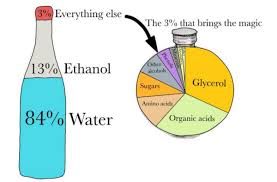
The subject of wine is quite interesting. Apart from its flavor, its structure is also important. The structure of wine has to do with the components that make up a wine, which in turn affect the drinkability and longevity of the wine. An appreciation of the balance of these components will go a long way in enhancing the understanding and enjoyment of wine.
Read Also: Order Lagomorpha: Species, Characteristics and their Economic Importance
Key Components of Wine
1. Tannins: Structure and Preservation in Wine
The tannins in wine are derived from the pips, skins, and stalks. They are vitally important if a wine is intended to age, as they are a natural preservative. The tannins give structure and backbone to the wine.
They can be sensed by a furring of the mouth, or puckering of the gums, a sensation very similar to what happens on drinking stewed tea. This is not surprising, as this effect is also due to tannins, released from the tea leaves after stewing in the hot water for too long. Tannins are of more importance in the ageing of red wines rather than white.
The tannins act as a preservative, and as they fade over many years, the simple, primary fruit flavors have time to develop into the more complex flavors that are found in fine, aged wines. An ideal level of tannins in a wine ready for consumption is the amount just sufficient to provide structure and not dominate the palate.
For this reason, tannins are still important in red wines not intended for long ageing, as they give grip or structure to these wines also. Tannins may also have different qualities and may be described as harsh or soft.
2. Acidity: Balancing Refreshment and Flavor in Wine
All fruit requires acidity, be it an apple, lemon, mango, or grape. Acidity is what gives fruit its refreshing flavor and some sensation. Without acidity, fruit would seem overly sweet and cloying, a little like the sensation derived from drinking the sugary fruit syrup in which some canned fruit is presented.
Just like fruit, wine also requires acidity. Too little, and it will seem dull, flabby, or perhaps cloying, particularly if it is a sweet wine. Too much, and the wine will be sharp, harsh, and undrinkable. Acidity can be detected by the sharpness of the wine in the mouth, particularly around the edges of the tongue near the front.
Some acids, such as acetic acid, are known as volatile acids, and in small amounts, these can really lift the flavors in the wine. Too much acidity will cause the wine to resemble furniture polish, acetone, or even vinegar.
Higher acidity denotes a wine from a cooler region, such as Northern France, England, or New Zealand. Low acid wines come from countries with warmer weather, such as Australia, where acidity in the harvested grapes is often low enough to warrant chemical acidification.
3. Alcohol: The Fermentation Product Defining Wine
Alcohol is the product of fermentation of the natural grape sugars by yeasts, and without it, wine simply does not exist. The amount of sugar in the grapes determines what the final alcohol level will be. In cool climates, such as Germany, where the vines struggle to ripen their grapes, sugar levels will be minimal, and consequently, such wines often only reach seven or eight percent strength.
In very warm climates, however, the final alcohol level will be determined not so much by the amount of sugar but rather by the yeasts themselves. Once the alcohol level reaches about 14 percent, the yeasts can no longer function and rapidly die off. For this reason, wines with a strength of more than 15 percent are almost certainly fortified.
The conversion of sugar to alcohol is such a vital step in the process of making wine. Hence, the control of fermentation is given much attention by the modern winemaker. Fermentation generates heat, and a cool, controlled fermentation will result in very different flavors in the wine (in particular, it protects fresh, delicate fruit flavors) when compared with wines where fermentation is allowed to run riot.
Although fermentation will start naturally as a result of yeasts naturally present on the grapes in the vineyard, some winemakers prefer to remove the element of chance this involves by kick-starting fermentation using cultured strains of yeast.
This use of cultured yeast strains could also cause problems. They have been blamed for some unusual characteristics in wine, such as banana flavors in some wines.
Read Also: Order Lagomorpha: Species, Characteristics and their Economic Importance
4. Sugar: Residual Sweetness in Wine
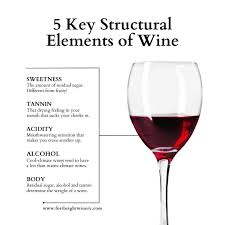
If fermentation is arrested, either as a result of the yeasts failing in gradually increasing alcohol level in the ferment or as a result of human intervention, there will consequently be some remaining sugar in the wine. Even when the work of yeast is unhindered, most wines still have at least 1g/L of residual sugar.
This is because some sugar compounds are resistant to the action of the yeasts. Clearly, the level of sugar in the wine determines how sweet it tastes. This is quite subjective, however, as even wines that taste very dry have some degree of residual sugar.
Most dry wines have less than 2g/L of sugar, although levels of up to 25g/L may be present in wines that still taste dry due to the presence of acidity and tannin alongside the sugar. The bottom line remains that the greater the amount of residual sugar, the sweeter the wine.
5. Oak: Enhancing Wine with Distinct Aromas
Many wines are matured in oak barrels, and some are even fermented in oak. Oak from different sources will impart different characteristics on the wine. Generally, oak maturation gives aromas of butter, toffee, caramel, vanilla, spice, and butterscotch. French oak may give more buttery aromas, whereas American oak gives stronger vanilla and spice aromas.
However, the aromas most times depend on how much oak is used, how much of it is new as opposed to reused, how long the wine stays in contact with the wood, whether the wine is merely aged in oak or whether the fermentation takes place in it, how the oak has been treated, and so on.
For instance, barrels that have been “toasted” will have aromas of smoke and toast. Barrels that have been steamed during manufacture, however, may give more oatmeal aromas.
6. Botrytis: Noble Rot and Its Role in Sweet Wines
The result of the fungus Botrytis cinerea “Noble Rot” has a peculiarly beneficial effect on the grapes. It tends to occur in vineyards next to large bodies of water, where morning mists dampen the grapes in the morning. Such locations include Sauternes in Bordeaux and around the Neusiedlersee in Austria.
Following this, the mists are burnt from the ground by the afternoon sun. In conditions that are too damp, where the mists persist all day, the grapes are much more likely to be affected by Grey Rot, a destructive fungal infection.
Grapes affected by Botrytis look terrible, discolored, and shriveled, but they are the starting point for making some fabulous wines. The Botrytis has the effect of reducing water content in the grapes, concentrating the grape sugars. The wine that results has a rich, luscious texture, with sweet, concentrated fruit flavors.
7. Yeast: Contributing to Wine’s Flavor and Texture
In many wines, the yeasts themselves are the cause of certain flavors. When a wine has completed fermentation, it remains cloudy and contaminated with dead yeast cells. Many different techniques are employed to clarify the wine from its lees (the collection of dead yeasts).
Wines that remain on the lees for a long time, however, will take on extra richness and texture, with bready, biscuit aromas (and flavors). This technique is employed to add an extra dimension to many Champagnes, as well as Muscadet, white Burgundy, and many other white wines. Some vignerons practice batonnage (stirring of the lees) in order to accentuate this effect.
8. Flavor: The Role of Grape Variety in Wine
After the assessment of all the components present in wine, it is still necessary to examine the flavors that are present in the wine. In young wines, at least, the flavor is directly related to the grape variety used.
Frequently Asked Questions (FAQs)
- What are the main components that contribute to the structure of wine?
The main components include tannins, acidity, alcohol, sugar, oak, Botrytis, yeast, and flavor, each affecting the wine’s drinkability, longevity, and sensory profile. - How do tannins influence the aging process of wine?
Tannins, derived from pips, skins, and stalks, act as natural preservatives, providing structure and allowing primary fruit flavors to develop into complex flavors in aged red wines. - Why is acidity important in wine, and how does it vary by region?
Acidity gives wine its refreshing quality, preventing it from being dull or cloying. Higher acidity is found in cooler regions like Northern France, while warmer regions like Australia may require chemical acidification. - How does alcohol content in wine relate to fermentation?
Alcohol is produced by yeast fermenting grape sugars, with levels determined by sugar content in cooler climates (7-8%) or yeast limits in warmer climates (up to 14%), with fortified wines exceeding 15%. - What role does residual sugar play in the taste of wine?
Residual sugar, left after fermentation, determines sweetness. Dry wines have less than 2g/L, but up to 25g/L can taste dry due to acidity and tannins, with higher levels making wine sweeter. - How does oak maturation affect the flavor of wine?
Oak maturation imparts aromas like butter, toffee, caramel, vanilla, or spice, varying by oak type (French or American), treatment (toasted or steamed), and duration of contact or fermentation. - What is the effect of Botrytis cinerea, or Noble Rot, on wine production?
Botrytis cinerea reduces water content in grapes, concentrating sugars and producing rich, sweet wines with luscious textures, as seen in regions like Sauternes and Neusiedlersee. - How do yeasts contribute to the flavor and texture of wine?
Yeasts, especially when left on lees, add richness and bready, biscuit aromas. Techniques like batonnage enhance these effects in wines like Champagne, Muscadet, and white Burgundy.
Do you have any questions, suggestions, or contributions? If so, please feel free to use the comment box below to share your thoughts. We also encourage you to kindly share this information with others who might benefit from it. Since we can’t reach everyone at once, we truly appreciate your help in spreading the word. Thank you so much for your support and for sharing!