


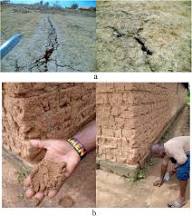
Nigerian soils are a mixture of different components: rocks, minerals, and dead, decaying plants and animals. Soil can be very different from one location to another, but generally consists of organic and inorganic materials, water, and air.
Together with physiography, it constitutes the most observable element of the landscape. Soil characteristics express and reflect environmental conditions, particularly climate.
A fertile soil must supply adequate nutrients, be in good physical condition, and hold enough water so that the nutrients in the soil are available for plant uptake.
Read Also: Pests of Stored Products and Damages Caused
Influence of Climate and Vegetation on Nigerian Soils
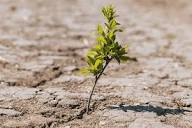
Broadly speaking, the natural vegetation over a geographical area is essentially a response to the climate in that area. Nigeria’s vegetation belts reflect this very close link between vegetation and climate. Hence, the similarity in the west-to-east zonation of both climate and vegetation.
With the south-to-north progressive decline in total rainfall and length of wet season, vegetation belts are demarcated in a west-to-east zonation pattern characterized by transitional zones from one belt to another, influenced by soil type.
Nigeria has two broad belts of vegetation types, namely, the forest and savannah types. There is, however, also the mountain vegetation of the isolated high plateau regions in the central and far eastern parts of the country. Generally speaking, the physical properties of Nigerian soil deteriorate while the chemical properties follow a reverse pattern.
Read Also: Ruminant Animals: A Comprehensive Guide
Structure and Composition of Soil
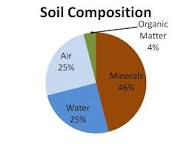
Soil is a layer of natural materials on the earth’s surface containing both organic and inorganic materials and capable of supporting plant life. The material covers the earth’s surface in a thin layer. It may be covered by water, or it may be exposed to the atmosphere.
Soil contains four main components: inorganic material, organic matter, water, and air. Ideal soil should contain about 50% solid material and 50% pore space. About half of the pore space should contain water, and half of the space should contain air.
Inorganic material consists of rock slowly broken down into small particles. The organic material is made up of dead plants and animals in varying stages of decay. The percentages of the four main soil components vary depending on the kind of vegetation, amount of mechanical compaction, and the amount of soil water present.
A fertile soil must supply adequate nutrients, be in good physical condition, and hold enough water so that the nutrients in the soil are available for plant uptake.
Do you have any questions, suggestions, or contributions? If so, please feel free to use the comment box below to share your thoughts. We also encourage you to kindly share this information with others who might benefit from it. Since we can’t reach everyone at once, we truly appreciate your help in spreading the word. Thank you so much for your support and for sharing!