


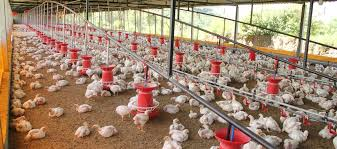
Building a poultry house is one of the most important decisions you will make as a poultry farmer. The structure you create determines whether your birds thrive or struggle. It affects disease rates, production levels, feed efficiency, and ultimately your profit margins. Get the housing wrong, and every other aspect of your operation suffers.
The purpose of constructing a poultry house is straightforward. You need to protect your birds from predators like dogs, cats, snakes, and rats. You need to keep out pests that eat valuable feed and spread disease. And you need to create an environment where birds can grow, produce eggs, and stay healthy without constant stress.
Many new farmers underestimate how much housing matters. They focus on breed selection, feed quality, and vaccination programs while ignoring the fact that their birds are living in poorly ventilated, overcrowded, or badly positioned structures. Then they wonder why disease keeps spreading, why egg production drops, or why mortality rates stay high.
The poultry farming business has empowered many entrepreneurs because of how profitable it can be. It is also relatively easy to start, especially on a smaller scale and from a good location. But there are real challenges. One of the biggest is setting up a proper housing system that meets the needs of your birds without breaking your budget.
A good poultry house has certain essential features regardless of size or materials used. These include a watertight roof, good ventilation without cold drafts, surfaces that are easy to clean, adequate floor space, ratproof construction, and a well-chosen location. Miss any of these, and problems follow quickly.
Poultry farmers must also be aware of broader concerns. Environmental issues like water quality, odors, flies, and soil phosphorus levels matter. Nearby neighbors, churches, parks, and businesses matter. Laws and regulations that affect farming operations matter. Building a poultry house is not just about the structure itself. It is about fitting that structure into a larger context that keeps everyone happy and keeps you in business.
This guide walks through the essential considerations for constructing a poultry house. You will learn what features matter most, how to position your building, what space requirements different birds need, and what mistakes to avoid. Whether you are building your first small coop or planning a commercial operation, these principles apply.
Read Also: The Nutritional Requirements and Deficiency Symptoms for Poultry Chickens
1. Basic Requirements for the Poultry House
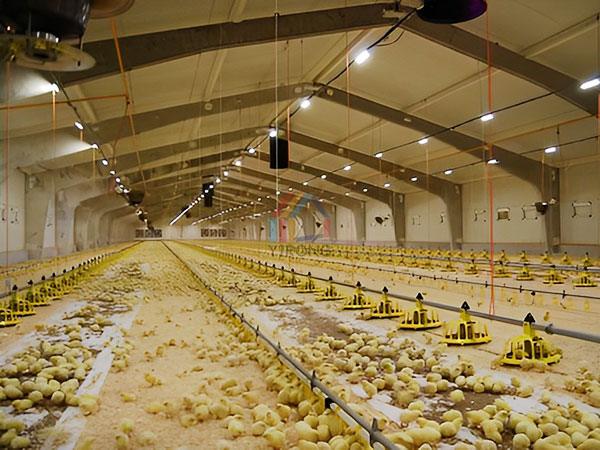
Every poultry house must meet certain minimum standards. These are not optional features. They are essentials that determine whether your housing system works or fails.
A. Rain Proof Construction
The roof must keep rain out completely. Wet birds get sick. Wet litter breeds disease. Water leaking into the house creates conditions where bacteria and parasites thrive. A watertight roof is the first requirement of any poultry house.
B. Sun Protection
Birds need protection from direct sunlight. Too much sun exposure stresses birds, raises internal temperatures, and reduces production. The house design should prevent direct sunlight from entering while still allowing adequate natural light.
C. Flood Prevention
The site and structure must not be subject to flooding. Even minor flooding brings disease, destroys litter, stresses birds, and can cause mass mortality. Choose elevated ground and ensure proper drainage around the building.
D. Wild Bird Exclusion
Wild birds carry diseases that can devastate domestic flocks. The house must prevent wild birds from entering. This means secure walls, proper screening, and attention to any gaps or openings where birds might get in.
E. Adequate Space
Overcrowding is one of the most common mistakes in poultry farming. Birds need enough space to move, feed, and rest without constant competition. Specific space requirements are covered in detail below.
F. Easy Cleaning
You will clean this house regularly. Surfaces should be smooth and accessible. Corners that trap dirt, rough surfaces that harbor bacteria, and hard-to-reach areas make sanitation difficult and disease control nearly impossible.
G. Security
A solid door with a lock protects your investment from thieves and large predators. This is especially important in areas where poultry theft is common.
2. Positioning of the Poultry House
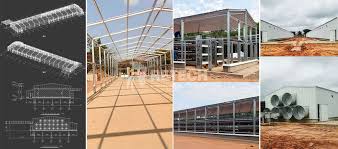
Where you place your poultry house matters as much as how you build it.
A. Wind and Rain Protection
Position the house to protect birds from prevailing winds and rain storms. In areas with strong seasonal winds or monsoons, orient the building to minimize exposure. A solid wall facing the prevailing wind direction helps.
B. Sunlight Management
Prevent direct sunlight from entering the house and stressing birds. Proper orientation reduces heat buildup during hot weather. The long axis should generally run east to west to minimize direct sun exposure through side walls.
C. Drainage Considerations
Good drainage around the house protects it from flooding and keeps the surrounding area dry. Slope the ground away from the building. Ensure rainwater from the roof flows away from the structure.
D. Ventilation and Cooling
In warm climates, position the house to take advantage of prevailing breezes for natural cooling. But avoid locations where strong winds create drafts that chill birds or blow rain into the structure.

3. Structural Design Features
The physical structure must meet specific requirements for functionality and bird welfare.
A. Roof Design
The house should have a roof with a steep slope to allow rainwater to run off quickly. A good overhang protects walls and prevents rain from blowing into the structure. The roof should extend at least 3 feet beyond the walls.
B. Height Requirements
The house should be at least 1.8 to 2.0 meters high so a person can stand upright. This makes daily management easier and improves air circulation. Adequate height reduces ammonia buildup and heat stress.
C. Flooring Options
Solid floors are easier to clean but require regular litter management. Slatted floors allow excreta to fall through, eliminating the need for litter. If using slats, space them 2 to 2.5 cm apart for adult birds. This allows droppings to fall through while preventing foot injuries.
4. Floor Space Requirements
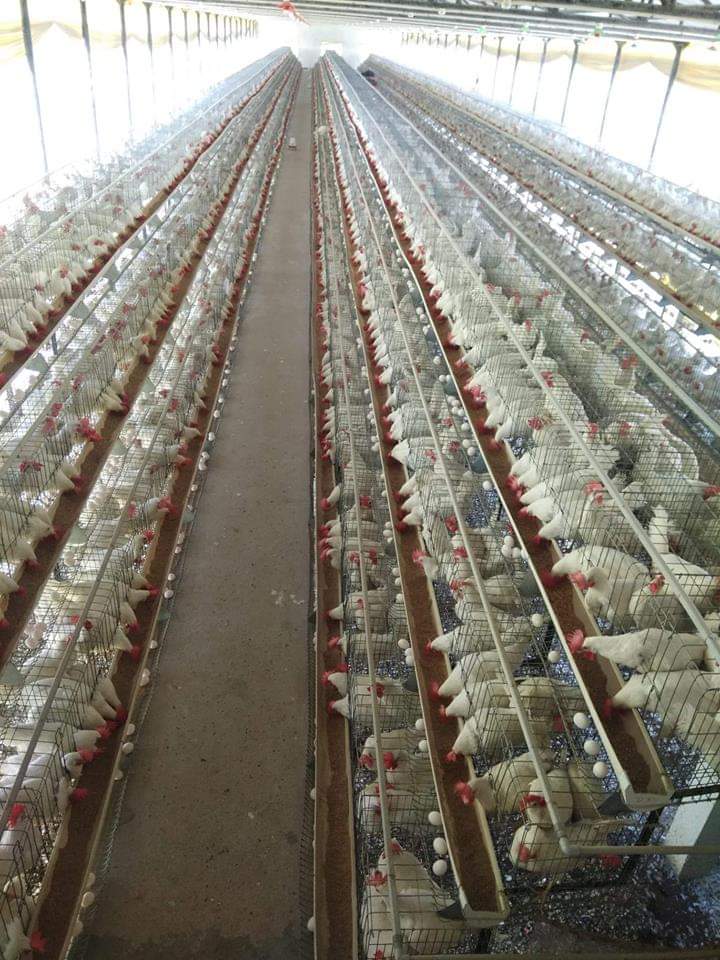
Do not overcrowd your chickens. Specific space requirements vary by age and production type.
A. Young Chickens (0-6 Weeks Old)
i. Stocking density: 10 to 12 birds per square meter
ii. Example: Floor size 5m x 2m holds 100 birds
B. Pullets (Up to 16 Weeks Old)
i. Stocking density: 5 to 7 birds per square meter
ii. Example: Floor size 2m x 2m holds 25 birds
C. Laying Hens
i. Stocking density: 5 birds per square meter
ii. Example: Floor size 5m x 2m holds 25 hens
D. Caged Layers
i. Stocking density: 12 to 15 birds per square meter
ii. Cage size for 3 hens: 40 cm long x 30 cm wide x 45 cm high
iii. Cage size for 5 hens: 50 cm long x 30 cm wide x 45 cm high
Read Also: Layers or Broilers which One is More Profitable in Poultry Farming? Find Out!
5. Poultry House Site Requirements
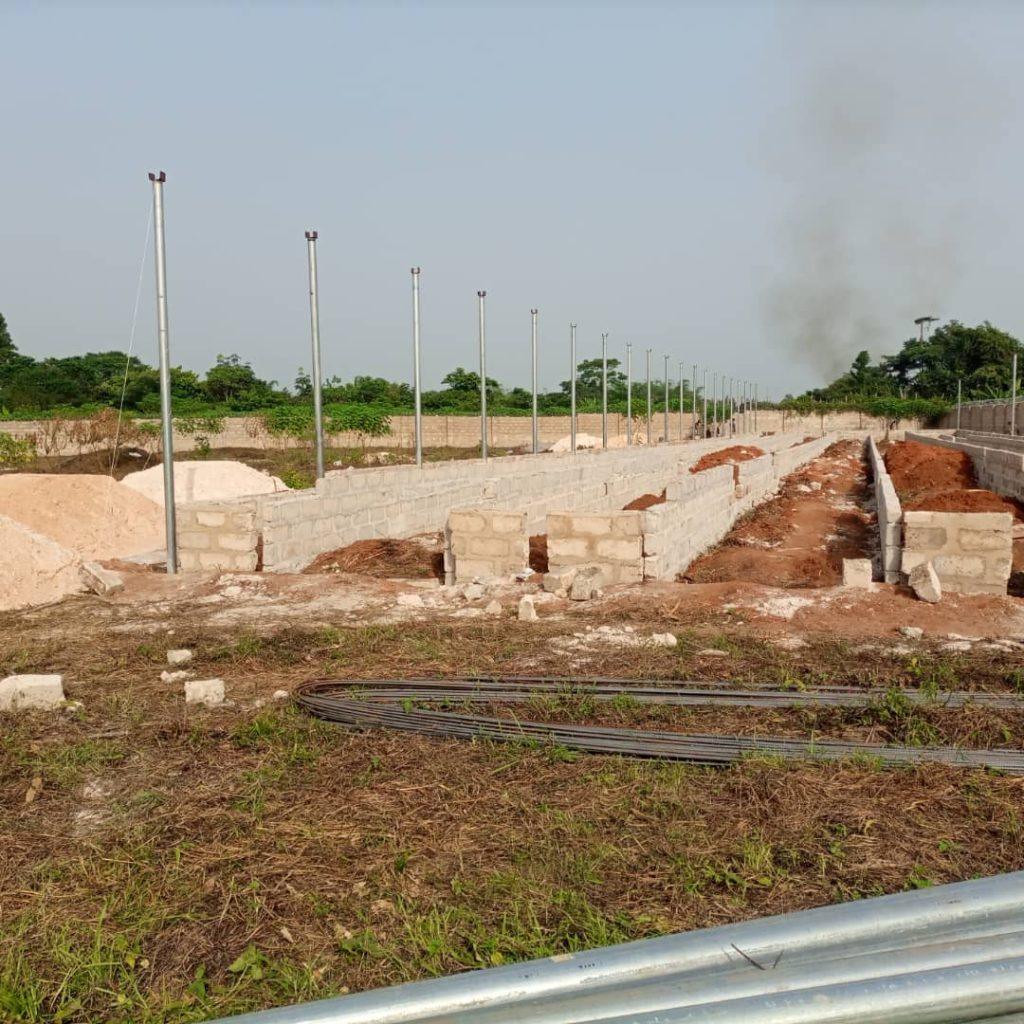
Sometimes you have no choice where to put a chicken house. But when you do have options, choose carefully.
A. Well-Drained Land
The site must not be subject to flooding. This is especially critical for deep litter systems where wet litter creates serious health problems. Choose elevated ground with natural drainage.
B. Visibility and Distance
Build within sight of your home for security and easy monitoring. But keep enough distance from other buildings to allow good ventilation. At least 10 meters from other structures is minimum.
C. Access to Clean Water
The poultry house must be near a source of clean water. Daily water needs are high, and hauling water long distances is not practical for most operations.
D. Wind Protection
In areas of high winds, protect the site with a hill, stand of trees, or other windbreak. A solid wall facing the prevailing monsoon or rain direction may be necessary in exposed locations.
E. Disease Prevention
Keep well away from other chicken houses to reduce disease spread. An absolute minimum spacing between houses is 10 meters, but more is better. Separate operations by at least 100 meters if possible.
F. Shade in Hot Climates
In hot climates, place the house under tall shade trees such as coconuts. This protects from sun while allowing air circulation. Bushy trees that block ventilation will not work.
G. Noise Reduction
Build away from roads, work areas, and other noisy places. Constant disturbances stress birds and reduce production. Quiet locations produce better results.
Summary on Considerations in Constructing a Poultry House
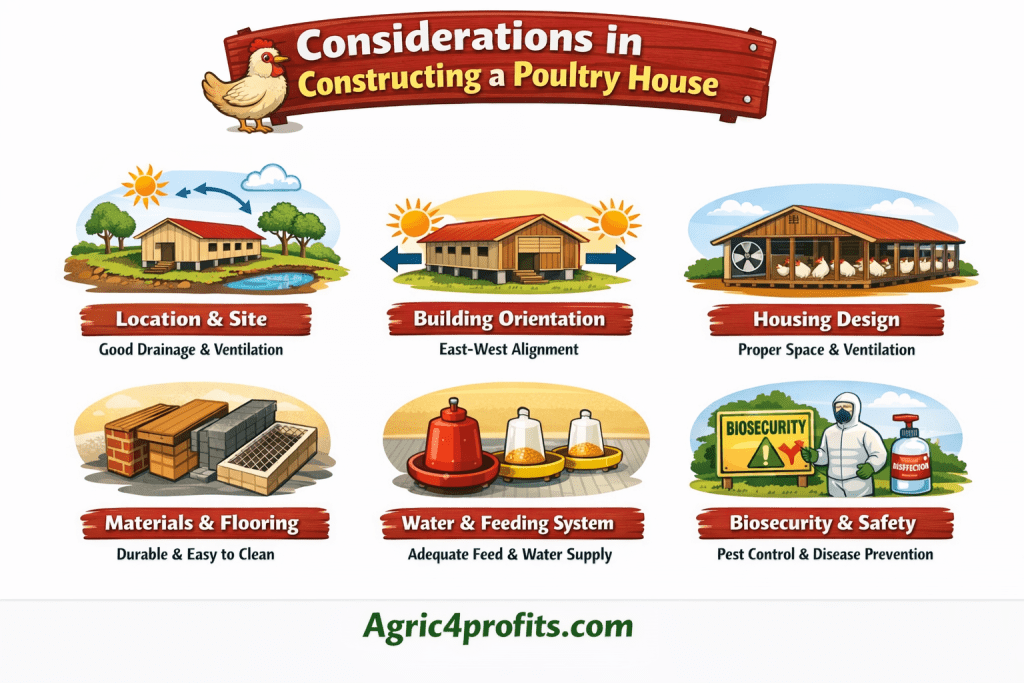
| Aspect | Key Points |
|---|---|
| Primary Purpose | Protect birds from predators (dogs, cats, snakes, rats), keep out pests, prevent disease transmission |
| Essential Features | Watertight roof, good ventilation without drafts, easy-to-clean surfaces, adequate floor space, ratproof construction, well-chosen location |
| Roof Requirements | Steep slope for water runoff, good overhang (minimum 3 feet), protects walls from rain |
| Height Standards | Minimum 1.8-2.0 meters for standing upright, improves air circulation, reduces ammonia buildup |
| Young Chickens (0-6 weeks) | 10-12 birds per square meter, 5m x 2m floor for 100 birds |
| Pullets (to 16 weeks) | 5-7 birds per square meter, 2m x 2m floor for 25 birds |
| Laying Hens | 5 birds per square meter, 5m x 2m floor for 25 hens |
| Caged Layers | 12-15 birds per square meter, cage sizes vary by bird count |
| Cage Dimensions (3 hens) | 40 cm long x 30 cm wide x 45 cm high |
| Cage Dimensions (5 hens) | 50 cm long x 30 cm wide x 45 cm high |
| Slatted Floor Spacing | 2-2.5 cm wide for adult birds, allows droppings through, prevents foot injuries |
| Site Drainage | Must not be subject to flooding, especially critical for deep litter systems |
| Distance from Other Buildings | Minimum 10 meters for ventilation, more is better |
| Distance Between Poultry Houses | Minimum 10 meters to reduce disease spread, 100 meters ideal |
| Orientation | Long axis east-west to minimize direct sun exposure, position to use prevailing breezes |
| Water Source | Must be near clean water source, daily needs are high |
| Wind Protection | Use hills, trees, or windbreaks in high wind areas, solid wall for monsoon direction |
| Shade Requirements | Use tall trees in hot climates, avoid bushy trees that block ventilation |
| Noise Management | Build away from roads and work areas to reduce stress and improve production |
| Security Features | Solid door with lock, protects from theft and large predators |
Frequently Asked Questions About Constructing a Poultry House
1. What is the most important feature of a poultry house?
A watertight roof is the most critical feature. Wet birds get sick, wet litter breeds disease, and water inside the house creates perfect conditions for bacteria and parasites. Without a properly sealed roof that keeps rain out completely, every other feature of your poultry house becomes less effective.
2. How much space do I need for 100 chickens?
For young chickens aged 0 to 6 weeks, you need approximately 10 square meters (5m x 2m floor size) for 100 birds. This gives a stocking density of 10 to 12 birds per square meter. As birds grow older, space requirements increase significantly and you will need to reduce the number of birds per square meter.
3. Can I build a poultry house under trees?
Yes, but choose the right trees. In hot climates, tall trees like coconuts provide excellent shade while allowing air circulation underneath. Avoid bushy trees that block ventilation. Good air flow is essential for bird health, so the canopy should be high enough that air moves freely beneath it.
4. How far should my poultry house be from other buildings?
Your poultry house should be at least 10 meters from other structures to ensure good ventilation. For disease control, maintain at least 10 meters between separate poultry houses, though more distance is better. If possible, keep different poultry operations at least 100 meters apart.
5. What type of flooring is best for a poultry house?
Both solid floors and slatted floors have advantages. Solid floors are easier to clean but require regular litter management. Slatted floors allow droppings to fall through, eliminating litter needs and keeping birds cleaner. If using slats, space them 2 to 2.5 cm apart for adult birds to prevent foot injuries while allowing waste to fall through.
6. How high should a poultry house be?
The minimum height is 1.8 to 2.0 meters so a person can stand upright inside. This makes daily management much easier and improves air circulation. Better air circulation reduces ammonia buildup from droppings and helps control heat stress during warm weather.
7. Which direction should my poultry house face?
Position the long axis of your house running east to west. This orientation minimizes direct sunlight entering through side walls, which reduces heat stress. Also consider prevailing wind direction to maximize natural cooling in hot weather while protecting birds from cold winds during cooler periods.
8. How do I prevent flooding around my poultry house?
Choose well-drained land that is not in a low-lying area. Slope the ground away from the building in all directions. Ensure roof water drains away from the structure through gutters or by extending the roof overhang far enough. This is especially important for deep litter systems where wet litter causes serious health problems.
9. What is the minimum distance between my poultry house and my neighbors?
While 10 meters is the technical minimum for disease control between your own buildings, distance from neighbors depends more on local regulations and relationships. Consider odors, noise, and flies when choosing your location. More distance is always better for maintaining good neighbor relations and avoiding complaints about your operation.
10. Do I need a lock on my poultry house?
Yes. A solid door with a lock is essential. It protects your investment from theft, which is common in many areas. It also keeps out large predators that might try to enter during the night. The cost of a good lock is minimal compared to the value of the birds inside and the time you have invested in raising them.
Do you have any questions, suggestions, or contributions? If so, please feel free to use the comment box below to share your thoughts. We also encourage you to kindly share this information with others who might benefit from it. Since we can’t reach everyone at once, we truly appreciate your help in spreading the word. Thank you very much for your support and for sharing!
Read Also: How to Make an Avocado Tree Bear Fruit