


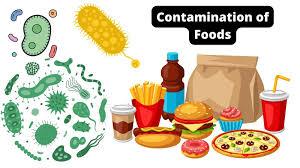
Food contamination is a serious concern, as it poses significant health risks. Food contamination refers to the introduction or occurrence of a contaminant in food. A contaminant is any biological or chemical agent, foreign matter, or other substance unintentionally added to food that may compromise its safety or suitability.
Among these contaminants are biological, chemical, or physical agents with the potential to cause adverse health effects. Contaminated foods may also be regarded as spoiled due to microorganisms that render them unfit for consumption.
In the previous article, important microbial species in food spoilage, the types of food they spoil, their spoilage activities, and the role of enzymes in food spoilage were discussed.
In this article, food contamination is explored, including its definition, types of food contaminants, events that cause contamination, and bacterial contamination of food.
Types of Food Contaminants
Food contaminants are divided into three categories: biological, chemical, and physical or foreign material.
1. Biological Contamination: This occurs when bacteria, fungi, or other harmful microorganisms contaminate food. It is a common cause of food poisoning, food spoilage, and foodborne illness. Although all foods can harbor dangerous pathogens, some foods are more vulnerable to biological contamination than others.
2. Chemical Contamination: This refers to food contaminated by chemical substances. Common sources include agrochemicals, kitchen equipment, unwashed fruits and vegetables, and food containers made from non-food-safe plastics.
3. Physical Contamination: This takes place when physical objects enter food. Common sources include metals, glass, hair, fingernails, pests, jewelry, and dirt.
Read Also: Growing Guide and Health Benefits of Rosemary Spice
Sources of Food Contamination
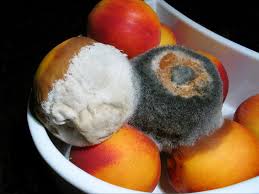
There are two primary sources of contaminants:
i. Natural Contaminants: These are unintentionally present in food and include bacteria, molds, fungi, metals, and hair.
ii. Intentionally Introduced Contaminants: These include food additives, veterinary drugs, and pesticides.
This article focuses on natural contaminants.
Factors Contributing to Food Contamination
1. Food Production and Environmental Factors
i. Food Production: The use of chemicals, fertilizers, and manures during food production has the potential to contaminate food as it is grown.
ii. Environmental Factors: Bacteria, parasites, and fungal spores travel in the wind, float in water, are carried by dust, and reside in soil. These are part of nature’s web of life and remain a potential source of contamination if not addressed through consistent and dedicated food hygiene practices.
2. Food Transport and Processing
i. Food Transport: Contamination can occur during food transportation. Common sources include vehicle exhausts from diesel or petrol and cross-contamination within the vehicle.
ii. Food Processing: Whether in a large factory or a kitchen, food processing can be a major source of contamination. Processing areas must be kept scrupulously clean to prevent cross-contamination, especially with meat products, as natural bacteria residing in animal intestines are a significant source of contamination when mishandled.
3. Food Storage and Preparation
i. Food Storage: Incorrect storage, such as an uncooked chicken thigh resting next to mango fruits, can transfer bacteria and other contaminants from one food to another.
ii. Food Preparation: A significant amount of food contamination occurs during preparation. A sick person can pass on germs, ranging from flu to gastroenteritis. Using a chopping board for meat without washing it before using it for vegetables is another source of contamination. Unwashed hands, dirty kitchen spaces, insects, and rodents in the kitchen are all potential sources of food contamination.
Read Also: Economic Importance, Uses, and By-Products of Watermelon Shoots
Biological Contamination of Food
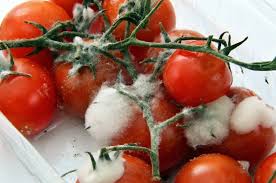
1. Bacterial Contamination
Biological contamination typically involves contamination of food or the environment with microorganisms and their derivatives, such as toxins. Bacteria, viruses, fungi, and parasites are potential contaminants, found in food, walls, water, air, and clothing. Biological contamination can also occur via macroscopic organisms, including rodents and insects.
These contaminants cause human diseases through three mechanisms: infection, intoxication, and immunologic responses.
Bacteria are small microorganisms that multiply rapidly under ideal conditions. Two classes of bacteria are significant in food processing: pathogenic bacteria and spoilage bacteria.
Pathogenic bacteria, or pathogens, are harmful and recognized as hazards to food safety, necessitating control of their spread and incidence. Spoilage bacteria may not be harmful but cause food deterioration and spoilage.
Common sources of bacterial growth and distribution include air, the human body, dust, pets, pests, raw food (meat, milk, vegetables), soil, kitchen or factory equipment, food handlers, and their clothing or hands.
Extrinsic factors providing optimal conditions for bacterial survival include food (especially protein), water (water activity), oxygen, temperature, and pH level. Controlling these factors can result in effective food preservation.
2. Major Bacteria and Associated Risks
The major bacteria involved in food contamination and their risks are shown in Table 1.
Table 1: Major Bacteria and Their Risks
| Major Bacteria | Risk Contamination |
|---|---|
| Clostridium botulinum | Intoxication, even death |
| Listeria monocytogenes | Infection |
| Salmonella spp. (typhimurium, enteritidis) | Infection |
| Enterohaemorrhagic Escherichia coli | Infection |
| Campylobacter jejuni | Infection |
| Yersinia enterocolitica | Infection |
| Bacillus anthracis | Infection |
| Bacillus cereus | Intoxication |
| Staphylococcus aureus | Intoxication |
| Clostridium perfringens | Infection |
| Vibrio spp. (vulnificus, parahaemolyticus) | Infection |
| Brucella abortus, B. suis | Infection |
| Shigella spp. (dysenteriae) | Infection |
Pathogenic Agents and Foodborne Illnesses
Consumption of contaminated food leads to foodborne illness, primarily infections or poisonings caused by bacteria, viruses, parasites, or harmful toxins and chemicals. Bacteria are the most common invisible agents of food contamination.
Foodborne pathogens can be acquired through drinking water, consuming food cooked with contaminated water, contact with animals or their environment, or person-to-person spread. Bacteria are ubiquitous and can grow under favorable environmental conditions.
Common illnesses caused by pathogenic bacteria include shigellosis, salmonellosis, listeriosis, campylobacteriosis, botulism, and Escherichia coli infection.
Botulism, Shigellosis, and Campylobacteriosis
Botulism: This disease is caused by Clostridium spp., such as Clostridium botulinum, Clostridium difficile, Clostridium perfringens, and Clostridium tetani. Ingestion of improperly prepared home-canned food items can cause the disease. Heat-resistant spores survive in these foods, and the growth of Clostridium botulinum produces a potent neurotoxin (in seven different forms), causing neuroparalytic syndrome that may result in death.
The organism thrives under favorable conditions, including temperature, acidity, oxygen, and water activity, posing significant health risks and mortality when present in food.
Shigellosis: Common in children, this disease is caused by Shigella spp., such as Shigella sonnei, Shigella boydii, Shigella flexneri, and Shigella dysenteriae. Symptoms include abdominal pain, vomiting, fever, watery and bloody diarrhea, mucus, and pus.
Campylobacteriosis: Caused by Campylobacter jejuni, this disease is prevalent worldwide and results from poor food handling practices and inadequate hygiene. Victims are often those without access to safe drinking water and sanitary conditions.
Escherichia coli Infection, Salmonellosis, and Listeriosis
Escherichia coli Infection: E. coli is a marker for fecal contamination and is part of the gut flora of humans, mammals, and birds. While many strains are not hazardous, some cause intestinal disorders, with symptoms depending on the strain.
Salmonellosis: Caused by gram-negative enteric bacteria, this disease is prevalent in both developing and developed countries. Symptoms include fever, headache, nausea, vomiting, abdominal pain, and diarrhea. Disease-causing agents include Salmonella enteritidis, Salmonella typhi, and Salmonella paratyphi, often transmitted through poultry, eggs, and meats. Salmonella typhi and Salmonella paratyphi are particularly dangerous in developing nations due to limited access to safe drinking water and food.
Listeriosis: Caused by the spore-forming bacterium Listeria monocytogenes, though other species like Listeria ivanovii and Listeria innocua can also cause the disease. It is common in immunocompromised individuals and can be sourced from milk, cheese, fish, and vegetables. The bacteria can grow under cooling temperatures.
Contamination of food by microorganisms, chemicals, and physical contaminants poses serious health risks to consumers. Serious efforts must be made to eliminate these contaminants from foods. Understanding the events along the food supply chain that allow contamination is crucial, as is recognizing the infections and illnesses caused by bacterial agents.
This article discussed the definition of food contamination, its causes, and the events that lead to contamination, emphasizing that food contamination can compromise food safety and lead to ill health. Major food contaminants include microorganisms, chemicals, and physical contaminants, all of which can occur at various stages of the food supply chain.
Do you have any questions, suggestions, or contributions? If so, please feel free to use the comment box below to share your thoughts. We also encourage you to kindly share this information with others who might benefit from it. Since we can’t reach everyone at once, we truly appreciate your help in spreading the word. Thank you so much for your support and for sharing!