


Conventional farming, also known as industrial or modern agriculture, utilizes synthetic chemicals, fertilizers, pesticides, and GMOs to maximize crop yields and livestock production. It often involves monocultures (growing a single crop over a large area) and intensive animal farming practices. Conventional farming focuses on efficiency, productivity, and economic profitability.
Organic agriculture relies on natural processes and inputs, emphasizing sustainability, biodiversity, and soil health. It avoids synthetic fertilizers, pesticides, genetically modified organisms (GMOs), and antibiotics. Instead, organic farming uses crop rotation, green manure, compost, biological pest control, and mechanical cultivation to maintain soil productivity and control pests.
Soil Health and Fertility
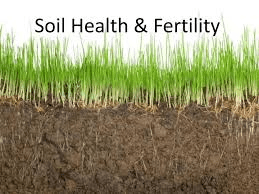
Organic farming prioritizes soil health through natural methods. Crop rotation helps prevent nutrient depletion and reduces pest and disease cycles. Compost and green manure enrich the soil with organic matter, improving its structure, water retention, and nutrient content. Organic practices promote microbial activity and earthworm populations, which are crucial for nutrient cycling and soil aeration.
Conventional farming often relies on synthetic fertilizers to provide essential nutrients to crops. While these fertilizers can enhance short-term productivity, they may degrade soil structure and reduce its organic matter content over time. Continuous use of synthetic inputs can lead to soil compaction, erosion, and decreased microbial diversity, ultimately affecting soil health and fertility.
Pest and Disease Management
Organic farming employs a variety of natural pest and disease management techniques. Biological control, such as introducing beneficial insects and predators, helps keep pest populations in check. Crop diversity and rotation disrupt pest life cycles and reduce the risk of widespread infestations. Organic farmers also use natural pesticides derived from plants, minerals, and microorganisms.
Conventional farming relies heavily on synthetic pesticides and herbicides to control pests and diseases. While effective in the short term, overuse of these chemicals can lead to pest resistance, environmental contamination, and harm to non-target organisms, including beneficial insects and pollinators. Conventional methods often prioritize immediate results over long-term ecological balance.
Impact on Biodiversity
Organic farming practices are designed to enhance biodiversity. Crop diversity, intercropping, and maintaining natural habitats such as hedgerows and buffer zones provide a habitat for various species. This increased biodiversity helps control pests, improve pollination, and support ecosystem resilience.
Conventional farming, particularly monoculture practices, can reduce biodiversity. Large-scale, single-crop fields offer limited habitats and resources for wildlife. Pesticide use can negatively impact non-target species, leading to a decline in beneficial insects and pollinators. The loss of biodiversity can disrupt ecosystem services and reduce the resilience of agricultural systems.
Environmental Impact
Organic farming aims to minimize its environmental footprint. By avoiding synthetic chemicals, organic agriculture reduces the risk of water and soil contamination. Organic practices promote carbon sequestration in soils, helping mitigate climate change. Additionally, organic farming often uses less energy due to reduced reliance on synthetic inputs and machinery.
Conventional farming’s intensive practices can have significant environmental consequences. Synthetic fertilizers and pesticides can leach into water bodies, causing pollution and harming aquatic ecosystems. Heavy machinery and irrigation can lead to soil erosion and depletion of water resources. Conventional agriculture’s reliance on fossil fuels contributes to greenhouse gas emissions and climate change.
Read Also: Gooseberries: History, Nutrition, Health Benefits and Growing Guide
Health and Food Safety
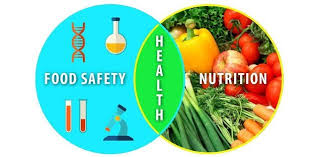
Organic food is often perceived as healthier due to the absence of synthetic pesticides and GMOs. Organic farming restricts the use of antibiotics and growth hormones in livestock, reducing the risk of antibiotic resistance. Additionally, organic produce may have higher levels of certain nutrients and antioxidants, though the nutritional differences between organic and conventional foods are still debated.
Conventional farming’s use of synthetic chemicals raises concerns about pesticide residues on food. While regulatory agencies set safety limits, there is ongoing debate about the long-term health effects of consuming pesticide residues. Conventional farming can produce large quantities of food at lower costs, but food safety and nutritional quality remain important considerations.
Economic Viability
Organic farming can be economically challenging due to higher labor costs and lower yields compared to conventional methods. Organic certification and compliance with standards can also be costly. However, organic products often fetch premium prices in the market, attracting consumers willing to pay more for perceived health and environmental benefits. Government subsidies and support programs can also help offset some of the financial burdens.
Conventional farming benefits from economies of scale and higher productivity, resulting in lower production costs and affordable food prices. However, these economic advantages can come at the expense of environmental and social sustainability. Small-scale farmers may struggle to compete with large industrial operations, leading to consolidation in the agricultural sector.
Long-Term Sustainability
Organic farming is inherently focused on sustainability. By prioritizing soil health, biodiversity, and natural processes, organic agriculture aims to create resilient and self-sustaining systems. Organic practices promote long-term soil fertility, reduce environmental impacts, and support ecosystem services. However, challenges such as lower yields and higher costs must be addressed to ensure the scalability and accessibility of organic farming
Conventional farming’s emphasis on productivity and efficiency can undermine long-term sustainability. Intensive practices can degrade soil health, reduce biodiversity, and contribute to environmental pollution. Addressing these issues requires adopting more sustainable practices within conventional farming, such as integrated pest management, precision agriculture, and conservation tillage.
Innovations and Future Directions
The future of organic agriculture lies in continuous innovation and adaptation. Research into organic pest management, soil health, and crop varieties can enhance productivity and resilience. Technologies such as organic no-till farming and agroforestry can further improve sustainability. Collaboration between farmers, scientists, and policymakers is crucial to developing scalable solutions for organic agriculture
Conventional farming can benefit from integrating sustainable practices and technologies. Precision agriculture, which uses data and technology to optimize inputs and reduce waste, holds promise for improving efficiency and reducing environmental impacts. Developing and adopting more sustainable synthetic inputs and genetically engineered crops with reduced environmental risks can also contribute to the sustainability of conventional farming.
Organic agriculture and conventional farming represent two distinct approaches to agriculture, each with its own set of advantages and challenges. Organic farming emphasizes sustainability, biodiversity, and natural processes, aiming to create resilient and environmentally friendly systems. Conventional farming focuses on productivity and efficiency, often at the cost of environmental and social sustainability.
The future of agriculture lies in finding a balance between these approaches, integrating the best practices from both to create a sustainable and productive food system. By fostering innovation, supporting farmers, and promoting sustainable practices, we can work towards a more resilient and equitable agricultural future.
Similarities between Organic Agriculture and Conventional Farming
AspectOrganic AgricultureConventional FarmingGoalProduce food and other agricultural products.Produce food and other agricultural products.Use of TechnologyEmploys technology for efficient farming practices.Employs advanced technology for efficient farming.Market PresenceBoth are widely recognized and have established markets.Both are widely recognized and have established markets.Economic RoleContributes to the economy by providing jobs and food.Contributes to the economy by providing jobs and food.Farm ManagementRequires planning, management, and labor for operation.Requires planning, management, and labor for operation.Yield FocusAim to maximize yields within their respective frameworks.Aim to maximize yields within their respective frameworks.Research and DevelopmentContinuously improved through agricultural research.Continuously improved through agricultural research.
Differences between Organic Agriculture and Conventional Farming
AspectOrganic AgricultureConventional FarmingSoil Health and FertilityUses natural methods like crop rotation, compost.Uses synthetic fertilizers, leading to potential soil degradation.Pest ManagementEmploys natural pest control methods.Relies on synthetic pesticides.BiodiversityEnhances biodiversity through crop diversity.Often reduces biodiversity due to monoculture practices.Environmental ImpactLower environmental footprint, avoids synthetic chemicals.Higher environmental impact, uses synthetic chemicals.Health and Food SafetyAvoids synthetic pesticides and GMOs, possibly higher nutrient content.Uses synthetic chemicals, raises concerns about pesticide residues.Economic ViabilityHigher costs, lower yields, premium market prices.Lower costs, higher yields, competitive market prices.Sustainability FocusPrioritizes long-term sustainability.Focuses on short-term productivity and efficiency.Use of Antibiotics/HormonesRestricted in livestock management.Common in livestock management.CertificationRequires organic certification and compliance.Generally does not require certification.InnovationsFocuses on natural innovations and organic techniques.Focuses on technological advancements and GMOs.
Read Also: Cucumber Green Mottle Mosaic Virus: Description, Damages Caused, Control and Preventive Measures
FAQs about Organic Agriculture vs. Conventional Farming
1. What is the main difference between organic agriculture and conventional farming?
The main difference lies in the methods used for cultivation and pest control. Organic agriculture avoids synthetic chemicals and emphasizes natural processes, while conventional farming relies on synthetic fertilizers, pesticides, and GMOs to maximize yields.
2. Is organic food more nutritious than conventionally farmed food?
The nutritional differences between organic and conventional foods are still debated. Some studies suggest that organic produce may have higher levels of certain nutrients and antioxidants, but the overall differences are generally small and vary depending on the type of food.
3. How does organic farming impact the environment compared to conventional farming?
Organic farming tends to have a lower environmental impact as it avoids synthetic chemicals, promotes biodiversity, and enhances soil health through natural practices. Conventional farming, while often more productive, can lead to soil degradation, water pollution, and reduced biodiversity due to the heavy use of synthetic inputs.
4. Are organic farming methods more sustainable than conventional farming methods?
Organic farming methods are designed to be more sustainable, focusing on long-term soil health, biodiversity, and ecological balance. Conventional farming methods, though efficient and productive in the short term, can pose sustainability challenges due to their environmental impacts and reliance on non-renewable resources.
5. Why is organic food often more expensive than conventionally farmed food?
Organic food is more expensive due to higher labor costs, lower yields, and the costs associated with obtaining and maintaining organic certification. Additionally, organic farming practices are generally more labor-intensive and less reliant on synthetic inputs that can reduce costs in conventional farming.
6. Can organic farming feed the world’s growing population?
There is ongoing debate about whether organic farming alone can feed the growing global population. Organic farming typically produces lower yields than conventional farming. However, proponents argue that sustainable and integrated approaches, combining the best practices of both organic and conventional methods, could help meet future food demands.
7. What are the health benefits of consuming organic food?
Consuming organic food can reduce exposure to synthetic pesticides and antibiotics, potentially lowering the risk of health issues associated with these substances. Some people also prefer organic food for its perceived higher nutritional quality and the absence of GMOs.
8. How do organic farmers manage pests without synthetic pesticides?
Organic farmers use a variety of natural pest management techniques, such as crop rotation, biological pest control (introducing beneficial insects), natural pesticides derived from plants and minerals, and mechanical methods like traps and barriers to manage pest populations.
9. Is conventional farming harmful to the environment?
Conventional farming can have harmful environmental effects, including soil degradation, water pollution from synthetic fertilizers and pesticides, and loss of biodiversity due to monoculture practices. However, sustainable practices within conventional farming, like precision agriculture and integrated pest management, can mitigate some of these impacts.
10. What role does government regulation play in organic and conventional farming?
Government regulation is crucial in both types of farming. Organic farming requires certification and adherence to strict standards set by regulatory bodies. Conventional farming is also regulated, particularly regarding the use of synthetic chemicals and GMOs, but generally has fewer restrictions compared to organic farming. Government policies and subsidies can significantly influence the adoption and sustainability of both farming methods.
Read Also: The Different Types of Fertilizers and How they Work