



Cost control is a critical practice in restaurant management, focusing on identifying and reducing expenses to boost profits. It begins with budgeting, where owners compare actual financial results with planned expectations, enabling informed decisions to optimize profitability.
Effective cost control ensures a restaurant’s financial health by monitoring key areas like food, beverage, and labor costs. This article explores the role of the general manager, cost percentage calculations, labor cost management, menu sales mix analysis, and menu pricing strategies.
By implementing robust cost control measures, restaurants can maintain profitability while delivering quality service. Understanding these principles is essential for managers aiming to enhance operational efficiency and guest satisfaction.
Read Also: Floribunda Rose Flowers: All You Need To Know About
General Manager’s Role in Cost Control

The general manager is pivotal in overseeing restaurant operations, ensuring cost control aligns with profitability goals. They are responsible for maintaining financial performance, staff morale, and operational efficiency.
Their role involves direct accountability to owners or regional directors, focusing on key financial metrics. Effective management fosters a positive environment, enhancing both employee satisfaction and guest experiences.
A. Expectations of the General Manager
1. Financial Performance: General managers must achieve favorable financial results, particularly in food, beverage, and labor costs. These metrics are critical to ensuring sufficient profit margins for the restaurant.
2. Team Morale: Promoting good morale and teamwork is essential. A positive work environment boosts employee happiness, which translates into better service for guests, enhancing overall restaurant success.
3. Operational Oversight: General managers oversee all restaurant operations, ensuring policies and regulations are followed. This ensures smooth operations and consistent service quality across all departments.
B. Duties and Responsibilities
1. Staff Management: General managers oversee floor managers, kitchen managers, and other staff, ensuring proper staffing levels. They are responsible for the employee schedule, even if delegated to floor managers.
2. Policy Compliance: They ensure all policies and regulations are met, maintaining operational standards. This includes organizing and controlling staffing to meet the restaurant’s needs efficiently.
3. Operational Control: The general manager is directly responsible for all restaurant operations, ensuring seamless coordination between departments to deliver a high-quality guest experience.
Food and Beverage Cost Management
Managing food and beverage costs is crucial for restaurant profitability. These costs require constant monitoring to align with budgeted expectations, ensuring financial efficiency.
Daily or even hourly checks on these costs help managers identify variances and take corrective actions. Understanding cost percentages is key to maintaining control over expenses.
A. Food Cost Percentage
1. Calculation Method: Food cost percentage is calculated by dividing the cost of food sold by total food sales, then multiplying by 100. For example, ₦2,200,896 ÷ ₦9,500,400 = 24%.
2. Benchmarking: A 24% food cost means ₦24 of every ₦100 in food sales is spent on ingredients. Most restaurants aim for 28%, though high-end establishments may run higher, like 34%.
3. Strategic Adjustments: Managers compare actual percentages to budgeted goals. Significant variances prompt investigations to adjust pricing or standardize recipes for cost efficiency.
B. Beverage Cost Percentage
1. Calculation Method: Beverage cost percentage is calculated similarly: cost of beverages sold divided by total beverage sales. For example, ₦889,200 ÷ ₦4,600,000 = 19.33%.
2. Industry Standards: Beverage costs typically range from 18% to 30%, averaging 22-26%. Variations exist across beer, wine, spirits, and cocktails, requiring tailored monitoring.
3. Variance Analysis: Comparing actual beverage costs to budgeted percentages helps identify discrepancies, enabling managers to investigate and implement cost-saving measures.
Labor Cost Control
Labor is the highest expense in restaurant operations, typically ranging from 24% to 30% of total sales. Effective labor cost control is vital for profitability.
Scheduling the right number of staff per shift is a key challenge. Managers must balance staffing levels with sales fluctuations to optimize costs without compromising service.
A. Labor Cost Calculation
1. Formula: Labor cost percentage is calculated by dividing total labor costs by total sales. For example, ₦3,535,000 ÷ ₦14,140,000 = 25%, meaning 25% of sales covers labor.
2. Impact on Profitability: High labor costs can erode profits. Managers must monitor this percentage closely to ensure it aligns with budgeted expectations for financial health.
3. Scheduling Strategies: Adjusting staff numbers based on sales trends is critical. Overstaffing during slow periods or understaffing during peak times can harm efficiency and guest satisfaction.
B. Other Operating Costs
1. Non-Labor Expenses: These include supplies, utilities, rent, and licenses, typically 14-20% of sales. For example, ₦2,828,000 ÷ ₦14,140,000 = 20% in other costs.
2. Total Cost Breakdown: With food (16.19%), beverage (6.28%), labor (25%), and other costs (20%), total expenses reach 67.47%, leaving 32.53% for taxes and profit.
3. Theft Prevention: To reduce employee theft, restaurants use spotters or sequentially numbered checks. These measures ensure accountability and protect profit margins.
Read Also: Mimosa Flowers (Mimosa Pudica): Complete Growing and Care Guide
Menu Sales Mix Analysis
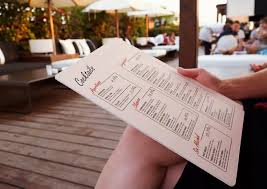
Menu sales mix analysis evaluates the popularity and profitability of menu items to maximize revenue. Conducting this analysis quarterly provides actionable insights for menu adjustments.
This process helps managers identify high-performing items and those needing changes in pricing, positioning, or elimination to enhance overall profitability.
A. Menu Engineering
1. Purpose: Menu engineering systematically analyzes menu items to determine which are profitable and popular. This helps managers decide which items to retain, reprice, or promote.
2. Frequency: Conducting analysis at least four times a year ensures reliable data. Three months of sales data provides more accurate insights than shorter periods.
3. Sales Volume Tracking: Managers track sales volume by category (e.g., appetizers, entrées) using manual records or point-of-sale systems to assess item performance.
B. Classifying Menu Items
1. Stars: Popular and profitable, these items should be prominently placed on the menu. Test for price rigidity to see if guests will pay more without reducing sales.
2. Plow Horses: Popular but less profitable, these items may require gradual price increases or portion adjustments to improve margins without losing appeal.
3. Puzzles: Profitable but unpopular, these items benefit from price reductions, repositioning, or marketing efforts like table tents to boost sales and potential.
4. Dogs: Unpopular and unprofitable, these items should be eliminated or offered as special orders to avoid menu clutter and focus on high-performing items.
Menu Pricing Strategies
Pricing the menu is a critical process that influences guest expectations and profitability. Prices must cover costs while aligning with the restaurant’s market position.
Effective pricing balances food, labor, and overhead costs with desired profit margins, ensuring the restaurant remains competitive and financially viable.
A. Pricing Objectives
1. Guest Expectations: Prices signal the restaurant’s market category, setting expectations for food quality, service, and ambiance. Higher prices demand superior execution.
2. Profitability: Prices must exceed the total cost of producing an item, including food, labor, and overhead, while incorporating a reasonable profit margin.
3. Market Balance: Overpriced items may deter sales, while underpriced items may sell well but lose money. Careful planning ensures optimal pricing for profitability.
B. Pricing Methods
1. Food Cost Percentage Method: Divide item food cost by the desired percentage to set the menu price. For example, ₦10 cost ÷ 25% = ₦40 menu price.
2. Contribution Margin Method: Add a fixed naira amount (covering non-food costs and profit) to the food cost. For example, ₦10 cost + ₦15 margin = ₦25 price.
3. Set Naira Amount Markup: Add a fixed amount to the food cost based on profit, labor, and operating costs. For example, ₦10 cost + ₦12 markup = ₦22 price.
4. Set Percentage Increase Method: Calculate markup as a percentage of food cost, then apply it consistently. For example, ₦10 cost × 120% = ₦12 markup.
Frequently Asked Questions
1. What is cost control in restaurant management?
Cost control involves identifying and reducing expenses to increase profits, starting with budgeting. It ensures financial efficiency by monitoring food, beverage, and labor costs.
2. Why is the general manager’s role important in cost control?
The general manager oversees operations, ensures policy compliance, and manages staffing and financial performance, directly impacting cost control and profitability.
3. How is food cost percentage calculated?
Food cost percentage is calculated by dividing the cost of food sold by total food sales, then multiplying by 100. For example, ₦2,200,896 ÷ ₦9,500,400 = 24%.
4. What is menu engineering?
Menu engineering analyzes menu items’ popularity and profitability to determine which to keep, reprice, promote, or eliminate, optimizing the menu for maximum revenue.
5. How do restaurants manage labor costs?
Restaurants manage labor costs by scheduling staff based on sales trends, ensuring optimal staffing levels to avoid overstaffing during slow periods or understaffing during peaks.
6. What are the four menu item classifications?
Menu items are classified as stars (popular, profitable), plow horses (popular, less profitable), puzzles (profitable, unpopular), and dogs (unpopular, unprofitable).
7. Why is pricing the menu critical?
Menu pricing sets guest expectations for quality and service while ensuring profitability by covering food, labor, and overhead costs with a reasonable profit margin.
8. How can restaurants address unprofitable menu items?
Unprofitable items (dogs) can be eliminated, offered as special orders, or repriced. Puzzles may benefit from price reductions or marketing to boost popularity.
Do you have any questions, suggestions, or contributions? If so, please feel free to use the comment box below to share your thoughts. We also encourage you to kindly share this information with others who might benefit from it. Since we can’t reach everyone at once, we truly appreciate your help in spreading the word. Thank you so much for your support and for sharing!