


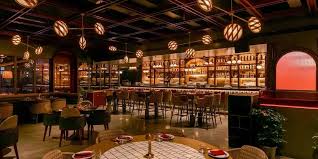
A restaurant’s design and decor significantly enhance the dining experience. While food and service are critical, the atmosphere influences whether customers return. This article outlines key procedures, common mistakes, and creative ideas for designing and decorating a restaurant to ensure a welcoming environment.
The ambiance of a restaurant sets the tone for the entire dining experience. A well-decorated space reflecting the cuisine and desired atmosphere can make a lasting impression. Thoughtful design choices, from lighting to furniture, elevate customer satisfaction and encourage repeat visits.
Effective restaurant design requires careful planning and attention to detail. The decor should align with the cuisine and target audience. By avoiding common pitfalls and incorporating innovative ideas, restaurant owners can create a space that complements the food and service.
Developing a Restaurant Theme
A cohesive theme ties together a restaurant’s decor and cuisine. It creates an immersive experience for guests. The theme should reflect the type of cuisine and the desired dining atmosphere, whether casual or upscale.
Choosing a theme involves considering the restaurant’s identity. For example, a Mexican restaurant might incorporate warm colors and rustic elements. The theme guides all design decisions, ensuring a unified look. A well-executed theme enhances the overall dining experience.
A. Aligning Decor with Cuisine
1. Select a theme based on cuisine: For a Mexican restaurant, use warm, saturated colors, rustic wood, and mosaic tiles. These elements reflect the cultural aesthetic. Italian restaurants might feature Venetian scenes or Roman art to evoke authenticity.
2. Consider the dining style: Decide between family-style seating for a casual vibe or intimate tables for fine dining. The seating arrangement should align with the intended atmosphere. This choice impacts furniture and layout decisions.
3. Incorporate cultural elements: Use decor that complements the menu, such as artwork or motifs tied to the cuisine’s heritage. This creates a cohesive experience. Customers feel immersed in the restaurant’s cultural narrative.
B. Creating a Consistent Aesthetic
A consistent aesthetic ensures all design elements work together. From furniture to wall art, every detail should reflect the theme. Consistency creates a polished and professional appearance that resonates with guests.
The style of furniture should match the restaurant’s formality. Casual settings might use vinyl booths, while formal ones opt for elegant tables. Tablecloths can add color and sophistication, enhancing the overall aesthetic.
Innovative design choices set the restaurant apart. Highlight unique menu aspects through decor, like featuring signature dishes in artwork. Avoid cluttering tables to keep the focus on the food presentation.
Read Also: Floribunda Rose Flowers: All You Need To Know About
Painting and Lighting Design
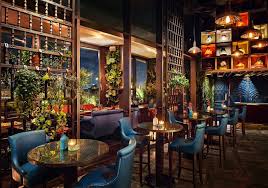
Painting and lighting are foundational to restaurant decor. They set the mood and enhance the space’s visual appeal. Thoughtful choices in these areas create a welcoming and functional environment for guests.
Wall colors and lighting fixtures should complement the theme. Paint adds interest, while lighting sets the ambiance. Together, they create a balanced atmosphere that supports both aesthetics and functionality.
A. Painting Walls for Visual Impact
1. Use paint to enhance spaces: Paint walls and accent walls to add visual interest to different sections. A fresh coat of paint can transform the space. It serves as the foundation for other decorative elements.
2. Combine with accents: Pair paint with window treatments, flooring, and lighting to complete the design. These elements work together to create a cohesive look. The right combination elevates the restaurant’s atmosphere.
3. Choose appropriate colors: Select colors like pink, peach, or pale yellow to complement food presentation. Avoid blue, as it may evoke spoiled food. Red is effective for stimulating appetite.
B. Lighting for Ambiance and Functionality
1. Use varied lighting fixtures: Incorporate pendant lights, wall sconces, and candle centerpieces to set the mood. These create a warm, inviting atmosphere. Overhead lighting ensures functionality throughout the space.
2. Balance decor and function: Functional lighting, like halogen downlighters, illuminates tables effectively. Ensure bulbs aren’t too bright to avoid harsh contrasts. Tabletop lighting, such as candles, adds a flattering glow.
3. Select light sources wisely: Low voltage halogen offers warm, directional light but generates heat. Low energy lamps are cost-effective but less vibrant. LED lighting provides crisp, versatile illumination with low operating costs.
4. Highlight special areas: Use lighting to showcase buffets or salad bars. Low voltage diachroic lamps emphasize room features like oak beams. Proper positioning ensures tables, not heads, are lit.
Furniture and Tabletop Design
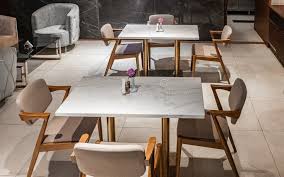
Furniture and tabletops are central to the dining experience. They must align with the restaurant’s formality and theme. Thoughtful selections ensure comfort and enhance the overall aesthetic.
Furniture choices reflect the restaurant’s style, from casual to formal. Tabletops should be both functional and visually appealing. These elements contribute significantly to guest comfort and satisfaction.
A. Choosing Appropriate Furniture
1. Match formality and style: Casual restaurants can use vinyl booths and wooden tables. Formal settings require stylish tables and chairs, possibly with tablecloths. Furniture should enhance the theme.
2. Offer seating variety: Provide booths for intimate dining, tables for families, and bar seating for quick meals. Variety caters to different customer needs. Comfortable seating encourages longer stays.
3. Maintain furniture quality: Repair or replace worn-out pieces, like torn booth fabric. High-quality furniture avoids a cheap appearance. Well-maintained seating enhances the dining experience.
B. Designing Tabletops
Tabletop design is a key aspect of the dining experience. Customers focus on tables while eating, so they should reflect the restaurant’s aesthetic. Creative touches like tablecloths or inlaid designs add visual appeal.
Accents such as paint, tile, or glass covers can elevate tabletops. These should complement the overall theme without overwhelming the food presentation. Keeping tables uncluttered ensures the focus remains on the meal.
Innovative tabletop designs, like inlaid patterns, enhance the aesthetic. They should be practical and easy to maintain. A well-designed tabletop creates a memorable dining experience for guests.
Wall Decor and Greenery
Wall decor and greenery add personality to a restaurant. They create visual interest and enhance the atmosphere. Thoughtful choices in these areas make the space feel inviting and unique.
Artwork and plants should align with the restaurant’s theme. They provide visual stimulation without overwhelming the space. These elements contribute to a warm and welcoming environment.
A. Adorning Walls with Art
1. Use cuisine-inspired art: Hang images like Venetian gondolas for Italian restaurants. Canvas prints of food or landscapes add elegance. They enhance the theme and create visual interest.
2. Opt for canvas prints: Canvas prints are affordable, elegant, and versatile. They transform photos or paintings into striking wall art. Their texture adds a sophisticated visual effect.
3. Avoid over-decorating: Keep wall art minimal to avoid clutter. Focus on pieces that complement the cuisine and theme. This ensures the decor enhances, not distracts from, the dining experience.
B. Incorporating Greenery
Adding greenery brings life to the restaurant. Mini flower pots or vases with fruits and plants create a fresh atmosphere. A trellis with crawling plants adds a cozy touch, especially when lit at night.
Greenery should be subtle and complement the theme. For example, Italian restaurants might use herbs in pots. These elements enhance the ambiance without overwhelming the space.
Strategically placed plants, like on tabletops or in corners, add warmth. They should be easy to maintain and fit the restaurant’s style. Greenery creates a welcoming and vibrant environment.
Read Also: Mimosa Flowers (Mimosa Pudica): Complete Growing and Care Guide
Avoiding Common Design Mistakes
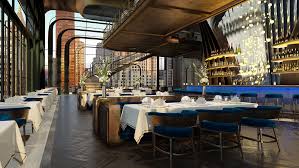
Poor design choices can detract from the dining experience. Avoiding common mistakes ensures the restaurant feels inviting and professional. Thoughtful planning prevents decor from undermining the food and service.
Many restaurants fail to appeal to customers’ visual senses upon entry. Tacky furnishings, bad lighting, or mismatched decor can leave a lasting negative impression. Below are key mistakes to avoid.
A. Tacky or Uncomfortable Furnishings
1. Avoid cheap-looking tables: Square tables on a single pole with shabby chairs look uninviting. Opt for quality, affordable seating sets. Booths encourage guests to linger and order more.
2. Ensure seating comfort: Test chairs and booths for comfort. Uncomfortable seating may drive guests away early. Variety in seating caters to different customer preferences.
3. Repair damaged furniture: Fix rips and tears in booth fabric promptly. Worn-out furniture signals neglect. Replacing damaged pieces maintains a professional appearance.
B. Poor Lighting Choices
Bad lighting can ruin the ambiance. Dusty lampshades or harsh lights detract from the experience. Lighting should be bright enough to read but soft enough to create a warm atmosphere.
Fixtures must be clean and attractive, as guests often notice them. Natural light from windows enhances the space. Proper lighting balances functionality with a cozy, inviting feel.
Overly bright lights can subconsciously rush guests. Soft, warm lighting encourages relaxation. Regular maintenance of fixtures ensures a polished and professional look.
C. Inappropriate Flooring and Layout
Loud carpet designs, like those from the 1960s, distract from the decor. Choose muted, theme-aligned carpets or opt for tiling. Flooring should complement the restaurant’s overall aesthetic.
Lack of interior divisions makes the space feel chaotic. Partitions or planter boxes create visual breaks and reduce noise. Private rooms for events boost income and appeal.
A well-planned layout enhances guest comfort. Dividers allow guests to choose quieter or livelier sections. Thoughtful design ensures a pleasant and functional dining environment.
Creative Decorating Ideas
Creative decor sets a restaurant apart from competitors. Innovative ideas, like strategic lighting or unique wall art, enhance the ambiance. These touches make the dining experience memorable and encourage repeat visits.
Decor should reflect the restaurant’s identity and target market. From lighting to greenery, each element should contribute to a cohesive atmosphere. Below are five creative decorating ideas.
A. Enhancing with Lights
1. Use exterior lighting: Wrap mini white lights around trees or bushes outside. This brightens the facade and creates a welcoming entry. It draws customers in from the street.
2. Add interior candlelight: Place candle centerpieces on tables and wrap lights around pillars. These create a cozy, intimate atmosphere. They encourage guests to linger and enjoy.
3. Balance lighting systems: Combine bright lunchtime lighting with softer evening tones. Adjustable lighting for special events adds versatility. A well-planned system enhances the overall ambiance.
B. Utilizing Color Schemes
Colors influence mood and appetite. Warm colors like red, green, and brown stimulate hunger. They create a relaxed, welcoming atmosphere. The color scheme should reflect the restaurant’s character.
Avoid blue, as it may suppress appetite. Use pink, peach, or beige to highlight food presentation. These colors complement natural food tones and enhance the dining experience.
A cohesive color scheme ties the decor together. Walls, furniture, and accents should align. Thoughtful color choices create a clean, inviting environment that supports the menu.
C. Incorporating Unique Elements
Use canvas prints to showcase food or cultural motifs. These affordable, elegant pieces add sophistication. They should reflect the cuisine, like pasta images for Italian restaurants.
Incorporate greenery, like trellises or fruit-filled vases, for a fresh look. These elements add warmth and align with the theme. They create a vibrant, inviting space for guests.
Consider the target market when decorating. For younger audiences, use fun, whimsical colors. Tailor decor to the cuisine and audience for a cohesive and appealing design.
Frequently Asked Questions
1. Why is restaurant decor important?
Decor enhances the dining experience, reflecting the cuisine and atmosphere. A well-designed space encourages customers to return by creating a memorable and inviting environment.
2. How should I choose a restaurant theme?
Select a theme based on the cuisine, like warm colors for Mexican restaurants. Consider the dining style, such as casual or formal, to guide furniture and decor choices.
3. What colors are best for restaurant walls?
Use pink, peach, pale yellow, or red to stimulate appetite and complement food. Avoid blue, as it may evoke spoiled food and suppress hunger.
4. How does lighting affect the dining experience?
Lighting sets the ambiance and influences guest behavior. Soft, warm lights create a cozy atmosphere, while bright lights may rush guests. Balance decor and functional lighting.
5. What are common restaurant design mistakes?
Tacky furnishings, harsh lighting, loud carpets, and mismatched decor detract from the experience. Poor layout and lack of divisions can make the space feel chaotic.
6. How can greenery enhance restaurant decor?
Greenery, like mini flower pots or trellises, adds warmth and freshness. It creates a cozy, vibrant atmosphere when paired with lighting, enhancing the dining experience.
7. What types of lighting are best for restaurants?
Use halogen downlighters for tables, LEDs for versatility, and low energy lamps for cost savings. Combine decor and functional lighting to balance ambiance and practicality.
8. How can I make tabletops appealing?
Use tablecloths, paint, or inlaid designs to enhance tabletops. Keep them uncluttered to focus on food presentation. Designs should align with the restaurant’s theme.
Do you have any questions, suggestions, or contributions? If so, please feel free to use the comment box below to share your thoughts. We also encourage you to kindly share this information with others who might benefit from it. Since we can’t reach everyone at once, we truly appreciate your help in spreading the word. Thank you so much for your support and for sharing!