


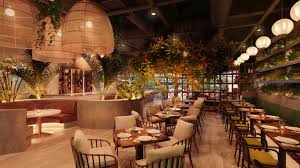
A well-decorated restaurant enhances the dining experience, complementing the quality of food and service. The atmosphere, shaped by thoughtful design, influences whether customers return. Regardless of budget, prioritizing decor that aligns with the cuisine and intended vibe is crucial for success.
Creating a memorable dining environment involves strategic choices in theme, color, furniture, and lighting. Each element must work harmoniously to reflect the restaurant’s identity. By focusing on these details, owners can craft a space that resonates with their target audience and elevates the overall experience.
Designing The Restaurant Space
The design of a restaurant sets the tone for the customer experience. A cohesive aesthetic that reflects the cuisine and atmosphere is essential. From furniture to wall art, every detail contributes to the overall impression, encouraging patrons to return.
A. Developing A Theme
1. Align with Cuisine: Create a theme based on the restaurant’s cuisine. For a Mexican restaurant, incorporate warm colors, rustic wood, and mosaic tiles to evoke authenticity. This creates a cohesive experience that resonates with diners.
2. Define the Style: Decide on the restaurant’s formality. Casual settings may use family-style seating, while fine dining calls for intimate tables. The theme should align with the intended atmosphere to meet customer expectations.
3. Be Innovative: Highlight what makes your menu unique. Reflect this distinctiveness in the design, using creative elements that set your restaurant apart while maintaining a welcoming environment for all guests.
4. Consider the Target Market: Tailor the theme to your audience. For younger crowds, vibrant and whimsical elements work well, while a more sophisticated theme suits upscale dining, ensuring broad appeal.
B. Choosing Furniture
1. Match Formality: Select furniture that aligns with the restaurant’s style. Casual venues may use vinyl booths and wooden tables, while formal settings benefit from elegant chairs and tablecloths for added sophistication.
2. Ensure Comfort: Test seating for comfort. Booths encourage lingering, ideal for intimate or leisurely dining, while tables suit families. A variety of seating options caters to diverse customer needs effectively.
3. Maintain Quality: Avoid cheap-looking furniture. Replace or repair worn items like torn booth seats to maintain a polished appearance, ensuring guests feel valued and comfortable during their visit.
4. Mix Seating Options: Offer diverse seating like bars for quick meals, tables for groups, and booths for intimate settings. This variety accommodates different customer preferences, enhancing their dining experience.
C. Using Art and Decor
1. Reflect Cuisine: Hang artwork that complements the cuisine, such as Venetian scenes for an Italian restaurant. This reinforces the theme and adds visual interest to the dining space.
2. Use Canvas Prints: Opt for canvas prints for an elegant, cost-effective wall decoration. They transform photos or artwork into striking pieces, enhancing the restaurant’s aesthetic with minimal effort.
3. Avoid Clutter: Keep table decor minimal to focus on the food presentation. Simple, tasteful accents ensure the dining experience remains uncluttered and visually appealing for all patrons.
4. Incorporate Greenery: Add mini flower pots or vases with fruits and greenery to tables. A trellis with crawling plants in a corner, lit at night, creates a cozy, inviting atmosphere.
Read Also: Proper Fish Feed Formulation Guide
Enhancing Ambiance With Lighting and Color
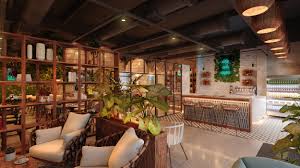
Lighting and color schemes are pivotal in shaping a restaurant’s mood. Thoughtful choices in these areas create a welcoming environment that enhances the dining experience, encouraging customers to linger and return.
Proper lighting balances functionality and ambiance, while colors influence mood and appetite. By carefully integrating these elements, restaurant owners can craft a space that feels both inviting and aligned with the culinary offerings.
A. Implementing Lighting
1. Set the Mood: Use pendant lights, wall sconces, or candle centerpieces to create ambiance. These fixtures add warmth and presence, making the dining area feel inviting and comfortable.
2. Balance Light Sources: Combine low-voltage halogen for directed lighting with energy-efficient LEDs for cost savings. LEDs offer crisp, changeable colors, ideal for highlighting specific areas or items.
3. Ensure Functionality: Provide adequate lighting for tasks like reading menus or working. Halogen downlighters illuminate tables effectively, but avoid overly bright lights that create harsh contrasts in the space.
4. Maintain Clean Fixtures: Regularly clean lampshades and fixtures to avoid dust or cobwebs, which can detract from the dining experience. Clean lighting ensures a polished, professional appearance.
B. Selecting Colors
1. Influence Mood: Choose colors like pink, peach, or pale yellow to create a relaxed atmosphere. These hues reflect natural food colors, enhancing the presentation of dishes served.
2. Avoid Unappetizing Tones: Steer clear of blue, which is associated with spoiled food. Instead, use appetite-stimulating colors like red, green, or brown to encourage dining.
3. Coordinate with Theme: Ensure the color scheme reflects the restaurant’s character. Warm, dim colors suit foodservice areas, creating a cozy, welcoming vibe that encourages lingering.
4. Highlight Cleanliness: Use colors that convey cleanliness, such as light greens or beiges. These shades make the space feel fresh and appealing, aligning with hygiene standards.
C. Tabletop Design
1. Enhance Aesthetics: Use tablecloths, tiles, or glass covers to accent tabletops. These elements add color and style, making the dining surface a focal point of the experience.
2. Reflect Light: Polished silverware or reflective tabletops soften overhead lighting, reducing facial shadows and creating a flattering, warm ambiance for diners enjoying their meals.
3. Focus on Food: Keep tabletop decor simple to emphasize food presentation. Minimalist designs ensure the meal remains the star, enhancing the overall dining experience for guests.
4. Add Low-Level Lighting: Incorporate candles or shaded electric lights on tables. These low-level lights create a flattering glow, reducing shadows and enhancing the dining atmosphere.
Avoiding Common Design Mistakes
Restaurant design pitfalls can undermine the dining experience. Avoiding these mistakes ensures a welcoming, comfortable environment that complements the food and encourages repeat visits from customers.
By addressing issues like poor lighting, tacky furnishings, or mismatched decor, owners can create a cohesive and appealing space. Thoughtful design choices prevent distractions and enhance the overall atmosphere.
A. Improving Furnishings
1. Avoid Cheap Looks: Steer clear of flimsy tables or shabby chairs. Invest in quality seating options that look inviting and encourage guests to stay longer, enhancing their experience.
2. Repair Damage: Promptly fix or replace torn booth seats or damaged furniture. Worn items detract from the restaurant’s appeal, signaling neglect to discerning customers.
3. Offer Variety: Provide a mix of seating options like bars, tables, and booths. This accommodates different dining preferences, ensuring all guests find a comfortable spot to enjoy their meal.
4. Test Comfort: Sit in each seating piece to ensure comfort. Uncomfortable chairs may discourage lingering, reducing orders for desserts or additional drinks, impacting revenue.
B. Enhancing Lighting
1. Avoid Harsh Lights: Use soft lighting to create a warm atmosphere. Harsh lights can make diners feel rushed, while softer tones encourage relaxation and longer stays.
2. Clean Fixtures Regularly: Dusty lampshades or fixtures with cobwebs detract from cleanliness. Regular maintenance ensures lighting enhances the ambiance without distracting from the experience.
3. Balance Brightness: Ensure lighting is bright enough for reading but not overpowering. A mix of functional and ambient lighting creates a comfortable, inviting dining environment.
4. Highlight Features: Use directed lighting to showcase special areas like buffets or artwork. Low-voltage diachroic lamps effectively highlight these features without overwhelming the space.
C. Choosing Flooring
1. Avoid Loud Patterns: Select muted, subtle carpet designs that complement the decor. Loud, outdated patterns can distract from the dining experience and clash with the theme.
2. Consider Alternatives: Opt for tiling or linoleum for easier maintenance and a cleaner look. These materials avoid the visual clutter often associated with bold carpet designs.
3. Ensure Cleanliness: Regularly clean flooring to maintain a fresh appearance. Clean floors contribute to the overall perception of hygiene, critical for customer satisfaction.
4. Match the Theme: Choose flooring that aligns with the restaurant’s motif. A cohesive design ensures the floor enhances the overall aesthetic, creating a unified dining experience.
D. Creating Interior Divisions
1. Add Partitions: Use dividers or planter boxes to break up seating areas. This reduces noise and provides visual variety, making the space feel more intimate and comfortable.
2. Offer Private Spaces: Include a private room for events like family reunions or business meetings. This boosts income and appeals to groups seeking exclusive dining options.
3. Minimize Distractions: Dividers help separate noisy groups or distractions like cell phones or crying babies, allowing guests to choose a quieter section for their meal.
4. Enhance Ambiance: Strategic divisions create a sense of privacy without isolating diners. This balance improves the dining experience, encouraging customers to return for future visits.
Read Also: Economic Importance, Uses, and By-Products of Mushroom Gills
Health, Safety, and Security In Design
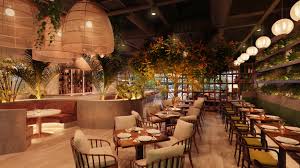
Safety and security are integral to a restaurant’s design. Ensuring a hazard-free environment and robust security measures protects staff and customers, enhancing the overall dining experience.
Incorporating safety protocols and maintaining a secure environment are legal and ethical responsibilities. By addressing potential hazards and security concerns, restaurants can create a safe, welcoming space.
A. Avoiding Hazards
1. Wear Proper Gear: Use aprons and stable shoes to prevent accidents. Proper attire reduces risks like slips or burns, ensuring safety for staff and customers alike.
2. Clear Spillages Promptly: Address spills or dropped items immediately to avoid slips. Quick action maintains a safe environment and prevents injuries during busy service periods.
3. Store Equipment Safely: Ensure items are stored correctly to avoid falls. Proper storage of glassware or cutlery reduces hazards and maintains an organized workspace.
4. Handle Appliances Safely: Unplug appliances before cleaning and switch them off after use. This prevents electrical hazards and ensures a safe environment for all staff.
B. Maintaining A Secure Environment
1. Wear ID Badges: Staff should wear recognizable identity badges. This enhances security by identifying authorized personnel and deterring suspicious activity in the restaurant.
2. Report Suspicious Items: Immediately report unattended packages to security or management. Prompt action ensures safety and prevents potential threats from escalating in the space.
3. Secure Exits: Keep fire doors shut but unlocked and ensure all areas are vacated during lock-up. This maintains a secure environment while adhering to safety regulations.
4. Handle Cash Carefully: Check large bills and card payments to prevent fraud. Vigilance in financial transactions protects the restaurant from losses and maintains operational integrity.
C. Implementing Cleaning Programs
1. Daily Cleaning Tasks: Vacuum, dust chairs, and polish sideboards daily. Regular upkeep ensures a clean, attractive environment that aligns with hygiene standards and customer expectations.
2. Weekly Maintenance: Clean silver, pictures, and fridges weekly. These tasks maintain the restaurant’s polish and prevent dust buildup, enhancing the overall dining experience.
3. Use Correct Materials: Employ appropriate cleaning supplies for each task. Using the right tools ensures effective cleaning without damaging surfaces or compromising hygiene standards.
4. Prioritize Safety: Use stepladders for high areas and avoid using toilet cloths for other surfaces. Safe cleaning practices protect staff and maintain a hygienic dining environment.
Frequently Asked Questions
1. Why is restaurant decor important?
Decor enhances the dining experience, reflecting the cuisine and atmosphere, encouraging customers to return.
2. How does lighting affect a restaurant’s ambiance?
Lighting sets the mood; soft lighting creates warmth, while functional lighting ensures tasks like reading menus are easy.
3. What colors are best for a restaurant?
Warm colors like red, peach, or pale yellow stimulate appetite and create a welcoming, relaxed atmosphere.
4. How can furniture impact the dining experience?
Comfortable, stylish furniture encourages lingering, while poor-quality or damaged pieces can deter customers from returning.
5. What are common design mistakes to avoid?
Avoid cheap furnishings, harsh lighting, loud carpets, and lack of seating divisions to maintain an inviting space.
6. How can greenery enhance a restaurant’s atmosphere?
Greenery like flower pots or trellises adds warmth and coziness, making the dining area more inviting.
7. What safety measures should be considered in design?
Incorporate hazard-free practices, secure exits, and cleaning programs to ensure a safe, welcoming environment for all.
Do you have any questions, suggestions, or contributions? If so, please feel free to use the comment box below to share your thoughts. We also encourage you to kindly share this information with others who might benefit from it. Since we can’t reach everyone at once, we truly appreciate your help in spreading the word. Thank you so much for your support and for sharing!