


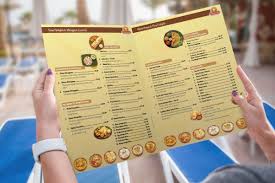
A menu is more than a list of food and beverage offerings; it’s a powerful tool that shapes the dining experience. Through thoughtful design, structure, and presentation, a menu invites customers into a sensory and emotional journey, reflecting the restaurant’s identity and objectives.
Menus serve as the primary selling tool, guiding customers through available items, prices, and service style. They must align with the restaurant’s marketing, catering, and financial policies to meet customer needs and ensure profitability. This article explores the key aspects of building an effective menu.
Understanding the Menu’s Role
The menu is the cornerstone of any food service establishment, acting as a silent salesperson. It communicates what’s available, sets expectations with prices, and reflects the restaurant’s style, making it a critical component of the dining experience.
A well-crafted menu aligns with the establishment’s goals, balancing customer appeal with operational feasibility. It drives sales, enhances the restaurant’s image, and creates a memorable experience for guests.
A. Menu Objectives
1. Marketing Policy Alignment: The menu must reflect the marketing policy, offering products and service styles that appeal to the target market, ensuring customer satisfaction and loyalty.
2. Catering Policy Integration: It determines the menu’s size and style, impacting space, equipment, and staff requirements. The catering policy ensures the menu suits the establishment’s operational capabilities.
3. Financial Policy Support: The menu drives revenue and profitability through strategic pricing, cost control, and sales volume, aligning with the restaurant’s financial goals.
B. Importance of the Menu
1. Stimulating Sales: The menu acts as a silent salesperson, encouraging purchases through appealing presentation and clear information, driving customer interest and orders.
2. Reflecting Restaurant Image: It serves as the restaurant’s signature, showcasing its style and quality. An attractive, informative menu enhances the establishment’s reputation.
3. Establishing Identity: The menu highlights the restaurant’s theme, especially for specialty establishments, creating a unique identity that resonates with guests.
4. Enhancing Dining Experience: A well-designed menu contributes to a memorable dining experience, often becoming a talking point or collectible item for customers.
Read Also: All You Need To Know About Animal Shelters
Types of Menus
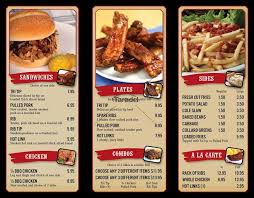
Menus vary based on the type of establishment and dining experience offered. The two primary types—table d’hôte and à la carte—provide distinct approaches, with adaptations for specific settings like banquets or coffee houses.
Understanding these types helps restaurants tailor their offerings to meet customer expectations while aligning with operational goals. Each type serves different purposes and dining contexts.
A. Table d’Hôte Menus
1. Restricted Offerings: Table d’hôte menus offer a limited number of courses, typically three or four, with minimal choices within each course, served at a fixed price.
2. Banquet Menus: These are fixed menus at a set price with no choices, unless pre-arranged, designed for large events to streamline service and ensure consistency.
3. Buffet Menus: Buffets range from simple finger foods to elaborate fork buffets, featuring hot and cold dishes, often carved and portioned for individual guests.
4. Coffee House Menus: A modern table d’hôte variation, these menus offer a limited range of reasonably priced foods, commonly used in hotels and casual dining settings.
B. À la Carte Menus
1. Extensive Choices: À la carte menus provide a wider selection than table d’hôte, with each dish priced separately and prepared to order, offering greater flexibility.
2. Higher Costs: These menus are typically more expensive, often featuring exotic or seasonal ingredients, reflecting the higher cost of personalized preparation.
3. Specialty Sections: They may include a “plat du jour” or “specialty of the house” section, featuring daily prepared dishes that add variety to the menu.
Menu Content and Presentation
Menu content must reflect the establishment’s style and customer expectations. From traditional breakfasts to elaborate à la carte offerings, the content varies based on the occasion, market segment, and operational constraints.
Modern presentation styles, influenced by nouvelle cuisine and celebrity chefs, emphasize plated service. Menus must provide accurate, descriptive information to enhance customer understanding and satisfaction.
A. Content Variations
1. Course Structure: Menus typically include three to four courses, such as appetizers, main dishes, and desserts. Hotel breakfast menus may offer additional items like newspapers.
2. À la Carte Flexibility: À la carte menus may differ for lunch and dinner or remain consistent throughout the day, depending on the restaurant’s operational strategy.
3. Descriptive Accuracy: Menus must describe dishes accurately, especially for plated service, to inform customers about components and accommodate dietary preferences.
B. Modern Presentation Trends
1. Plated Service Impact: Nouvelle cuisine and celebrity chefs have popularized plated service, where dishes are fully composed with vegetables, sauces, and accompaniments.
2. Artistic Descriptions: Menu descriptions use vivid adjectives, akin to describing art, to convey the chef’s vision and enhance the dish’s appeal to customers.
3. Reflecting Identity: The menu’s presentation reflects the chef and restaurant’s identity, creating a cohesive dining experience that aligns with the establishment’s brand.
Balancing and Planning Menus
Effective menu planning involves creating a balanced and varied dining experience. Courses should complement each other, offering diverse flavors, textures, and appearances to maintain customer interest throughout the meal.
Menus must also consider operational constraints, such as kitchen capabilities and food availability, while meeting customer preferences and budgetary goals to ensure satisfaction and profitability.
A. Menu Balance Principles
1. Flavor Variety: Avoid repeating similar flavors across dishes, including main ingredients, spices, or sauces, to keep the meal interesting and diverse.
2. Texture Contrast: Incorporate a variety of textures, from soft to firm, with or without sauces, to create a pleasing mouthfeel and avoid monotony.
3. Visual Appeal: Use colorful vegetables and varied shapes to enhance dish appearance, complementing typically neutral-colored meats, poultry, or starches.
4. Nutritional Balance: Ensure menus offer balanced nutrients, especially in settings like hospitals, to meet health needs and customer expectations.
B. Operational Considerations
1. Kitchen Capabilities: Menus must align with available equipment and staff skills. Certain dishes may be impractical due to physical or labor constraints.
2. Food Availability: Seasonal or regional food availability influences menu offerings, ensuring fresh ingredients and cost-effective choices.
3. Customer Preferences: Researching customer food habits and sociocultural backgrounds helps tailor menus to meet expectations and enhance satisfaction.
Read Also: All You Need To Know About Sweet William Flowers
Menu Management and Presentation

Menus are a management tool, balancing customer satisfaction with operational and financial goals. Effective presentation ensures clarity, readability, and transparency about pricing and additional charges.
By aligning menus with business objectives and customer needs, restaurants can drive sales, maintain profitability, and create a positive dining experience that encourages repeat visits.
A. Management Factors
1. Cost and Budget Goals: Menus must support budgetary goals through strategic pricing and cost control, ensuring profitability while maintaining quality.
2. Production Capabilities: Consider available equipment, personnel, and service systems when planning menus to ensure efficient operations and delivery.
3. Business Philosophy: The menu should reflect the establishment’s philosophy, aligning with its brand and operational vision to create a cohesive experience.
B. Effective Presentation
1. Clear Readability: Menus should be easy to read, with clear, precise descriptions, enabling customers to understand offerings and anticipate costs.
2. Transparent Pricing: Clearly display prices and any additional charges to avoid surprises, fostering trust and ensuring a positive customer experience.
3. Customer-Centric Design: Design menus to reflect customer preferences and trends, keeping offerings fresh and appealing to the target market.
Frequently Asked Questions
1. Why is the menu considered a restaurant’s primary selling tool?
The menu lists available items, prices, and service style, acting as a silent salesperson that stimulates orders and shapes customer expectations.
2. How does a menu reflect a restaurant’s image?
A well-designed menu showcases the restaurant’s style and quality, becoming a signature that enhances its reputation and appeal.
3. What are the differences between table d’hôte and à la carte menus?
Table d’hôte offers limited courses at a fixed price, while à la carte provides more choices, with each dish priced separately and prepared to order.
4. Why is balance important in menu planning?
Balance ensures variety in flavors, textures, and appearances, keeping the meal interesting and satisfying from the first course to the last.
5. How do kitchen capabilities affect menu design?
Menus must align with available equipment and staff skills to ensure dishes can be prepared efficiently and meet quality standards.
6. Why are accurate menu descriptions important?
Accurate descriptions inform customers about dish components, accommodating dietary needs and enhancing satisfaction, especially with plated service.
7. How can menus support financial goals?
Through strategic pricing, cost control, and sales volume, menus drive revenue and profitability, aligning with the restaurant’s financial objectives.
8. What role does customer research play in menu planning?
Researching customer preferences and food trends helps create menus that resonate with the target market, ensuring satisfaction and repeat visits.
Do you have any questions, suggestions, or contributions? If so, please feel free to use the comment box below to share your thoughts. We also encourage you to kindly share this information with others who might benefit from it. Since we can’t reach everyone at once, we truly appreciate your help in spreading the word. Thank you so much for your support and for sharing!