


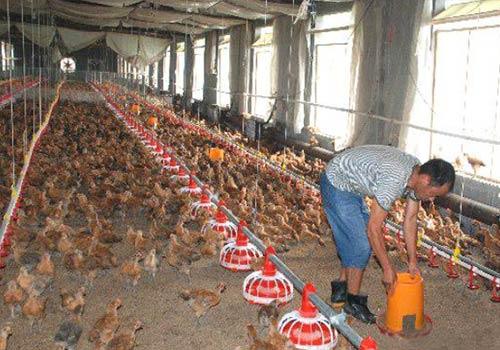
Poultry farming remains one of the most accessible and rewarding agricultural ventures for both small and large-scale farmers around the world. However, choosing the right production system is one of the most critical decisions you’ll ever make as a poultry farmer.
Get it right, and your operation runs efficiently, your birds stay healthy, and your profits grow. Get it wrong, and you’ll constantly be fighting management problems that drain your time, energy, and money.
There are three major poultry production systems practiced globally. The first is the extensive or free-range system, where birds roam over large open spaces with minimal restrictions.
The second is the semi-intensive or restricted range system, which combines outdoor access within a fenced area with nighttime indoor housing. The third and perhaps most widely adopted commercial approach is the intensive system, which keeps birds indoors in a highly controlled environment at all times.
Within the intensive system category, one method stands out for its simplicity, practicality, and widespread use across different farming scales: the deep litter poultry production system.
This system has been adopted by thousands of farmers across tropical and subtropical regions because it’s manageable, relatively affordable, and adaptable to both broiler and layer production.
But what exactly is the deep litter system? How does it work? And is it the right choice for your farm? These are the questions this article answers in full detail.
Whether you’re a first-time farmer trying to figure out which system to adopt or an experienced producer looking to review your current practices, you’ll find everything you need right here.
Poultry birds are kept for different purposes. White Leghorns, for instance, are primarily raised for egg production, while broiler strains, which are crosses between Cornish White, New Hampshire, and White Plymouth Rock breeds, are raised mainly for meat.
The deep litter system serves both purposes effectively, making it one of the most versatile indoor production methods available.
One more thing worth noting before we get into the details: poultry farming is expanding rapidly into tropical and high-temperature regions. Traditional farming methods developed in cooler climates don’t always work well in these environments.
Special techniques and thoughtful management are necessary for getting the best results from your birds in hot, humid conditions. This is especially true when it comes to housing design and litter management, two areas the deep litter system depends on heavily.
Read Also: Semi-Intensive/Restricted Range Poultry Production System
1. What Is the Deep Litter Poultry Production System?
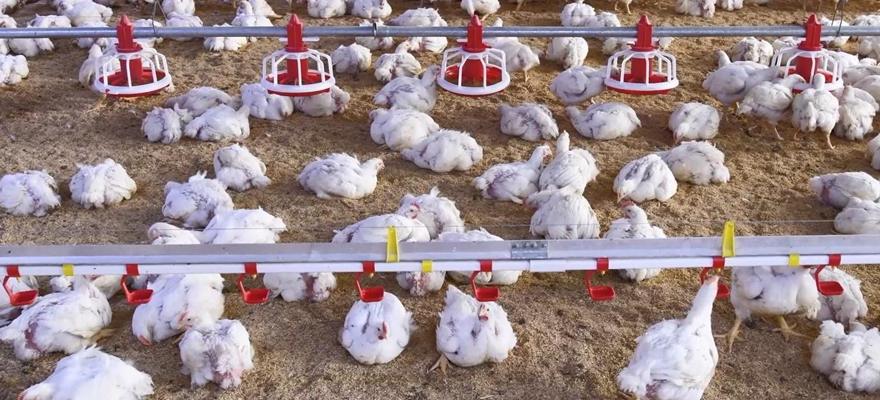
The deep litter poultry production system is an intensive indoor farming method where birds spend their entire lives inside a large, permanent poultry house. There’s no outdoor access. Instead, the floor of the house is kept covered with a layer of organic bedding material, which is what gives this system its name.
The bedding material, commonly referred to as “litter,” can be made from finely cut straw, rice husks, sawdust, wood shavings, or a combination of these materials. This litter layer serves several important functions.
It absorbs moisture from droppings, keeps the floor dry and comfortable for the birds, acts as insulation, and over time, undergoes a natural composting process that generates warmth and contributes to a healthier floor environment.
Feed and water are always available inside the house. Troughs of dry mash and clean water are kept accessible to the birds at all times. For layers, additional equipment like perches and nest boxes are also provided inside the house. These allow hens to express natural roosting and nesting behaviors even within a confined indoor environment.
The deep litter system is straightforward to manage once you understand its basic principles. The key is maintaining the litter in the right condition throughout the production cycle. When it’s managed well, this system can produce very good results for both broilers and layers.
2. How the Deep Litter System Works
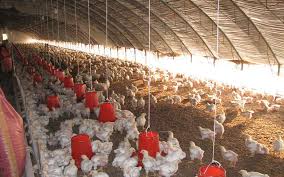
Understanding the mechanics of this system helps you manage it properly and avoid the common mistakes that lead to poor performance.
A. Litter Depth and Management
The depth of the litter layer changes depending on the age of the birds.
i. Starting depth for young birds: When chicks are first introduced to the house, start with an initial litter layer of 2 to 3 inches (approximately 5 to 7.5 cm). This gives young birds a comfortable surface without making it too deep for them to move around in.
ii. Building up for adult birds: As birds grow, you gradually add more material to bring the litter depth up to around 9 inches (approximately 23 cm) for adult birds. This deeper layer provides better insulation, greater moisture absorption, and a more active microbial environment that helps decompose droppings naturally.
iii. Litter renewal: You don’t need to change the litter every production cycle. Under normal conditions, litter can be renewed once a year or when it becomes excessively lumpy, compacted, wet, or caked. When renewal is needed, the old litter should be completely removed and the floor thoroughly cleaned and disinfected before fresh material is added.
iv. Litter maintenance between renewals: Regularly stir or turn the litter to prevent it from becoming compacted and to encourage even drying. Remove any wet or caked patches promptly, especially around drinkers where water spillage is common. Replace removed material with fresh bedding.
B. Space Allocation
i. Floor space per bird: The standard recommendation for the deep litter system is 1 square foot (approximately 30.5 cm²) of floor space per bird. This figure applies to broilers and layers under standard management conditions.
ii. Why spacing matters: Overcrowding is one of the biggest mistakes you can make in a deep litter house. Too many birds per square foot leads to rapid litter degradation, increased ammonia levels, higher disease pressure, and a spike in social vices like pecking and cannibalism. Always stick to the recommended stocking density.
C. Equipment Inside the House
i. Feed troughs: Dry mash is the standard feed type in a deep litter setup. Position troughs at the right height for your birds’ size and ensure even distribution throughout the house so all birds have equal access.
ii. Water troughs: Clean, fresh water must always be available. Position drinkers carefully to minimize spillage, which is the main cause of wet litter. Nipple drinkers and bell drinkers can significantly reduce water wastage compared to open trough systems.
iii. Perches (for layers): Perches give laying hens a place to roost at night, which reduces stress and improves welfare. Install perches at an appropriate height and ensure there’s enough perch space for all birds.
iv. Nest boxes (for layers): Provide one nest box for every four to five hens. Nest boxes should be positioned slightly off the floor, lined with clean nesting material, and placed in a quieter, slightly darker area of the house to encourage laying.
3. Advantages of the Deep Litter System
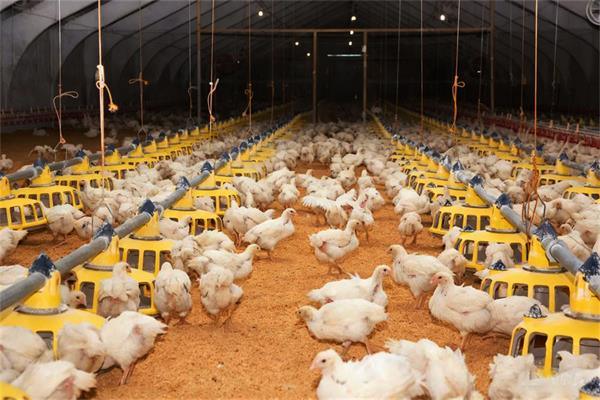
The deep litter system has several genuine advantages that explain why it remains so popular across different farming environments.
A. Protection from Predators
i. Fully enclosed housing: Because birds never go outside, there’s no risk of losing them to foxes, hawks, snakes, dogs, or other predators. This is a major advantage for farms located in areas where predator pressure is high.
ii. Reduced mortality from attacks: Predator attacks can cause sudden large-scale losses that are both financially damaging and distressing. The deep litter system completely eliminates this risk.
B. Lower Parasite Risk
i. Controlled indoor environment: With proper management, the indoor environment has fewer opportunities for external parasites like lice, mites, and ticks to infect birds. Birds kept indoors don’t encounter wild birds, contaminated soil, or other common sources of parasitic infection.
ii. Easier treatment: When parasitic issues do occur, treating birds in a confined indoor space is far easier than chasing down free-range birds spread across an open field.
C. Easier Day-to-Day Management
i. Birds are always accessible: Because your flock stays inside the house at all times, routine tasks like feeding, watering, health checks, vaccination, and egg collection are all simpler and faster to carry out.
ii. Better monitoring: Confined birds are easier to observe closely. You can spot health problems, behavioral issues, or production changes quickly before they affect the broader flock.
D. Year-Round Production
i. Weather independence: Fully indoor birds aren’t affected by rain, extreme heat, cold snaps, or other weather events that can disrupt the performance of free-range or semi-intensive flocks.
ii. Consistent performance: With properly controlled temperature, ventilation, and lighting inside the house, you can maintain consistent production levels throughout the year regardless of season.
4. Disadvantages of the Deep Litter System
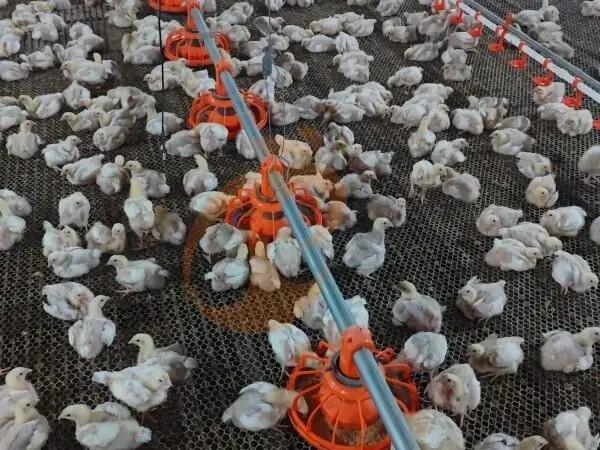
Like every production system, the deep litter approach comes with its own set of challenges. Knowing these upfront helps you plan better and manage them proactively.
A. Nutritional Deficiency Risk
i. No natural foraging: Unlike free-range birds that supplement their diet with insects, grass, seeds, and other natural food sources, deep litter birds rely entirely on the feed you provide them. If your feed formulation is poorly balanced or if birds aren’t eating enough, nutritional deficiencies can develop quickly.
ii. Impact of deficiencies: Nutrient deficiencies affect egg production, growth rates, feather quality, immune function, and overall flock health. Work with a qualified poultry nutritionist to develop or select feed formulations that meet all your birds’ nutritional needs.
B. Social Vices and Behavioral Problems
i. Increased cannibalism: Confined birds in an indoor environment are more prone to pecking behavior that can escalate into full cannibalism. Overcrowding, boredom, nutritional imbalances, and poor lighting management all contribute to this problem.
ii. Fighting: Competition for feed, water, and space can lead to aggressive behavior among flock members. Ensure adequate feeder and drinker space to reduce competition.
iii. Broodiness in layers: Laying hens in the deep litter system may become broody more easily, particularly if nest boxes aren’t managed well. Broody hens stop laying eggs and take up nest space, reducing your overall production. Remove broody hens promptly and use lighting management strategies to discourage broodiness.
C. Litter Management Challenges
i. High humidity problems: During the rainy season or in naturally humid climates, keeping the litter dry becomes significantly harder. Wet litter produces ammonia gas, harbors disease organisms, causes breast blisters in broilers, and creates conditions for footpad dermatitis. Vigilant monitoring and prompt action are necessary to keep litter in good condition during these periods.
ii. Caking and compaction: Litter can cake into hard patches, especially under and around drinkers. Caked litter doesn’t function properly as bedding and must be removed and replaced regularly.
D. High Capital Investment
i. Infrastructure costs: Setting up a proper deep litter house with adequate ventilation, feeding and watering equipment, and other infrastructure requires a meaningful upfront investment. This can be a barrier for farmers with limited starting capital.
ii. Ongoing operational costs: Feed, bedding material, equipment maintenance, medication, and labor all add up. Careful financial planning is essential before starting a deep litter operation.
5. Poultry House Design Principles for the Deep Litter System
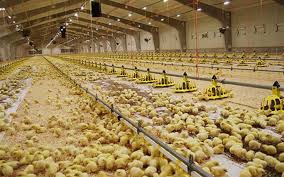
A well-designed house is the foundation of a successful deep litter operation. This is especially true in tropical environments where heat and humidity pose constant challenges.
The core principle of poultry house design is simple: keep birds productive throughout their lives by providing optimal temperature, humidity, ventilation, and lighting. At the same time, your house should be structurally sound, durable, and affordable to build and maintain.
A. Ventilation
i. Critical in hot climates: Good airflow is non-negotiable in a deep litter house. Without it, heat, ammonia, and moisture build up rapidly and create conditions that devastate bird health and performance.
ii. Open-sided designs: In tropical regions, many deep litter houses use partially open sidewalls with wire mesh. This allows natural cross-ventilation while still keeping birds contained and protected from rain and predators.
iii. Ridge ventilation: An open ridge along the roofline allows hot, stale air to escape naturally while drawing fresh air in from the sides. This passive ventilation approach is cost-effective and highly efficient.
iv. Mechanical fans: During particularly hot periods, supplemental fan systems may be necessary to maintain adequate airflow throughout the house.
B. Temperature Management
i. Orientation: Build the house so the long axis runs east to west. This minimizes the wall area exposed to direct sunlight during the hottest parts of the day.
ii. Roofing materials: Use insulated or reflective roofing materials to reduce heat transfer into the house from the sun. A wide roof overhang also helps shade the walls.
iii. Natural shading: Planting trees around the building reduces the heat load from direct sunlight. Mature trees on the south and west sides provide particularly valuable shade.
C. Lighting
i. Natural light: Design windows and open areas to maximize natural light during the day without creating excessive heat inside the house.
ii. Artificial lighting for layers: Supplemental lighting extends the productive day length and stimulates consistent egg production year-round. A regular light schedule also reduces stress and helps maintain flock uniformity.
6. Feed and Water Management in the Deep Litter System
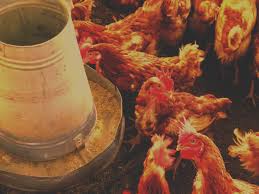
Feed accounts for 60 to 70 percent of total production costs in most poultry operations. Because of this, how you manage feed can either make or break your bottom line. Similarly, water management directly affects litter quality, which in turn affects bird health and performance throughout the production cycle.
A. Feed Management Best Practices
i. Never overfill troughs: Fill feed troughs to no more than one-third of their capacity at a time. Overfilling encourages birds to scatter feed onto the litter floor where it gets soiled and wasted. This simple change alone can save you significant money.
ii. Adjust tube feeders properly: Tube feeders opened too widely allow excess feed to flow at once, leading to unnecessary waste. Set them at the correct level for your birds’ age and size.
iii. Use spillage-reducing trough designs: Modern feed trough designs can reduce spillage by up to 20 percent compared to older open designs. This investment pays back quickly through reduced feed waste.
iv. Match feed to production stage: Use starter, grower, and finisher rations for broilers and pre-layer, layer, and peak-production feeds for layers. Using the wrong formulation wastes money and compromises performance.
v. Store feed correctly: Keep feed in cool, dry, well-sealed storage. Poorly stored feed spoils, loses nutritional value, and attracts pests.
B. Water Management Best Practices
i. Keep water clean and fresh: Change water regularly and clean drinkers frequently to prevent bacterial buildup that can cause disease.
ii. Use efficient drinkers: Nipple drinkers and bell drinkers reduce water spillage far better than open trough drinkers. Less spillage means drier litter, which is one of the most important factors in maintaining a healthy deep litter environment.
iii. Check for leaks daily: Even a small drinker leak can wet a large area of litter quickly. Inspect drinkers every day and repair or replace leaking units immediately.
In conclusion, poultry is a remarkably versatile bird that adapts well to many different production systems and environments. The deep litter system stands out as a practical, manageable, and effective option for farmers of varying experience levels and resource availability. When managed well, it delivers strong results for both meat and egg production. The choice of which system to adopt ultimately comes down to your available capital, land, labor, and production goals.
Read Also: Extensive System/Free Range Poultry Production System
Summary on Deep Litter Poultry Production System
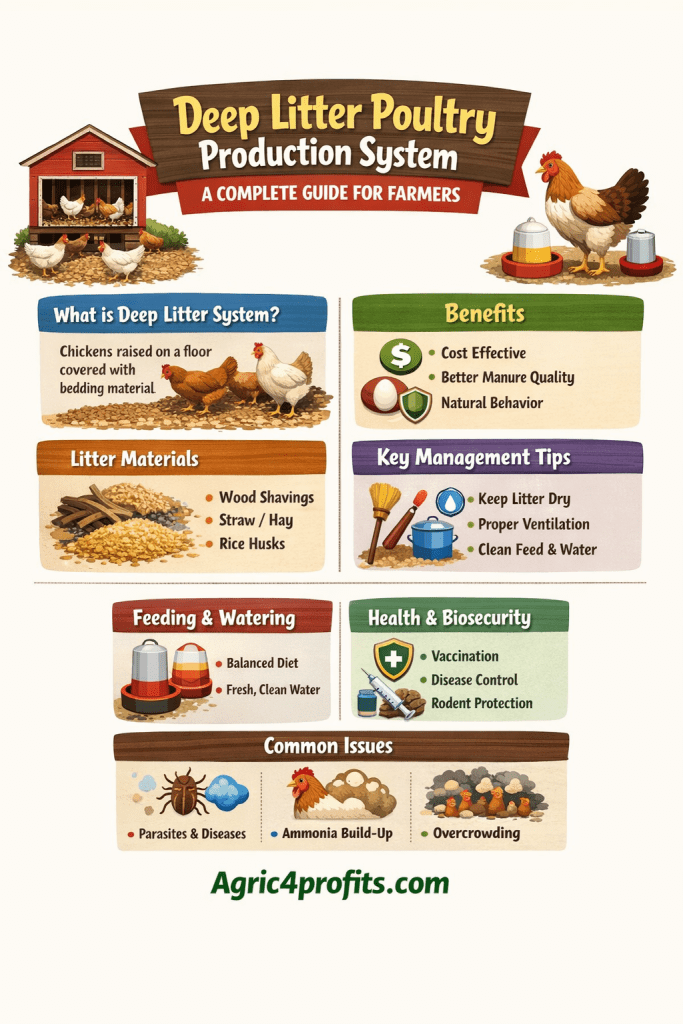
| Topic | Key Points |
|---|---|
| System Overview | Intensive indoor system where birds are permanently housed and floors are covered with organic litter material |
| Litter Materials | Finely cut straw, rice husks, sawdust, or wood shavings |
| Litter Depth | 2 to 3 inches for young birds; built up to 9 inches for adult birds |
| Litter Renewal | Once a year or when litter becomes lumpy, compacted, or excessively wet |
| Floor Space | 1 square foot (30.5 cm²) per bird |
| Equipment Needed | Feed troughs, water troughs, perches, and nest boxes (for layers) |
| Key Advantages | No predator risk, lower parasite exposure, easier management, weather-independent production |
| Key Disadvantages | Nutritional deficiency risk, cannibalism and social vices, litter management challenges, high capital cost |
| Housing Design | East-west orientation, open sidewalls, ridge ventilation, insulated roofing for tropical climates |
| Feed Wastage | Never overfill troughs; use modern trough designs to cut wastage by up to 20% |
| Water Management | Use nipple or bell drinkers to minimize spillage and keep litter dry |
| Suitable Bird Types | Both broilers and layers; versatile across production purposes |
Frequently Asked Questions About Deep Litter Poultry Production System
1. What materials can I use for deep litter bedding?
The most common materials are finely cut straw, rice husks, sawdust, and wood shavings. Your choice depends on what’s locally available and affordable. The material should be absorbent, low in dust, free from mold, and not toxic to birds. Avoid materials that compact too quickly or that become slippery when wet.
2. How often should I change the litter in a deep litter house?
Under good management conditions, you can go up to a full year before completely changing the litter. However, you should regularly stir it, remove caked or wet patches, and add fresh material in problem areas. Change the entire litter immediately if it becomes heavily contaminated, excessively wet throughout, or if a disease outbreak occurs that requires full house decontamination.
3. How do I prevent the litter from getting wet and smelly?
The main cause of wet litter is water spillage from drinkers. Use nipple or bell drinkers instead of open troughs, inspect drinkers daily for leaks, and fix problems immediately. Also maintain proper ventilation to remove moisture from the air inside the house. During rainy seasons, increase ventilation and monitor litter condition more closely.
4. How do I control cannibalism in a deep litter house?
Start by ensuring your stocking density doesn’t exceed 1 square foot per bird. Check that all birds have adequate access to feed and water to reduce competition. Review your feed formulation for nutritional imbalances, particularly protein, salt, and fiber levels. Manage lighting properly as continuous bright light can increase pecking behavior. Beak trimming may be necessary in severe cases for laying flocks.
5. Can I use the deep litter system for both broilers and layers?
Yes, the deep litter system works well for both. For broilers, the focus is on maintaining clean, dry litter throughout the short production cycle to prevent footpad dermatitis and breast blisters. For layers, you additionally need to provide perches and nest boxes inside the house. The litter management principles remain the same for both types.
6. What is the right temperature to maintain inside a deep litter house?
For adult layers, the ideal range is 18 to 24°C (65 to 75°F). For broilers, it depends on age: start at around 32 to 35°C (90 to 95°F) for day-old chicks and reduce by roughly 3°C per week until you reach ambient temperature. In tropical climates, keeping temperatures within the right range requires good ventilation design and sometimes evaporative cooling systems.
7. How much space do I need per bird in a deep litter system?
The standard recommendation is 1 square foot (approximately 930 cm²) per bird. For broilers approaching market weight, you may need slightly more space to prevent heat stress from the combined body heat of large, heavy birds. Always prioritize adequate spacing, as overcrowding is one of the most common causes of poor performance and disease outbreaks in this system.
8. What are the signs that my litter needs to be replaced?
Key warning signs include: visible mold growth on the surface, a strong persistent ammonia smell even with good ventilation, large areas of hard caked material that can’t be broken up and replaced locally, consistently wet patches that don’t dry out even after removing the wet material, and an increase in footpad lesions or respiratory problems in your flock. Any of these signs means it’s time for a full litter cleanout.
9. Is the deep litter system suitable for a small-scale farmer?
Yes, it’s actually one of the best systems for small-scale farmers. You don’t need a lot of land since birds stay indoors. The initial infrastructure cost is manageable compared to cage systems. Management is straightforward once you learn the basics of litter care, feed management, and ventilation. Many successful small-scale farmers across Africa and Asia use this system profitably.
10. How does the deep litter system compare to cage production for layers?
Cage systems generally achieve higher egg production per bird and better feed conversion ratios because birds expend less energy on movement. However, cage systems require higher capital investment in equipment and are more controversial from an animal welfare standpoint. The deep litter system costs less to set up, is easier to manage without specialized equipment, and gives birds more freedom of movement. For farmers starting out or operating at small to medium scale, the deep litter system is often the more practical and cost-effective choice.
Do you have any questions, suggestions, or contributions? If so, please feel free to use the comment box below to share your thoughts. We also encourage you to kindly share this information with others who might benefit from it. Since we can’t reach everyone at once, we truly appreciate your help in spreading the word. Thank you very much for your support and for sharing!
Read Also: Who Is Responsible for Explaining Proper Waste Disposal Procedures to Passengers On a Boat?