


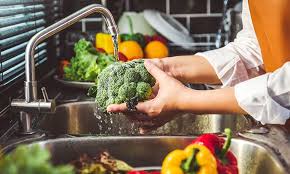
Food is a vital element required for human survival. Food intended for human consumption must be secure and free of dangerous microorganisms that might taint it. Maintaining good hygiene standards requires the cooperation of both the environment and those handling the food.
Food safety practices, according to Lagerkvist, Amuakwa-Mensah, and Tei Mensah (2018), can be thought of as actions and steps taken to ensure that food consumed does not harm anyone but instead achieves its intended purpose.
Producing food in a way that prevents diseases and infections while retaining sufficient nutrients for a balanced diet is what is meant by “food safety” (Handbook for Gambian Youth).
Food safety is a branch of science that deals with handling, preparing, and storing food to lower the risk of foodborne illness (Bhavana, 2020). It represents the greatest frequency and/or concentration of a (microbiological) danger in food at the moment of consumption that provides the appropriate level of health protection, according to Hari (2006).
Food safety is all about reducing the risk of becoming ill as a result of improperly handling, preparing, or storing food. By upholding basic food safety guidelines, this risk can be reduced, protecting people from illness and disease caused by foodborne microorganisms. Food safety refers to the processes and practices used to ensure that consumed food does not harm anyone and serves its intended purpose.
Food safety involves practices in handling, preparing, and storing food intended to reduce the risk of foodborne illness and injury. When food is cooked and/or consumed in accordance with its intended use, consumers are guaranteed no negative effects.
Food safety is defined as the degree of confidence that food will not cause sickness or harm to the consumer when prepared, served, and eaten according to its intended use (FAO/WHO, 2003). It deals with how to handle, prepare, and store food to minimize the chance of contracting a foodborne illness.
The criteria above demonstrate that food safety occurs when customers are free of germs that cause food spoilage. Two UN agencies, the Food and Agriculture Organization (FAO) and the World Health Organization (WHO), have been tasked with spearheading international efforts to promote food safety, claims Bhavana (2020).
Food service businesses and associated industries must ensure food safety in their facilities to keep and attract clients. By reducing the risk of foodborne infections, the health of individuals for whom food is prepared can be ensured. Whether cooking for a family at home or on a large scale for more people, reducing the risk of foodborne illnesses as much as possible is imperative
Read Also: Important Diseases of Crop Plants
Key Purposes of Food Safety

The purposes of food safety are as follows:
- To ensure that foods are safe for human consumption.
- To make sure that food produced meets standards and is safe for consumers.
- To ensure that food contaminated by viruses, bacteria, and parasites causing food poisoning is eliminated.
- To ensure that food poisoning, which may lead to kidney failure or even death, is reduced to the barest minimum.
- To ensure that vulnerable groups, such as babies, children, older people, and pregnant women, are protected from food poisoning.
According to Njunina (2021), food safety plays a significant role within the entire food chain. Food businesses are required to implement food safety management systems to protect consumer health from foodborne diseases. Beyond this concept, food safety contributes to important societal necessities, such as food security.
When properly implemented, food safety practices can help detect and control food safety risks, contributing to economic prosperity, food security, and continuous and sustainable development. Providing safe food for consumption ensures a continuous food supply for everyone. The many benefits of food safety in various aspects of life prove its importance for everyone.
The farm-to-fork (or farm-to-table) concept is well-known in the food industry. This concept emphasizes that food safety should be observed from the production of raw foods until the finished product reaches the consumer.
Standard food safety practices for growing produce have been established in laws such as the Food Safety Management Act in the United States. The farm-to-fork concept highlights how food safety hazards can occur at any point in the food supply chain.
The ultimate goal of food safety is to create a sustainable and secure food supply for everyone, emphasizing an enjoyable food experience while ensuring safety. When all parties in the food chain—manufacturers, suppliers, the government, and consumers—play their role in food safety, this goal can be achieved (Njunina, 2021).
According to the Handbook for Gambian Youth (n.d.), the purposes of food safety include:
- Preventing food-related diseases and deaths.
- Protecting against false allegations and loss of reputation.
- Improving yields and reducing post-harvest losses.
- Reducing costs and allowing better resource utilization.
- Helping meet standards and technical regulations.
- Enabling production to meet buyer requirements in international and regional trade.
In the scientific field of food safety, handling, preparing, and storing food in a manner that reduces the risk of contracting a foodborne illness is described. This comprises various practices to prevent potential serious health risks (www.sesotec.com).
Food safety is crucial because it shields consumers from the possibility of contracting foodborne illnesses and other health-related issues, including allergies. It also protects businesses handling food against product recalls that cause financial losses due to faulty goods. Rejected products, potential legal action, and business closure by public health authorities due to reports of unsafe items sold to the public are further problems caused by unsafe products (www.sesotec.com).
Reasons for Food Safety in the Hospitality Industry

According to Lindsey (n.d.), the four reasons why the hospitality industry needs food safety solutions are as follows:
1. Consumer Demand for Traceability and Transparency
Consumers demand greater openness from companies across all industries. Supply chain transparency and food traceability foster customer trust in the hospitality industry when shared with the final consumer.
Customers, whether eating at home, in aestaurant, or in a hotel, want to know where their food comes from, how it has been handled, and how long it has been in transit before reaching their plate.
In fact, 69 percent of customers say understanding how food was sourced is vital, and seven out of ten respondents believe knowing where food was created and handled is among the most important facts about a restaurant.
2. Building Consumer Trust Through Food Safety
In the hospitality industry, maintaining customer trust is crucial. Food safety problems can cause enormous harm, especially with heightened concerns about hygiene and germs. For instance, six out of ten customers say they won’t return to a place after contracting a foodborne disease there.
Businesses providing food service staff with enterprise-class mobile laptops can monitor consumption and ingredient perishability, helping prevent future mishaps. Only 20% of consumers share the full confidence of industry insiders who trust businesses to ensure food safety.
This trust gap suggests consumers may not yet be aware of investments in food safety technology. Whether a fast-casual or high-end restaurant, customers want assurance that the business is dedicated to maintaining their health.
3. Protecting the Bottom Line
Customers’ high expectations pressure businesses to increase production to offset declining margins. Food safety might occasionally suffer due to overworked systems. Using technology to monitor and regulate the food supply chain from warehouse to distributor to final consumer can avoid harmful effects.
Supply chain technology helps companies respond swiftly to unforeseen circumstances disrupting the market. Optimizing supply chain resilience enables new services like curbside pickup or delivery, which have grown in popularity due to social distancing. It also ensures compliance with legal obligations.
4. Predicting Future Trends
Restaurants and food service companies can employ predictive models to optimize supply chains in the long term once technologies for real-time operations are adopted. Increased productivity, the ability to predict and prevent future problems, and a return on investment are benefits of predictive analytics.
According to Zebra’s Food Safety Supply Chain Vision Study, 62% of industry decision-makers intended to operate supply chains more foresightedly over the next five years, while 93% planned to increase investment in food monitoring technology over the coming year.
Implementing supply chain technology offers numerous benefits, and predictive analytics will be essential for preserving client loyalty and helping hospitality firms stay competitive.
Importance of Food Safety
Food safety is important because it protects consumers from the risk of foodborne illness and health-related conditions, such as allergies and even death. It safeguards food processing establishments from product recalls resulting in financial losses due to unsafe products.
Food safety helps prevent the spread of germs in the food service area, ensuring food is safe to eat and does not lead to outbreaks of foodborne illness. Effective food safety management systems assist food handlers in managing procedures to reduce risks.
According to David and Patricia (2011), the reasons food safety is important in any food service business include:
- Avoiding any incidence of food poisoning.
- Building a good local reputation.
- Giving customers and staff confidence in the food and services provided.
- Incurring less wastage, leading to lower running costs.
- Providing pleasant working conditions for staff, leading to retention and greater job security.
- Receiving favorable press reviews.
- Building and retaining desired levels of business.
Food safety is crucial because it protects the well-being and security of people consuming food produced through industrial procedures. The financial success and continued operation of a food facility may be affected by the lack of food safety policies and initiatives. Statistics and research worldwide show that eateries without a HACCP or food safety program are at risk of:
- Recall of a food product after consumption-related disease cases were reported.
- Revenue loss due to a drop in sales or a product recall.
- Lower sales due to consumer loss of faith in the product.
- Consumer lawsuits resulting in significant financial settlements.
- Forced closure due to inadequate processing standards.
- Falling sales revenues causing bankruptcy.
Read Also: Fertilizer Application, Pests and Diseases Control in Cocoa
Impact of Food Safety in Food Establishments
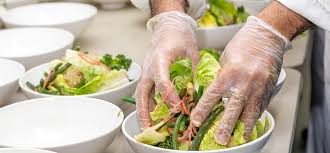
1. Cost of Food Recalls to Businesses
Ineffective food safety protocols may result in contaminated products entering the food supply. Food firms face significant operational disruptions if a faulty product is found, as they handle and bear the expense of product recalls. Companies lose an average of $10 million USD in direct, observable expenses due to food recalls.
The long-term impact on consumer confidence may be even more costly, with 21% of consumers claiming they won’t buy from a company that recalls a food product.
2. Human Cost of Unsafe Food
Food safety is crucial to contemporary life. Over 200 avoidable diseases are caused by food safety issues worldwide. One in ten people becomes sick or injured from food annually, with over 25% of contaminated food poisoning victims being children under five. Poor food safety has a larger knock-on effect, impeding socioeconomic advancement, particularly in developing countries.
The World Health Organization highlights indissoluble ties between food security, nutrition, and safety. The absence of healthy food results in a “vicious cycle of disease and malnutrition” that burdens public health systems, stymies social and economic advancement, and lowers quality of life (https://www.sesotec.com).
Key Benefits of Food Safety According to Njunina (2021)
1. Protection from Foodborne Illnesses and Injuries
The main objective of food safety is to protect consumers from foodborne diseases or injuries related to food consumption. Foodborne illnesses are a major threat to food businesses and affect people worldwide due to inadequate food safety.
These effects are caused by foodborne pathogens, including harmful bacteria, fungi, yeasts, parasites, or viruses. Chemical substances, heavy metals, and excessive additives can also cause foodborne illnesses and acute poisoning.
Depending on the product, pathogens thrive without adequate food safety controls. Physical hazards, such as shards of glass or metal pieces, can also cause infections and injuries. Proper food safety measures ensure safe food and reduce the chance of infection.
2. Reduced Costs from Food Safety Issues
Unsafe food with proven safety issues may be deemed unfit for consumption and require disposal. Defective product recalls cost companies more, affecting profits and potentially causing business closure.
The cost of recalls includes medical expenses or lawsuits for damages if the issue is widespread. For consumers, proper food safety practices reduce costly healthcare expenses by lowering disease risk.
3. Reduction of Waste
Food products with safety issues may require disposal. Proper food safety practices cut waste through better food production processes. Food safety management systems detect and control hazards before they enter production, preventing further waste.
4. Improved Quality of Life
Foodborne illnesses affect consumer productivity, potentially requiring hospitalization in extreme cases, causing disruptions in daily activities. Applying food safety practices in food service establishments and at home prevents these issues, allowing everyone to enjoy food without the dangers of safety hazards.
5. Sustainable Food Production
Some food production practices face backlash due to negative environmental effects. Proper food safety practices include manufacturing processes that protect consumers and the environment, such as reducing synthetic fertilizers that can leach into food products.
Food safety legislation ensures clean drinking water and reduces air, sewage, and other environmental pollutants, significantly contributing to environmental health.
6. Safer Food Globalization
Food safety laws protect consumers from safety issues. Adhering to comprehensive guidelines makes products competitive in the fast-paced globalization of the food industry. Proper food safety management systems open routes to broader distribution channels for food businesses.
Do you have any questions, suggestions, or contributions? If so, please feel free to use the comment box below to share your thoughts. We also encourage you to kindly share this information with others who might benefit from it. Since we can’t reach everyone at once, we truly appreciate your help in spreading the word. Thank you so much for your support and for sharing!