


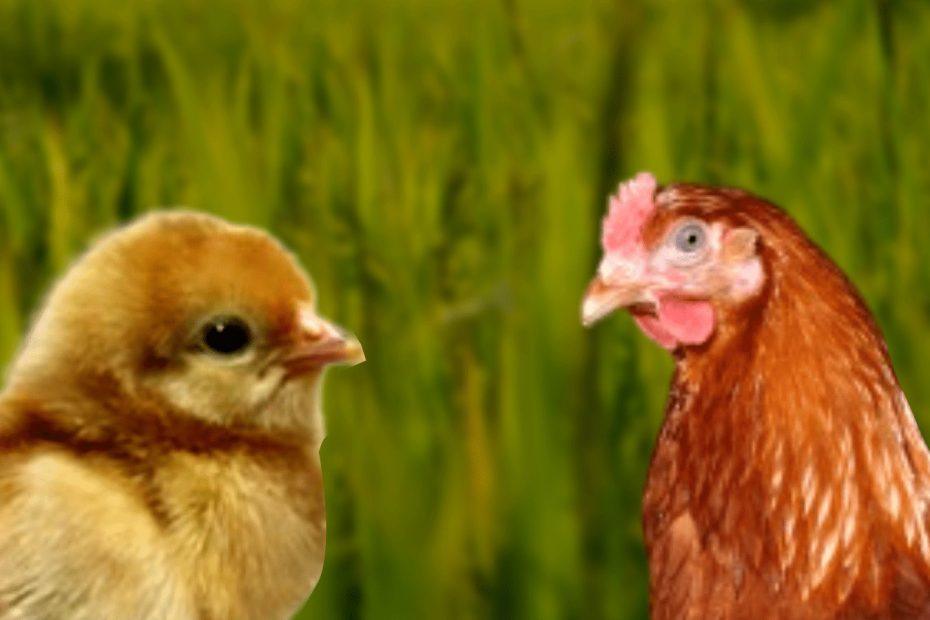
Starting a poultry farm or expanding your existing flock means you’ll face one major decision right away. Should you buy day-old chicks or point-of-lay birds?
This choice affects your budget, timeline, and how much work you’ll need to put in. Get it wrong and you might lose money or struggle with birds that don’t fit your setup. Get it right and you’re on track for a profitable operation.
Both options work, but they work for different situations. Let’s look at what each option offers and when to choose one over the other.
1. What Are Day-Old Chicks?
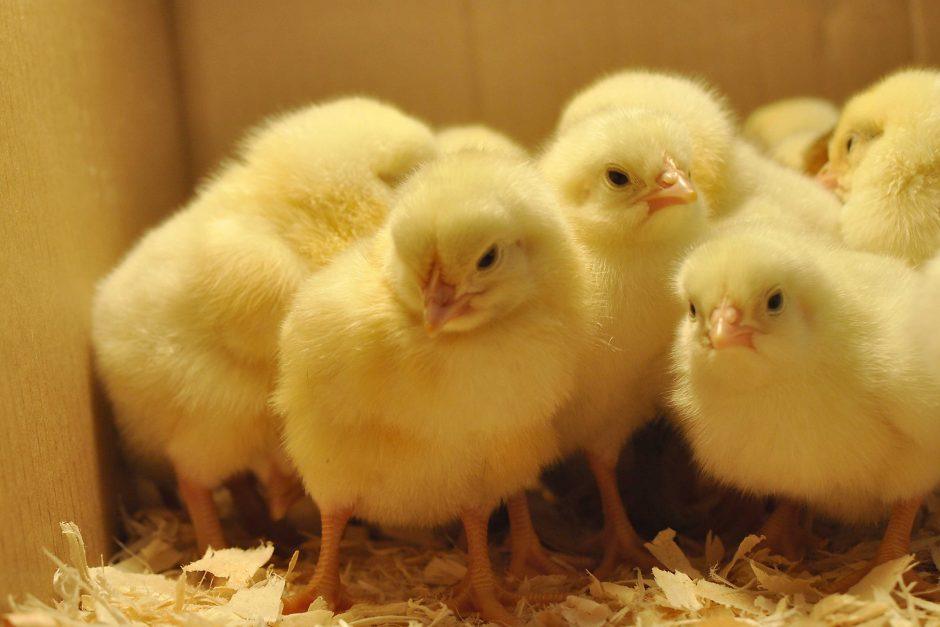
Day-old chicks are exactly what they sound like. These are baby birds that are just 1-3 days old when you buy them.They’re tiny, fluffy, and need constant care. You can’t just put them in a regular coop and expect them to survive.
i. Housing and Care Requirements for Day-Old Chicks
Day-old chicks need a brooder. This is a heated space that keeps them warm since they can’t regulate their body temperature yet.
You’ll need to maintain specific temperatures. Start at about 95°F (35°C) for the first week, then reduce it by 5°F each week until they’re fully feathered.
They also need special starter feed with higher protein content. Plus, you have to watch them constantly for signs of illness or stress.
ii. Vaccination and Health Management for Day-Old Chicks
Most hatcheries vaccinate chicks for Marek’s disease before selling them. But you might need to handle other vaccinations yourself.
Common vaccines include Newcastle disease and infectious bronchitis. The timing matters, so you’ll need to follow a vaccination schedule. Young chicks are fragile. Mortality rates can be 5-10% or higher if you don’t manage them well.
Read Also: Vaccination Program for Pullet/Layer Birds
2. What Are Point of Lay (POL) Birds?
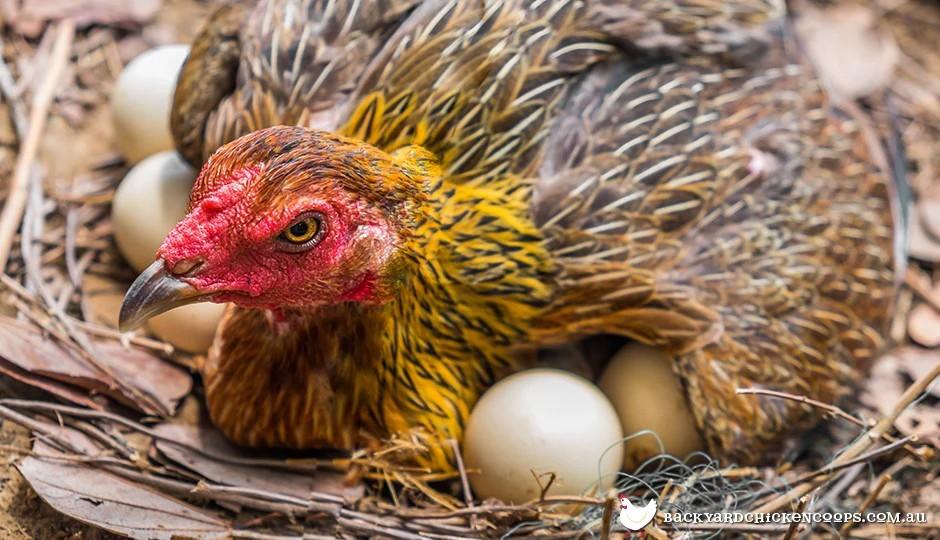
Point of lay birds are older. They’re typically 16-20 weeks old and about to start laying eggs. These birds are fully feathered and nearly mature. Some might already be laying their first eggs when you buy them.
i. Physical Characteristics of Point of Lay (POL) Birds
You can tell a POL bird by its size and development. The comb and wattles are red and well-developed. The bird looks like an adult chicken.
They’re strong enough to handle normal weather conditions. No special heating is required unless you live somewhere extremely cold.
ii. Housing Requirements for Point of Lay (POL) Birds
POL birds need standard layer housing. A simple coop with nest boxes, perches, and good ventilation will work.
You can put them straight into your regular chicken run. They adapt quickly and start producing within days or weeks.
iii. Management Needs of Point of Lay (POL) Birds
These birds are easier to manage than chicks. They eat regular layer feed. They’re past the vulnerable stage where small problems can kill them. You still need to monitor their health, but the daily workload is much less intense.
3. Key Differences Between Day-Old Chicks and Point of Lay Birds
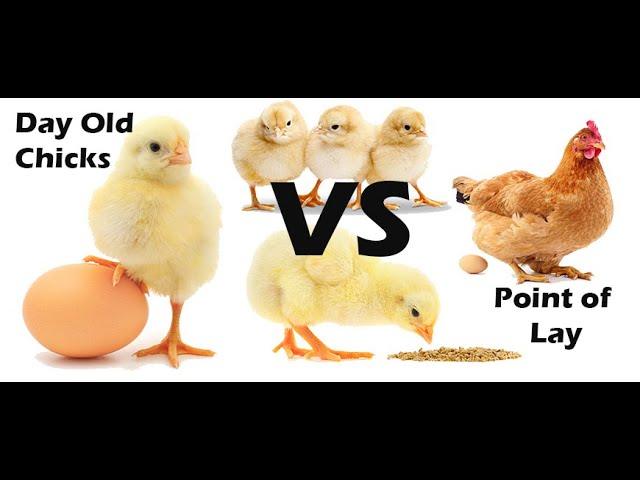
The differences between these two options are significant. Here’s what sets them apart.
| Difference | Day Old Chicks | Point of Lay Birds |
|---|---|---|
| Initial Cost | Cheaper upfront at $2-5 per chick depending on the breed | More expensive at $15-30 per bird. Premium breeds can cost even more |
| Time to Productivity | 18-22 weeks before you see the first egg. That’s 4-5 months with no income from those birds | Start producing almost immediately. Within 1-2 weeks, you should be getting eggs regularly |
| Management Requirements | Demand constant attention. You’re checking temperatures, adjusting brooder height, monitoring feed and water, watching for disease signs | Need basic care. Feed them, collect eggs, keep the coop clean. It’s straightforward |
| Mortality Risk | Die easily. Even experienced farmers lose some. First-time poultry keepers might lose 10-20% or more | Hardy birds. Mortality rates drop significantly at this age. You might lose 2-5% at most |
| Feed Costs and Total Investment | Raising a chick to the point of lay costs money. You’ll spend on starter feed, grower feed, heating, and equipment. By the time a chick reaches laying age, you might have spent $12-20 on it. Add the initial cost and you’re not far from what a POL bird costs upfront | Give you eggs immediately. No waiting period. Upfront cost includes everything you need to start production right away |
4. When to Buy Day-Old Chicks
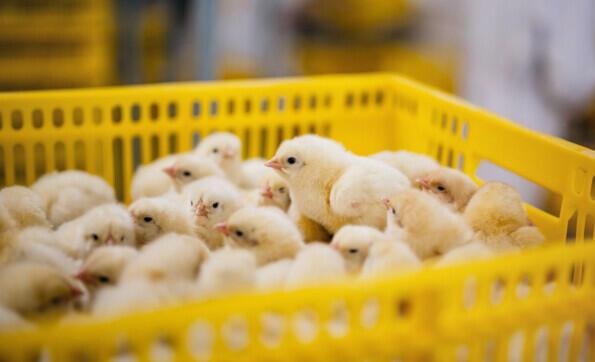
Day-old chicks make sense in specific situations. Here’s when you should choose them.
1. You Have Brooding Facilities and Experience: If you already have brooder boxes, heat lamps, and you know what you’re doing, chicks are a good option. You can handle the extra work.
2. You’re Working With a Tight Budget: When cash is limited but time isn’t, chicks let you start cheaper. You pay less now and invest labor instead of money.
3. You Want Birds Adapted to Your Conditions: Raising chicks in your environment helps them adapt. They get used to your feed, water, climate, and management style from day one.
4. You Need Specific Breeds or Traits: Looking for a particular breed or want to select birds with specific characteristics? Starting with chicks gives you more options and control.
5. Off-Season Planning: If you’re planning for future production and don’t need immediate results, chicks work well. You can raise them during slower periods and have them ready when demand picks up.
Read Also: Selecting the Best Quality Layers at Point Of Lay
5. When to Buy Point of Lay Birds
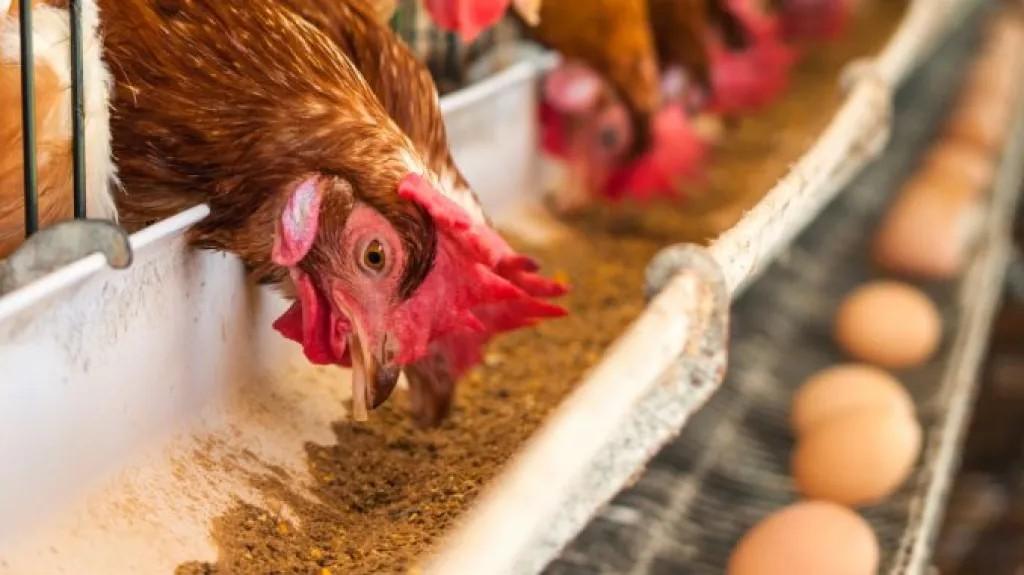
POL birds are the better choice in several situations. Here’s when to go with them.
1. You Need Immediate Egg Production: Starting a business and need cash flow fast? POL birds start earning money within weeks. No waiting around for months.
2. You Lack Brooding Equipment or Experience: New to poultry farming? Don’t have the equipment? POL birds skip the complicated early stages. You start with the easier part.
3. You want to Minimize Mortality Risks: High mortality rates can kill your profits before you even start. POL birds have much better survival rates.
4. You’re Starting Commercial Production With Time Constraints: If you promised eggs to customers by a certain date, POL birds help you meet that deadline. Chicks might make you break your commitments.
5. Seasonal Market Demands: Holiday seasons or peak demand periods need a quick response. POL birds let you ramp up production fast when prices are high.
Cost-Benefit Analysis Between Day-Old Chicks and Point of Lay Birds
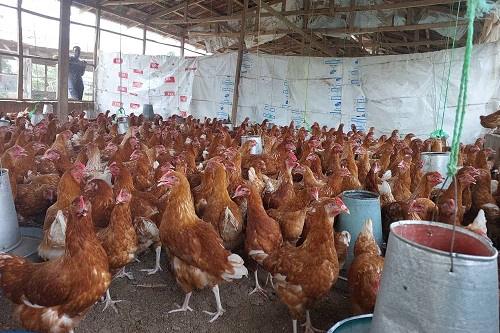
Let’s break down the real costs. Numbers help you make better decisions.
| Cost Factor | Day Old Chicks | Point of Lay Birds |
|---|---|---|
| Initial Purchase Price | ₦1,500 per chick | ₦10,000-12,500 per bird |
| Feed Costs (to laying age) | ₦7,500 per bird | Minimal (already at laying age) |
| Equipment & Heating | ₦1,000 per bird (brooders, heat lamps, electricity) | None (standard housing only) |
| Mortality Rate | 10% loss factored in | 2-5% loss |
| Actual Cost Per Surviving Bird | ₦11,000 (including mortality) | ₦10,000-12,500 |
| Hidden Costs | Extra labor time, medication, vaccination, electricity, brooding equipment purchase or maintenance | Minor vaccination boosters, small adjustment period costs |
| Time to First Egg | 18-22 weeks (4-5 months waiting) | 1-2 weeks |
| Opportunity Cost | 4-5 months with no income while waiting for production | Immediate revenue generation |
| Best For Long-Term Profitability | Operations with good brooding facilities, cheap labor, ability to raise multiple batches, and expertise in chick management | Operations valuing faster returns, lower risk, immediate cash flow, and less intensive management |
| Scale Considerations | Large operations that can manage complexity efficiently | Small or new farmers who need simpler operations |
Summary on Day Old Chicks vs Point of Lay
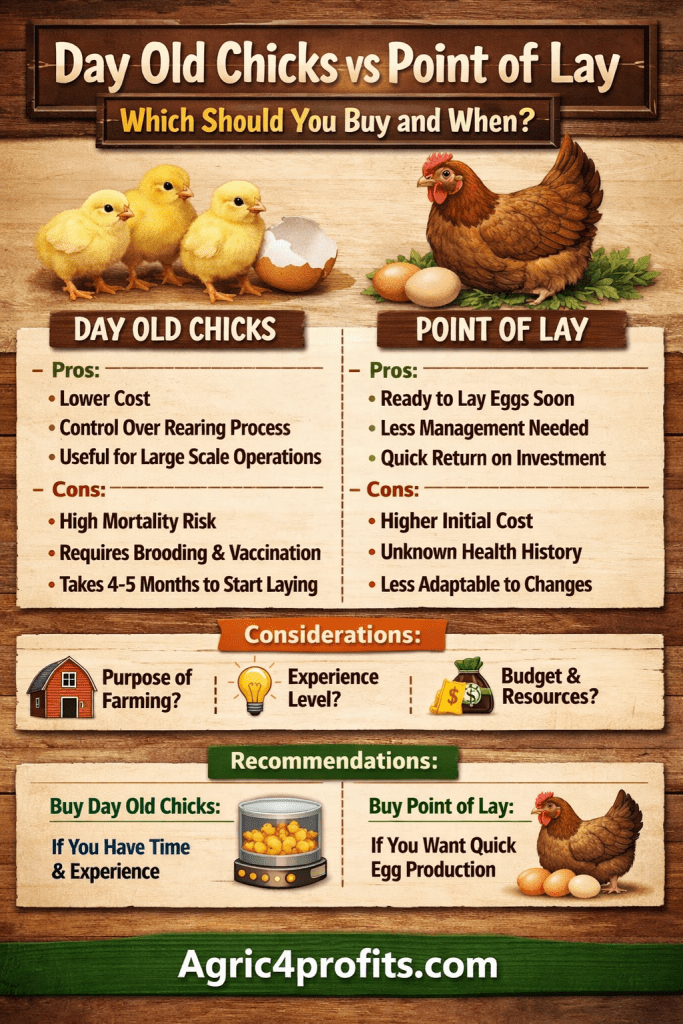
| Aspect | Day Old Chicks | Point of Lay Birds |
|---|---|---|
| Initial Cost | $2-5 per chick | $15-30 per bird |
| Time to Production | 18-22 weeks (4-5 months) | 1-2 weeks |
| Mortality Risk | 5-20% depending on experience | 2-5% |
| Management Level | High (constant monitoring needed) | Low (standard care) |
| Equipment Needed | Brooders, heat lamps, special feeders | Standard coop and nest boxes |
| Best For | Experienced farmers, tight budgets, long-term planning | Beginners, immediate income needs, quick production |
| Total Investment | $20-25 per bird (including all costs) | $20-30 per bird upfront |
Frequently Asked Questions About Day Old Chicks vs Point of Lay
1. Can I mix day-old chicks with my existing flock?
No, don’t do this. Adult chickens can hurt or kill baby chicks. The chicks also need different feed and temperature control. Keep them separate until they’re at least 16 weeks old and similar in size to your other birds.
2. How long do POL birds continue laying eggs?
POL birds typically lay well for 1-2 years after they start. Production drops after that but they can continue laying for several more years at lower rates. Commercial operations usually replace them after 18-24 months of production.
3. Is it cheaper to raise day-old chicks if I already have the equipment?
Yes, if you already own brooding equipment and have experience, day-old chicks cost less per bird. You just pay for the chick and feed. But factor in your time and the mortality risk.
4. Can I buy POL birds year-round?
Availability varies by supplier and season. Most hatcheries and farms have POL birds available during spring and early summer. Off-season availability might be limited. Plan if you need birds at specific times.
5. What’s the mortality rate difference in the first month?
Day-old chicks typically have 5-10% mortality in the first month with good management. Poor management can push this to 20% or higher. POL birds rarely die in the first month, usually less than 2% mortality.
6. Do POL birds lay immediately after I buy them?
Most POL birds need 1-2 weeks to adjust to their new environment before laying consistently. Some might lie within days, others take longer. This adjustment period is normal.
7. Which option is better for organic or free-range production?
Day-old chicks are often preferred for organic operations because you control their entire diet and environment from day one. This makes organic certification easier. But POL birds work too if they were raised organically.
8. How much space do day-old chicks need compared to POL birds?
Start with about 0.5 square feet per chick in the brooder. By 6 weeks, they need 1-2 square feet each. POL birds need 3-4 square feet per bird in the coop plus 8-10 square feet in the run.
9. Can I order just a few POL birds or do I need to buy in bulk?
This depends on the supplier. Some farms sell individual POL birds. Others have minimum orders of 10-25 birds. Day-old chicks often require larger minimum orders, especially when shipped.
10. What happens if I buy POL birds but they don’t start laying?
Several things can delay laying. Stress from moving, poor nutrition, disease, or inadequate lighting can all stop production. Give them time to adjust, ensure they have a layer feed and 14-16 hours of light daily. If problems persist after 3-4 weeks, consult a vet.
Do you have any questions, suggestions, or contributions? If so, please feel free to use the comment box below to share your thoughts. We also encourage you to kindly share this information with others who might benefit from it. Since we can’t reach everyone at once, we truly appreciate your help in spreading the word. Thank you very much for your support and for sharing!