


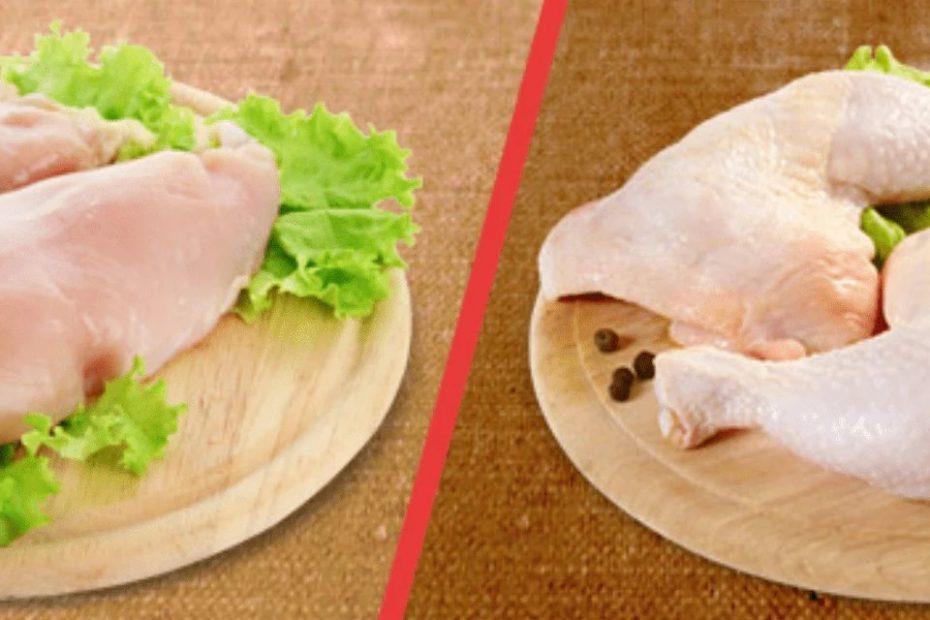
Chicken meat is a popular and widely consumed protein source worldwide. People enjoy it for its versatile taste and nutritional benefits. The meat comes from chickens, which are domesticated birds raised for their meat and eggs.
When it comes to cooking chicken, there are numerous ways to prepare it. You can grill, bake, roast, fry, or boil chicken, each method offering a unique flavor and texture. Many delicious dishes, such as chicken curry, fried chicken, and chicken soup, showcase the culinary diversity of this meat.
Nutritionally, chicken meat is known for being a good source of protein, essential for building and repairing tissues in the body. It also contains important vitamins and minerals, including B vitamins like niacin and B12, which play a role in energy metabolism.
One of the advantages of chicken meat is its lean profile. Skinless, boneless chicken breast, for example, is low in fat, making it a healthier option for those watching their fat intake. However, dark meat, found in chicken thighs and legs, contains more fat but also provides additional flavor.
Chicken is a versatile ingredient in many cuisines around the world. In Asian cuisine, it’s often used in stir-fries and soups, while in Western cuisine, it’s a staple in dishes like roast chicken and chicken Alfredo. The adaptability of chicken makes it a favorite choice for cooks looking to experiment with flavors and styles.
Apart from its culinary uses, chicken feathers and by-products are utilized in various industries. Feathers, for instance, are processed to create down insulation for pillows and comforters. The poultry industry also generates by-products like chicken fat and bones, which are used in the production of pet food, fertilizers, and even biofuels.
Despite its popularity, it’s essential to handle and cook chicken properly to prevent foodborne illnesses. Ensuring that chicken is cooked thoroughly, with no pink in the center, helps eliminate harmful bacteria like Salmonella. Proper storage and hygiene practices in the kitchen are crucial to maintaining the safety of chicken meat.
In addition, chicken meat is a versatile and nutritious food that has earned its place on dinner tables around the globe. Whether grilled, roasted, or fried, chicken offers a delicious and healthy option for meals. Its widespread use in various cuisines reflects its adaptability and the satisfaction it brings to those who enjoy its flavorful and tender qualities.
Read Also: 18 Medicinal Health Benefits Of Maidenhair Tree (Ginkgo Biloba)
A. Uses of Chicken Meat
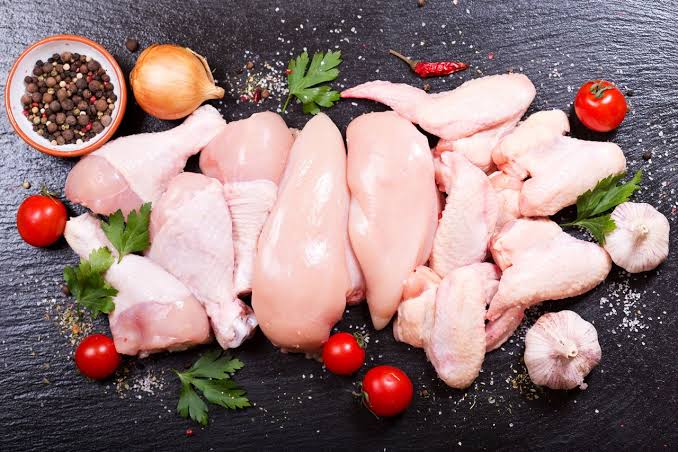
Chicken meat serves a multitude of uses in culinary and non-culinary contexts. In the kitchen, it’s a primary ingredient in countless dishes, contributing to diverse and delicious meals. From soups to sandwiches, curries to casseroles, chicken’s adaptability allows it to take on various flavors and styles.
Grilling and roasting chicken can result in savory, charred delights, while frying produces crispy and golden-brown goodness. Chicken is a key player in barbecue, where it’s often slathered in flavorful sauces. Its tender texture makes it suitable for stews and slow-cooked dishes, absorbing the rich flavors of spices and seasonings.
Chicken is also a popular choice for salads, wraps, and sandwiches, providing a lean protein source. In many cultures, it stars in iconic dishes like chicken noodle soup, a comfort food known for its soothing qualities.
Beyond the kitchen, chicken has a broader impact. Feathers, a by-product of chicken, find use in the textile industry for making pillows, cushions, and bedding. The poultry industry’s by-products, including chicken fat and bones, contribute to the production of pet food, fertilizers, and biofuels.
Moreover, chicken farming supports livelihoods and economies worldwide. The industry provides employment opportunities and income for farmers, workers, and businesses involved in the production, processing, and distribution of chicken products.
In various cultures, chicken is also associated with symbolism and traditions. It plays a significant role in celebrations and gatherings, symbolizing abundance, prosperity, and good fortune. From family dinners to festive feasts, chicken often takes center stage on special occasions.
Chicken meat goes beyond being a delicious culinary ingredient. Its uses extend to various industries, contributing to textiles, pet food, and renewable energy. With its versatile nature, chicken remains a staple in kitchens globally, offering a wide range of flavors and textures for diverse and satisfying meals.
Read Also: 19 Medicinal Health Benefits Of Avens (Geum)
B. Preparing Chicken for Meat
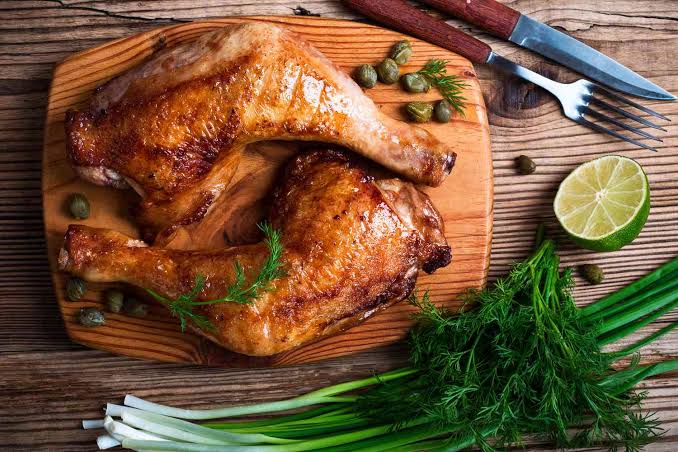
Preparing chicken for meat involves several key steps to ensure safety and optimal taste:
1. Purchase Fresh Chicken: Choose fresh, high-quality chicken from a reliable source. Check the packaging for any signs of damage or expiration.
2. Handling and Hygiene: Wash your hands thoroughly before and after handling raw chicken to prevent the spread of bacteria. Use separate cutting boards and utensils for raw chicken to avoid cross-contamination.
3. Trimming and Cutting: Trim excess fat from the chicken. Depending on the recipe, cut the chicken into desired pieces, such as breasts, thighs, or drumsticks. Remove the skin if you prefer a leaner option.
4. Marinating (Optional): Marinating chicken can enhance its flavor and tenderness. Use a mixture of herbs, spices, oils, and acidic ingredients like lemon juice or vinegar. Allow the chicken to marinate in the refrigerator for a recommended time.
5. Seasoning: Season the chicken with salt and pepper or your preferred spices just before cooking. This adds flavor to the meat.
6. Cooking Methods: Choose a cooking method based on your preference and the recipe. Common methods include grilling, roasting, baking, frying, or boiling. Ensure the chicken reaches a safe internal temperature to kill harmful bacteria (165°F or 74°C).
7. Grilling: Preheat the grill and cook chicken over medium heat. Turn the pieces occasionally for even cooking. Use a meat thermometer to check for doneness.
8. Roasting/Baking: Preheat the oven and place seasoned chicken in a baking dish. Roast or bake until the internal temperature reaches 165°F, adjusting cooking time based on the cut and size of the chicken.
9. Frying: Heat oil in a pan and cook chicken pieces until golden brown and cooked through. Ensure the oil is hot enough to achieve a crispy exterior.
10. Boiling: Boil chicken for soups, stews, or shredded for various dishes. Cook until the internal temperature reaches 165°F, and the meat is no longer pink.
11. Resting: Allow the cooked chicken to rest for a few minutes before serving. This helps retain juices and ensures a moist texture.
By following these steps, you can prepare chicken for meat safely and enjoy a delicious and wholesome meal. Adjust the preparation method based on your culinary preferences and the specific dish you are preparing.
C. Economic Benefits of Chicken Meat
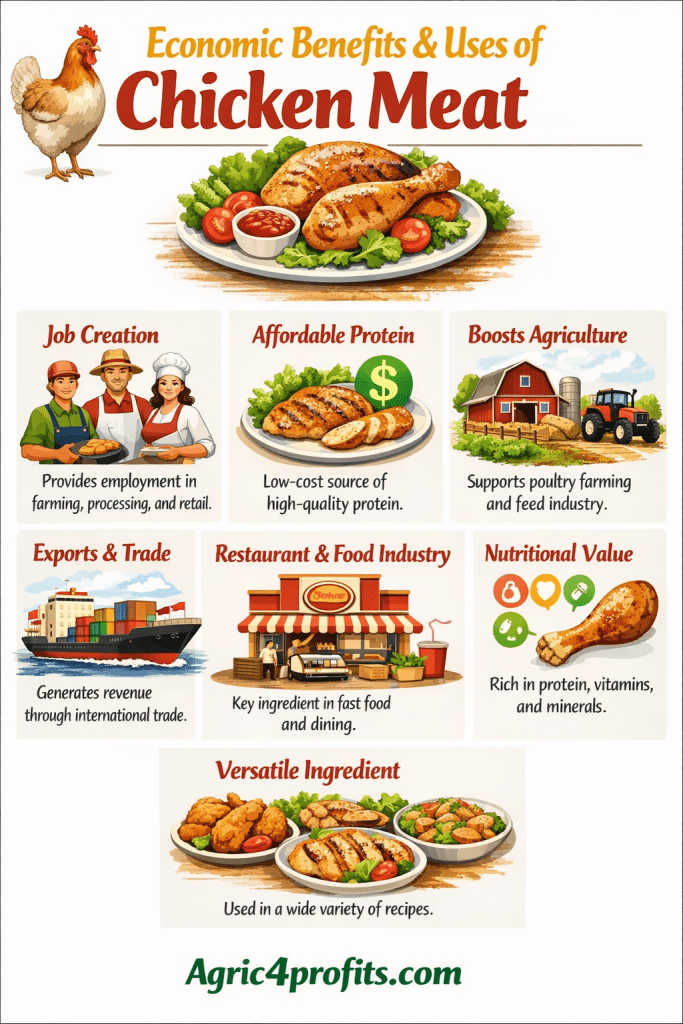
The economic benefits of chicken meat extend across various sectors, contributing significantly to global economies. Here are key aspects highlighting its economic importance:
1. Job Creation: The poultry industry, including chicken farming, processing, and distribution, creates a substantial number of jobs. From farm workers to processing plant employees, the industry supports employment opportunities in both rural and urban areas.
2. Income Generation: Chicken farming serves as a source of income for farmers and those involved in the supply chain. This includes hatcheries, feed manufacturers, veterinarians, and transportation services, contributing to the livelihoods of many individuals and families.
3. Export and Trade: Chicken meat is a major commodity in international trade. Countries that excel in poultry production often engage in the export of chicken products, contributing to foreign exchange earnings. This enhances global economic interdependence and trade relationships.
4. Stimulates Ancillary Industries: The poultry industry stimulates other sectors, such as feed production, veterinary services, and equipment manufacturing. These ancillary industries further contribute to economic growth and diversification.
5. Affordability and Accessibility: Chicken meat’s relatively lower production costs compared to other meats contribute to its affordability. This accessibility makes it a staple protein source for a wide range of consumers, positively impacting food security and nutrition.
6. Value-Added Products: Chicken processing not only involves the sale of raw meat but also the production of value-added products. This includes items like chicken sausages, nuggets, and pre-cooked meals, adding value to the industry and meeting diverse consumer preferences.
7. Technology and Innovation: Continuous advancements in poultry farming techniques, genetics, and processing technologies contribute to increased efficiency and productivity. This fosters innovation within the industry, leading to economic growth and competitiveness.
8. Utilization of By-Products: Beyond meat, the poultry industry utilizes by-products such as feathers, fat, and bones. These by-products find applications in various industries, including textiles, pet food production, fertilizers, and biofuels, adding economic value.
9. Supports Local Economies: Chicken farming often involves local and small-scale operations. This decentralization supports rural economies by providing income-generating opportunities in regions where other agricultural activities may be limited.
10. Cyclical Economic Impact: The poultry industry’s cyclical nature, with the production and consumption of chicken responding to economic conditions, provides flexibility and resilience within the agricultural sector.
Summary on Economic Benefits and Uses of Chicken Meat
| Aspect | Details |
|---|---|
| Definition | Chicken meat (broiler/poultry meat) is the edible flesh of domestic chickens raised primarily for human consumption, and is currently the most widely consumed meat in the world |
| Nutritional Profile | High-quality protein, low fat (especially skinless breast), rich in vitamins B3 (niacin), B6, B12, and minerals including phosphorus, selenium, and zinc |
| Protein Content | Approximately 27g protein per 100g of cooked chicken breast; one of the most protein-dense, affordable animal protein sources available |
| Caloric Value | Skinless chicken breast: ~165 kcal/100g; chicken thigh (with skin): ~209 kcal/100g; caloric content varies by cut and preparation method |
| Culinary Uses | Grilling, roasting, frying, boiling, stewing, smoking, baking; used in soups, stews, salads, sandwiches, curries, stir-fries, and fast food; highly versatile across all global cuisines |
| Cuts and Parts | Whole bird, breast (white meat), thigh and drumstick (dark meat), wings, neck, back, giblets (liver, gizzard, heart); each cut has distinct culinary and commercial uses |
| Value-Added Products | Processed products include nuggets, patties, sausages, deli meats, smoked chicken, bone broth, chicken stock, canned chicken, and ready-to-eat meals |
| Fast Food Industry | Chicken is a core ingredient in global fast food chains (KFC, McDonald’s, Chick-fil-A, Subway); demand from this sector drives large-scale broiler production worldwide |
| Food Security Role | Most affordable animal protein for low- and middle-income households; critical in combating protein-energy malnutrition, especially in developing countries |
| Global Consumption | Chicken is the most consumed meat globally, surpassing beef and pork; over 90 million metric tonnes of poultry meat produced annually worldwide |
| Global Market Value | U.S. broiler production alone valued at $45.4 billion in 2024; total U.S. poultry sector sales reached $70.2 billion in 2024 |
| Employment Creation | The U.S. chicken industry alone provides over 1.37 million jobs and $90.9 billion in wages; globally, tens of millions employed across production, processing, transport, retail, and foodservice |
| Government Revenue | U.S. chicken industry generates approximately $36.7 billion in government tax revenue annually |
| Export and Trade | Chicken is a major globally traded commodity; dark meat (leg quarters) dominates export volume; key markets include Mexico, China, Japan, South Korea, and sub-Saharan Africa |
| Import Substitution | Local chicken production reduces dependence on imported meat, saving foreign exchange and supporting domestic agricultural economies |
| Smallholder Income | In rural Africa, Asia, and Latin America, backyard and small-scale chicken production serves as a primary or supplementary household income source, especially for women and youth |
| By-products and Uses | Feathers (insulation, feather meal feed supplement), bone meal (livestock feed, fertilizer), offal/giblets (pet food, further processing), blood meal (high-protein fertilizer), poultry fat (biodiesel, animal feed) |
| Manure/Litter | Poultry manure is a high-nitrogen organic fertilizer sold commercially or used on-farm to improve soil fertility and crop yields |
| Medicinal/Functional Uses | Chicken bone broth is rich in collagen, gelatin, and glycine; widely used in traditional medicine and functional food applications for gut health, joint health, and recovery |
| Integration with Crop Farming | Chickens can be integrated with crop farms for pest and weed control, soil fertilisation through manure, and income diversification |
| Economic Multiplier Effect | Every dollar of chicken production generates multiple dollars of economic activity across feed mills, hatcheries, veterinary services, equipment suppliers, processors, transporters, and retailers |
| Contract Farming Model | Integrators supply chicks, feed, and technical support to contract growers who provide land, housing, and labour; reduces risk for smallholders while ensuring consistent supply for processors |
| Vertical Integration | Large commercial producers control the entire value chain (breeding, hatchery, feed production, grow-out, processing, marketing) to maximise efficiency and reduce costs |
| Sustainability Advantages | Chickens have the lowest carbon footprint among major meat animals; do not produce significant methane; efficient feed-to-meat conversion ratio (FCR ~1.8-2.0) compared to beef (FCR ~6-8) |
| Health and Consumer Trends | Rising global demand driven by health-conscious consumers shifting from red meat to white meat; growth in organic, free-range, antibiotic-free, and halal/kosher certified chicken products |
Frequently Asked Questions About Economic Benefits and Uses of Chicken Meat
1. Why is chicken meat the most consumed meat in the world?
Chicken is the most consumed meat globally because it combines affordability, nutritional value, culinary versatility, and cultural acceptability across virtually all religions and dietary traditions. It is also faster and cheaper to produce than beef or pork, making it accessible to consumers at all income levels. Its mild flavor adapts to hundreds of cooking styles and global cuisines, further driving its universal appeal.
2. What are the main nutritional benefits of chicken meat?
Chicken is an excellent source of high-quality, complete protein containing all essential amino acids. It is low in fat (particularly skinless white meat), rich in B vitamins (B3, B6, B12), and provides important minerals including selenium, phosphorus, and zinc. Regular consumption supports muscle growth and repair, immune function, bone health, and energy metabolism.
3. Which part of the chicken has the most nutritional value?
All parts of the chicken offer nutritional value, but the skinless breast is the leanest and highest in protein (~27g/100g) with the fewest calories. Dark meat (thigh and drumstick) contains more fat but is richer in iron, zinc, and B vitamins, making it nutritionally beneficial as well. Organ meats such as the liver are exceptionally nutrient-dense, providing high levels of iron, vitamin A, and B12.
4. How does chicken farming contribute to the economy?
Chicken farming generates economic value across the entire supply chain. It creates direct employment on farms, hatcheries, feed mills, processing plants, transport, retail, and foodservice. In the United States alone, the chicken industry accounts for over $449 billion in annual economic activity and more than 1.37 million jobs. In developing countries, it supports millions of smallholder farmers and rural households with income, food security, and savings.
5. What are the major by-products of chicken meat processing and how are they used?
Chicken processing generates several valuable by-products including feathers (converted into feather meal used in livestock feed or insulation products), bone meal (used as livestock feed supplement and organic fertilizer), blood meal (high-protein animal feed and fertilizer), poultry fat (used in biodiesel production and animal feed), giblets (liver, gizzard, heart sold separately as food or processed into pet food), and feet and heads (exported for human consumption in Asia and Africa).
6. How does the chicken industry support food security in developing countries?
Chicken meat and eggs are the most affordable and accessible animal proteins in low- and middle-income countries. Small-scale and backyard chicken production allows rural households to produce their own protein, generate income from surplus sales, and build a financial buffer against crop failures or economic shocks. In many African and Asian communities, chickens serve as a form of savings and are traded or bartered for other goods and services.
7. What is the environmental footprint of chicken meat compared to other meats?
Chicken has the lowest greenhouse gas emissions and land use among major animal proteins. Its feed conversion ratio (approximately 1.8-2.0 kg feed per kg of meat) is far more efficient than beef (6-8 kg feed per kg of meat). Chickens do not produce significant methane during digestion, unlike ruminants. Poultry manure, when properly managed, can be composted and returned to the soil as organic fertilizer, closing the nutrient cycle sustainably.
8. What value-added chicken products are growing in market demand?
High-growth value-added chicken products include ready-to-eat and ready-to-cook products (nuggets, patties, grilled strips, marinated cuts), deli and processed meats (chicken sausages, salami, ham), bone broth and collagen products, smoked and cured chicken, organic and free-range certified products, and halal/kosher certified chicken for specific consumer markets. These products command significantly higher profit margins than fresh whole chicken.
9. How does chicken meat fit into global trade?
Chicken is one of the most actively traded agricultural commodities globally. Major exporters include Brazil (world’s largest broiler exporter), the United States, the European Union, Thailand, and China. Key importing markets include Japan, Mexico, China, Saudi Arabia, the United Kingdom, and sub-Saharan Africa. Dark meat cuts (leg quarters, drumsticks) are the dominant export product as they are less preferred in white-meat-dominant markets and highly valued in export destinations.
10. What are the prospects for the chicken meat industry in the future?
The outlook is strongly positive. Global demand for chicken meat is projected to continue rising, driven by population growth, urbanisation, rising middle-class incomes in Asia and Africa, and the ongoing shift away from red meat for health and environmental reasons. Innovation in areas such as antibiotic-free production, alternative feeds (insect meal, duckweed), precision livestock farming, cultured/lab-grown chicken, and sustainable packaging will shape the next generation of the chicken meat industry.
Do you have any questions, suggestions, or contributions? If so, please feel free to use the comment box below to share your thoughts. We also encourage you to kindly share this information with others who might benefit from it. Since we can’t reach everyone at once, we truly appreciate your help in spreading the word. Thank you very much for your support and for sharing!
Read Also: Top 20 Proven Benefits of Ginger Plant