


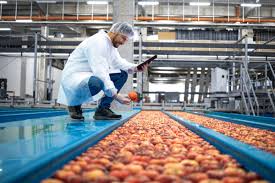
Food safety and quality are critical for health, nutrition, and productivity. Unsafe food can cause foodborne diseases, impacting consumer trust and public health. This article explores the definitions, types of contaminants, and evaluation methods for ensuring safe, high-quality food products.
Food safety and quality are foundational to consumer confidence. They address societal needs by ensuring food is wholesome, safe, and appealing. Proper handling, processing, and storage practices are essential to meet regulatory standards and consumer expectations.
This article outlines the key aspects of food safety and quality. It covers definitions, major contaminants, and quality evaluation methods, providing a comprehensive guide for food producers and consumers alike.
Understanding Food Safety and Quality
Food safety and quality are distinct but interconnected concepts. Safety ensures food is free from hazards, while quality enhances its value to consumers. Both are vital for consumer protection and market success.
These principles guide food production and regulatory frameworks. Understanding their differences helps establish effective food control systems to meet national health and safety objectives.
A. Defining Food Safety
1. Food Safety Overview: Food safety refers to hazards, acute or chronic, that make food harmful to consumer health. It is non-negotiable and prioritized in regulations.
2. Consumer Protection: Food safety laws prohibit the sale of unsafe or impure food, ensuring consumer trust in the food supply.
3. Regulatory Enforcement: National and local authorities enforce food laws to ensure all food is safe, wholesome, and accurately labeled.
B. Defining Food Quality
1. Quality Attributes: Quality includes attributes like flavor, texture, color, and processing methods that influence a product’s consumer value.
2. Negative Attributes: Spoilage, discoloration, off-odors, and contamination with filth reduce food quality and consumer appeal.
3. Market Impact: High-quality food enhances consumer satisfaction, driving positive attitudes and marketing success.
C. Importance of Food Control
1. Mandatory Regulation: Food control involves enforcing laws to ensure food safety, quality, and accurate labeling during production and distribution.
2. Public Health: Effective food control prevents foodborne disease outbreaks caused by pathogens like Salmonella or E. coli.
3. Consumer Confidence: Robust food control systems build trust by ensuring food integrity and safety across the supply chain.
Read Also: Pincushion Flowers (Scabiosa Spp): Complete Growing and Care Guide
Major Types of Food Contaminants
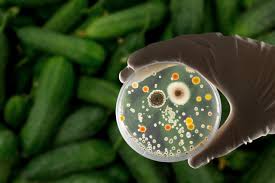
Food contamination compromises safety and quality, making food unfit for consumption. Contaminants can be biological, chemical, or physical, each posing unique risks to health and product integrity.
Understanding these contaminants is crucial for implementing effective safety measures. Below are the primary types of food contaminants and their implications.
A. Biological Contamination
1. Definition: Biological contamination occurs when food is tainted by microorganisms like bacteria, viruses, or parasites.
2. Common Pathogens: Key culprits include Norovirus, Listeria, Salmonella, E. coli, and Campylobacter, causing foodborne illnesses.
3. High-Risk Foods: Moist, high-protein, or starchy foods with neutral acidity are prone to bacterial growth.
4. Microbial Toxins: Toxins from Salmonella or Listeria are heat-resistant, remaining harmful even after cooking.
B. Physical Contamination
1. Definition: Physical contamination involves foreign objects like hair, glass, or plastic entering food during production or preparation.
2. Risks: These objects can cause choking or introduce biological contaminants, compromising food safety.
3. Prevention Measures: Use hairnets, replace broken dishware, wash produce thoroughly, and implement pest control to minimize risks.
C. Chemical Contamination
1. Definition: Chemical contamination arises from natural toxins, pollutants, or chemicals introduced during food processing or storage.
2. Sources: Includes pesticide residues, misused food additives, heavy metals, and biological toxins like mycotoxins.
3. Health Hazards: Chemical contaminants can cause severe health issues, requiring strict monitoring during food production.
Read Also: Economic Importance, Uses, and By-Products of Mushroom Gills
Factors Contributing to Food Hazards
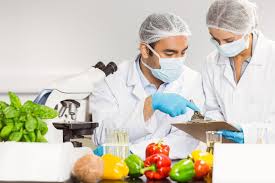
Various factors contribute to food safety hazards, increasing the risk of contamination and foodborne illnesses. Addressing these factors is essential for safe food production and handling.
Implementing preventive measures across the food chain mitigates these risks. Below are key contributors to food hazards.
A. Agricultural and Hygiene Practices
1. Improper Agricultural Practices: Misuse of pesticides or veterinary drugs can contaminate raw materials.
2. Poor Hygiene: Inadequate sanitation at any stage of the food chain introduces biological contaminants.
3. Contaminated Inputs: Using contaminated water or ingredients increases the risk of foodborne pathogens.
B. Processing and Storage Issues
1. Lack of Preventive Controls: Insufficient controls in processing or preparation lead to contamination risks.
2. Inadequate Storage: Improper storage conditions promote bacterial growth and spoilage in food products.
3. Misuse of Chemicals: Incorrect use of additives or cleaning agents can introduce chemical contaminants.
C. Emerging Concerns
1. Genetically Modified Organisms: GMOs raise safety concerns, requiring rigorous testing and labeling.
2. Allergens and Hormones: Undeclared allergens or growth hormones in animal products pose health risks.
3. Heavy Metals: Contamination with metals like lead or mercury can have long-term health impacts.
Frequently Asked Questions
1. What is the difference between food safety and food quality?
Food safety ensures food is free from hazards that harm health, while quality includes attributes like flavor, texture, and appearance that affect consumer value.
2. Why is food safety important for consumers?
Food safety prevents foodborne illnesses, builds consumer confidence, and ensures food is wholesome and fit for consumption.
3. What are the main types of food contaminants?
Food contaminants include biological (bacteria, viruses), chemical (pesticides, toxins), and physical (hair, glass) hazards.
4. How can restaurants prevent physical contamination?
Restaurants can use hairnets, replace broken dishware, wash produce thoroughly, and implement pest control measures.
5. What foods are considered high-risk for biological contamination?
Moist, high-protein, or starchy foods with neutral acidity, like dairy or meats, are prone to bacterial growth.
6. How do chemical contaminants enter the food supply?
Chemical contaminants come from natural toxins, pollutants, or during processing, packaging, or storage of food.
7. What role does food control play in ensuring safety?
Food control enforces laws to ensure food is safe, wholesome, and accurately labeled, protecting consumers from hazards.
8. How can food producers reduce the risk of foodborne illnesses?
Producers can implement proper hygiene, use safe ingredients, control storage conditions, and follow food safety best practices.
Do you have any questions, suggestions, or contributions? If so, please feel free to use the comment box below to share your thoughts. We also encourage you to kindly share this information with others who might benefit from it. Since we can’t reach everyone at once, we truly appreciate your help in spreading the word. Thank you so much for your support and for sharing!