


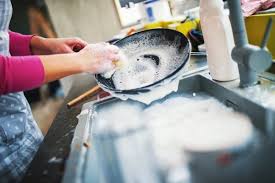
A sanitation plan is vital for any food service preparation area. It ensures all surfaces are cleaned regularly, reducing the risk of transferring bacteria or pathogens from unclean surfaces to clean equipment. This article explores the essential components of an effective sanitation program.
The plan includes a list of cleaning and sanitizing agents with instructions for safe use and storage. Additionally, a cleaning schedule outlines how each item is cleaned, who is responsible, and the frequency of cleaning. These measures maintain a hygienic environment.
This article examines key elements of equipment cleaning and sanitizing, including cleaning methods, environmental considerations, chemical sanitizing, and steam sanitizing. Proper procedures are critical for food safety and compliance with regulations.
Understanding the chemistry of detergents and sanitizers is essential for effective cleaning. Different methods, such as mechanical, clean-out-of-place, and manual cleaning, cater to specific equipment needs. This guide provides a comprehensive overview of these processes.
By implementing a robust sanitation plan, food processing facilities can prevent contamination, control allergens, and meet regulatory requirements. The following sections detail the procedures, definitions, and advantages of various cleaning and sanitizing methods.
Read Also: How to Process, Package, and Export Papayas (Pawpaw)
Equipment Cleaning

Cleaning and sanitizing are critical components of a sanitation program. Sufficient time must be dedicated to outlining proper procedures and parameters. Detailed protocols are necessary for all food-contact surfaces, including equipment and utensils, to ensure safety.
Non-product contact surfaces, such as overhead structures, walls, ceilings, lighting devices, refrigeration units, and HVAC systems, also require cleaning. These surfaces can impact food safety if neglected. A comprehensive approach is essential for maintaining hygiene.
A. Cleaning Frequency
Cleaning frequency must be clearly defined for each process line. Depending on the operation, cleaning may occur daily, after production runs, or more frequently if needed. The type of cleaning required should also be specified to ensure effectiveness.
B. Objectives of Cleaning
1. Remove Food Residue: The primary goal is to eliminate food nutrients that bacteria need to grow. This prevents microbial proliferation on surfaces.
2. Kill Bacteria: Sanitizing reduces bacteria to safe levels, ensuring equipment and surfaces are hygienic and safe for food contact.
3. Ensure Dry Storage: Cleaned and sanitized surfaces must drain dry and be stored dry to prevent bacterial growth, which thrives in moist environments.
C. Cleaning Procedures
1. Rinse: Initial rinsing removes loose debris and prepares surfaces for cleaning.
2. Clean: Detergent chemicals are applied to remove food soil under recommended conditions.
3. Rinse Again: A second rinse ensures all detergent and soil residues are removed.
4. Sanitize: Approved sanitizers are used to reduce microbial contamination to safe levels.
D. Monitoring and Compliance
Cleaning and sanitizing procedures must be evaluated for adequacy through inspection, swab testing, and direct observation. Adherence to written protocols should be continuously monitored, with records maintained to ensure long-term compliance.
Definitions and Cleaning Methods
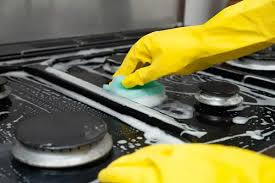
Understanding key terms and cleaning methods is crucial for an effective sanitation program. Cleaning involves removing food soil, while sanitizing reduces microorganisms to safe levels. Different cleaning methods suit various equipment types and operational needs.
The chemistry of detergents plays a significant role in cleaning efficacy. Detergents contain physically and chemically active ingredients, as well as enzymes, to break down food soils. Proper application ensures surfaces are clean and safe for food contact.
A. Cleaning Definition
Cleaning is the complete removal of food soil using appropriate detergent chemicals under recommended conditions. Personnel must understand the nature of food soils and the chemistry involved in their removal to achieve optimal results.
B. Cleaning Methods
1. Mechanical Cleaning: Known as clean-in-place (CIP), this method requires no or partial disassembly, making it efficient for large equipment.
2. Clean-Out-of-Place (COP): Involves partial disassembly and cleaning in specialized pressure tanks, suitable for specific equipment components.
3. Manual Cleaning: Requires complete disassembly for thorough cleaning and inspection, often used for smaller or complex equipment.
C. Sanitization Definitions
1. Sterilize: Involves the statistical destruction and removal of all living organisms, typically used in extreme cases.
2. Disinfect: Targets inanimate objects, destroying all vegetative cells but not spores, ensuring surface safety.
3. Sanitize: Reduces microorganisms to safe levels (99.999% reduction for food-contact surfaces, 99.9% for non-food-contact surfaces) within 30 seconds.
Chemistry of Detergents
Detergents are complex mixtures designed to interact with food soils in various ways. Their ingredients alter physical and chemical properties of soils, making them easier to remove. Understanding these components enhances cleaning effectiveness in food processing.
Physically active ingredients, such as surfactants, promote emulsification, penetration, and wetting. Chemically active ingredients, like alkaline builders, modify soils for easier removal. Enzymes target specific soil types, offering environmentally friendly cleaning options.
A. Physically Active Ingredients
Surfactants, the primary physically active ingredients, have hydrophilic and hydrophobic properties. These organic molecules facilitate emulsification, penetration, spreading, foaming, and wetting, enhancing the physical cleaning actions of detergents.
B. Chemically Active Ingredients
1. Highly Alkaline Detergents: Use caustic soda or potash to saponify fats, forming soap. These are common in CIP systems and bottle washing.
2. Moderately Alkaline Detergents: Include phosphates, silicates, or carbonates. Tri-sodium phosphate is effective, while silicates act as corrosion inhibitors.
3. Limited Use of Carbonates: Carbonate-based detergents have limited use due to interactions with calcium and magnesium, which can cause film formation.
C. Enzyme-Based Detergents
Enzyme detergents, containing amylases, proteases, and lipases, degrade specific food soils. They are environmentally friendly, require less energy, and are ideal for unheated surfaces like cold-milk systems. New-generation enzyme cleaners are under evaluation.
D. Additional Ingredients
1. Fillers: Add bulk or dilute strong formulations for safe handling. Sodium chloride or sulfate are common in powdered detergents.
2. Miscellaneous Ingredients: Include corrosion inhibitors, glycol ethers, and butylcellosolve to improve removal of oil, grease, and carbon residues.
Read Also: The PawPaw/Papaya Ovary: Economic Importance, Uses, and By-Products
Chemical Sanitizing
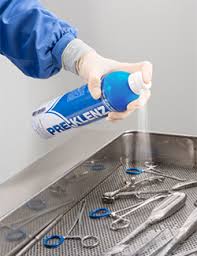
No single chemical sanitizer meets all criteria for food equipment cleaning. Evaluating properties, advantages, and disadvantages is essential for selecting the appropriate sanitizer for each application. Approved sanitizers are critical for food safety compliance.
Chemical sanitizers are used as rinses, sprays, or in CIP operations. Some are foamed or fogged to reduce airborne contamination. The choice of sanitizer depends on its effectiveness, safety, and compatibility with specific equipment and processes.
A. Chlorine-Based Sanitizers
1. Chlorine Compounds: The most common sanitizer, forming hypochlorous acid in solution. Effective against a broad range of microorganisms.
2. Chlorine Dioxide: A potential chlorine replacement, it is more environmentally friendly but poses worker safety and toxicity risks. On-site generation is recommended.
B. Iodine-Based Sanitizers
Iodophors, mixtures of iodine with surfactants, are effective against bacteria, viruses, yeasts, molds, fungi, and protozoans. They are temperature-dependent, vaporizing at 120°F, limiting their use to lower-temperature applications.
C. Quaternary Ammonium Compounds (QACs)
QACs, with surfactant properties, are stable over a broad temperature range and less affected by light soil. They offer detergency and are effective in various sanitizing applications.
Steam Sanitizing
Steam sanitizing is an effective method for maintaining a sterile environment in food processing facilities. Using high-temperature steam, it eliminates bacteria, germs, and molds without chemicals, ensuring compliance with food safety regulations.
This method is quick, energy-efficient, and gentle on delicate surfaces. It is ideal for various applications, including water-sensitive environments, sticky residue removal, and allergen control, making it a versatile choice for food processing operations.
A. Advantages of Steam Cleaning
1. Chemical-Free: Uses only water, with high steam temperatures killing bacteria, germs, and molds, reducing chemical costs and environmental impact.
2. Quick Drying: Minimal moisture ensures short drying times, allowing immediate use of surfaces and preventing bacterial transmission.
3. Gentle on Surfaces: Ideal for delicate surfaces that may be damaged by high-pressure water cleaning methods.
B. Applications of Steam Sanitizing
1. Water-Sensitive Environments: Suitable for dry food processing facilities producing snacks, powdered mixes, and dry ingredients.
2. Sticky Residue Removal: Effective for cleaning conveyor belts handling dried fruit, sugary products, or binding ingredients.
3. Allergen Control: Reduces or removes allergens in compressed air systems, vacuums, and manual cleaning processes.
C. Typical Uses in Food Processing
1. Equipment Cleaning: Sanitizes processing and packaging equipment, including storage and blending tanks.
2. Surface Sanitizing: Cleans walls, ceilings, vents, and diamond deck flooring without harming surfaces.
3. Pathogen and Pest Control: Kills bacteria and insect infestations, including eggs, ensuring a hygienic environment.
D. Benefits of Steam Cleaning
1. Clean-in-Place Technology: Advanced CIP systems allow cleaning without disassembly, improving efficiency.
2. Reduced Downtime: Faster than manual cleaning, minimizing operational interruptions.
3. Chemical-Free Cleaning: Eliminates tough grease and oil without harsh chemicals, protecting equipment and the environment.
Frequently Asked Questions
1. Why is a sanitation plan important in food service areas?
A sanitation plan ensures regular cleaning of surfaces, reducing the risk of bacterial or pathogen transfer from unclean surfaces to clean equipment, maintaining food safety.
2. What are the components of a sanitation plan?
It includes a list of cleaning and sanitizing agents with safe use and storage instructions, and a cleaning schedule specifying items, responsible personnel, and frequency.
3. What is the difference between cleaning and sanitizing?
Cleaning removes food soil using detergents, while sanitizing reduces microorganisms to safe levels using approved sanitizers or methods like steam cleaning.
4. What are the main types of cleaning methods for equipment?
The main methods are mechanical (clean-in-place), clean-out-of-place (COP), and manual cleaning, each suited to different equipment types and operational needs.
5. How does steam sanitizing benefit food processing facilities?
Steam sanitizing is chemical-free, quick-drying, and gentle on delicate surfaces, making it ideal for water-sensitive environments, allergen control, and efficient cleaning.
6. What are the advantages of enzyme-based detergents?
Enzyme detergents are environmentally friendly, require less energy, and effectively degrade specific food soils, making them suitable for unheated surfaces like cold-milk systems.
7. Why is chlorine commonly used as a sanitizer?
Chlorine is effective against a broad range of microorganisms, forming hypochlorous acid in solution. It is widely used in food processing for its reliability and availability.
Do you have any questions, suggestions, or contributions? If so, please feel free to use the comment box below to share your thoughts. We also encourage you to kindly share this information with others who might benefit from it. Since we can’t reach everyone at once, we truly appreciate your help in spreading the word. Thank you so much for your support and for sharing!