


Running water carries out two main processes: erosion and corrosion. Erosion results from hydraulic action and is derived from the energy of running water.
Gravel transported by running water scours the channel and removes sediment from the riverbed. Erosion makes a channel broader and deeper.
These processes are also referred to as lateral erosion and deepening erosion, respectively.
Lateral Erosion and Chemical Weathering in Farmland Regions
Lateral erosion forms a channel with a broader riverbed.
Stream water also reacts chemically with rocks and dissolves them. This process is known as corrosion.
The weathered materials deposited in a valley bottom are scoured by running water and transported to the lower reaches. Mechanisms of water erosion include abrasion, hydraulic action, corrosion, and attrition.
Read Also:Economic Importance, Uses, and By-Products of Watermelon Shoots
Definition of Erosion in Agricultural Environments
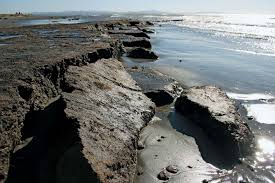
Erosion is the wearing away of the land surface by rain or irrigation water, wind, ice, or other natural or human-induced agents that abrade, detach, and remove soil from one point on the earth’s surface and deposit it elsewhere.
Read Also: Economic Importance, Uses, and By-Products of Watermelon Axils
Mechanisms of Channel Erosion and Their Agricultural Implications
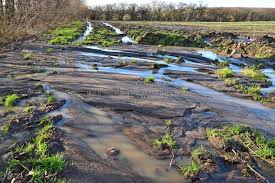
1. Abrasion: The scraping, scouring, and rubbing action of materials carried along by a river (load). Rivers carry rock fragments in the flow of water or drag them along the bed, wearing away the banks and bed of the river channel.
2. Hydraulic Action: This is caused by the sheer power of moving water. It involves the movement of loose, unconsolidated materials due to the frictional drag of moving water on sediment lying on the channel bed.
3. Corrosion: This occurs most actively on rocks that contain carbonates, such as limestone and chalk. The minerals in the rock are dissolved by weak acids in river water and carried away in solution.
4. Attrition: This refers to the reduction in the size of fragments and particles within a river due to the above processes. The fragments strike one another and the riverbed, becoming smoother, smaller, and more rounded as they move along the river channel.
The mechanisms of water erosion affecting agricultural land are abrasion, hydraulic action, corrosion, and attrition.
Do you have any questions, suggestions, or contributions? If so, please feel free to use the comment box below to share your thoughts. We also encourage you to kindly share this information with others who might benefit from it. Since we can’t reach everyone at once, we truly appreciate your help in spreading the word. Thank you so much for your support and for sharing!