


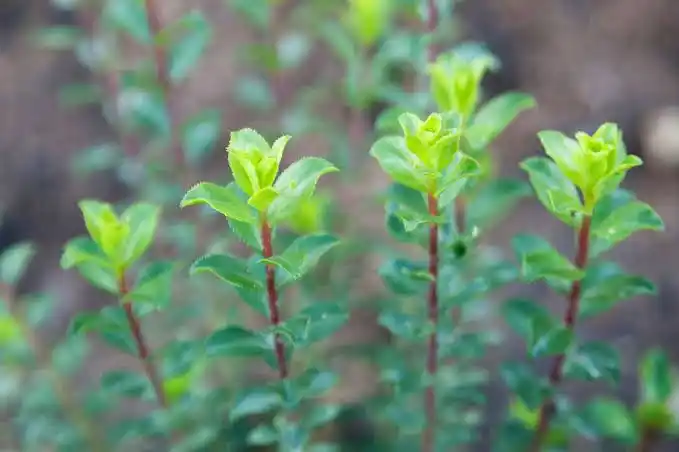
Buchu, conocido científicamente como Agathosma betulina, es una planta originaria de Sudáfrica y es famosa por sus hojas aromáticas que se han utilizado tradicionalmente para diversos fines de salud..
El nombre «buchu» deriva del idioma Khoi-San y se refiere a un grupo de plantas aromáticas de la familia Rutaceae, incluida Agathosma betulina.
Las hojas de buchu son ricas en aceites esenciales que le confieren su fragancia distintiva. Tradicionalmente, los indígenas de Sudáfrica han utilizado el buchu por sus posibles propiedades medicinales. Las hojas se suelen preparar en infusiones, extractos o aceites esenciales para uso terapéutico.
Uno de los principales usos tradicionales del buchu son sus propiedades diuréticas. La planta se ha empleado para favorecer la salud del tracto urinario y aliviar afecciones como las infecciones del tracto urinario (ITU) y la inflamación de la vejiga..
Se cree que el efecto diurético del buchu ayuda a eliminar toxinas y bacterias del sistema urinario.
El buchú también es reconocido por sus potenciales propiedades antiinflamatorias y antisépticas. Se ha usado tópicamente para afecciones como heridas, irritaciones de la piel y reumatismo. El aceite esencial extraído de las hojas de buchú contiene compuestos como pulegona y diosmina, que se cree que contribuyen a estas propiedades.
En la medicina tradicional herbal, el buchu se ha considerado un remedio para diversas dolencias, incluyendo problemas digestivos. Se ha utilizado para tratar afecciones como la indigestión, la hinchazón y los dolores de estómago.
Si bien el buchu tiene un historial de uso tradicional, es importante utilizarlo con precaución. La planta contiene aceites volátiles que pueden causar irritación en algunas personas, especialmente cuando se usa en formas concentradas..
Al igual que con cualquier remedio a base de hierbas, es aconsejable consultar con profesionales de la salud antes de incorporar buchu a un régimen de salud, en particular para personas con afecciones médicas existentes o que toman medicamentos.
Los suplementos y preparaciones herbales de buchu están disponibles en diversas presentaciones, como cápsulas, tinturas y tés. La investigación científica sobre los mecanismos específicos y la eficacia del buchu es limitada, y se necesitan más estudios para comprender plenamente sus posibles beneficios y riesgos.
Agathosma betulina, o buchu, es una planta profundamente arraigada en la medicina tradicional sudafricana. Sus usos tradicionales para la salud del tracto urinario, sus efectos antiinflamatorios y su apoyo digestivo han contribuido a su importancia histórica..
Como con cualquier remedio a base de hierbas, es fundamental tener cuidado, buscar orientación de profesionales de la salud y considerar factores de salud individuales antes de incorporar buchu a la rutina de bienestar.
La descripción botánica del Buchu
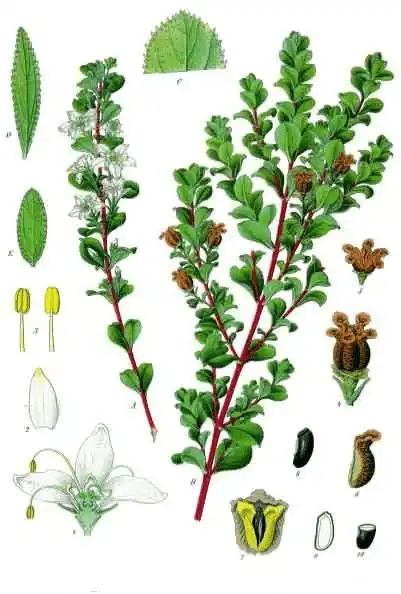
1. Descripción general de la planta de Buchu: El buchu, conocido científicamente como Agathosma betulina, es un arbusto perenne y fragante originario de la región del Cabo Occidental de Sudáfrica. Pertenece a la familia de las Rutáceas, con hojas pequeñas y brillantes y racimos de flores de color blanco a rosa.
2. Características morfológicas: Buchu exhibits a compact and bushy growth habit, reaching a height of one to two meters. The elliptical leaves are oppositely arranged, emitting a potent scent when crushed.
3. Aromatic Qualities: The leaves contain essential oils rich in compounds like pulegone and diosphenol, contributing to the plants intense fragrance.
4. Flowers and Fruits: Buchu produces small, star-shaped flowers in clusters, ranging from white to pink. Following pollination, it develops small, capsule-like fruits containing seeds.
5. Adaptations to Harsh Environments: Buchu thrives in well-drained, sandy soils and exhibits resilience to drought conditions and occasional fires.
The Geographic Distribution of Buchu
1. Native Habitat: Buchu is indigenous to the Western Cape province of South Africa, particularly prevalent in the fynbos biome.
2. Fynbos Biome: Buchu thrives in the fynbos biome, a biodiversity hotspot with a Mediterranean climate and unique flora and fauna.
3. Cultivation Beyond Native Regions: Due to global demand, cultivation efforts extend beyond South Africa to regions with suitable climates.
4. Global Demand and Conservation Efforts: Buchus leaves are harvested for essential oils, leading to conservation initiatives to ensure sustainable practices.
5. Climate and Soil Preferences: Buchu prefers regions with a Mediterranean climate and well-drained, sandy soils.
The Chemical Composition of Buchu
1. Essential Oils: Buchus essential oils, including pulegone and diosphenol, contribute to its aromatic profile and therapeutic properties.
2. Flavonoids: Flavonoids in Buchu, natural antioxidants, support overall health and well-being.
3. Diosmin and Hesperidin: Buchu contains diosmin and hesperidin, studied for potential vascular benefits.
4. Antimicrobial Compounds: Buchu exhibits antimicrobial properties due to specific compounds, supporting its traditional use.
5. Phenolic Acids: Phenolic acids, including rosmarinic acid, provide antioxidant properties and potential anti-inflammatory effects.
6. Terpenes: Terpenes, aromatic compounds, contribute to Buchus fragrance and medicinal properties.
7. Buchu Camphor: This specific compound adds to Buchus unique chemical identity, influencing its aromatic qualities.
8. Potential Bioactive Compounds: Ongoing research explores additional bioactive compounds in Buchu, expanding its therapeutic potential.
Read Also: A Guide to Growing and Caring for Switchgrass (Panicum Virgatum)
The Medicinal Health Benefits Of Buchu (Agathosma betulina)
1. Anti-Inflammatory Properties: Buchu possesses potent anti-inflammatory effects attributed to compounds like flavonoids and phenolic acids, aiding in managing inflammatory conditions.
2. Antioxidant Benefits: Rich in flavonoids, Buchu exhibits antioxidant activity, combating oxidative stress and potentially reducing the risk of chronic diseases.
3. Urinary Tract Health: Traditionally used to support urinary tract health, Buchu may alleviate discomfort and promote overall urinary system function.
4. Diuretic Effects: Buchus diuretic properties contribute to increased urine production, supporting the elimination of excess fluids and aiding in conditions like edema.
5. Gastrointestinal Support: Buchu may offer gastrointestinal benefits, including soothing effects on the digestive system, historically used to address digestive discomfort.
6. Anti-Infective Properties: With antimicrobial compounds, Buchu may exhibit anti-infective properties, potentially aiding in the management of bacterial and fungal infections.
7. Respiratory Health Support: Buchus aromatic compounds, including essential oils, may provide respiratory benefits, addressing conditions like coughs and respiratory congestion.
8. Joint and Muscle Relief: The anti-inflammatory nature of Buchu may contribute to joint and muscle relief, making it a traditional remedy for conditions involving pain and inflammation.
9. Menstrual Comfort: Historically used to support menstrual comfort, Buchu may ease cramps and discomfort associated with the menstrual cycle.
10. Immune System Support: Flavonoids and other bioactive compounds in Buchu may contribute to immune system support, enhancing the bodys ability to defend against infections.
11. Stress Reduction: The aromatic qualities of Buchu may have mild calming effects, contributing to stress reduction and overall well-being.
The Methods of Usage to Achieve the Provided Health Benefits Of Buchu (Agathosma betulina)
1. Herbal Teas: Buchu leaves can be infused to create herbal teas, offering a convenient way to enjoy its medicinal benefits, particularly related to urinary and digestive health.
2. Essential Oil Applications: The essential oil extracted from Buchu can be diluted and applied topically, often used for joint and muscle relief or to harness its antimicrobial properties.
3. Tinctures and Extracts: Buchu tinctures and extracts are concentrated forms allowing for easy dosage, added to beverages or taken directly for various health benefits.
4. Dietary Supplements: Supplements containing Buchu extract are available in various forms, including capsules and powders, providing a convenient way to incorporate it into a daily wellness routine.
5. Aromatherapy: Buchu essential oil can be diffused for aromatherapy purposes, inhaling aromatic compounds for stress reduction and respiratory health.
6. Culinary Uses: In some cultures, Buchu leaves are used as a culinary herb, adding a unique taste to recipes, though providing less concentrated medicinal benefits.
7. Poultices and Compresses: Applied externally using poultices or compresses, Buchu may offer localized relief, commonly used for joint and muscle support.
8. Traditional Infusions: In traditional medicine, infusions of Buchu were used for various health purposes, providing a gentle and traditional approach to wellness.
The Side Effects Of Using Buchu Medicinal Plant
1. Allergic Reactions: Individuals allergic to plants in the Rutaceae family may experience reactions to Buchu, including skin irritation or respiratory issues.
2. Gastrointestinal Discomfort: Excessive consumption may lead to gastrointestinal discomfort; following recommended dosage guidelines is crucial.
3. Pregnancy and Lactation Concerns: Pregnant and lactating individuals should use Buchu cautiously due to limited safety data; consultation with a healthcare professional is advisable.
4. Drug Interactions: Buchu may interact with certain medications; individuals taking prescription medications should seek medical advice before use.
5. Skin Sensitivity: Topical application may cause skin sensitivity; patch testing is recommended, and dilution should be practiced.
6. Avoiding Prolonged Use: Long-term or excessive use may have unknown effects; its advisable to use Buchu for specific health purposes and under guidance.
7. Not Recommended for Children: Due to the lack of safety data, Buchu is not recommended for use in children; potential risks outweigh perceived benefits.
8. Kidney Concerns: Individuals with existing kidney conditions should use Buchu cautiously due to its diuretic effects; consultation with a healthcare professional is essential.
Read Also: Everything you Need to Know About Farm World
The Scientific Research and Studies of Buchu
1. Overview of Scientific Interest: Scientific research on Buchu (Agathosma betulina) has gained momentum due to its traditional uses and potential health benefits. Researchers explore its chemical composition, pharmacological properties, and applications in various health conditions.
2. Antimicrobial Properties: Studies have investigated Buchus antimicrobial properties, focusing on its ability to combat bacteria and fungi. Essential oils extracted from Buchu have shown inhibitory effects against certain pathogens.
3. Anti-Inflammatory Effects: Scientific studies delve into Buchus anti-inflammatory effects, exploring its potential to modulate inflammatory pathways. This research contributes to understanding its application in conditions related to inflammation.
4. Diuretic Activity: Researchers have explored Buchus diuretic activity, evaluating its impact on urine production and fluid balance. This aspect is crucial for understanding its traditional use in promoting kidney health.
5. Phytochemical Analysis: Comprehensive phytochemical analyses have been conducted to identify and quantify the bioactive compounds in Buchu. This includes flavonoids, terpenes, and essential oils responsible for its medicinal properties.
6. Buchu and Oxidative Stress: Scientific interest extends to Buchus potential role in reducing oxidative stress. Antioxidant compounds present in Buchu may contribute to cellular protection against oxidative damage.
7. Safety and Toxicology Studies: To ensure safe usage, researchers have conducted safety and toxicology studies on Buchu. These studies aim to establish appropriate dosage guidelines and identify potential adverse effects.
8. Potential Cardiovascular Benefits: Exploration of Buchus impact on cardiovascular health includes studies on blood pressure regulation and potential benefits for vascular function. This research provides insights into its broader therapeutic applications.
The Safety Precautions and Recommendations In Using Buchu (Agathosma betulina) Medicinal Plant
1. Consultation with Healthcare Professionals: Individuals with pre-existing medical conditions or those taking medications should consult healthcare professionals before using Buchu. This precaution is crucial to avoid potential interactions or adverse effects.
2. Dosage Guidelines: Adherence to recommended dosage guidelines is essential. Excessive consumption may lead to adverse reactions, emphasizing the importance of responsible and controlled use.
3. Allergic Reactions: People with known allergies to plants in the Rutaceae family, including citrus fruits, should exercise caution. Buchu may trigger allergic reactions, and any signs of allergies should be promptly addressed.
4. Pregnancy and Lactation: Pregnant and lactating individuals should avoid Buchu unless under the guidance of a healthcare provider. Limited safety data warrants cautious use during these periods.
5. Monitoring for Side Effects: Users should monitor for any adverse effects, such as gastrointestinal discomfort or skin reactions. If side effects occur, discontinuation is recommended, and professional advice should be sought.
6. Prolonged Use Caution: Avoid prolonged or excessive use of Buchu, as its long-term effects are not fully understood. Periodic breaks in usage may be advisable.
7. Kidney Conditions: Individuals with existing kidney conditions should use Buchu cautiously due to its diuretic effects. Regular monitoring and consultation with a healthcare professional are recommended.
8. Skin Sensitivity: Topical applications of Buchu essential oil may cause skin sensitivity in some individuals. Prior patch testing and proper dilution are advised.
FAQs About Buchu (Agathosma betulina) Medicinal Plant
1. Is Buchu Safe for Daily Use? Yes, Buchu can be safe for daily use when consumed within recommended dosage limits. However, its advisable to consult with a healthcare professional for personalized guidance.
2. Can Buchu Interact with Medications? Buchu may interact with certain medications, especially diuretics and lithium. Its crucial to inform healthcare providers about Buchu use to prevent potential interactions.
3. Are There Any Age Restrictions for Buchu Use? While Buchu is generally safe for adults, its not recommended for children due to limited safety data. Consultation with a healthcare professional is advised for individuals of all ages.
4. Can Pregnant Women Use Buchu? Pregnant women should avoid Buchu unless approved by a healthcare professional. Limited safety data warrants caution during pregnancy.
5. Is Buchu Effective for Urinary Tract Health? Buchu has traditionally been used to support urinary tract health. Scientific studies suggest potential benefits, but individual responses may vary.
6. ¿Cómo se debe diluir el aceite esencial de Buchu para uso tópico? El aceite esencial de buchu debe diluirse en un aceite portador antes de su aplicación tópica. Una dilución habitual es de 2 a 3 gotas de aceite de buchu por cucharadita de aceite portador.
7. ¿Se puede utilizar el buchu en aplicaciones culinarias? Si bien el buchu tiene usos culinarios en algunas culturas, sus principales aplicaciones son medicinales. El uso culinario puede aportar sabor, pero no ofrecer beneficios medicinales concentrados.
8. ¿Qué precauciones se deben tomar durante las reacciones alérgicas? En caso de reacciones alérgicas, como irritación cutánea o problemas respiratorios, se recomienda suspender inmediatamente el uso de Buchu. Es fundamental buscar atención médica en caso de reacciones graves.
9. ¿Existen casos reportados de toxicidad por Buchu? Cuando se usa de forma responsable y dentro de los límites de dosis recomendados, el Buchu suele ser seguro. Sin embargo, el uso excesivo o prolongado puede tener efectos desconocidos, lo que destaca la importancia de la moderación.
10. ¿Se puede utilizar el aceite esencial de Buchu en aromaterapia? Sí, el aceite esencial de buchu se puede usar en aromaterapia difundiéndolo. Inhalar sus compuestos aromáticos puede contribuir a la reducción del estrés y a la salud respiratoria.
11. ¿Se considera al buchu una especie en peligro de extinción? Según las evaluaciones actuales, el buchu no se considera una especie en peligro de extinción. Sin embargo, los esfuerzos de conservación son esenciales debido al aumento de su demanda y cultivo.
12. ¿Se puede utilizar Buchu simultáneamente con otros suplementos herbales? El uso simultáneo de Buchu con otros suplementos herbales debe realizarse con precaución, considerando posibles interacciones. Se recomienda consultar con un profesional de la salud para obtener orientación personalizada.
¿Tienes alguna pregunta, sugerencia o contribución? Si es así, no dudes en usar el cuadro de comentarios a continuación para compartir tu opinión. También te animamos a compartir esta información con otras personas que puedan beneficiarse. Dado que no podemos llegar a todos a la vez, agradecemos enormemente tu ayuda para difundirla. ¡Muchas gracias por tu apoyo y por compartirla!
Descargo de responsabilidad: Este artículo tiene fines exclusivamente educativos e informativos. Los beneficios para la salud descritos se basan en investigaciones científicas y conocimientos tradicionales. No sustituyen el consejo, diagnóstico ni tratamiento médico profesional. Siempre consulte con un profesional de la salud antes de usar cualquier hierba o remedio natural con fines médicos.
Lea también: Todo lo que necesitas saber sobre Snap Dragon