


Acalypha indica, commonly known as Indian Copperleaf, is a versatile medicinal plant that has been revered for its health benefits for centuries. This plant boasts a rich history of traditional use in various cultures, and its therapeutic properties continue to be explored by modern science.
The Botanical Description of Acalypha indica
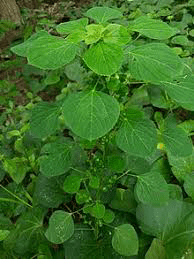
1. Life: Acalypha indica is a perennial herbaceous plant that exhibits a distinctive growth pattern. It often forms low-growing mounds or spreads horizontally along the ground.
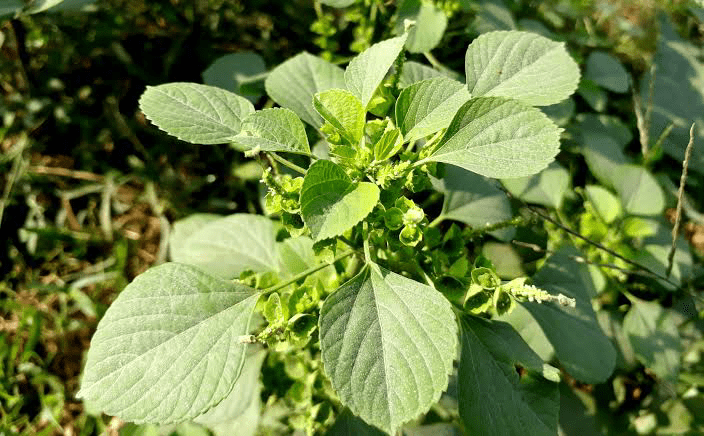
2. Leaves: The leaves of Indian Copperleaf are simple, alternate, and serrated along the margins. They vary in size but are typically lance-shaped or ovate, with prominent veins.
3. Stem: The stems of Acalypha indica are typically green and can be either erect or prostrate. They may become woody at the base as the plant matures.
4. Flowers: The inconspicuous flowers of Indian Copperleaf are small and typically green or reddish in color. They are borne in terminal spikes or clusters and lack showy petals.
5. Fruits: The fruit of Acalypha indica is a capsule that contains seeds. When mature, the capsule splits open to release the seeds, which are small and usually dark in color.
6. Height: Indian Copperleaf typically grows to a height of 30 to 100 centimeters (12 to 39 inches), although it can vary depending on environmental conditions.
7. Habitat: Acalypha indica is adaptable and can thrive in a variety of habitats, including open fields, roadsides, gardens, and wastelands. It is native to tropical and subtropical regions but has naturalized in many parts of the world.
8. Leaf Color: The color of the leaves can vary, ranging from green to reddish-purple, and may change with age or environmental factors.
9. Medicinal Uses: Acalypha indica has a long history of use in traditional medicine systems, particularly in Ayurveda and traditional Chinese medicine. Its leaves and roots are valued for their potential health benefits.
The Geographic Distribution of Acalypha indica (Indian Copperleaf)
1. Native to Asia: Acalypha indica is native to various regions in Asia, including India, Sri Lanka, Bangladesh, and parts of Southeast Asia. It thrives in the tropical and subtropical climates of these areas.
2. Widespread in Tropical Africa: This versatile plant has naturalized in tropical African countries such as Nigeria, Ghana, and Cameroon. It can be found in both cultivated and wild settings.
3. Presence in the Americas: Acalypha indica has also been introduced to the Americas, where it is found in parts of Central and South America, including countries like Brazil and Colombia. In some regions, it is considered an invasive weed.
4. Naturalized in the Pacific Islands: It has naturalized in several Pacific Islands, including Fiji, Hawaii, and French Polynesia, where it is often found along roadsides and in disturbed areas.
5. Cultivated in Gardens: In addition to its natural habitats, Acalypha indica is cultivated in gardens and herbal gardens worldwide for its medicinal properties.
6. Habitat Variety: Indian Copperleaf can adapt to a variety of habitats, from open fields and wastelands to gardens and roadsides. Its ability to thrive in diverse environments contributes to its wide geographic distribution.
7. Tropical and Subtropical Regions: It is primarily found in regions characterized by warm, humid, and tropical to subtropical climates.
8. Invasive in Some Areas: Due to its adaptability and aggressive growth, Acalypha indica has become invasive in certain regions, competing with native vegetation.
9. Human-Mediated Spread: Human activities, including trade and agriculture, have contributed to the spread of Acalypha indica to new geographic areas.
The Chemical Composition of Acalypha indica (Indian Copperleaf)
1. Flavonoids: Acalypha indica contains flavonoids, which are known for their antioxidant properties. These compounds help combat oxidative stress in the body.
2. Tannins: Tannins are present in Indian Copperleaf and contribute to its astringent properties. They can also have potential health benefits.
3. Alkaloids: Some studies have identified alkaloids in Acalypha indica, which may have various pharmacological effects.
4. Terpenoids: Terpenoids are secondary metabolites found in the plant, contributing to its aroma and potential medicinal properties.
5. Steroids: Steroids are another group of compounds present in Acalypha indica. They play diverse roles in plant biology.
6. Essential Oils: The plant may contain essential oils, which can contribute to its fragrance and medicinal properties.
7. Phenolic Compounds: Phenolic compounds, including phenolic acids and flavonoids, are known for their potential antioxidant and anti-inflammatory effects.
The Harvesting and Processing of Acalypha indica (Indian Copperleaf)
1. Leaf Harvesting: The leaves of Acalypha indica are typically harvested for medicinal use. They can be plucked or cut from the plant.
2. Drying: After harvesting, the leaves are often dried to preserve their shelf life and retain their beneficial compounds. Proper drying techniques are crucial.
3. Traditional Remedies: In many cultures, dried leaves are used in traditional remedies. They can be brewed as teas, decoctions, or infusions for various health purposes.
4. Herbal Preparations: The dried leaves can also be used as ingredients in herbal formulations, such as powders, capsules, or tinctures.
5. Sustainable Harvesting: Efforts are made to promote sustainable harvesting practices to ensure the long-term availability of Acalypha indica.
6. Traditional Knowledge: Traditional healers often have specific methods for processing and using Acalypha indica, based on their indigenous knowledge.
7. Quality Control: For commercial preparations and herbal products, quality control measures are implemented to ensure the potency and safety of the plant material.
8. Ethnobotanical Uses: Indian Copperleaf is used in various traditional medicinal systems, and different cultures may have specific techniques for processing and preparing remedies.
Read Also: 20 Medicinal Health Benefits Of Piper aduncum (Spiked Pepper)
The Medicinal Health Benefits Of Acalypha indica (Indian Copperleaf)
1. Anti-Inflammatory Properties: Indian Copperleaf is prized for its anti-inflammatory effects, making it useful for alleviating conditions such as arthritis and joint pain.
2. Antioxidant Action: Its rich flavonoid content contributes to potent antioxidant properties, helping protect cells from oxidative damage.
3. Wound Healing: Acalypha indica’s astringent qualities promote wound healing and can be applied topically to cuts, bruises, and minor injuries.
4. Alivio Gastrointestinal: Se utiliza para aliviar las molestias digestivas, incluyendo la indigestión, la gastritis y la diarrea.
5. Salud Respiratoria: Acalypha indica puede aliviar afecciones respiratorias como la tos, el asma y la bronquitis debido a sus propiedades antiinflamatorias.
6. Efectos Analgésicos: La planta es valorada por sus propiedades analgésicas, proporcionando alivio del dolor de cabeza, dolor muscular y dolor de muelas.
7. Apoyo Inmunológico: Se sabe que estimula el sistema inmunológico, ayudando en la defensa del cuerpo contra las infecciones.
8. Antidiarreico: Acalypha indica puede ayudar a controlar la diarrea, gracias a sus propiedades astringentes y antiinflamatorias.
9. Acción Antipirética: En la medicina tradicional, se utiliza para reducir la fiebre, ofreciendo alivio durante las enfermedades.
10. Salud Cardiovascular: Algunos estudios sugieren que puede tener un impacto positivo en la salud del corazón al ayudar a regular la presión arterial y reducir el riesgo de enfermedades cardiovasculares.
11. Afecciones de la Piel: Acalypha indica se aplica tópicamente para tratar afecciones de la piel como el eccema, las erupciones cutáneas y las picaduras de insectos.
12. Alivio del Dolor Menstrual: Puede aliviar los cólicos menstruales y las molestias cuando se consume como té o infusión.
13. Efectos Antimicrobianos: Acalypha indica exhibe propiedades antimicrobianas, lo que podría ayudar en el tratamiento de infecciones.
14. Potencial Antidiabético: La investigación ha explorado su papel en el manejo de la diabetes mediante la regulación de los niveles de azúcar en la sangre.
15. Salud renal: Algunos usos tradicionales lo involucran para obtener beneficios potenciales para la función renal.
16. Efectos antiespasmódicos: La planta se utiliza para reducir los espasmos musculares y los calambres, proporcionando alivio del malestar.
17. Salud hepática: Algunas culturas creen que apoya la salud del hígado, aunque se necesita más investigación en esta área.
18. Alivio del estrés y la ansiedad: Puede tener propiedades calmantes, lo que lo hace útil para reducir la ansiedad y el estrés.
19. Salud ósea: Indian Copperleaf está asociada con la salud ósea y puede contribuir a fortalecer los huesos.
20. Efectos antiulcerosos: Puede ayudar a proteger contra las úlceras de estómago y promover la salud gástrica.
21. Potencial anticancerígeno: Estudios preliminares sugieren que ciertos compuestos en Acalypha indica pueden tener propiedades anticancerígenas, aunque se necesita más investigación.
22. Efectos antiasmáticos: Se utiliza para aliviar los síntomas del asma y mejorar la función respiratoria.
23. Propiedades laxantes: En algunas culturas, se utiliza como un laxante suave para aliviar el estreñimiento.
24. Salud ocular: Indian Copperleaf se utiliza para mantener la salud ocular y tratar problemas relacionados con los ojos.
25. Tónico tradicional: En varias culturas, se utiliza como un tónico para la salud general para promover el bienestar general.
Métodos de uso para lograr los beneficios para la salud proporcionados por Acalypha indica (hoja de cobre india)
1. Herbal Tea: One of the most common methods is brewing Acalypha indica leaves to make herbal tea. This allows for easy consumption of its health-promoting compounds.
2. Topical Applications: Indian Copperleaf can be applied topically as a poultice, paste, or infused oil to address skin issues and promote wound healing.
3. Infusions and Decoctions: Preparing infusions and decoctions from the leaves allows for concentrated consumption of its therapeutic properties.
4. Tinctures: Tinctures made from Acalypha indica can be ingested in small doses, offering a convenient way to access its benefits.
5. Powdered Form: Dried leaves can be ground into a fine powder and used as an ingredient in herbal formulations or taken as a supplement.
6. Capsules and Tablets: Commercially available supplements containing Indian Copperleaf are accessible for those seeking its benefits in a convenient form.
7. Ointments and Creams: For skin-related issues, ointments and creams infused with Acalypha indica extracts can be applied to affected areas.
8. Inhalation: Steam inhalation with Indian Copperleaf-infused water vapor may help with respiratory conditions.
9. Culinary Use: In some cultures, the fresh leaves are used as a culinary ingredient, adding flavor and potential health benefits to dishes.
10. Traditional Remedies: Traditional healers often have specific methods and formulations for utilizing Acalypha indica for various health concerns.
Side Effects Of Using Acalypha indica Medicinal Plant
1. Allergic Reactions: Some individuals may be allergic to Acalypha indica, resulting in skin rashes or respiratory issues.
2. Gastrointestinal Distress: In rare cases, excessive consumption may lead to gastrointestinal discomfort, including nausea and diarrhea.
3. Blood Pressure: It may affect blood pressure, so those with hypertension should use it cautiously.
4. Pregnancy and Breastfeeding: Pregnant and breastfeeding women should exercise caution and consult healthcare professionals before using Indian Copperleaf due to limited safety data.
5. Diabetes Management: If you have diabetes, monitor blood sugar levels when using Acalypha indica, as it may interact with diabetes medications.
6. Children: Use in children should be supervised and in consultation with a pediatrician.
7. Ethical Harvesting: Sustainable harvesting practices should be followed to protect natural populations and ecosystems.
8. Dosage Control: Proper dosage control is essential, as excessive consumption can lead to adverse effects.
9. Prolonged Use: Long-term or excessive use of Acalypha indica may have unknown effects, so moderation is key.
10. Interactions with Medications: Consult with a healthcare provider if you are taking medications, as Acalypha indica may interact with certain drugs.
Read Also: 23 Medicinal Health Benefits Of Shepherdia argentea (Silver Buffaloberry)
The Scientific Research and Studies of Acalypha indica (Indian Copperleaf)
1. Anti-Inflammatory Properties: Scientific studies have investigated the anti-inflammatory effects of Acalypha indica, demonstrating its potential in reducing inflammation and associated health conditions.
2. Antioxidant Activity: Research has confirmed the antioxidant activity of Indian Copperleaf, highlighting its ability to combat oxidative stress and protect against cellular damage.
3. Wound Healing: Studies have explored the wound-healing properties of Acalypha indica, shedding light on its mechanisms for promoting tissue repair.
4. Gastrointestinal Benefits: Scientific investigations have focused on its role in gastrointestinal health, indicating its potential in managing digestive disorders.
5. Respiratory Health: Research has examined the plant’s impact on respiratory conditions, suggesting its effectiveness in relieving symptoms of asthma and bronchitis.
6. Analgesic Potential: Scientific studies have investigated the pain-relieving properties of Acalypha indica, revealing its potential as a natural analgesic.
7. Modulación Inmunológica: Algunas investigaciones sugieren que la Acalypha indica puede modular el sistema inmunológico, potencialmente mejorando su capacidad para combatir infecciones.
8. Efectos Antidiabéticos: Se han explorado los efectos de la planta en el manejo de la diabetes, incluyendo su potencial para regular los niveles de azúcar en la sangre.
9. Actividad Antimicrobiana: Investigaciones científicas han sugerido que Acalypha indica posee propiedades antimicrobianas, lo que podría ser valioso en el tratamiento de infecciones.
10. Salud Cardiovascular: La investigación ha examinado sus efectos sobre la salud del corazón, incluyendo su potencial para regular la presión arterial y reducir el riesgo de enfermedades cardiovasculares.
11. Potencial Anticancerígeno: Estudios preliminares han explorado ciertos compuestos en Acalypha indica por sus potenciales propiedades anticancerígenas, aunque se necesita más investigación.
12. Efectos Antiasmáticos: La investigación científica ha indicado su potencial para aliviar los síntomas del asma y mejorar la función respiratoria.
13. Propiedades Antiulcerosas: Se han investigado sus efectos para proteger contra las úlceras estomacales y promover la salud gástrica.
14. Acción Antipirética: La investigación ha examinado su uso en la reducción de la fiebre, particularmente durante las enfermedades.
15. Alivio del Estrés y la Ansiedad: Algunos estudios sugieren que Acalypha indica puede tener propiedades calmantes, ayudando potencialmente con el manejo de la ansiedad y el estrés.
16. Salud Ósea: Investigaciones científicas han explorado sus beneficios potenciales para la salud ósea, incluyendo su papel en la promoción de huesos más fuertes.
17. Salud Hepática: Aunque se necesita más investigación, algunas culturas lo utilizan por sus posibles beneficios para la salud hepática.
18. Efectos Laxantes: Estudios han sugerido que la Acalypha indica puede tener propiedades laxantes leves, lo que puede ayudar a aliviar el estreñimiento.
Precauciones de Seguridad y Recomendaciones al Usar la Planta Medicinal Acalypha indica (Acalifa India)
1. Alergias: Las personas con alergias conocidas a Acalypha indica o plantas relacionadas deben tener precaución y realizar una prueba cutánea antes de usarla.
2. Control de la Dosis: Siga las pautas de dosificación recomendadas para prevenir posibles efectos secundarios asociados con el consumo excesivo.
3. Interacciones con Medicamentos: Consulte con un profesional de la salud si está tomando medicamentos, ya que Acalypha indica puede interactuar con ciertos fármacos.
4. Higiene Dental: Enjuague su boca o cepíllese los dientes después de consumir Acalypha indica para proteger el esmalte dental debido a su acidez.
5. Presión Arterial: Si tiene presión arterial alta o baja, tenga precaución, ya que Acalypha indica puede afectar la presión arterial. Consulte a un proveedor de atención médica para obtener orientación.
6. Control de la Diabetes: Controle de cerca los niveles de azúcar en sangre si tiene diabetes y está usando Acalypha indica para garantizar la estabilidad.
7. Embarazo y lactancia: Las mujeres embarazadas o en periodo de lactancia deben consultar a su proveedor de atención médica antes de usar Indian Copperleaf debido a la limitada información sobre seguridad.
8. Niños: El uso en niños debe ser supervisado y en consulta con un pediatra.
9. Cosecha sostenible: Si cosecha Acalypha indica en la naturaleza, siga prácticas de cosecha sostenibles para proteger las poblaciones naturales y los ecosistemas.
Preguntas frecuentes sobre Acalypha indica
1. ¿Es seguro el consumo regular de Acalypha indica?
Acalypha indica generalmente es seguro cuando se consume con moderación como parte de una dieta equilibrada.
2. ¿Puede Acalypha indica ayudar con problemas digestivos?
Muchas personas lo usan para el alivio digestivo, pero consulte a un profesional de la salud para problemas digestivos graves.
3. ¿Se conocen interacciones medicamentosas con Acalypha indica?
Algunas interacciones son posibles, especialmente con medicamentos anticoagulantes y medicamentos que afectan los niveles de azúcar en sangre.
4. ¿Se puede usar Acalypha indica durante el embarazo?
Las mujeres embarazadas deben consultar a su proveedor de atención médica antes de usar Acalypha indica debido a la limitada información sobre seguridad.
5. ¿Cómo puedo incorporar Acalypha indica en mi dieta?
Puede disfrutarlo como un té de hierbas, infusión o suplemento, o usarlo como una hierba culinaria en algunas culturas.
6. ¿Tiene Acalypha indica algún impacto en la salud renal?
Algunas investigaciones sugieren que puede tener un efecto positivo en la función renal, pero se necesitan más estudios.
7. ¿Es Acalypha indica adecuada para personas con hipertensión?
Aquellos con hipertensión deben ser cautelosos, ya que puede afectar la presión arterial. Consulte a un proveedor de atención médica para obtener orientación.
8. ¿Existen efectos adversos conocidos del consumo prolongado de Acalypha indica?
Los datos de seguridad a largo plazo son limitados, por lo que es aconsejable la moderación para evitar posibles efectos adversos.
9. ¿Se puede cultivar Acalypha indica en jardines domésticos?
Sí, se puede cultivar en jardines, pero es esencial seleccionar las variedades apropiadas para su clima y condiciones del suelo.
10. ¿Se puede utilizar Acalypha indica como hierba culinaria?
En algunas culturas, se utiliza como hierba culinaria para agregar sabor a los platos.
11. ¿Se utiliza Acalypha indica en los sistemas de medicina tradicional?
Sí, tiene una larga historia de uso en los sistemas de medicina tradicional, incluyendo el Ayurveda y la medicina tradicional china.
12. ¿Acalypha indica tiene algún efecto secundario potencial?
Algunas personas pueden experimentar alergias o malestar gastrointestinal. El control adecuado de la dosis es esencial.
13. ¿Es Acalypha indica una opción adecuada para el cuidado natural de la piel?
Algunas personas incorporan extractos de Acalypha indica en las rutinas de cuidado de la piel, pero las reacciones individuales pueden variar.
14. ¿Se puede utilizar Acalypha indica como conservante natural?
Its antimicrobial properties may make it a potential natural preservative for certain foods.
15. What are the environmental benefits of Acalypha indica?
Acalypha indica plays a role in stabilizing soils, providing habitat and food for wildlife, and supporting biodiversity.
16. How should I store Acalypha indica for medicinal use?
Store dried leaves or herbal products containing Acalypha indica in a cool, dry place to maintain their potency.
17. Is Acalypha indica commonly used in modern herbal remedies?
Yes, it is often included in modern herbal formulations and supplements.
18. Can I use Acalypha indica as a complementary therapy alongside conventional medicine?
It is frequently used as a complementary therapy, but consult with a healthcare professional for serious health issues.
Do you have any questions, suggestions, or contributions? If so, please feel free to use the comment box below to share your thoughts. We also encourage you to kindly share this information with others who might benefit from it. Since we can’t reach everyone at once, we truly appreciate your help in spreading the word. Thank you very much for your support and for sharing!
Disclaimer: This article is for educational and informational purposes only. The health benefits described are based on scientific research and traditional knowledge. They are not a substitute for professional medical advice, diagnosis, or treatment. Always consult a healthcare professional before using any herb or natural remedy for medical purposes.
Leer también: El impacto de la conservación del agua en el medio ambiente