


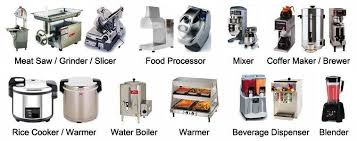
The ambiance and functionality of a restaurant hinge on its equipment, including furniture, fixtures, and linen. These elements not only enhance the dining experience but also ensure operational efficiency. Properly selected and maintained equipment reflects the restaurant’s style and service quality, creating a welcoming environment for guests.
This article explores the critical components of restaurant equipment, focusing on furniture like tables and chairs, service fixtures such as side stations and trolleys, and essential linens. Each piece plays a vital role in shaping the guest experience and streamlining service processes.
Read Also: Options for Genetic Improvement in Tropical Livestock
Furniture in Restaurants
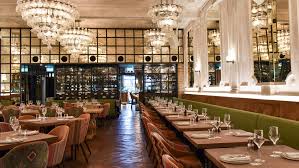
Furniture significantly influences a restaurant’s atmosphere. Utilitarian yet elegant designs allow for flexibility in creating different moods through materials, finishes, and arrangements. Selecting appropriate furniture enhances both aesthetics and functionality, ensuring guest comfort and operational efficiency.
A. Tables
Tables vary in size and shape based on available space and service type. Their design impacts the dining experience and space utilization.
1. Table Types and Sizes: Three common table shapes are round, rectangular, and square. Round tables, approximately 92 cm in diameter, seat four. Square tables measure 76 cm for two or 92 cm for four. Rectangular tables for four are 137 cm x 76 cm.
2. Table Height and Materials: Tables should be 75 cm high for comfort. Commercial table tops use wood, metal, stone, tile, or melamine, often with edged finishes to prevent scuffs and dents, ensuring durability and visual appeal.
3. Specialty Tables: Some high-end tables feature a revolving top, allowing guests to rotate and serve themselves, adding convenience and a unique dining experience, particularly in upscale settings.
4. Space Considerations: Table size and arrangement must align with the restaurant’s layout and service style to optimize space and ensure smooth guest flow during service.
B. Chairs
Chairs complement tables in both style and function, contributing to guest comfort and the restaurant’s aesthetic.
1. Chair Dimensions: Chairs should be 92 cm high, with seats 46 cm from the floor and 23 cm below the table top, ensuring guests can eat comfortably without their legs touching the table’s underside.
2. Variety in Design: Available in various shapes, colors, and sizes, chairs can be tailored to suit different occasions, enhancing the restaurant’s versatility and visual appeal.
3. Comfort and Functionality: Chair dimensions must align with table sizes to provide ergonomic seating, allowing guests to relax and enjoy their dining experience.
4. Style Coordination: Chairs should reflect the restaurant’s theme, with careful selection of materials and finishes to maintain a cohesive look across the dining area.
Service Fixtures
Service fixtures like side stations and trolleys are essential for efficient restaurant operations. They support service staff by providing storage and workspace, ensuring seamless service delivery.
A. Side Station (Dummy Waiter)
The side station, also called a dummy waiter or service console, is a critical piece of restaurant furniture used for organizing service equipment.
1. Purpose and Placement: Side stations store service equipment and act as landing tables for dishes en route to or from the kitchen. They should be strategically placed for staff convenience.
2. Equipment Stored: Side stations hold salvers, creamers, wine chillers, coffee pots, teapots, ice buckets, tongs, cruet sets, sugar bowls, soup ladles, butter dishes, and more.
3. Design Variability: The style and size of side stations depend on the restaurant’s service style, menu, number of waiters, and tables served, ensuring functionality without occupying excessive space.
4. Maintenance and Portability: Side stations should be portable, heat-resistant, and easy to clean. After service, they are emptied or restocked to maintain a tidy appearance.
B. Trolleys
Trolleys enhance service by bringing food preparation and presentation directly to the guest’s table, adding flair and interactivity.
1. Gueridon or Flambe Trolley: This mobile trolley with burners and a gas cylinder allows skilled waiters to flambé food at the table, enhancing the dining experience with theatrical preparation.
2. Room Service Trolley: Versatile and used for in-room dining, this trolley doubles as a dining table, equipped with a hot case to keep food warm during service.
3. Dessert Trolley: Featuring multiple shelves, often refrigerated, this trolley displays desserts like gateaux, pastries, and soufflés, enticing guests to order through visual appeal.
4. Hors d’Oeuvre and Carving Trolleys: Hors d’oeuvre trolleys carry appetizers, while carving trolleys, less common in Nigeria, are used for tableside meat carving, promoting specialty dishes.
Restaurant Linens
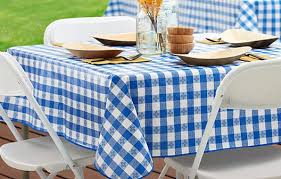
Linens, including tablecloths, napkins, and service cloths, add elegance and functionality to the dining experience. Made from materials like cotton or synthetic blends, they enhance both aesthetics and practicality.
A. Tablecloths
Tablecloths set the tone for formal dining, offering both protection and style to restaurant tables.
1. Material Quality: Cotton or linen tablecloths, such as Egyptian cotton or Irish linen, are durable, absorbent, and resistant to pilling, making them ideal for long-term use.
2. Color and Patterns: White is the most formal color, with off-white or ivory as acceptable alternatives. Damask or embroidered patterns add sophistication to the table setting.
3. Tablecloth Sizes: Tablecloths vary by table size: 137 x 137 cm for 76 cm square tables, 183 x 183 cm for 92 cm square tables, and 184 cm diameter for 92 cm round tables.
4. Practical Design: Tablecloths should cover the table top and part of the legs without interfering with guest comfort, ensuring a balance between aesthetics and functionality.
B. Slip Cloths and Napkins
Slip cloths and napkins protect tablecloths and enhance the dining experience with practical and decorative elements.
1. Slip Cloths: Measuring about 1 meter square, slip cloths protect tablecloths from spills, reducing laundry costs and extending the life of primary table linens.
2. Napkins: Napkins, ideally 46–50 cm square, are folded and placed to the left of the place setting or on the plate, often in elaborate shapes for upscale settings.
3. Napkin Presentation: Napkins may match tablecloths or complement the restaurant’s decor. They must be clean, well-pressed, and can be bundled with cutlery using napkin rings.
4. Buffet and Trolley Cloths: Buffet tablecloths measure 2 m x 4 m, while trolley and sideboard cloths are often repurposed from worn tablecloths, mended for continued use.
C. Service Cloths
Service cloths are essential for waitstaff, serving both functional and protective purposes during service.
1. Uses of Service Cloths: Service cloths are used for carrying hot plates, polishing plates, wiping spills, brushing crumbs, and protecting uniforms from heat and stains.
2. Maintenance: Service cloths must be clean, ironed, and used exclusively for specific tasks to maintain hygiene and professionalism during service.
3. Staff Uniform Integration: As part of the server’s uniform, service cloths ensure staff safety and cleanliness, enhancing the overall service quality.
Read Also: All You Need To Know About Animal Shelters
Equipment Handling and Safety
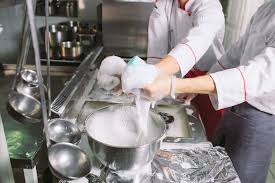
Proper handling of restaurant equipment is crucial to prevent breakages, ensure sanitation, and maintain a professional service environment. Staff must be trained to handle equipment with care.
A. Causes of Breakages
Equipment breakages result from various factors, each requiring specific preventive measures.
1. Mechanical Impact: Occurs from object-to-object collisions, such as stacking glassware, picking glasses in bouquets, or overloading trays and buspans, leading to chips or cracks.
2. Thermal Shock: Caused by sudden temperature changes, like placing hot water in a chilled glass or heating a cold bowl in a microwave, resulting in cracks or shattering.
3. Improper Handling: Using equipment for unintended purposes, such as scooping ice with a glass or opening cans with knives, increases the risk of damage.
4. Inattentiveness: Absent-mindedness during service, especially when carrying breakable items, can lead to accidents and equipment damage.
5. Environmental Factors: Greasy or slippery floors, broken tiles, or blind doors contribute to accidents, necessitating a safe and well-maintained environment.
B. Measures to Avoid Breakages
Implementing proper handling techniques reduces equipment damage and enhances safety.
1. Use Trays: Always use trays for serving and bussing to minimize the risk of dropping items and to ensure stable transport of equipment.
2. Proper Stacking: Follow a systematic approach to stacking and storing equipment, avoiding overloading and ensuring items are securely placed.
3. Designated Doors: Use separate entry and exit doors to prevent collisions among staff, reducing the likelihood of dropping equipment.
4. Glass Racks and Bussing: Use appropriate glass racks and buss glasses separately from chinaware to prevent damage during transport and cleaning.
C. Do’s and Don’ts of Equipment Handling
Adhering to best practices ensures equipment longevity and staff safety.
1. Handle Properly: Hold stemmed glasses by the stem, tumblers by the base, and flatware by the handle. Never stack glasses too tightly or overload trays.
2. Avoid Thermal Shock: Preheat glasses before pouring hot drinks, and avoid placing cold glasses in hot environments to prevent cracking.
3. Use Correct Tools: Use ice scoopers instead of glasses for ice, and store cutlery in appropriate containers, not inside glasses, to avoid damage.
4. Maintain Awareness: Stay attentive during service to avoid accidents, and ensure adequate backup supplies for busy periods to prevent rushed handling.
D. Sanitation Standards
Maintaining high sanitation standards is essential for guest safety and a professional dining experience.
1. Clean Equipment: Use sanitized glasses, flatware, and chinaware. Wipe all equipment dry with clean cloths to avoid watermarks, using dedicated wiping cloths.
2. Proper Presentation: Underline bowls with appropriate liners, serve straws in wrappers, and place additional utensils on plates to avoid hand contact.
3. Avoid Contamination: Keep thumbs away from plates, cover food when not served immediately, and never use dropped utensils or items with fingermarks or stains.
Frequently Asked Questions
1. What factors influence the choice of restaurant furniture?
The choice depends on the restaurant’s space, service style, and desired ambiance. Tables and chairs should be functional, elegant, and sized appropriately to ensure guest comfort and efficient space use.
2. Why are side stations important in restaurants?
Side stations store service equipment and act as landing tables for dishes, streamlining service. Their strategic placement and portability enhance staff efficiency and maintain a tidy appearance.
3. What types of trolleys are used in restaurants?
Common trolleys include gueridon (flambé), room service, dessert, hors d’oeuvre, and carving trolleys. Each serves specific purposes, from tableside preparation to displaying desserts for guests.
4. Why is linen quality important in restaurants?
High-quality linens, like cotton or Irish linen, are durable, absorbent, and elegant. They enhance the dining experience, protect tables, and contribute to a formal, polished atmosphere.
5. How can restaurants prevent equipment breakages?
Use trays for serving, stack equipment properly, use designated doors, and avoid thermal shock or improper handling. Training staff on correct techniques also minimizes damage.
6. What are key sanitation standards for restaurant equipment?
Equipment must be clean, sanitized, and free of watermarks or stains. Use dedicated cloths, avoid hand contact with food surfaces, and cover food to prevent contamination.
7. How do tablecloth sizes vary with table shapes?
Tablecloths vary by table size: 137 x 137 cm for 76 cm square tables, 183 x 183 cm for 92 cm square tables, and 184 cm diameter for 92 cm round tables.
8. What is the role of service cloths in restaurants?
Service cloths protect waitstaff from heat, help polish plates, wipe spills, and brush crumbs. They must be clean, ironed, and used only for specific service tasks.
Do you have any questions, suggestions, or contributions? If so, please feel free to use the comment box below to share your thoughts. We also encourage you to kindly share this information with others who might benefit from it. Since we can’t reach everyone at once, we truly appreciate your help in spreading the word. Thank you so much for your support and for sharing!