


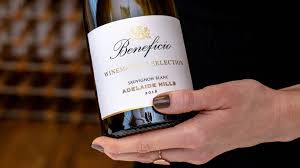
Various information is required to be provided on wine to assist customers in making decisions regarding their choice of drink. Such information includes details about the wine itself and its alcoholic strength. Most times, the wine label contains most of this information.
Key Details on Wine Labels
The required information on wine includes the following:
- Bin number
- Vintage
- Name of wine
- Alcoholic strength
- Country and area of origin
- Half bottle, bottle, or magnum
- Quality indication
- Price
- Shipper
- Supplier
- Château/estate bottled
- Varietal (type of grape)
- Descriptive notes as appropriate.
Read Also: Methods of Castration in Sheep and Goat
Measurement of Alcoholic Strength
The alcoholic strength of wine and other drinks is expressed as percentage (%) alcohol by volume (ABV). This is measured by the Organisation Internationale Métrologie Légale (OIML) Scale, which is the universally accepted scale for the measurement of pure alcohol in a liquid.
Thus, a liquid stated to have 30 percent alcohol by volume will have 30 percent of its content as pure alcohol. The alcoholic content of most drinks is now shown on the labels.
Example of a United States Wine Label
Figure 1 shows a typical United States wine label.
FIG. 1.1: A Typical United States Wine Label
Note that most of the information needed on wine has been supplied on this wine label.
Examples of Various Wine Labels
Fig. 1.2: Examples of Wine Labels
Figure 1.2 shows more examples of wine labels. Follow the numbers from each label to the related numbers in the text for a quick explanation of every label line. Though these labels represent different countries with different sets of labeling regulations, it is seen that they all provide the same general information, with only relatively minor differences in format and content.
Winemaker or Winery Information
The winemaker or winery refers to the company or firm that produced the wine or, in some cases, the wine’s trademark name.
Appellation Details on Wine Labels
The appellation indicates the country or region where the grapes for the wine were grown. This may be as broad as “California” or as narrow as a specific vineyard like Trittenheimer Altärchen. Note, however, that the California wine pictured here lists a narrower appellation (“El Dorado County”) and takes advantage of the option to denote its specific vineyard source (“Wylie-Fenaughty”) as well.
The German wine also mentions its region (“Mosel-Saar-Ruwer”). In most countries, wine-growing regions (“appellations”) are defined by law, and wines made in these regions will carry legal language on the label such as “Appellation Contrôlée” in France or Denominazione della Origine Controllata (DOC) in Italy. Most regulations allow up to 15 percent of the wine to be made from grapes grown outside the area.
Vintage Information on Wine Labels
The vintage is the year in which the grapes were harvested, not the year in which the wine was bottled, which for some wines may be years later. Note that some countries add the local word for “vintage” to the label: “Cosecha” in Spain, “Vendemmia” in Italian.
Most national wine laws require that at least 85 percent of the wine be harvested in the year of vintage; up to 15 percent may be blended in from other years.
Grape Variety Information
The variety refers to the specific kind of grapes from which the wine was made. Not all wines disclose varietal content, for example, most French and Italian wines. This is because wine laws require the wines of each region to be made from traditional varieties such as Cabernet Sauvignon, Merlot, Cabernet Franc, Petite Verdot, and Malbec in Bordeaux, for example; Sangiovese and others in the case of Chianti, and the indigenous grapes Obidiah and Merwah in the offbeat Lebanese white wine from Chateau Musar pictured under “Other.”
Most countries allow the use of some non-varietal grapes in the blend. In most states of the United States, for example, only 75 percent of the wine’s content must be of the named varietal. In Europe and Australia, the rule is usually 85 percent.
Read Also: Ruminant Animals: A Comprehensive Guide
Ripeness Indicators on Wine Labels
In a tradition known primarily in Germany and, in somewhat different form, Austria, some wines use special terminology to reflect the ripeness of the grapes and the quality of the finished wine.
The German wine pictured, for instance, is a Kabinett, the lowest ripeness level in Qualitätswein mit Prädikat, the highest quality level. Some German wine labels will also show “Trocken” (“dry”) or “Halbtrocken” (half dry) to denote wines vinified to less natural sweetness.
Estate Bottling and Winery Details
If the wine is “estate bottled” (made from grapes grown and harvested in the winery’s own vineyards), this will be disclosed with language on the label such as the French Mise en bouteille(s) au Château, the German Gutsabfüllung, or the English estate bottled or grown, produced, and bottled.
Other Required Information on Wine Labels
This may vary widely depending on national regulations. German wines, for example, carry an “Amptliche Prüfungs Nummer (AP Number),” the serial number received during official testing (barely visible on the right in the pictured label).
French wines may carry their ranking from traditional classifications (such as “Grand Cru” or “Premier Cru” on qualifying Burgundies).
The back labels of wines sold in the United States are typically decked out with required consumer warnings such as the “Surgeon General’s Warning” and notices that the wines contain sulfites. Wine labels also carry small print disclosing the wine’s approximate alcoholic content and the size of the bottle, as highlighted on several of the labels’ photos.
Imported wines in the United States normally bear the name and other information about the company that imported the wine.
Optional Information on Wine Labels
Additional information that may range from winemaker’s notes or detailed analytical and tasting information to advertising hype is often featured on labels, especially the back label.
Frequently Asked Questions (FAQs)
- What information is required on wine labels to assist customers?
Required information includes the bin number, vintage, name of wine, alcoholic strength, country and area of origin, bottle size (half bottle, bottle, or magnum), quality indication, price, shipper, supplier, château/estate bottled status, varietal (type of grape), and descriptive notes as appropriate. - How is alcoholic strength measured on wine labels?
The alcoholic strength is expressed as percentage (%) alcohol by volume (ABV), measured by the Organisation Internationale Métrologie Légale (OIML) Scale, where a liquid stated to have 30 percent alcohol by volume will have 30 percent of its content as pure alcohol. - What does the appellation on a wine label indicate?
The appellation indicates the country or region where the grapes for the wine were grown, such as “California” or a specific vineyard like Trittenheimer Altärchen, and may include legal terms like “Appellation Contrôlée” in France or Denominazione della Origine Controllata (DOC) in Italy. - What does the vintage year on a wine label represent?
The vintage is the year in which the grapes were harvested, not the year the wine was bottled, with most national wine laws requiring at least 85 percent of the wine to be harvested in the stated vintage year. - Why do some wines not disclose their grape variety on the label?
Some wines, particularly French and Italian wines, do not disclose varietal content because wine laws require the use of traditional varieties specific to each region, such as Cabernet Sauvignon and Merlot in Bordeaux or Sangiovese in Chianti. - What does the term “estate bottled” mean on a wine label?
“Estate bottled” indicates that the wine was made from grapes grown and harvested in the winery’s own vineyards, disclosed with terms like Mise en bouteille(s) au Château in French, Gutsabfüllung in German, or estate bottled in English. - What are some examples of additional required information on wine labels?
Additional required information may include the German “Amptliche Prüfungs Nummer (AP Number),” French classifications like “Grand Cru” or “Premier Cru,” U.S. consumer warnings such as the “Surgeon General’s Warning,” notices about sulfites, and details about the bottle size and importer for imported wines. - What type of optional information might be found on wine labels?
Optional information may include winemaker’s notes, detailed analytical and tasting information, or advertising hype, often featured on the back label.
Do you have any questions, suggestions, or contributions? If so, please feel free to use the comment box below to share your thoughts. We also encourage you to kindly share this information with others who might benefit from it. Since we can’t reach everyone at once, we truly appreciate your help in spreading the word. Thank you so much for your support and for sharing!