


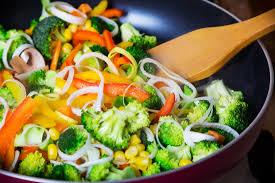
Cooking techniques vary widely, from grilling over open flames to using modern ovens, reflecting local traditions. This article examines cooking processes, reasons for cooking, types of heat transfer, effects of heat on food, and various cooking methods.
Cooking transforms raw ingredients into palatable, digestible meals. Heat enhances flavors, improves safety, and adds variety to diets. Understanding heat transfer and its effects ensures high-quality culinary outcomes.
Reasons for Cooking Food
Cooking food enhances its palatability, safety, and nutritional value. It transforms raw ingredients, making them easier to digest and more appealing. Various reasons drive the cooking process, each contributing to a better dining experience.
By applying heat, cooks can create diverse textures and flavors. This process not only ensures food safety but also allows for creative meal planning, meeting both physiological and aesthetic needs.
A. Enhancing Flavor
1. New Flavors: Cooking develops flavors, stimulating digestive juices.
2. Palatability: Heat makes food more enjoyable to taste.
3. Digestive Aid: Flavorful food encourages better digestion.
B. Improving Appearance
1. Visual Appeal: Physiological changes make food visually pleasing.
2. Aesthetic Planning: Cooked food allows for attractive meal presentations.
3. Balanced Diets: Cooking enables visually appealing, nutritious meals.
C. Ensuring Safety
1. Bacteria Elimination: Heat destroys harmful microorganisms.
2. Food Preservation: Cooking extends food’s shelf life.
3. Safe Consumption: Ensures food is safe to eat.
D. Enhancing Texture and Variety
1. Texture Changes: Heat promotes easier chewing and digestion.
2. Dietary Variety: Cooking introduces diverse meal options.
3. Nutritional Assimilation: Makes nutrients easier to absorb.
Read Also : Operating Principles and Guide for Proper Fish Hatcheries
Types of Heat Transfer
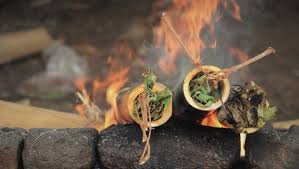
Heat transfer is fundamental to cooking, using sources like gas, electricity, or wood. Different methods—conduction, convection, and radiation—transfer heat to food, each with unique mechanisms and applications.
Understanding these methods helps cooks choose the right technique for desired results. Each method affects food differently, influencing texture, flavor, and cooking time.
A. Conduction
1. Direct Contact: Heat transfers through direct contact between objects.
2. Molecular Energy: Heated molecules transfer energy to neighboring ones.
3. Versatile States: Occurs in solids, liquids, or vapors.
B. Convection
1. Natural Movement: Heat distributes via liquid or vapor movement.
2. Forced Movement: Mechanical devices like fans aid heat circulation.
3. Density Changes: Hot air or liquid rises, cooler sinks, creating currents.
C. Radiation – Infrared Waves
1. Longer Wavelengths: Infrared waves exceed visible light in length.
2. Food Warming: Used in restaurants to keep food warm.
3. Equipment Examples: Broilers and infrared lamps emit radiation.
D. Radiation – Microwaves
1. Limited Penetration: Microwaves heat food up to 2 inches deep.
2. Material Compatibility: Works on water-containing foods, not plastics.
3. Common Uses: Found in hospitals, vending, and convenience stores.
Read Also : Proper Irrigation and Drainage Guide
Effects of Heat on Food Substances
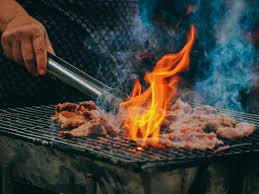
Heat alters food’s color, texture, flavor, shape, and nutritional value. Different components proteins, carbohydrates, fats, and water react uniquely to heat, affecting the final dish.
Selecting the appropriate cooking method based on food composition ensures optimal results. Understanding these effects helps cooks achieve desired culinary outcomes.
A. Coagulation
1. Protein Denaturation: Heat solidifies proteins, like cooking egg whites.
2. Temperature Range: Occurs between 160° to 185°F.
3. Acid Effects: Acids like lemon juice cause similar coagulation.
B. Gelatinization
1. Starch Swelling: Starch absorbs water and swells when heated.
2. Temperature Range: Complete at 190° to 195°F.
3. Potential Issues: Excessive heat or agitation disrupts gelatinization.
C. Caramelization
1. Sugar Browning: Heat browns natural or added sugars.
2. Visual Impact: Excessive caramelization may darken food unappealingly.
3. Flavor Risk: Overheating can cause a burned flavor.
D. Evaporation
1. Water Conversion: Water turns to steam at 212°F, evaporating.
2. Moisture Loss: Excessive heat may overly dry food.
3. Texture Impact: Prolonged cooking affects food’s moisture content.
Frequently Asked Questions
1. Why is cooking food important?
Cooking enhances flavor, ensures safety by killing bacteria, improves digestibility, and allows for visually appealing, varied, and balanced diets.
2. What are the main types of heat transfer in cooking?
Heat transfer occurs through conduction (direct contact), convection (liquid or vapor movement), and radiation (electromagnetic waves like infrared or microwaves).
3. How does conduction differ from convection in cooking?
Conduction transfers heat via direct contact, while convection uses the movement of heated air or liquid, like boiling water versus baking.
4. What is the role of infrared waves in cooking?
Infrared waves, used in broilers and lamps, emit radiation to cook or keep food warm, especially in restaurant settings.
5. How does heat affect proteins in food?
Heat causes protein coagulation, turning them from semisolid to solid, as seen in cooked egg whites or toughened meat.
6. What happens during caramelization?
Caramelization browns sugars when heated, enhancing flavor but risking dark colors or burned tastes if overdone.
7. Why is gelatinization important in cooking?
Gelatinization thickens liquids as starch absorbs water and swells, crucial for sauces and gravies, completed at 190–195°F.
8. How does evaporation impact food during cooking?
Evaporation turns water to steam at 212°F, potentially drying food if heat is too high or cooking is prolonged.
Do you have any questions, suggestions, or contributions? If so, please feel free to use the comment box below to share your thoughts. We also encourage you to kindly share this information with others who might benefit from it. Since we can’t reach everyone at once, we truly appreciate your help in spreading the word. Thank you so much for your support and for sharing!