


Soil scientists study many different aspects of the soil. Below are the soil characteristics that represent the most important aspects of soil science.
Defining Soil in Agricultural Systems
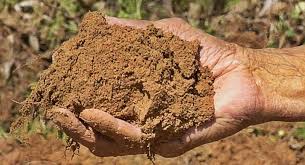
Soil is a layer of natural materials on the earth’s surface containing both organic and inorganic materials and capable of supporting plant life. The material covers the earth’s surface in a thin layer. It may be covered by water, or it may be exposed to the atmosphere.
Soil contains four main components: inorganic material, organic matter, water, and air. Ideal soil should contain about 50% solid material and 50% pore space.
About half of the pore space should contain water, and half of the space should contain air. Inorganic material consists of rock slowly broken down into small particles. The organic material is made up of dead plants and animals varying in stages of decay.
Read Also: Methods of Castration in Sheep and Goat
Factors Influencing Soil Composition
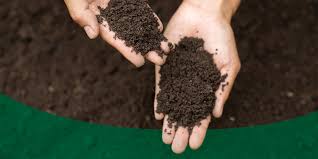
The percentages of the four main soil components vary depending on the kind of vegetation, amount of mechanical compaction, and the amount of soil water present. Soil is formed very slowly. It results from natural forces acting on the mineral and rock portions of the earth’s surface.
The rock is slowly broken down to small particles, resulting in soil. Soil parent materials are those materials underlying the soil and from which the soil was formed.
There are five major categories of parent material: minerals and rocks, glacial deposits, loess deposits, alluvial and marine deposits, and organic deposits.
Soil Parent Materials and Their Agricultural Role
Minerals are solid, inorganic, chemically uniform substances occurring naturally in the earth. Some common minerals for soil formation are feldspar, micas, silica, iron oxides, and calcium carbonates. Rocks are different from minerals because they are not uniform.
There are three types of rocks: igneous, sedimentary, and metamorphic. Igneous rocks are those formed by the cooling of molten rock.
Sedimentary rocks are those formed by the solidification of sediment. Metamorphic rocks are simply igneous or sedimentary rocks that have been reformed because of great heat or pressure.
Impact of Geological Processes on Soil Formation
During the ice age, glaciers moved across areas of the northern hemisphere. They ground, pushed, piled, gouged, and eventually deposited great amounts of rocks, parent material, and already formed soil material. Loess deposits are generally thought of as windblown silt.
Alluvial and marine deposits are waterborne sediments. Alluvial deposits are left by moving fresh water. Marine deposits are formed on ancient ocean floors. Organic deposits are partially decayed plants that live plants are able to root and grow in. These are found in swamps and marshes.
Read Also: Methods of Castration in Sheep and Goat
Weathering Processes in Soil Development
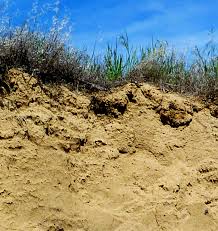
When minerals are exposed to weather, they begin to break down into smaller pieces. This is mostly done by heating and cooling of the minerals and rock. Some minerals are water-soluble, which means they dissolve when exposed to water.
Some rocks may contain some minerals that are water-soluble, and only that part of the rock will dissolve, for example, some caves.
Role of Biological and Physical Factors in Soil Breakdown
When a tree or other types of plants begin growing in the cracks of rocks, this may speed up the breakdown of the rock because of the pressure the roots may exert. Ice can also speed up the weathering process on rocks.
If a rock has a crack that can fill up with water, when the water freezes, it can literally crumble the rock into small pieces. Rocks can also be broken down by mechanical grinding, such as wind blowing sand at high speeds or glaciers causing rocks to grind each other.
New soil is continually being made, but it takes a long time to create new soil, and if it isn’t managed properly, soil can be eroded away quicker than it can be made.
Do you have any questions, suggestions, or contributions? If so, please feel free to use the comment box below to share your thoughts. We also encourage you to kindly share this information with others who might benefit from it. Since we can’t reach everyone at once, we truly appreciate your help in spreading the word. Thank you so much for your support and for sharing!