


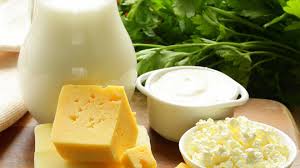
Fermented dairy products can be broadly divided into two groups: fermented milk products and cheeses. In fermented milk products, all constituents of the milk are retained in the final products, with the exception of those partially metabolized by bacteria. Many types of fermented milk products are produced worldwide.
A few are made by controlled fermentation, where microbial types and their contributions are known. In many others, fermented either naturally or by back slopping, the microbial profiles and their contributions are not precisely known. Many types of lactic acid bacteria and some yeasts predominate the microbial flora in these products.
Read Also: Ruminant Animals: A Comprehensive Guide
Milk Composition and Its Impact on Fermentation Quality
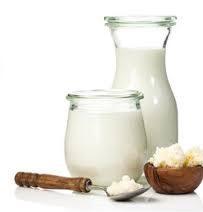
The growth of desirable microorganisms and the quality of a fermented dairy product are influenced by the composition and quality of the milk used in a fermentation process. Cow’s milk contains approximately 3.2% protein, 4.8% lactose, 3.9% lipids, 0.9% minerals, traces of vitamins, and approximately 87.2% water.
Among the proteins, casein in colloidal suspension as calcium caseinate is present in higher amounts than the two soluble proteins, albumin and globulin. Lactose is the main carbohydrate and is present in solution, while lipids are dispersed as globules of different sizes in emulsion (fat in water).
Minerals are present in solution and as colloid with casein. Water-soluble vitamins are in the aqueous phase, whereas fat-soluble vitamins are with the lipids. The solid components (ca. 12.8%) are designated as total solids (TS), and TS without lipids are designated as solid-not-fat (SNF; ca. 8.9%).
The whey contains principally the water-soluble components, some fat, and water. The growth of desirable microorganisms can be adversely affected by several components that are either naturally present or have entered the milk as contaminants.
The natural antimicrobials are agglutinins and the lactoperoxidase-isothiocyanate system. The agglutinins can induce clumping of starter-culture cells and slow their growth and metabolism. The lactoperoxidase-isothiocyanate system can inhibit starter cultures.
Antimicrobials cause problems only when raw milk is used because both are destroyed by heating milk. Milk can also contain antibiotics, either used in the feed or to treat animals for infections, such as mastitis.
Their presence can affect the growth of starter cultures. Some milk can contain heat-stable proteases and lipases produced by psychrotrophic bacteria, such as Pseudomonas species, during refrigerated storage of raw milk before pasteurization.
Microbiology of Acidophilus Milk
Traditional acidophilus milk is the product of fermentation by Lactobacillus acidophilus. The more readily available sweet acidophilus milk retains the flavor of fresh milk because it is not fermented. Instead, a culture of L. acidophilus is added immediately before packaging.
The bacteria are included only for their possible health benefits. Some evidence suggests they may aid in the digestion of lactose and prevent or reduce the severity of some diarrheal illnesses, but their role in the complex interactions of the human intestinal tract is not clear. Unlike most lactic acid bacteria used as starter cultures, L. acidophilus can potentially colonize the intestinal tract.
Read Also: Methods of Castration in Sheep and Goat
Microbial Processes in Yogurt Fermentation
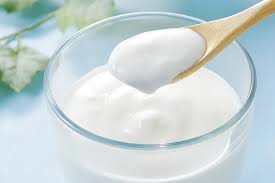
Yogurt has traditionally been made using Streptococcus thermophilus and Lactobacillus bulgaricus. Lactobacillus acidophilus and Bifidobacterium spp. are often added due to their popularity as probiotics.
The first step in yogurt manufacture is to concentrate the milk by 25% using a vacuum dehydrator. Milk solids (5%, wt/wt) are then added, and the mixture is heated to 90°C for 30 to 90 minutes. After the mixture is cooled to 45°C, the starter culture is added at 2% (vol/vol), and the mixture is incubated for 3 to 5 hours.
The final product has a titratable acidity of 0.8 to 0.9% and about 10⁹ organisms/g. These may die off during cold storage to a population of 10⁶ organisms/g, the minimum required to make a “live and active culture” claim for the yogurt. Yogurt has a semisolid mass resulting from the coagulation of milk (skim, low, or full fat) by starter-culture bacteria.
It has a sharp acidic taste with a flavor similar to walnuts and a smooth mouthfeel. The flavor is a result of the combined effects of acetaldehyde, lactate, diacetyl, and acetate, but 90% of the flavor is due to acetaldehyde.
It is generally fermented in batches, but a continuous method has also been developed. The batch process for a low-fat (2%) plain yogurt is as follows:
- Homogenized milk (12% TS) + stabilizer (1%). The stabilizer is added to give the desired gel structure.
- Heated to 185°F (85°C) for 30 minutes and cooled to 110°F (43.3°C). Heating destroys vegetative microbes and slightly destabilizes casein for good gel formation.
- Starter added, incubated at 110°F (43.3°C) to pH 4.8 for ca. 6 hours, acidity ca. 0.9%. Starter used as either direct vat set (frozen) or bulk culture (2%–3%).
- Quickly cooled to 85°F (29.4°C) in ca. 30 minutes to slow down further starter growth and acid production, especially by Lactobacillus species, agitated, and pumped to a filler machine.
- Packaged in containers and cooled by forced air to 40°F (4.4°C). Final cooling by forced air results in a rapid drop in temperature to stop the growth of starters.
- Held for 24 hours; pH drops to 4.3.
L. delbrueckii ssp. bulgaricus and Str. thermophilus are used in yogurt processing. Some processors also combine these two with other species, such as L. acidophilus, Bifidobacterium spp., L. rhamnosus, or L. casei.
However, these additional species do not compete well in growth with the two yogurt starters. Therefore, they are added in high numbers after fermentation and before packaging. They may not survive well when present in yogurt with the regular yogurt starter cultures.
For a good product, the two starter species should be added at a Streptococcus:Lactobacillus cell ratio of 1:1; in the final product, the ratio should not exceed 3:2. However, Lactobacillus cells are more susceptible to freezing and freeze-drying.
The fermentation is conducted at approximately 110°F (43.3°C). At this temperature, both acid and flavor compounds are produced at the desired level. If the temperature is raised above 110°F, the Lactobacillus sp. predominates, causing more acid and less flavor production; at temperatures below 110°F, growth of Streptococcus spp. is favored, forming a product containing less acid and more flavor.
The two species show symbiotic growth while growing together in milk. Initially, Streptococcus sp. grows rapidly in the presence of dissolved oxygen and produces formic acid and CO₂.
The anaerobic condition, formic acid, and CO₂ stimulate growth of Lactobacillus sp., which has good exoproteinase and peptidase systems and produces peptides and amino acids from milk proteins (outside the cells) in the milk. Some amino acids, such as glycine, valine, histidine, leucine, and methionine, are necessary for good growth of the Streptococcus sp., which lacks proteinase enzymes.
Streptococcus sp. gets these from the milk and grows rapidly until the pH drops to approximately 5.5, at which time the growth of Streptococcus sp. slows down. However, growth of Lactobacillus sp. continues fairly rapidly until the temperature is reduced to 85°F (29.4°C), following a drop in pH to 4.8. At 85°F, both grow slowly, but Streptococcus sp. has the edge. At 40°F (4.4°C) and a pH of approximately 4.3, both species stop growing.
The two species also have a synergistic effect on growth rate, rate of acid production, and amounts of acetaldehyde formation when growing together compared with when growing individually. The species growing separately in milk produce approximately 8–10 ppm acetaldehyde; when grown together, acetaldehyde production increases to a desirable level of 25 ppm or higher.
A low concentration gives a chalky and sour flavor, and too much acetaldehyde can give a green flavor. Similarly, too much diacetyl gives a buttery aroma. Too much acid production during storage causes a sour taste. Proteolysis and accumulation of bitter peptides during storage are associated with a bitter flavor.
Production of exopolysaccharides by the starter can give a viscous and ropy texture (which can be desirable in some situations). Growth of yeasts during storage can also produce a fruity flavor, especially in yogurt containing fruits and nuts.
In colored, flavored, and blended yogurt, many of these problems are masked. During long storage, molds can grow on the surface. These are the microbial problems associated with yogurt production.
Role and Benefits of Probiotics
Enormous interest has been generated in understanding the role of the intestinal microbial community in brain development, psychological well-being, infectious diseases, inflammatory bowel diseases, and chronic metabolic disorders, such as obesity and diabetes, in recent years.
A diverse colonization of the microbial community in the gut early in life promotes a balanced immune response and prevents allergic diseases, obesity, and diabetes. Gut microbiota are responsible for insulin resistance, increased adsorption of triglycerides, and chronic low-grade inflammation and show a propensity for the development of diabetes.
The belief in the health benefits of fermented foods has continued throughout civilization and, even today, remains of interest among many consumers and researchers. Since the discovery of food fermentation, the process has yielded products that not only have better shelf life and desirable qualities but also some health benefits, especially to combat some intestinal ailments.
Probiotics are one of those products. The word “probiotic” is derived from the Greek word meaning “for life.” Probiotics are defined as live microorganisms, which, when administered in adequate amounts, confer a health benefit on the host. Studies have been conducted to determine specific health benefits from the consumption of live cells of beneficial bacteria.
Live cells have been consumed from three principal sources:
- From fermented milk products, such as yogurt, which contains live cells of Lactobacillus delbrueckii ssp. bulgaricus and Streptococcus thermophilus and is supplemented with L. acidophilus and others, and pasteurized milk, which contains Lactobacillus acidophilus.
- As supplementation of foods and drinks with live cells of one, two, or more types of probiotics, such as Lactobacillus acidophilus, Lactobacillus reuteri, Lactobacillus casei, and Bifidobacterium species.
- As pharmaceutical products of live cells of a monoculture or a mixture in the form of tablets, capsules, granules, and freeze-dried sachets. VSL #3 is a commercial product that contains four species of Lactobacillus (casei, plantarum, acidophilus, and delbrueckii subsp. bulgaricus), three species of Bifidobacterium (longum, breve, and infantis), and one strain of Streptococcus salivarius subsp. thermophilus.
Probiotic preparations consisting of multiple species or strains are functionally superior because of their synergistic effects, and if one culture fails, others can compensate, which is not possible for probiotics of a monoculture.
The beneficial effects from consuming these live cells are attributed to their ability to provide protection against enteric pathogens, supply enzymes to help metabolize some food nutrients (such as lactase to hydrolyze lactose), detoxify some harmful food components and metabolites in the intestine, stimulate intestinal immune systems, improve intestinal peristaltic activity, reduce tumerogenesis (colorectal cancer).
And ameliorate chronic disorders, such as ulcerative colitis (UC) and inflammatory bowel disease (IBD). Several microorganisms have been studied for their beneficial attributes, and the list continues to grow.
There have been a few reports indicating the involvement of certain strains of probiotics, such as Bacillus subtilis, Lactobacillus rhamnosus, and Saccharomyces cerevisiae (Boulardii), in causing infections (bacteremia, endocarditis, and septic shock) in humans with underlying conditions.
Lactic acid bacteria, especially those used in food fermentation and as probiotics, are considered food-grade and have been given the GRAS (generally regarded as safe) status internationally.
Although there are issues of safety, which raise concerns about infection, these can be eliminated in the food chain if the identity of the organisms and their safety are known. There are three possible reasons for infections that result:
- The true identity of a strain is not known. Many strains currently used, especially as probiotics, have not been correctly identified to the species level, have not been tested for their beneficial properties to humans, or their sources have not been identified. The products may be contaminated with pathogens because they have been produced under unsanitary conditions.
- Being overly anxious for the benefit, an individual may consume a product in large volume. If the individual is immunocompromised and has underlying conditions, the large dose can cause opportunistic infection.
- Many isolates from infections have not been identified correctly to the genus and species levels by modern genetic techniques. By biochemical fermentation pattern only, it is difficult to identify the genus and species of an isolate in many situations.
The incidence of health hazards from beneficial bacteria, even with all the abuses, is very low. If other beneficial attributes, such as the use of antibiotics in the treatment of diseases, are considered, the incidence of health risk is much higher.
Considering this, it is justifiable to assume that true food-grade lactic acid bacteria are safe. Bioengineered probiotics carrying foreign genes also raise several concerns about their safety, most importantly, the consequences of prolonged consumption of probiotics that carry adhesion and invasion genes of pathogens.
It is also not known whether individuals with suppressed immunity will respond differently than healthy persons.
Frequently Asked Questions (FAQs) About Fermented Milk Products and Probiotics
1. What are the main types of fermented dairy products, and how do they differ?
Fermented dairy products include fermented milk products and cheeses. In fermented milk products, all milk constituents are retained, except those partially metabolized by bacteria, while cheeses undergo additional processing to remove whey and other components.
2. How does milk composition affect the quality of fermented dairy products?
Milk composition, including 3.2% protein, 4.8% lactose, 3.9% lipids, and 0.9% minerals, influences microbial growth and product quality. Natural antimicrobials like agglutinins and antibiotics or enzymes from psychrotrophic bacteria can inhibit starter cultures if not addressed through heating.
3. What distinguishes traditional acidophilus milk from sweet acidophilus milk?
Traditional acidophilus milk is fermented by Lactobacillus acidophilus, while sweet acidophilus milk is unfermented, with L. acidophilus added before packaging for potential health benefits, retaining the flavor of fresh milk.
4. Which microorganisms are primarily used in yogurt fermentation, and how do they interact?
Yogurt is made using Streptococcus thermophilus and Lactobacillus delbrueckii ssp. bulgaricus, often supplemented with L. acidophilus and Bifidobacterium spp. The two main starters show symbiotic growth, with Streptococcus producing formic acid and CO₂ to stimulate Lactobacillus, which provides essential amino acids for Streptococcus growth.
5. What factors influence the flavor and texture of yogurt?
Yogurt’s flavor comes from acetaldehyde (90%), lactate, diacetyl, and acetate, while its semisolid texture results from milk coagulation. Imbalances in acetaldehyde, diacetyl, or acid production can lead to chalky, green, buttery, or sour flavors, and exopolysaccharides may create a ropy texture.
6. What are probiotics, and what health benefits do they offer?
Probiotics are live microorganisms that, when consumed in adequate amounts, confer health benefits like protection against pathogens, improved lactose digestion, enhanced immune response, and reduced risk of disorders such as colorectal cancer, ulcerative colitis, and inflammatory bowel disease.
7. Why are multi-strain probiotic preparations considered superior?
Multi-strain probiotic preparations are functionally superior due to synergistic effects, where multiple species or strains work together, and if one fails, others can compensate, unlike monoculture probiotics.
8. What safety concerns are associated with probiotics, and how can they be mitigated?
Rare infections from probiotics like Bacillus subtilis or Lactobacillus rhamnosus may occur in immunocompromised individuals due to unidentified strains, contamination, or excessive consumption. Mitigation involves accurate strain identification, sanitary production, and genetic testing to ensure safety.
Do you have any questions, suggestions, or contributions? If so, please feel free to use the comment box below to share your thoughts. We also encourage you to kindly share this information with others who might benefit from it. Since we can’t reach everyone at once, we truly appreciate your help in spreading the word. Thank you so much for your support and for sharing!