


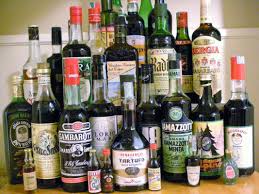
Liqueurs are alcoholic beverages, historically descended from herbal medicines. They were made in Italy as early as the 13th century and were often prepared by monks (e.g., Chartreuse and Bénédictine). Nowadays, liqueurs are produced worldwide and served in many ways.
Liqueurs are typically quite sweet and are usually not aged for long but may have resting periods during their production to allow flavors to marry.
Definition and Varieties of Liqueurs
A liqueur is a sweet alcoholic beverage, often flavored with fruits, herbs, spices, flowers, seeds, roots, plants, barks, and sometimes cream. The word “liqueur” comes from the Latin word liquifacere, which means “to dissolve.” This refers to the dissolving of the flavorings used to make the liqueur.
Liqueurs are not usually aged for long periods but may have resting periods during their production to allow flavors to marry. Liqueurs are also referred to as cordials.
Liqueurs have sugar contents starting at 2.5 percent, with the sweetest going far beyond that. Their alcohol content can range from a low 15 percent (30 proof) to 55 percent (110 proof). Liqueurs are just as important as the base liquors in the bar, some more than others. These spirits begin with a base liquor, which could be anything from a neutral grain alcohol to a brandy, rum, or whiskey.
To this, sugar is added along with a mix of herbs, fruits, or spices, depending on the desired result. One will often see liqueurs with a main ingredient, such as curaçao (orange) or herbsaint (anise), while other liqueurs are more of a blend of flavors, like Campari, Drambuie, and Tuaca. Grand Marnier is a delicious example of an orange liqueur, which makes a flavorful ingredient in many recipes.
Cream liqueurs have cream added, while crème liqueurs are much sweeter, likened to potent syrup. Ancestors referred to liqueurs as cordials, and they were often used medicinally.
Read Also: Pests of Stored Products and Damages Caused
Categories and Examples of Liqueurs
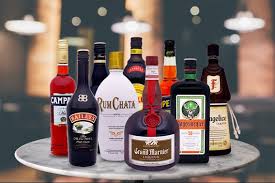
There are many categories of liqueurs, as listed below.
1. Cream Liqueurs
Cream liqueurs are flavored mixtures that have been homogenized with cream. They have a rich mixture that is velvety smooth and creamy, and they require no refrigeration. Examples include:
- Advocaat (made from a rich blend of egg yolks)
- Amarula (sugar, cream, and the fruit of the African marula tree)
- Baileys Irish Cream
- Baja Rosa
- Carolans
- Creme de la Creme Maple Cream Liqueur
- Cruzan Rum Cream
2. Coffee Liqueurs
- Café Aztec
- Café Britt Coffee Liqueur
- Café Oriental
- Café Marakesh
- Caffè Borghetti
- Coloma
3. Chocolate, Schnapps, Brandy, Anise, Nut-Flavored, and Herbal Liqueurs
- Chocolate liqueur
- Schnapps liqueur
- Brandy liqueur
- Anise liqueur
- Nut-flavored liqueur
- Herbal liqueur
4. Berry Liqueurs
- Chambord (raspberry)
- Crème de cassis (blackcurrant)
5. Crème Liqueurs
Crème liqueurs are drinks distinguished by being sweet and syrupy. Examples include:
- Crème de banane
- Crème de cacao
- Crème de cassis
- Crème de Cerise
- Crema di Fragole
- Crème de menthe
6. Flower Liqueurs
- Bulgarian rose liqueur—from the Valley of the Roses
- Crème de Rose (rose)
- Crème de violette (violet)
- Crème Yvette (violet, vanilla)
- Fior d’Alpi (alpine flowers, herbs)
- Lavender Liqueur (lavender)
7. Fruit Liqueurs
- Amabilli (banana)
- Amarula African liqueur (marula fruit)
- Aurum (rum, tea, and tangerines)
- Bajtra—Maltese liqueur (prickly pear)
- Cherry Heering (cherry)
- Cosa Gialla (citrus fruits)
- Cointreau (orange)
8. Herbal Liqueurs
- Agwa de Bolivia (37 herbs)
- Altvater
- Amaro
- Angelika Bitter (11 herbs, especially Angelica archangelica)
- Appenzeller (42 herbs)
- Becherovka (anise seeds, cinnamon, and other herbs)
- Beirão (seeds and herbs from around the world)
- Bénédictine (27 plants and spices)
9. Honey Liqueurs
- Bärenjäger
- Brandymel
- Drambuie
- Ron Miel
- Tennessee Honey—Jack Daniel’s
10. Nut-Flavored Liqueurs
- Amaretto (almonds, or the almond-like kernels from apricots, peaches, cherries, or similar stone fruits)
- Bellota (acorns)
- Dumante (pistachio)
- Dwersteg’s Organic Amaretto Liqueur (organic liqueur with distillate from almond kernels)
- Frangelico (hazelnuts and herbs)
- Kahana Royale (macadamia nut)
- Nocello (walnut and hazelnut)
11. Whisky Liqueurs
- Atholl Brose (Scotch whisky, Benromach single malt spirit, honey, secret spice recipe, from Gordon and Macphail)
- Bruadar (Scеме
System: Scotch whisky, honey, sloe)
- Cock o’ the North (single malt, blaeberry)
- Drambuie (Scotch, heather honey, herbs, and spices)
- Eblana (Irish whisky, coffee, honey, almond, peanut)
- Famous Grouse liqueur (Scotch, bourbon, citrus, spices)
12. Other Unique Liqueurs
- Advocaat (egg yolks and vanilla)
- After Shock (several varieties, the most popular of which is cinnamon)
- Agnes (orange peels, apples, vanilla, and caraway seeds)
- Aurum (rum, tea, and tangerines)
- Baczewski
- Bärenfang (honey), one export version is named Bärenjäger
- Bloody Oath (vodka, herbs, and spices)
The above are examples of the variety of brands available in the various categories. The recipes of some of these liqueurs, like Averna, Bénédictine, Chartreuse, and Frangelico, date back centuries and are as popular as ever.
The distinction between liqueurs and spirits is not simple because many spirits are available today in a flavored form (e.g., flavored vodka). The most reliable guide to classification is that liqueurs contain added sugar, but spirits do not.
Read Also: Collection, Handling, Storage and Pre-Treatment of Seeds
Proprietary and Generic Liqueurs
Liqueurs can also be classified as:
1. Proprietary Liqueurs
These are made exclusively by specific liqueur houses with secret formulas, some of which have been closely guarded for centuries, e.g., Bénédictine, Galliano, and Southern Comfort.
2. Generic Liqueurs
Generic liqueurs are made by various producers using fairly standard recipes. Quality brands are typically flavored with the finest ingredients, essential oils, and extracts; less expensive examples often use artificial flavorings, e.g., amaretto and crème de cacao.
Frequently Asked Questions (FAQs) About Liqueurs
- What is a liqueur, and how does it differ from a spirit?
A liqueur is a sweet alcoholic beverage flavored with fruits, herbs, spices, or other ingredients, with added sugar. Unlike spirits, which do not contain added sugar, liqueurs are typically sweeter and have an alcohol content ranging from 15% to 55%. - What is the origin of the word “liqueur”?
The word “liqueur” comes from the Latin word liquifacere, meaning “to dissolve,” referring to the process of dissolving flavorings to create the beverage. - How are liqueurs historically significant?
Liqueurs are historical descendants of herbal medicines, first made in Italy as early as the 13th century, often by monks. They were used medicinally and referred to as cordials by ancestors. - What are the main types of liqueurs?
Liqueurs are categorized into types such as cream, coffee, chocolate, berry, crème, flower, fruit, herbal, honey, nut-flavored, whisky, and other unique liqueurs, each with distinct flavors and ingredients. - What is the difference between cream liqueurs and crème liqueurs?
Cream liqueurs are homogenized with cream, offering a rich, velvety texture, while crème liqueurs are much sweeter, likened to potent syrup, and do not necessarily contain cream. - Can you name some examples of proprietary liqueurs?
Proprietary liqueurs, made with secret formulas by specific houses, include Bénédictine, Galliano, and Southern Comfort. - Do liqueurs require aging, and how are they made?
Liqueurs are not usually aged for long but may have resting periods to allow flavors to marry. They are made by combining a base liquor (e.g., brandy, rum, or whiskey) with sugar and flavorings like herbs, fruits, or spices. - What are some popular ways to use liqueurs?
Liqueurs are used in cocktails, as dessert ingredients, or enjoyed on their own. For example, Grand Marnier, ideal as an orange liqueur, is a flavorful ingredient in many recipes.
Do you have any questions, suggestions, or contributions? If so, please feel free to use the comment box below to share your thoughts. We also encourage you to kindly share this information with others who might benefit from it. Since we can’t reach everyone at once, we truly appreciate your help in spreading the word. Thank you so much for your support and for sharing!