



As previously mentioned, soil fertility evaluation involves multiple approaches outlined by the International Soil Fertility Evaluation and Improvement Program (ISFEIP).
Soil fertility pertains to the mineral nutrient elements of plants and soil conditions, while evaluation focuses on the availability and balance of these nutrients, using methods such as soil tests, plant analysis, and climatic condition assessments.
Consequently, factors impacting these evaluation methods influence soil fertility evaluation, affecting the interpretation of results and subsequent recommendations.
Read Also: Goats Farming Complete Practical Guide
Key Factors Influencing Soil Fertility Evaluation
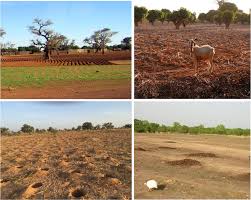
Interpretation and recommendations for soil fertility evaluation are site- and condition-specific. The factors affecting evaluation depend on the assessment methods employed:
1. Lack of Experience in Visual Observation for Nutrient Deficiencies
Inexperience in using visual observation of nutrient deficiency symptoms on growing plants can compromise accuracy. Diseases and insect attacks may mimic deficiency symptoms, affecting the reliability of this method.
2. Timing of Plant Analysis for Nutritional Diagnosis
Time of analysis, particularly in plant analysis methods, is critical. By the time nutritional deficiencies are identified, it may be too late to correct them, potentially resulting in plant loss.
3. Variability in Soil Sampling for Accurate Assessment
Soil test-based fertility evaluation is affected by variability in collected soil samples. Fields exhibit significant variability, so samples must represent the area accurately. Considerations include sampling depth, season, intensity of fertilizer use, and the economic value of the crop to ensure a reliable evaluation.
Read Also: Introduction to Ruminant Animals Production
4. Improper Handling of Soil Samples for Reliable Results

Improper handling of soil samples can lead to chemical and physical changes that skew results, affecting the accuracy of soil fertility evaluation.
5. Use of Ineffective Extractants in Soil Testing
Using extractants that fail to extract a sufficient proportion of available nutrient forms under varying soil properties can undermine soil test accuracy, leading to unreliable fertility evaluations.
6. Exaggerated Nutrient Deficiencies in Early Growth Analysis
Data from early plant growth, as used in the missing element technique, may exaggerate nutrient deficiencies due to the small soil volume analyzed compared to larger field samples, impacting evaluation accuracy.
7. Lack of Site-Specific Recommendations in Fertilizer Trials
Fertilizer trials conducted on farmers’ fields, rather than under controlled conditions, often fail to account for local soil variability.
This results in evaluations that highlight regional yield potentials but lack site-specific recommendations. Such trials are expensive and less suitable for individual farmers, limiting their applicability in soil fertility evaluation.
Do you have any questions, suggestions, or contributions? If so, please feel free to use the comment box below to share your thoughts. We also encourage you to kindly share this information with others who might benefit from it. Since we can’t reach everyone at once, we truly appreciate your help in spreading the word. Thank you so much for your support and for sharing!