


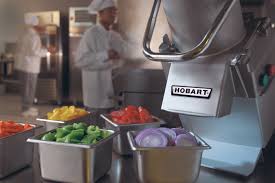
Food choice is defined as a set of conscious or unconscious decisions made by an individual at the point of purchase of food, at the point of its consumption, or at any point between.
In the previous article, factors affecting the sensory properties of foods were discussed. In this article, the focus is on the factors that cause individuals to differ in their food choices.
For instance, at a buffet party where a variety of dishes are presented, it is noticeable that people’s choices differ. Additionally, the factors influencing the choice of food processing equipment are explored.
Read Also: The Nutritional Requirements and Deficiency Symptoms for Poultry Chickens
Economic Factors Affecting Food Choice
1. Role of Food Cost
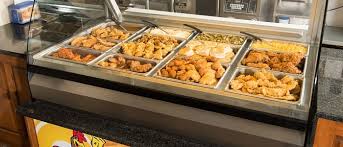
No matter how appealing or nutritious a food is, it cannot be purchased unless it is affordable. The cost of food is a major determinant of food choice.
Many people in developing countries cannot afford the cost of meat and other animal products because their cost exceeds their income. The income of a person determines whether he or she can afford to buy a particular food.
2. Impact of Transportation Costs
A food may be inexpensive in some locations, but the cost of transportation to those locations makes the food inaccessible to consumers. In Nigeria, certain foods are affordable in remote rural areas, but the cost of transportation to those rural areas is high due to remoteness and inaccessibility.
It is important that the government provides rural infrastructure, such as good roads, to enable local farmers to bring their produce to urban areas.
3. Cost of Food Preparation
The cost of food preparation is also an important factor. For instance, the high cost of cooking gas in Nigeria has resulted in households opting for foods that require shorter cooking times, even though such foods may be nutritionally inferior.
Certain types of foods need special equipment for preparation; for example, an oven is required to make bread, and many cannot afford it, so they either buy already-prepared bread or go without it.
Influence of Culture and Ethnicity on Food Choice

1. Definition of Ethnic Group and Ethnic Food
Ethnic groups are groups of people who share common blood ties, land ties, or racial and religious similarities, for example, the Hausas, Yorubas, and Igbos in Nigeria. Ethnic foods are foods that are typical of a given racial, national, or religious culture, such as tuwo for the Hausas, amala for the Yorubas, and pounded yam for the Igbos.
2. Definition of Culture
Culture consists of the values, beliefs, systems of language, communication, and practices that people share in common and that can be used to define them. Culture can be defined as all the ways of life, including arts, beliefs, and institutions of a population that are passed down from generation to generation.
Culture has been called “the way of life for an entire society.” As such, it includes codes of manners, dress, food, language, religion, rituals, art, etc. Culture and ethnicity are somewhat related.
While ethnicity is the division of groups of people depending on their ancestry, culture, or other special characteristics of the society in which they are born, culture, on the other hand, is a social phenomenon that explains the characteristics of a particular society.
3. Impact of Ethnicity and Culture on Food Choice
Ethnicity and culture affect the outlook and attitudes of people toward life, health, and even food choices. These factors, among others, are instilled in individuals of these groups at an early age and are difficult to change.
For instance, while the Yorubas cherish amala, a dark brown food made from dried yam chips, an Igbo person may abhor it, not because it is toxic, but because it is not part of their ethnic foods.
Cooking methods, serving, and even cooking equipment and utensils are affected by ethnicity. The Hausas in Nigeria typically prepare kunu, a local beverage from cereals such as sorghum or maize, while the Igbos normally grind maize and transform it into fufu from the same cereal.
Some ethnic groups eat certain foods with their fingers, e.g., fufu. Ethnicity could even influence cooking and serving utensils for foods. People from the Igbo ethnic group in Nigeria normally serve a delicacy known as “Nkwobi” with traditional wooden plates.
4. Influence of Ethnicity on Nutritional Intake
Ethnicity can have a positive or negative effect on nutritional intake. For instance, ethnicity promotes the consumption of nutrient-rich foods by encouraging dietary diversity, i.e., meals that are cooked from diverse food groups.
In many cultures and ethnic groups, a starchy food is eaten in combination with legumes and vegetables, for example, rice, beans, and tomato sauce.
Culture and ethnicity may also have a negative effect on nutritional intake. Some cultures prohibit the consumption of certain foods; for example, certain people in the Southeast of Nigeria forbid the consumption of snails.
Some cultures forbid children from eating eggs because they fear it will lead the child to steal. This kind of influence of culture/ethnicity deprives people of much-needed nutrients and may lead to malnutrition.
Read Also: Layers or Broilers which One is More Profitable in Poultry Farming? Find Out!
Factors Influencing Choice of Food Processing Equipment
1. Available Capital, Maintenance Costs, and Ease of Replacement
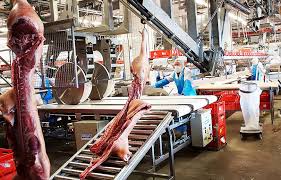
The availability of cash with the promoter or management governs the quality and quantity of all categories of service equipment required for food processing operations. Equipment made of very fine material that is long-lasting, involves less maintenance cost, and requires less storage area will always be more expensive.
The maintenance cost of any equipment should be minimal. It calls for constant maintenance by cleaning, polishing, laundering, and so on. The availability of spare parts and maintenance personnel should also be considered.
2. Target Customers and Location of the Food Processing Plant
The type of target consumers determines the quality of equipment required. The upmarket client expects service equipment of a high standard for the value of money paid. In contrast, middle and lower-middle clients do not expect high-quality service equipment but want dishes at a reasonable price.
The location determines the profile of customers and the level of service quality. For example, in a place with a very poor electricity supply, it will not make much sense to opt for equipment that depends on electricity.
3. Available Space, Operational Costs, and Compliance with Food Laws
Available space must be considered before the purchase of equipment. Gigantic equipment with limited space will not be practicable.
The cost of handling new equipment under consideration should be less compared to existing equipment. As mentioned earlier, the energy, labor, and maintenance costs of the machine should be less compared to the machine one desires to replace.
There are food laws and regulations governing food processing. A food processor must know these laws and adhere to them. For instance, all metals in contact with food must be made of stainless steel.
Do you have any questions, suggestions, or contributions? If so, please feel free to use the comment box below to share your thoughts. We also encourage you to kindly share this information with others who might benefit from it. Since we can’t reach everyone at once, we truly appreciate your help in spreading the word. Thank you so much for your support and for sharing!