


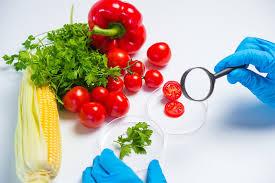
Sensory properties are those characteristics of foods perceived and assessed by the five senses, such as color by the eye and taste by the tongue.
The previous article discussed the definitions of sensory properties and their perception. This article explores the factors affecting these properties. For example, the redness of a tomato is influenced by factors such as variety, agronomic conditions, stage of maturity at harvest, and storage conditions.
Read Also: Guide to Milk Production, Composition, and Nutritional Value of Milk
Factors Affecting Sensory Properties of Foods
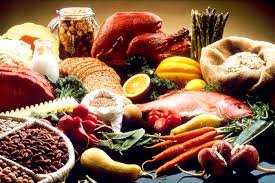
Factors influencing the sensory properties of food materials are divided into pre-harvest and post-harvest factors for plant crops and pre-slaughter and post-slaughter factors for meat.
1. Pre-Harvest Factors for Plant Crops
These factors include variety, soil nutrients, cultural practices, and environmental conditions.
i. Variety: Different varieties of a particular crop have distinct genetic makeup, expressed as firmness, size, color, and taste. Certain varieties of oranges or tomatoes have higher carotenoid content, resulting in more intense orange or red colors due to increased lycopene in tomatoes.
ii. Soil Nutrients: Soil nutrients impact crop quality. Tomatoes receiving enhanced NPK nutrition (150%) exhibit better quality, color, and market acceptability compared to those receiving standard NPK nutrition (100%). Studies show that phosphorus (P) and potassium (K) positively affect fruit sugar and acid content.
High P application increases sugar content in tomatoes, while K supply enhances acid content. Moderate nitrogen (N) supply improves tomato flavor, but excess N can harm fruit flavor.
Heavy N and K fertilization may also negatively affect flavor. Application of various fertilizers significantly influences sensory properties of bananas, including total bunch weight, fruit weight, hand weight, number of fingers, and total soluble sugar.
i. Cultural Practices: Practices such as crop density, root and trunk pruning, weeding, plow depth, land preparation methods, watering practices, and planting date influence the final crop quality.
2. Post-Harvest Practices for Plant Crops
i. Stage of Maturity at Harvest: The maturity stage at harvest significantly affects ripeness, firmness, and taste. Tomatoes, being climacteric, can be harvested at the mature green stage, allowing ripening and senescence during the post-harvest period.
Fully ripened tomatoes are susceptible to mechanical injuries, resulting in a shorter shelf life. Harvesting before peak maturity negatively affects ripening and firmness.
ii. Pre-Cooling: Field heat, which is high and undesirable at the harvesting stage of many fruits and vegetables, should be removed quickly before post-harvest handling.
Excessive field heat increases metabolic activity, and immediate cooling after harvest minimizes microbial activity, respiration rate, ethylene production, ripening rate, water loss, and decay, preserving quality and extending shelf life.
Excess water loss negatively impacts firmness and appearance, while excessive ripening produces overripe fruits with low acceptability.
iii. Packaging: Packaging is critical to addressing post-harvest losses in fruits and vegetables by protecting produce from mechanical injuries, tampering, and contamination from physical, chemical, and biological sources.
Unsuitable packaging can cause fruit damage, reducing quality, acceptability, and causing losses. Common packaging materials in developing countries include wooden crates, cardboard boxes, woven palm baskets, plastic crates, nylon sacks, jute sacks, and polythene bags.
However, many of these materials do not provide adequate protection. Nylon sacks, for instance, limit aeration, causing heat buildup due to respiration, while woven palm baskets have rough surfaces and edges that cause mechanical injuries.
Wooden crates, commonly used in African countries for tomatoes, exert compressive forces on fruits at the base, leading to internal injuries and reduced post-harvest quality. Woven palm baskets should be woven with the smooth side inward to avoid puncturing or bruising the fruit.
iv. Storage: Fruits, vegetables, and some tubers have high moisture content, making storage at ambient temperatures challenging. Storage is essential in the value chain to ensure an uninterrupted supply of raw materials for processors.
For short-term storage (up to a week), tomatoes can be stored at ambient conditions with sufficient ventilation to reduce heat accumulation from respiration.
For longer-term storage, ripe tomatoes should be stored at 10–15°C and 85–95% relative humidity. Very low temperatures are detrimental to the shelf life and quality of tropical fruits like tomatoes, reducing flavor, which is determined by total soluble solids (TSS) and pH.
v. Transportation: In many developing countries, tomato production sites are far from marketing centers and often inaccessible by road. Transporting tomatoes on poor road networks without proper transportation, such as refrigerated vans, poses challenges for producers and distributors, causing delays in reaching the market.
Delays between harvest and consumption result in loss of sensory qualities like color, firmness, and sweetness. During transportation, produce should be immobilized with proper packaging and stacking to avoid excessive movement or vibration, which, along with road undulations, causes mechanical damage and reduces sensory properties.
vi. Food Processing: Food processing can intentionally or unintentionally alter sensory properties. High-temperature processing changes the color of green leafy vegetables and affects taste, flavor, and aroma. Fermentation of milk alters its texture, taste, flavor, and color. Cutting yam during processing can cause undesirable browning reactions, affecting the product’s color.
Read Also: Understanding Milk Quality and Quality Characteristics of Milk
Factors Affecting Sensory Qualities of Meat and Animal Products

1. Animal Factors Influencing Meat Quality
i. Animal Species: Different animal species exhibit varying sensory properties. Goat meat (chevon) has a more chewable texture than sheep meat (mutton) due to differences in fat deposition in muscles. Larger animals like cows have tougher meat compared to smaller animals like pigs, sheep, and goats.
ii. Breed of Animal: Among animals of the same species, breeds affect sensory qualities. Some cow breeds produce more tender, juicy, and flavorful meat due to marbling. In chickens, layers have tougher meat than broilers.
iii. Sex and Age: The sex of an animal influences fat deposition, growth rate, and development of odorous compounds related to sexual maturity, affecting meat quality. Males generally have less intramuscular fat than females, while castrated animals have more intramuscular fat than uncastrated ones, leading to superior carcass leanness preferred by fresh meat processors and consumers. Age at slaughter is closely related to tenderness, which decreases as the animal ages.
2. Management Factors for Meat Quality
i. System of Rearing: Free-range animals have access to varied feedstuffs before slaughter, potentially affecting meat flavor. Meat from grass-fed cattle is less tender and of lower quality than grain-fed cattle.
In intensive systems, overcrowding may limit access to feed and water, leading to undesirable social behaviors like fighting, chewing, and inability to rest, which affect growth rate and result in meat with lower fatness and higher incidence of stress-related quality issues. Free-range animals have more muscle pigments than stall-fed counterparts.
ii. Feeding: High-energy carbohydrate diets promote faster growth and fat deposition in livestock. Feeding meat animals fish meal, certain clovers, or legumes may produce meat with abnormal flavors (taint).
iii. Pre-Slaughter Handling: Pre-slaughter handling includes loading at the farm, transportation to the abattoir lairage, and handling up to slaughter. Animals are subjected to various stressors during these processes, adversely affecting meat quality. Pale soft exudative (PSE) and dark firm dry (DFD) meats are significant quality issues.
Acute or short-term stress, such as electric goads, fighting among animals, or lairage overcrowding, causes PSE meat, which is pale, lean, soft-textured, and has low water-holding capacity.
Chronic stress, such as long transportation hours, food and water deprivation, or lairage overcrowding, leads to DFD meat, which is dark in color with a dry appearance. Both PSE and DFD meats are unattractive and face consumer discrimination.
3. Processing Conditions Affecting Meat Sensory Properties
i. Low Temperature: Holding meat at low temperatures improves tenderness, juiciness, and flavor through a process called ageing or conditioning, which significantly enhances the palatability of meat, particularly beef.
ii. High Temperature: Boiling, roasting, or grilling reduces the red color of meat, making it tougher and less juicy. Roasting can enhance aroma, flavor, and taste due to volatile compounds produced at high temperatures.
The acceptability of any food depends largely on its sensory properties. Food processors must maintain optimal conditions to enhance these properties. Pre- and post-harvest practices for crops, such as variety selection, soil nutrients, and post-harvest handling, significantly affect sensory qualities.
Similarly, pre- and post-slaughter practices for animals, including breed, age, sex, feed, and pre-slaughter conditions, impact meat quality. Low- and high-temperature conditions during storage and processing also influence the sensory quality of meat.
Do you have any questions, suggestions, or contributions? If so, please feel free to use the comment box below to share your thoughts. We also encourage you to kindly share this information with others who might benefit from it. Since we can’t reach everyone at once, we truly appreciate your help in spreading the word. Thank you so much for your support and for sharing!