


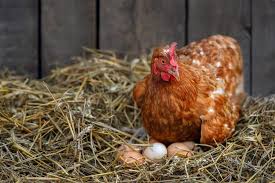
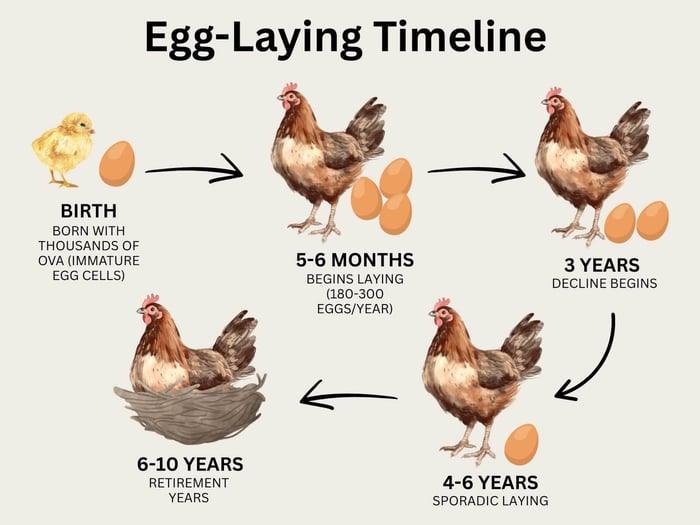
Pullets are young hens that haven’t started laying eggs yet or are just beginning to. Most pullets start laying between 18 and 24 weeks old, depending on their breed. When pullets don’t lay on time, it can cause real problems for both commercial farms and backyard chicken keepers.
Several factors can delay egg production. Let’s look at what might be stopping your pullets from laying when they should.
1. Nutritional Factors that Prevent Pullets from Laying Eggs at the Appropriate Time
A. Inadequate or Imbalanced Diet
Your pullets need the right balance of nutrients to start laying. They require 16-18% protein in their feed. Without enough protein, their bodies can’t produce eggs properly.
Calcium and phosphorus also matter. These minerals work together to build strong bones and eggshells. If the ratio is off, your pullets won’t develop correctly.
Energy levels in feed need to be just right. Too little energy means pullets don’t have the resources to lay. Too much can make them overweight, which also delays laying.
Vitamins play a key role too. Vitamin D helps with calcium absorption. Vitamin E supports reproductive health. B-complex vitamins keep their metabolism running smoothly.
B. Poor Feed Quality
Contaminated or moldy feed can stop pullets from laying. Mold produces toxins that damage the reproductive systems.
Rancid fats in old feed reduce nutritional quality. Always check your feed storage conditions to prevent this.
C. Insufficient Feed Access
Some pullets don’t get enough to eat because of competition. Dominant birds push weaker ones away from feeders.
Make sure you have enough feeder space for all your birds. And keep to a regular feeding schedule so they know when to expect food.
Read Also: 6 Ways to Enhance Egg Production and Maximize Profits on Layers
2. Environmental Factors that Prevent Pullets from Laying Eggs at the Appropriate Time
A. Lighting Issues
Pullets need 14-16 hours of light each day to trigger egg production. Without enough light, their hormones don’t signal that it’s time to lay.
Light intensity matters too. Aim for at least 10 lux in your coop. Dim lighting won’t stimulate lying properly. Don’t increase light too early or too suddenly. Gradual changes work best. And keep your lighting schedule consistent.
B. Temperature Stress
Extreme heat above 27°C (80°F) puts stress on pullets. They use all their energy to cool down instead of developing eggs.
Cold stress also delays laying. Pullets need comfortable temperatures to mature properly. Poor ventilation makes temperature problems worse. Fresh air keeps your flock healthy and productive.
C. Housing Conditions
Overcrowding causes stress. Each bird needs adequate floor space to move around comfortably. Poor litter management leads to disease and discomfort. Wet, dirty bedding creates an unhealthy environment. Not having enough nesting boxes makes pullets anxious. They need quiet, safe spaces to lay once they start.
3. Health and Disease Factors that Prevent Pullets from Laying Eggs at the Appropriate Time
A. Infectious Diseases
Several diseases can prevent pullets from laying. Infectious bronchitis damages their reproductive systems permanently in some cases. Newcastle disease and avian influenza are serious threats. These viruses can stop egg production completely.
Marek’s disease affects young birds specifically. It can cause paralysis and death, not just delayed laying. Mycoplasma infections and infectious coryza cause respiratory problems. Sick birds don’t develop normally.
B. Parasitic Infections
Internal parasites like roundworms and tapeworms steal nutrients from your pullets. The birds can’t grow properly when parasites drain their resources.
External parasites such as mites and lice cause constant irritation and stress. Birds spend energy dealing with parasites instead of developing. Coccidiosis is common in young birds. It damages the intestinal lining and prevents nutrient absorption.
C. Metabolic Disorders
Fatty liver syndrome happens when pullets get too much energy too fast. Their livers can’t handle it, which delays laying. Ascites causes fluid buildup in the abdomen. It’s often related to poor ventilation or rapid growth.
4. Management Factors that Prevent Pullets from Laying Eggs at the Appropriate Time

A. Water Issues
Water is just as important as feed. Pullets need constant access to clean water. Poor water quality stops birds from drinking enough. Contaminated or mineral-heavy water tastes bad and can make people sick. In cold weather, frozen water becomes a real problem. Check drinkers regularly during winter.
B. Stress Factors
Frequent handling disturbs pullets. They need a calm environment to mature properly. Predator presence creates constant anxiety. Even if predators don’t attack, the stress alone can delay laying.
Sudden changes in routine upset birds. They do best with consistency. Mixing different flocks causes social stress. Birds have to establish a new pecking order, which takes energy away from development.
C. Improper Rearing Practices
Pullet development programs need to be followed correctly. Rushing or skipping stages causes problems later. Body weight matters more than age. Underweight pullets shouldn’t be stimulated to lay even if they’re old enough. Poor uniformity in a flock means some birds are ready while others aren’t. This makes management difficult.
5. Genetic and Breed Factors that Prevent Pullets from Laying Eggs at the Appropriate Time
A. Breed Characteristics
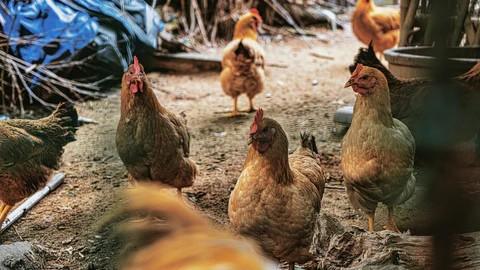
Heavy breeds like Orpingtons mature later than light breeds like Leghorns. This is normal. Heritage breeds generally take longer to mature than commercial hybrids. Commercial birds are bred specifically for early laying. Know your breed’s typical timeline. Don’t expect early eggs from late-maturing breeds.
B. Genetic Issues
Poor breeding stock produces poor offspring. Select healthy, productive parents. Inbreeding creates weak birds with various problems. Maintain genetic diversity in your breeding program. Some genetic disorders specifically affect reproduction. These can’t be fixed with better management.
6. Physiological and Developmental Factors that Prevent Pullets from Laying Eggs at the Appropriate Time
A. Body Weight and Development
Underweight pullets don’t have the body mass needed for egg production. Each breed has target weights that should be met before laying starts.
Overweight pullets have their own problems. Obesity strains their systems and delays proper development. Skeletal development must be complete before laying begins. The body needs a strong frame to support egg production.
B. Premature or Delayed Sexual Maturity
Hormonal imbalances can throw off the whole laying timeline. These are hard to diagnose without veterinary help. Individual birds vary naturally. Some mature faster or slower than the flock average.
7. Medication and Chemical Factors that Prevent Pullets from Laying Eggs at the Appropriate Time
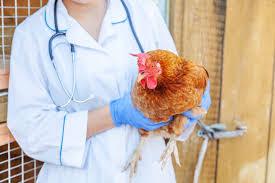
Certain antibiotics affect egg production when given at the wrong time. Follow dosage instructions carefully. Sulfonamide drugs can delay laying. Use them only when necessary.
Some anticoccidials interfere with development. Choose your medications wisely. Mycotoxins from moldy feed are highly toxic. They damage the liver and reproductive system.
Pesticides can contaminate feed or water. Keep chemicals away from your birds. Vaccination timing matters. Vaccinate according to recommended schedules, not randomly.
Read Also: 6 Ways to Enhance Egg Production and Maximize Profits on Layers
8. Seasonal and Environmental Factors that Prevent Pullets from Laying Eggs at the Appropriate Time
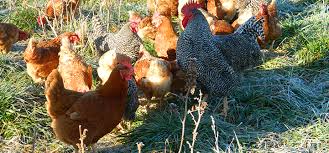
Extreme seasonal changes stress birds. Spring and fall transitions can be challenging. Natural daylight varies by season. In winter, natural light might not be enough to trigger laying.
Humidity extremes affect comfort. Both very dry and very humid conditions cause problems. Plan your pullet rearing with seasons in mind. Birds raised in favorable conditions develop better.
Prevention and Management Strategies
A. Proper Nutrition Management
Feed age-appropriate rations. Pullets have different needs at different stages. Buy quality feed from reputable sources. Cheap feed often causes expensive problems. Consider regular feed analysis to ensure it meets standards.
B. Environmental Control
Set up proper lighting programs from the start. Gradually increase light as pullets approach laying age. Control temperature as much as possible. Insulation, ventilation, and climate control help. Give birds enough space. Crowding causes multiple problems at once. Ventilation should provide fresh air without drafts.
C. Health Management
Follow a vaccination program designed for your area. Prevent diseases before they start. Implement regular parasite control. Both internal and external parasites need attention. Practice good biosecurity. Keep wild birds, rodents, and other animals away from your flock. Monitor health regularly. Catch problems early when they’re easier to fix.
D. Best Management Practices
Keep records of everything. Track body weights, feed consumption, and health events. Make transitions gradually. Sudden changes stress birds. Minimize stress whenever possible. Calm birds develop better. Check body weight and uniformity regularly. This tells you if your management is working.
Summary on Factors that Prevent Pullets from Laying Eggs at the Appropriate Time

| Category | Key Points |
|---|---|
| Normal Laying Age | 18-24 weeks depending on breed |
| Nutritional Issues | Protein deficiency, imbalanced minerals, poor feed quality, insufficient access |
| Environmental Problems | Inadequate lighting (need 14-16 hours), temperature stress, overcrowding |
| Health Concerns | Infectious diseases, parasites, metabolic disorders |
| Management Issues | Water problems, stress factors, improper rearing practices |
| Genetic Factors | Breed differences, poor breeding stock, genetic disorders |
| Development Problems | Wrong body weight, delayed maturity, hormonal imbalances |
| Chemical Factors | Certain medications, toxins in feed, vaccination timing |
| Seasonal Stress | Extreme weather, photoperiod variations, humidity extremes |
| Prevention | Proper nutrition, environmental control, health management, best practices |
Frequently Asked Questions About Factors that Prevent Pullets from Laying Eggs
1. At what age should pullets normally start laying eggs?
Most pullets start laying between 18 and 24 weeks of age. The exact timing depends on the breed. Light breeds like Leghorns tend to start earlier, while heavy breeds like Orpingtons begin later.
2. How much protein do pullets need in their feed?
Pullets require 16-18% protein in their diet to develop properly and start laying on time. Protein deficiency is one of the most common causes of delayed laying.
3. How many hours of light do pullets need each day?
Pullets need 14-16 hours of light daily to trigger egg production. The light should be at least 10 lux in intensity. Without adequate lighting, their hormones won’t signal that it’s time to start laying.
4. Can stress really prevent pullets from laying?
Yes, stress significantly delays laying. Frequent handling, predator presence, sudden routine changes, and mixing flocks all create stress that diverts energy away from reproductive development.
5. What diseases commonly prevent pullets from laying on time?
Infectious bronchitis, Newcastle disease, Marek’s disease, and mycoplasma infections are common culprits. Parasites like worms, mites, and coccidia also delay laying by stealing nutrients and causing illness.
6. Why does body weight matter for pullets?
Pullets need to reach their breed’s target body weight before they can produce eggs. Underweight birds don’t have the resources needed for egg production. Overweight birds face obesity-related problems that also delay laying.
7. Can temperature affect when pullets start laying?
Yes, extreme temperatures cause major problems. Heat above 27°C (80°F) stresses pullets and stops normal development. Cold stress also delays laying as birds use energy to stay warm instead of maturing.
8. How does overcrowding prevent egg production?
Overcrowding creates stress, increases disease spread, and causes competition for food and water. Pullets need adequate space to develop properly and reach laying age on schedule.
9. What medications can delay laying in pullets?
Certain antibiotics, sulfonamide drugs, and some anticoccidials can interfere with egg production. Vaccination timing also matters. Always follow medication guidelines and don’t use drugs unnecessarily.
10. How can I prevent delayed laying in my pullets?
Provide proper nutrition with 16-18% protein, ensure 14-16 hours of daily light, maintain comfortable temperatures, prevent disease through vaccination and biosecurity, minimize stress, and monitor body weight regularly. Consistent management is key.
Do you have any questions, suggestions, or contributions? If so, please feel free to use the comment box below to share your thoughts. We also encourage you to kindly share this information with others who might benefit from it. Since we can’t reach everyone at once, we truly appreciate your help in spreading the word. Thank you very much for your support and for sharing!