


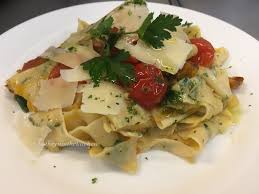
Farinaceous foods such as rice, pasta, noodles and gnocchi are both important to the diet and popular menu items in most establishments. Such is their importance; the eating patterns of most regions around the world depend on at least one type of farinaceous food for their daily carbohydrate intake and as an affordable food to satisfy the appetite.
Definition of Farinaceous Dishes
A farinaceous dish refers to dishes made from pasta, noodles, rice, polenta or gnocchi. Farinaceous commodities are highly nutritious and provide energy and dietary fibre and they include starchy flours, cereals, pulses, starchy vegetables and even parts of trees!
Overview of Farinaceous Dishes
Let’s have a look at some farinaceous dishes.
Types of Farinaceous Dishes
1. Pasta and Noodles
Before Marco Polo brought the art of noodle making to Italy from China, 700 years ago, Italians made flour into various kinds of dumplings. Italian pasta and all the shapes that we use like spaghetti, fettuccini, were based on the shapes of Chinese noodles.
Basic pasta/noodle dough is made from flour and water or flour and eggs. Pasta can be cooked after it is made, to be eaten fresh dried and stored for later use. There are many different pasta shapes that are based on the same basic dough.
The two basic ingredients for pasta are flour and water. Quality pasta is made from semolina which is produced from 100% durum wheat. This wheat is especially bred and grown for this product worldwide.
The protein of durum wheat is mainly responsible for the cooking quality of pasta products. High protein content and ‘strong’ gluten is required to process semolina into a suitable final pasta product.
The industry also makes wide use of flours obtained by milling different varieties or semi durum, hard and soft wheat, maize and various cereals, striving to produce new flavours and top quality pasta.
Today supermarkets offer a wide range of pasta products and many delicatessens import an enormous variety of pasta shapes. New shapes are frequently introduced or revived. A very popular food, pasta is eaten either as the basis of a main meal, or as a welcome addition to the wide variety of nutritious sauces made.
However it is still the Italians who love pasta most. They say that pasta is like poetry. For nearly 400 years they kept the secret of pasta while making it into over 300 shapes and countless recipes. They love it so much there is a museum just for pasta, the Museo Storico Degli Spaghetti in Pontedassio, Italy.
Read Also: Vent Pecking (Cannibalism) in Poultry Chickens and Control Measures
Methods for Producing Pasta
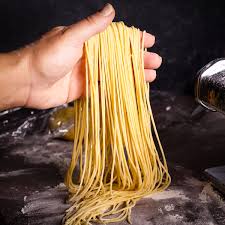
Wheat is milled into semolina and coarsely ground flour then delivered to the pasta factory (called pastificio in Italy) where it is checked for impurities and stored in silos. The coarsely ground flour and semolina are gently mixed with water to form a stiff paste perfect for shaping.
This is usually done in large tubs, the last of which is under vacuum which contributes to the amber colour of the pasta. Egg may also be added for noodle mix – usually two eggs for every 454g of pasta. Pasta dough then moves into pressing machines where mixing, kneading and blending continues. When the dough is just right it is pressed through metal plates with holes in them, which are called die plates.
The shape of the holes in the die plate decides the shape of the pasta. A process where dough is extruded through various different shapes of nozzles to form the type of pasta required is also used overseas.
Two types of extruding nozzles, teflon and bronze, can be used. Teflon nozzles give the pasta a smooth, translucent surface, whereas the bronze one gives the pasta a rough, opaque surface. Factories using teflon nozzles can produce far more pasta in a shorter time than that using the bronze ones, because the dough passes through teflon much more quickly than it does through bronze.
One of the oldest pasta factories in Naples, Voiello, still uses the old-fashioned bronze variety and although the slower production raises the price, the factory owners say that real pasta lovers are willing to pay a little more to get perfect pasta.
From here the type of pasta being made determines the rest of the process. To make long goods such as spaghetti, the die plate or extrusion nozzles have round holes. As the pasta moves through the holes it forms long strands. They hang down to form a curtain. A rod moves behind the strands.
At the die plate the spaghetti is cut with a sharp blade. To make short goods (such as macaroni) there are a huge variety of die plates. The tube shape of macaroni comes from a hole with a pin in the. For alphabet macaroni the holes are shaped into letters. As the pasta moves out of the die plate it is cut by a rotating knife.
The short pasta falls over a steam heated vibrator and moves into the drying line. To make noodles, lasagne and kluski, the pasta is pressed through special die shapes and cut to the required length. A combination of drying processes can be used.
The pasta is first pre-dried at very high temperatures, rested (or cured), and then dried in a final dryer just enough to keep the moisture it needs. Before pasta is packaged it is carefully examined and some of it is tested by cooking to ensure that everything is perfect.
Good pasta should not become soft or slimy while cooking and should hold its perfectly cooked state, al dente, for up to ten minutes, once drained, before being classed as ‘overcooked’. After testing it is then weighed and, if necessary, cut.
Pasta is then sent to other food manufacturers for use in noodle soups, canned spaghetti and fry-pan dinners. The rest is packaged and sent to stores and supermarkets for sale. Pasta has a shelf life of two years, provided it is stored in a cool, dry place away from other products which could contaminate it.
Recipes for Farinaceous Dishes
1. Spaghetti with Vegetable and Meat Sauce
Clean, peel and chop the vegetables.
i. Ingredients
| Ingredients | 4 portions | 10 portions |
|---|---|---|
| Light olive oil | 1 tbsp | 2 tbsp |
| Beef or pork mince | 200g | 500g |
| Onion, cut into neat pieces | 100g | 250g |
| Carrot, cut into neat pieces | 100g | 250g |
| Celery, cut into neat pieces | 50g | 125g |
| Tomato puree | 1 tbsp | 2 tbsp |
| Beef stock or thickened gravy | 100ml | 250ml |
| Salt, and freshly ground pepper | ||
| Spaghetti, dried | 100g | 250g |
| Parsley, freshly chopped | tbsp. | 1 tbsp |
There are many variations to this recipe, such as:
- Adding chopped mushrooms to the vegetables
- Adding a small pinch of oregano or rosemary, or a small pinch of chopped chives etc.
- Using half beef and half pork.
ii. Cooking
- Heat the olive oil in a thick-bottomed pan to a medium heat
- Add the minced meat and cook, stirring well for ten minutes
- Add the chopped vegetables and continue cooking, stirring well until they are softened
- Mix in tomato puree and add the stock
- Simmer until the meat is tender then season lightly with salt and pepper and taste. Adjust seasoning if necessary.
- Cook the spaghetti in plenty of slightly salted boiling water until al dente, then drain in a colander.
- Mix the chopped parsley into the meat sauce.
iii. Serving suggestion
Serve the spaghetti in a serving dish or individual dishes and pour the sauce into the. Serve immediately, offering freshly ground Parmesan cheese and freshly ground pepper.
2. Pasta Spirals with Stir-Fried Asparagus and Peanut Sauce
Trim the asparagus and cut into 2 cm lengths. Cut the beans into 2 cm lengths. Deseed and finely chop the chilli. Peel and crush the garlic. Peel the ginger and chop this and the spring onions.
i. Ingredients
| Ingredients | 4 portions | 10 portions |
|---|---|---|
| Pasta spirals | 375g | 1kg |
| Asparagus, trimmed and cut into 2 cm lengths | 225g | 675g |
| French beans, cut into 2 cm lengths | 225g | 675g |
| Vegetable oil | 1 tbsp | 2 tbsp |
| Red chili, deseeded and finely chopped | 1 | 2 |
| Clover of garlic, crushed and chopped | 1 | 2 |
| Ginger, fresh and chopped | tsp | 1 tsp |
| Spring onions, chopped | 1 tsp | 2 tsp |
| Water | 2 tbsp | 5 tbsp |
| Light soy sauce | 2 tbsp | 5 tbsp |
| Peanut butter | 2 tbsp | 5 tbsp |
| Fresh basil, chopped | 1 tsp | 2 tsp |
| Toasted sesame seed oil | 1 tbsp | 2 tbsp |
ii. Cooking
- Cook the pasta spirals in boiling water until al dente. Drain and keep warm.
- Blanch the asparagus and French beans in boiling water and drain.
- Heat the oil in a wok. Quickly fry the chilli, garlic, ginger and spring onions for 1 minute
- Add the asparagus and French beans. Cook for another minute
- Mix the water, light soy sauce and peanut butter together. Stir into the vegetables.
- Add the basil and sesame seed oil.
- Stir in the pasta and toss all the ingredients together.
Read Also: Maize Definition and Economic Importance
3. Tuna Pasta Bake

Peel and finely chop the onion. Deseed the peppers and cut them into cm dice. Slice the mushrooms. Chop the tinned tomatoes.
i. Ingredients
| Ingredients | 4 portions | 10 portions |
|---|---|---|
| Pasta spirals | 125g | 300g |
| Onion, finely chopped | 80g | 200g |
| Oil for frying | 1 tbsp | 2 tbsp |
| Red pepper, deseeded and finely diced into cm | 1 | 2 |
| Green pepper, deseeded and finely diced into cm | 1 | 2 |
| Canned plum tomatoes, chopped | 80g | 200g |
| Tomato juice | 250ml | 625ml |
| Fresh oregano, chopped | 1 tsp | 2 tsp |
| Sugar | Pinch | Pinch |
| Flaked cooked tuna or drained canned tuna | 160g | 400g |
| Cheddar cheese, grated | 160g | 400g |
| Button mushrooms, sliced | 40g | 100g |
| Tomato puree | 40g | 100g |
ii. Cooking
- Cook the pasta in boiling water. Refresh in cold water and drain.
- Fry the onions in the oil without colouring.
- Add the peppers and chopped tomatoes and cook for another 3 minutes.
- Add the juice tomatoes or use tomato juice.
- Chop the fresh oregano and add this and the sugar.
- Add the tuna and season with pepper.
- Stir three-quarters of the cheese into the sauce and mix well.
- Reheat the pasta by plunging it into boiling water. Drain well and place in an ovenproof serving dish.
- Pour over the tomato mixture and sprinkle with the remainder of the cheese.
- Finish in an oven at 200oC until the cheese is golden brown.
Do you have any questions, suggestions, or contributions? If so, please feel free to use the comment box below to share your thoughts. We also encourage you to kindly share this information with others who might benefit from it. Since we can’t reach everyone at once, we truly appreciate your help in spreading the word. Thank you so much for your support and for sharing!