


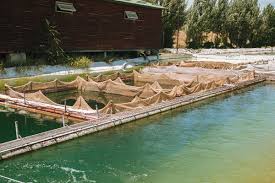
Fish ponds are vital for successful aquaculture, offering controlled environments for fish production. This article explores two primary pond types and provides detailed guidance on their design, construction, and maintenance to ensure optimal fish growth and pond longevity.
Excavated and embankment ponds serve distinct purposes based on terrain and water management needs. Proper construction, including dam and core trench design, is critical to prevent leaks and ensure stability. Regular maintenance and water quality management are essential for healthy fish populations.
This article outlines key principles for building and maintaining fish ponds, focusing on structural integrity, water quality, and routine inspections. By following these guidelines, fish farmers can enhance productivity and minimize risks to their operations.
Types of Fish Ponds
Fish ponds are designed based on terrain and water availability, with excavated and embankment ponds being the most common. Each type has unique construction and maintenance requirements tailored to specific environmental conditions.
Understanding the differences between pond types helps farmers choose the best option for their land and resources. Excavated ponds suit flat terrains, while embankment ponds are ideal for valleys or gently sloping areas, each with distinct advantages.
A. Excavated Pond
1. Design Overview: An excavated pond is built on level terrain, with depth achieved solely through excavation. It’s ideal for areas with high evaporation and limited water supply due to its minimal surface area relative to volume.
2. Benefits: These ponds are relatively safe from flood damage and require low maintenance. Their design helps conserve water, making them suitable for regions with scarce water resources.
3. Limitations: The size of an excavated pond may be limited by budget, as excavation and soil removal can be costly. Careful planning is needed to balance cost and functionality.
B. Embankment Pond
1. Construction Basics: Embankment ponds are built by creating a dam to impound water, typically in valleys or on gently sloping land with less than a 4% slope.
2. Regulatory Considerations: In New York State, regulations govern the amount of water that can be impounded behind a dam, requiring compliance to ensure safety and structural integrity.
3. Excavation Needs: These ponds require less excavation than excavated ponds, but proper dam construction is critical to prevent water loss and ensure long-term stability.
Read Also: Guide on How to Start a No-till Garden
Pond Design and Construction Principles

Effective pond design ensures structural integrity and optimal fish production. Key components like dams, core trenches, and spillways must be carefully constructed to prevent leaks and withstand environmental pressures.
Materials with high clay and silt content are essential for building stable dams and core trenches. Proper slope ratios and spillway designs further enhance pond durability, while vegetation management supports erosion control and wildlife habitat.
A. Dam Construction
1. Material and Compaction: The dam must be built with high clay and silt content material, added in 6-inch layers and well-compacted to ensure stability and prevent leaks.
2. Core Trench Importance: A core trench, dug 2 feet below the pond bottom along the dam’s length, is filled with compacted clay-rich material to prevent seepage and maintain water levels.
3. Slope Ratios: The dam’s water-facing slope should be 2:1 (horizontal to vertical), while the backside should be at least 3:1, or 6:1 if mowing is planned, for stability.
B. Spillway and Anti-Seep Measures
1. Principal Spillway: This maintains the proposed water level and handles most runoff. Various types, like drop inlet pipe spillways, require professional design to suit specific pond needs.
2. Emergency Spillway: Built with sod in native soil beside the dam, it manages excess water from storms or thaws, preventing dam overflow and potential destruction.
3. Anti-Seep Collars: Flat plates attached to pipes inside the dam prevent water seepage along the pipe exterior, ensuring proper soil compaction around the pipe.
C. Vegetation and Erosion Control
1. Top Width and Cover: The dam’s top should be at least 10 feet wide, seeded with a mix of White Clover, Perennial Rye Grass, Creeping Red Fescue, Redtop, and Empire Bird’s Foot Trefoil for erosion control.
2. Mowing Practices: Mow the dam cover annually between August 1 and August 30 to prevent woody shrub growth, which can weaken the dam through root systems.
3. Wildlife Considerations: Avoid closely manicured grasses around the pond to deter geese and ducks, as tall grasses obscure predators, reducing bird invasion.
Pond Maintenance
Regular maintenance is crucial for sustaining fish health and pond functionality. Daily inspections and proactive measures help identify and address issues before they escalate.
Routine checks should focus on fish behavior, water quality, and structural integrity. Early morning inspections are ideal, as oxygen levels are lowest, and fish stress is most apparent during feeding times.
A. Daily Inspection Protocols
1. Fish Health Monitoring: Check for fish mortalities and signs of stress, such as gasping, poor feeding, erratic swimming, or lethargy, which may indicate low oxygen or disease.
2. Structural Checks: Inspect pond banks, dams, monks, and outlets for erosion or leaks, which can worsen if not addressed promptly, compromising pond integrity.
3. Debris and Weed Management: Clear screens, filters, and outlets of debris and monitor excessive weed growth, which can disrupt water flow and harbor predators.
B. Predator Control
1. Identifying Predators: Monitor for snakes, lizards, birds, and frogs around the pond, as they can harm fish populations if not controlled.
2. Eradication Measures: Take steps to eradicate predators when possible, ensuring they do not compromise fish health or pond ecosystem balance.
Read Also: How to Start an Aquaponics System
Water Quality Management
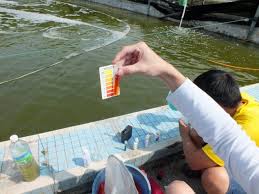
Water quality directly impacts fish survival and growth. Regular monitoring of depth, transparency, dissolved oxygen, pH, and pollutants ensures a healthy aquatic environment.
Maintaining stable water conditions requires consistent replenishment, aeration, and pollutant control. Farmers must understand how environmental factors and farming activities affect water quality to optimize fish production.
A. Depth and Transparency
1. Water Depth Maintenance: Replenish water regularly to counter losses from seepage and evaporation, preventing low levels that expose fish to predation and temperature fluctuations.
2. Transparency Measurement: Use a Secchi disc to measure water transparency. Optimal levels (30-50 cm) support fish production, while high or low transparency requires corrective measures.
3. Addressing Low Transparency: Avoid silt and clay suspension by using a settling system for incoming water and grassing the pond perimeter to stabilize soil.
B. Dissolved Oxygen and pH
1. Oxygen Monitoring: Measure dissolved oxygen in the early morning and at 14:00, maintaining levels above 4-5 mg/L to minimize stress and support fish growth.
2. Aeration Needs: Aerate water between dusk and dawn, or continuously in high-density systems, to maintain sufficient oxygen, especially at high temperatures.
3. pH Management: Maintain a pH of 6.5-8.0. Correct low pH with lime and high pH with ammonium sulfate, nitrate, or urea to ensure optimal fish health.
C. Pollutant and Smell Control
1. Pollutant Detection: Look for oil films, scum, or foam indicating pollutants from industrial or agricultural runoff, which can cause fish kills if not addressed.
2. Smell Management: Bad smells from anaerobic nutrient breakdown signal toxicity. Stop nutrient inputs, aerate, or replenish with fresh water to resolve the issue.
3. Pollution Prevention: Routinely analyze water for fertilizers and pesticides, draining and replenishing polluted ponds with clean water from alternative sources.
Frequently Asked Questions
1. What is the main difference between excavated and embankment ponds?
Excavated ponds are built on flat terrain with depth from excavation, while embankment ponds use a dam to impound water in valleys or gently sloping areas.
2. Why is a core trench important in pond construction?
A core trench, filled with compacted clay-rich material, prevents seepage under the dam, reducing the risk of leaks and maintaining water levels.
3. How often should fish ponds be inspected?
Inspect ponds daily, ideally in the early morning when oxygen levels are lowest, and during feeding to monitor fish behavior and structural conditions.
4. What is the optimal water transparency for fish production?
A Secchi disc transparency of 30-50 cm is ideal. High (>80 cm) or low (<20 cm) transparency indicates production issues requiring fertilization or sediment control.
5. How can low dissolved oxygen levels be managed?
Aerate water between dusk and dawn or continuously in high-density systems, ensuring levels stay above 4-5 mg/L to support fish health.
6. What pH range is best for fish ponds?
A pH of 6.5-8.0 is optimal. Low pH can be corrected with lime, while high pH can be lowered with ammonium-based fertilizers.
7. How can predators be controlled around fish ponds?
Monitor for snakes, lizards, birds, and frogs, and eradicate them when possible to protect fish populations and maintain pond ecosystem balance.
8. What should be done if pollutants are detected in the pond?
Drain the pond and replenish it with clean water from an alternative source, while routinely analyzing water to prevent contamination from runoff or chemicals.
Do you have any questions, suggestions, or contributions? If so, please feel free to use the comment box below to share your thoughts. We also encourage you to kindly share this information with others who might benefit from it. Since we can’t reach everyone at once, we truly appreciate your help in spreading the word. Thank you so much for your support and for sharing!