


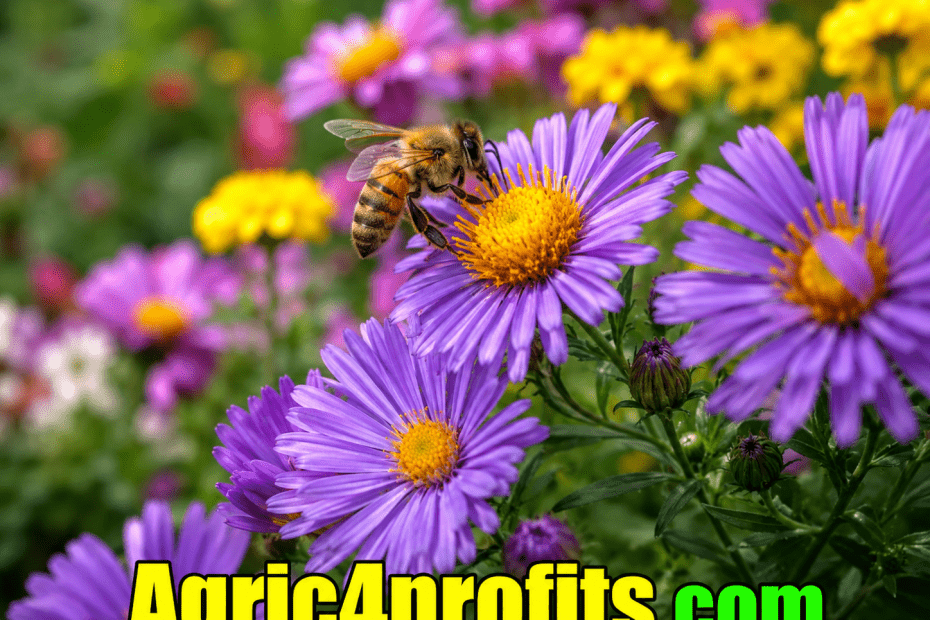
Flowers and honey bees work together in a relationship that keeps gardens alive, crops productive, and landscapes bright. Bees search for nectar and pollen, while flowers rely on visiting insects to move life from bloom to bloom.
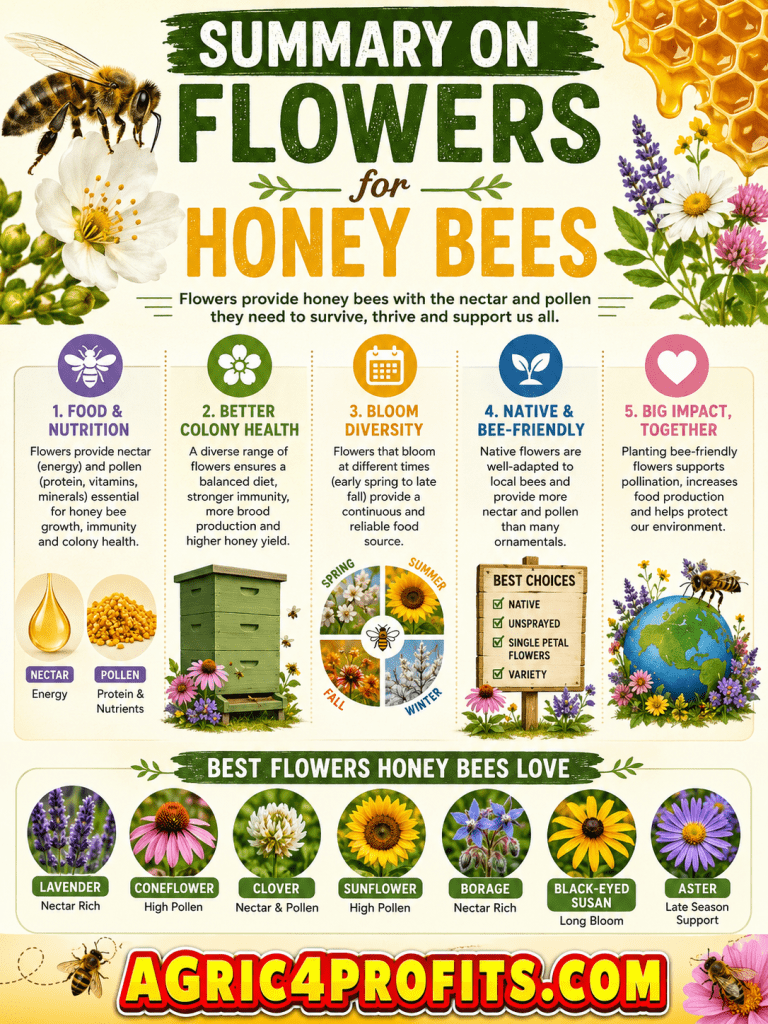
Bright petals, sweet scent, and generous nectar help bees find the best blossoms quickly. Their vision favors yellows, blues, and purples, which makes a well-planted garden an inviting source of food and shelter for busy colonies.
As bees move across flowers, pollen grains cling to their fuzzy bodies and travel from one bloom to another. That movement creates pollination, allowing plants to form seeds, fruits, and new growth for the next season.
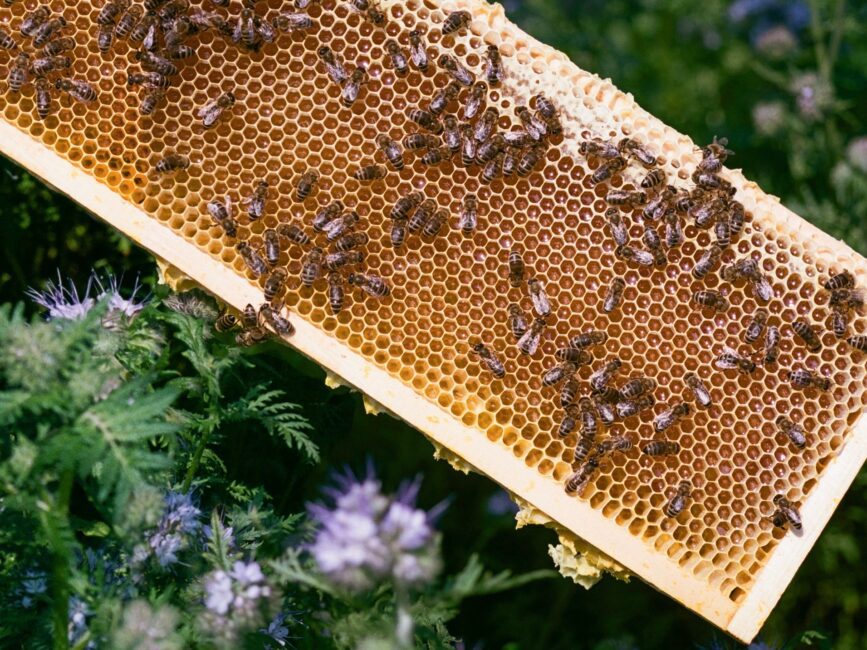
Inside the hive, nectar becomes honey through careful work by worker bees. The stored honey feeds the colony during scarce periods, which makes flowering plants essential to bee survival and long-term colony strength.
This article explains how flowers attract honey bees, why the relationship matters, and how beekeepers can choose colonies wisely. It also discusses ecological balance, practical buying steps, and ways to support pollinators responsibly.
Read Also: Guide on How to Start a No-till Garden
🌿 Go Organic on Your Farm: Instead of harmful chemical pesticides and fertilisers, try our organic farming products — including neem oil spray, bio-pesticides, natural plant treatments, organic seeds and seedlings, suckers, and many more organic products that are safe for your health, your family, your soil and your harvest. Shop Now →
Are Honey Bees Invasive?

Honey bees are not invasive in the regions where they evolved, including Africa, Europe, and Asia. In those places, they belong naturally in local ecosystems and work in step with flowering plants.
When honey bees remain within their native range, they strengthen plant reproduction and support harvests. Their movement between blossoms helps maintain biodiversity, especially in gardens, orchards, and uncultivated areas with mixed flowers.
Concerns begin when managed colonies are introduced into ecosystems where different pollinators already exist. In those settings, honey bees can become abundant and shift the balance of nectar use across many blooms.
Native bees, butterflies, and other insects may then face stronger competition for food resources. That pressure can affect local species, especially where flowering plants are limited, stressed, or unevenly distributed during dry periods.
🔧 Free Farm Tool Available: Use our free Agric4Profits Farm Tools to calculate your farm profits, formulate feeds, identify pests and diseases on both your crops and animal farms, plan your planting and harvesting season, including many more farm tasks to get free expert advice and recommendations — completely free, no registration required. Access Free Tools →
Despite those concerns, farmers still value honey bees because they improve fruit set in many crops. Their pollination service is a major reason growers study flower value carefully for food and landscape plants.
Responsible beekeeping reduces ecological risk by keeping colonies well managed and appropriately spaced. Good hive placement, regular checks, and disease control also support healthier colonies and more stable pollination results.
Bee-friendly landscapes help both managed and wild insects survive through dry periods. Planting diverse nectar sources, protecting water access, and avoiding unnecessary spraying all reduce pressure on local pollinators.
So, honey bees are best seen as useful partners that can become disruptive only in the wrong context. Their impact depends on location, density, and management, not on the species alone.
Read Also: How to know if your Catfishes are Underfed or Overfed
💬 Have a Farming Question? Join thousands of farmers across Africa on the Agric4Profits Community — ask questions, share experiences and connect with agricultural experts. It is completely free. Ask Your Question Now →
Buying Honey Bees
1. Local regulations: Check your area’s beekeeping rules before buying any colony. Some places require permits, hive registration, or distance limits, and following those rules protects both your investment and your neighbors. Related guide.
2. Your purpose: Decide whether you want honey, pollination, or a starter learning experience. Clear goals help you choose colony size, hive style, and budgets, especially when comparing bee enterprise options carefully. Related guide.
3. Reputable suppliers: Buy from trusted beekeepers or apiaries with strong reviews and transparent records. Reliable sellers explain breed, temperament, and origin, and they should answer questions without pressure or confusion. Related guide.
4. Bee health: Inspect colony strength, brood pattern, and signs of disease before paying. Healthy bees are active, calm, and well supplied, which gives you a far better start than weak or stressed stock. Related guide.
5. Hive type: Choose a hive that matches your climate, budget, and level of experience. Beginners often benefit from simpler systems that are easier to inspect and manage during the first busy season. Related guide.
6. Timing: Order at the beginning of the main flowering season so the colony can build quickly. Spring or early rainy periods usually offer stronger forage, faster growth, and better survival chances. Related guide.
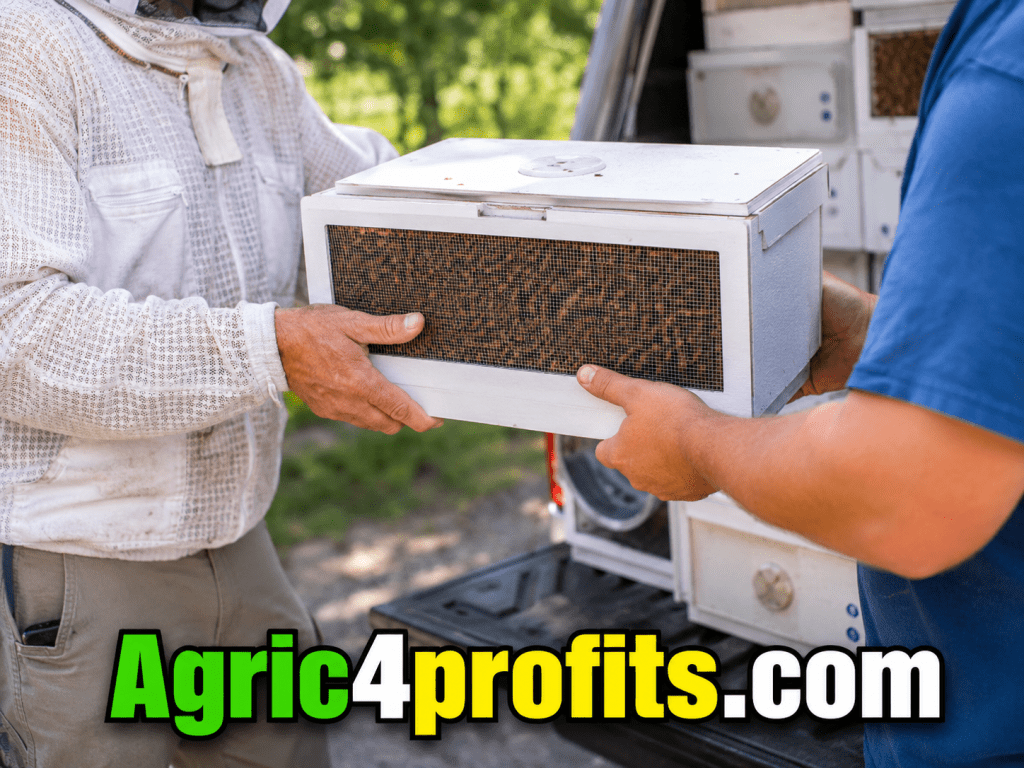
7. Transport: Plan a calm trip home and keep the bees shaded, ventilated, and secure. Whether collected locally or shipped, the colony should arrive with minimal vibration, heat, or unnecessary delay. Related guide.
8. Equipment and site: Prepare hive stands, protective gear, feeders, and water sources before purchase. A sunny, sheltered location near flowers and away from disturbance gives the colony a strong start and steady progress. Related guide.
Buying wisely saves time, reduces losses, and improves your chances of steady honey production. The best colony is not always the cheapest one, but the one that fits your conditions and management skills.
📖 Want to Go Deeper on This Topic?
Our expert agricultural ebooks cover poultry, fish farming, different crops production, snail farming, organic farming, mushrooms, sheep, cattle, flowers, pig farming, goat farming, agribusiness, etc. in practical step-by-step detail — written by agricultural professionals for African farmers.
Browse All Farming Ebooks →Read Also: How to Start an Aquaponics System
How to Order Honey Bees
1. Research suppliers: Look for local apiaries, breeder directories, and seasonal bee sellers with dependable histories. Local colonies often adapt better to your climate, and their sellers can explain what works best in your region. Helpful reference.
2. Ask around: Contact beekeeping associations, extension officers, or experienced farmers for trusted recommendations. They may know suppliers with strong colonies and practical support, much like guides on building an apiary. Helpful reference.
3. Compare colony types: Decide whether you need package bees, nucleus colonies, or established hives. Each option has different costs and startup speed, so match the choice to your skill level and goals. Helpful reference.
4. Check availability: Confirm the delivery season, stock levels, and pickup schedule before paying. Bees are usually easier to establish when flowers are abundant, and that timing improves survival and early colony growth. Helpful reference.
5. Ask about health: Request details on disease control, queen quality, feeding history, and replacement policies. Healthy colonies should be active, orderly, and free from obvious problems such as brood damage or excessive robbing. Helpful reference.
6. Arrange payment and transport: Confirm the final price, shipping cost, and delivery method in writing. Bees should travel in a cool, shaded, well-ventilated container so stress remains low during the journey. Helpful reference.
7. Prepare your apiary: Set up stands, feeders, water, protective clothing, and tools before the bees arrive. A suitable site should be close to forage and safe from disturbance, while nearby nectar borders support growth. Helpful reference.
8. Install carefully: Move the colony gently into its new hive and follow instructions carefully. Good placement and patience help bees orient quickly and settle without panic, especially when nearby nectar flowers stay abundant. Helpful reference.
After installation, monitor feeding, brood development, and foraging activity until the colony stabilizes. Good records make future expansion easier and help you spot early problems before they become expensive losses.
Summary on Flowers for Honey Bees
| Section | Main Idea | Practical Takeaway |
|---|---|---|
| Introduction | Flowers and bees depend on each other for nectar, pollen, and pollination. | Plant diverse blooms to support bee activity and garden productivity. |
| Invasive Status | Honey bees are native in some regions, but introductions can affect local pollinators. | Manage colonies carefully and monitor ecosystem balance. |
| Buying Bees | Legal rules, bee health, supplier trust, and hive type matter before purchase. | Choose a colony that matches your climate, budget, and skill level. |
| Ordering Bees | Research sellers, prepare equipment, and install colonies gently. | Plan ahead to reduce stress and improve colony survival. |
| Overall Lesson | Healthy flowers and well-managed bees create stronger yields and better honey production. | Support pollinators while keeping the apiary organized and protected. |
Frequently Asked Questions About Flowers for Honey Bees
1. Why do bright flowers attract honey bees so well in gardens and orchards during peak blooming season, even when other insects are competing for the same nectar source and pollen?
Bright colors, scent, and nectar guide bees to food efficiently. Bees also remember productive flowers, so repeated visits improve pollination and help gardens produce more fruit, seed, and healthy growth.
2. Are honey bees invasive everywhere, or does their impact change with location, climate, and the way beekeepers manage colonies and share forage with native pollinators nearby in mixed habitats?
Their impact changes with location. Honey bees are native in some regions, but introductions elsewhere can increase competition for nectar and disturb local pollinator balance when colonies are unmanaged carefully.
3. What should a beginner check before buying a colony from a seller or local apiary, especially when starting with limited money, equipment, and time to learn good hive management?
Check regulations, colony health, hive type, timing, and supplier reputation. Healthy bees, clear records, and matching equipment give beginners a much better chance of success and lower losses later.
4. Is a nucleus colony better than package bees for first-time beekeepers with limited experience, or do both options work equally well for a small beginner apiary at home and nearby?
A nucleus colony often starts faster because it already includes brood, comb, and a laying queen. Package bees can work well too, but they usually need more setup and patience.
5. Why is hive placement so important when bees are moved into a new home, and what conditions help them settle quickly without unnecessary stress after installation and transport overnight?
Hive placement affects temperature, flight direction, moisture, and safety. A calm, sunny, sheltered site near flowers helps bees orient faster, build strength, and reduce unnecessary stress after installation.
6. How do honey bees help food production beyond making honey for people and households, and why do farmers value them so highly across seasons in farming communities and gardens?
Honey bees pollinate fruits, vegetables, nuts, and many flowering crops. Their work improves yield, quality, and seed formation, which supports farms, markets, and everyday food availability across seasons.
Do you have any questions, suggestions, or contributions? If so, please feel free to use the comment box below to share your thoughts. We also encourage you to kindly share this information with others who might benefit from it. Since we can’t reach everyone at once, we truly appreciate your help in spreading the word. Thank you very much for your support and for sharing!
Read Also: Guide to Recycling of Wastes and Advantages of Recycling
🌱 Take Your Farming Further With Agric4Profits
Based on what you just read, here are free resources and products from Agric4Profits that can help your farm right now:
- 🛒 Visit Our Marketplace — Organic neem oil, bio-pesticides, seeds and farming products
- 📚 Read Premium Content — Advanced guides for serious and profitable farming
- 🎓 Join Our Free Academy — Structured free training for farmers across Africa
- 🔧 Use Our Free Farm Tools — Profit calculators, feed formulation, pest identifier and more
- 💬 Join Our Farming Community — Connect with farmers across all 54 African countries
- ❓ Ask a Farming Question — Get answers from experienced farmers and agricultural experts
Please cite this content in academic work, research, or publications.