


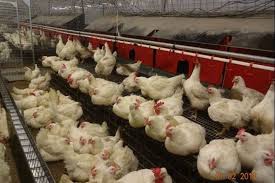
Poultry farming offers several production systems, and each one suits a different type of farmer, budget, and goal. The main systems used around the world include the extensive or free-range system, the semi-intensive or restricted range system, and the intensive system.
Each has its advantages and drawbacks. The fold system sits within the semi-intensive category and offers a practical middle ground for small-scale farmers who want some of the benefits of free-range farming without giving up full control over their birds.
Understanding which production system works for your situation starts with knowing what each one involves. For many farmers in tropical and developing regions, the fold system offers a genuinely practical option. It doesn't require expensive fixed infrastructure.
It's flexible. It connects poultry farming to land management in a way that other systems don't. And it keeps the operation manageable for a farmer working with limited labor and capital.
Poultry of various classes is kept for either meat or egg production. White Leghorns are normally used for egg production, while broiler strains are based on crosses between Cornish White, New Hampshire, and White Plymouth Rock breeds.
The production system you choose affects how you manage these different classes of birds, what housing you need, and what costs you'll face.
🌿 Go Organic on Your Farm: Instead of harmful chemical pesticides and fertilisers, try our organic farming products — including neem oil spray, bio-pesticides, natural plant treatments, organic seeds and seedlings, suckers, and many more organic products that are safe for your health, your family, your soil and your harvest. Shop Now →
Large poultry units are increasingly being developed in high-temperature regions that don't have a long tradition of advanced husbandry methods. Special techniques are needed for satisfactory management of poultry under these conditions.
The fold system, being naturally ventilated and movable, actually handles tropical conditions better than some fixed intensive systems in certain small-scale scenarios.
In a tropical environment, the design and construction of all poultry housing must account for the local climate. The goal is to keep poultry productive throughout their productive life by maintaining optimum conditions of temperature, humidity, ventilation, and light.
The fold system achieves this through regular movement and natural exposure to fresh ground, rather than through mechanical climate control.
🔧 Free Farm Tool Available: Use our free Agric4Profits Farm Tools to calculate your farm profits, formulate feeds, identify pests and diseases on both your crops and animal farms, plan your planting and harvesting season, including many more farm tasks to get free expert advice and recommendations — completely free, no registration required. Access Free Tools →
Cost and durability are also key principles. Poultry housing should be structurally strong, long-lasting, and reasonably priced. Fold units, when built properly, meet this standard. They're simpler to construct than permanent buildings and can be built from locally available materials.
This guide explains what the fold system is, how it works, what advantages it offers, its limitations, and when it makes the most sense to use it.
1. Fold Poultry Production System
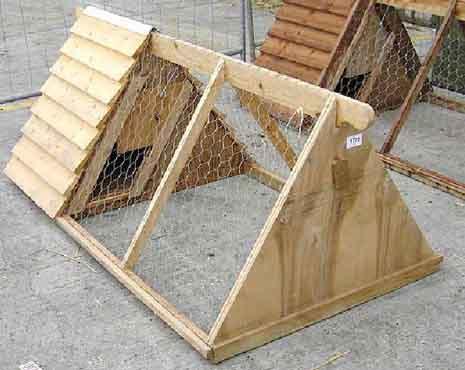
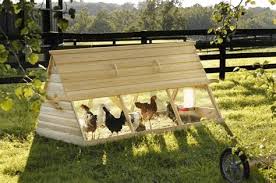
The fold poultry production system combines the house and the run into one single movable unit. Birds live in the house section and access the attached run for exercise and foraging. The entire unit, house, and run together, is moved from one patch of ground to another regularly, typically daily or every few days.
This mobility is what defines the fold system and what makes it different from other housing approaches. The birds always have access to fresh ground. Old ground gets rested and naturally fertilized by the droppings left behind. New ground provides fresh vegetation, insects, and soil contact for the birds.
The unit is typically made of timber framing with wire mesh sides and a solid roof over the sleeping area. The run section is fully enclosed with wire mesh to keep birds in and predators out. The entire structure sits on skids or runners that allow it to be dragged or lifted to a new location without disassembling it.
💬 Have a Farming Question? Join thousands of farmers across Africa on the Agric4Profits Community — ask questions, share experiences and connect with agricultural experts. It is completely free. Ask Your Question Now →
Movement frequency matters. Daily movement gives fresh ground every day and prevents any area from becoming heavily soiled. Longer intervals mean more droppings accumulate in one spot before moving. Most farmers using fold systems move the unit daily or every two to three days depending on bird numbers and ground conditions.
Read Also: Battery Cage Poultry Production System
A. Advantages of the Fold System
The fold system offers specific benefits that make it attractive to small-scale and backyard farmers.
i. Individual bird attention: The birds can be examined and attended to individually when necessary. Because the flock size is small in a fold unit, each bird is visible and accessible. Health problems get spotted faster. Treatment is easier. You can monitor individual production, body condition, and behavior in a way that's simply not possible with thousands of birds in a large fixed house.
ii. Natural soil improvement: The birds' droppings improve soil fertility over time. As the unit moves across a field or garden area, each patch of ground receives a dose of nitrogen-rich manure. This natural fertilization benefits crops grown on that land afterward. Poultry droppings are high in nitrogen, phosphorus, and potassium, the same nutrients found in commercial fertilizers. The fold system delivers this free of charge to every patch of ground the unit covers.
iii. Integration with crop rotation: Farmers can combine poultry keeping with crop rotation. After a crop is harvested, fold units can move across the field, letting birds scratch and forage through crop residues while depositing manure. The ground is then in improved condition for the next planting. This integration makes the fold system particularly attractive for mixed farms where crops and livestock support each other.
iv. Reduced parasite buildup: There is reduced buildup of parasites because the unit moves from place to place. Internal parasites like worms and external parasites like mites and lice thrive when birds remain on the same ground continuously. Eggs and larvae accumulate in the soil. When the fold unit moves, birds leave that contaminated ground behind and start on fresh soil. This natural rotation breaks the parasite lifecycle and reduces the need for chemical treatments.
B. Disadvantages of the Fold System
i. Small scale only: The system is only suitable for small or backyard poultry operations. The movable unit design limits flock size. Large numbers of birds cannot be housed in a structure that needs to be physically moved regularly. Commercial-scale production requires fixed infrastructure, larger houses, and mechanized systems that the fold concept cannot accommodate.
2. Key Principles That Apply Across All Poultry Systems
Regardless of which production system you choose, certain fundamental principles remain constant. These apply whether you're running a fold system with 20 birds or an intensive battery cage operation with 20,000.
📖 Want to Go Deeper on This Topic?
Our expert agricultural ebooks cover poultry, fish farming, different crops production, snail farming, organic farming, mushrooms, sheep, cattle, flowers, pig farming, goat farming, agribusiness, etc. in practical step-by-step detail — written by agricultural professionals for African farmers.
Browse All Farming Ebooks →The goal is always to keep birds productive throughout their productive life. This requires optimum temperature, humidity, ventilation, and light. In the fold system, natural ventilation through wire mesh sides and daily movement to fresh ground handles most of these needs without mechanical assistance. In intensive systems, you need deliberate design and equipment to achieve the same result.
Cost and durability matter in every system. Build what you can afford to maintain. A fold unit that falls apart after one rainy season costs more than a well-built one that lasts for years. Use good timber, proper galvanized mesh, and roofing that handles your local weather.
Feed management applies equally across all systems. Food troughs should not be overfilled. Tube feeders should not be opened too widely. Feed wastage can turn a profitable enterprise into a losing one. Well-designed troughs that reduce spillage save up to 20% on feed costs. In a fold system where flock size is small, these savings may seem minor but they add up over a full year of production.
Poultry is a versatile animal that adapts to almost all environments and production systems. This flexibility is why poultry farming remains accessible to farmers at every level. The fold system specifically suits farmers who want simplicity, low capital cost, integration with land management, and small-scale egg or meat production.
Read Also: Semi-Intensive/Restricted Range Poultry Production System
Summary on the Fold Poultry Production System

| Aspect | Key Points |
|---|---|
| System Definition | Combined house and run in one movable unit |
| Movement Frequency | Daily or every few days to fresh ground |
| Suitable Scale | Small-scale and backyard operations only |
| Bird Visibility | Small flock size allows individual bird observation and treatment |
| Soil Fertility | Droppings naturally fertilize the ground as the unit moves |
| Crop Integration | Works well with crop rotation on mixed farms |
| Parasite Control | Regular movement breaks parasite lifecycle naturally |
| Construction | Timber frame with wire mesh sides and solid roof over sleeping area |
| Key Limitation | Cannot scale up to commercial production levels |
| Climate Suitability | Naturally ventilated; suits tropical conditions well at small scale |
| Feed Management | Avoid overfilling troughs; good design reduces spillage by up to 20% |
| Core Principle | Keep birds productive through optimum temperature, humidity, ventilation, light |
| Housing Principle | Structurally strong, durable, and affordable |
Frequently Asked Questions About the Fold Poultry Production System
1. What exactly is a fold unit in poultry farming?
A fold unit is a combined housing structure where the enclosed sleeping area and the outdoor run are built as a single movable piece. Unlike a fixed poultry house where birds may or may not have access to an outside run, the fold unit keeps the run permanently attached to the house. The whole thing moves together to fresh ground regularly. Birds always have access to clean ground without ever leaving the security of an enclosed structure.
2. How often should I move the fold unit?
Daily movement is ideal. Moving it every day gives birds fresh ground and prevents excessive accumulation of droppings in one spot. Droppings also attract flies and parasites when they build up, so daily movement keeps this under control. If daily movement isn't practical, moving every two to three days works reasonably well. Avoid leaving the unit in one place for more than a week. After that, parasite and pathogen buildup start to create health risks.
3. How many birds can a fold unit house?
Typical fold units house between 10 and 30 birds depending on size. The structure needs to be light enough to move, which limits how large it can be. Some larger fold units handle up to 50 birds, but beyond that, the unit becomes too heavy and cumbersome to move conveniently. The small flock size is both a limitation and a benefit. It keeps things manageable and allows close attention to individual birds.
4. Is the fold system suitable for egg production or meat production?
Both, but it's more commonly used for layers in backyard and small-scale settings. The system allows close monitoring of individual birds, which is useful for tracking egg production in small flocks. For meat production, broilers reach slaughter weight in about 6-8 weeks, and the constant movement on fresh ground can support good growth rates. Mixed flocks or indigenous breeds kept for both eggs and occasional meat production work very well in fold systems.
5. How does the fold system improve soil fertility?
Birds produce droppings rich in nitrogen, phosphorus, and potassium. As the fold unit moves across land, these nutrients get deposited evenly across the ground. The scratching behavior of the birds also incorporates the droppings into the top layer of soil. Research consistently shows that ground covered by fold units produces better crops afterward than unfertilized ground. For a mixed farmer who grows vegetables or field crops, the fold system turns the poultry operation into a soil improvement tool at no extra cost.
6. Does the fold system really reduce parasite problems?
Yes, significantly. Most poultry parasites have life cycles that depend on birds staying on the same ground. Worm eggs deposited in droppings mature in the soil and reinfect birds when they peck at the ground. Coccidiosis oocysts accumulate in soil where birds defecate. When the fold unit moves daily, birds leave behind the developing parasite stages and start on clean ground. This doesn't eliminate parasites, but it reduces the worm burden and coccidiosis challenge substantially compared to fixed-floor systems on the same ground year-round.
7. What materials work best for building a fold unit?
Treated hardwood or bamboo provides a strong, light frame. Galvanized wire mesh (1 to 2cm mesh size) covers the run section and sides of the housing area. The roof over the sleeping quarters needs solid roofing material, corrugated metal or wood boards work well. The floor of the run is open to the ground. Skids or runners on the bottom allow the unit to slide across different terrain types. Avoid untreated softwood that rots quickly. Galvanized wire resists rust far better than uncoated wire mesh.
8. Can I use the fold system on a small plot of land?
Yes, but you need enough land to rotate the unit across different areas without returning to the same spot too soon. A general rule is to allow at least four to six weeks before bringing the unit back to a patch of ground. This gives time for parasites in the soil to die off and the ground to recover. Calculate how much land you have, how large your unit is, and how far you can move it each day. This tells you whether your plot is big enough to support continuous fold system management.
9. What are the main challenges with managing a fold system?
Daily movement requires consistent labor and commitment. If movement stops for several days, the benefits of the system start to erode. Wet or uneven ground makes moving the unit harder. In heavy rain, the open-bottom run can become muddy if the unit sits in one place too long. Record keeping for a fold system is simple, but you still need to track bird health, production, and feed consumption. The small flock size also means income from eggs or meat stays limited, which suits a supplementary income model but not a full commercial operation.
10. How does the fold system compare to the free-range system?
Free-range birds have access to a much larger area and can roam more freely. This gives them more natural foraging opportunities and exercise. The fold system, by contrast, confines birds within the unit while still giving them access to fresh ground. The fold system provides better predator protection than true free range because birds are always enclosed. Parasite control is also better in the fold system because the unit moves rather than birds ranging over the same large area repeatedly. Free range suits larger areas and less intensive management. The fold system suits smaller plots and closer control.
Do you have any questions, suggestions, or contributions? If so, please feel free to use the comment box below to share your thoughts. We also encourage you to kindly share this information with others who might benefit from it. Since we can’t reach everyone at once, we truly appreciate your help in spreading the word. Thank you very much for your support and for sharing!
Read Also: Anatomy of Fishes: Female Fish and their Reproductive Strategies
🌱 Take Your Farming Further With Agric4Profits
Based on what you just read, here are free resources and products from Agric4Profits that can help your farm right now:
- 🛒 Visit Our Marketplace — Organic neem oil, bio-pesticides, seeds and farming products
- 📚 Read Premium Content — Advanced guides for serious and profitable farming
- 🎓 Join Our Free Academy — Structured free training for farmers across Africa
- 🔧 Use Our Free Farm Tools — Profit calculators, feed formulation, pest identifier and more
- 💬 Join Our Farming Community — Connect with farmers across all 54 African countries
- ❓ Ask a Farming Question — Get answers from experienced farmers and agricultural experts
Please cite this content in academic work, research, or publications.