


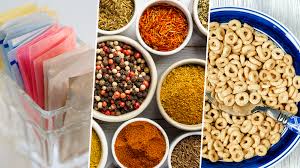
Food additives have been integral to food preparation for centuries, ensuring safety, quality, and appeal. From ancient preservation methods to modern processing, additives play a critical role in meeting consumer demands for variety, convenience, and safety in today’s complex food supply.
This article explores the purpose, safety, and common types of food additives, addressing their necessity, evaluation processes, and potential health concerns. By reformatting the original textbook content, we aim to provide clear, concise information for better understanding on your website.
What Are Food Additives and Their Purpose?
Food additives have been used since ancient times, starting with salting and smoking meat to preserve it. Egyptians added colors and flavors, while Romans used saltpetre and spices to enhance food appearance. Today, additives ensure foods remain safe, wholesome, and enjoyable.
A. Definition of Food Additives
1. Technical Purpose: A food additive is any substance not typically consumed as food itself, added intentionally for technological purposes during processing, packaging, or storage.
2. Composition: Additives or their by-products may become part of the food, either directly or indirectly.
3. Natural Origins: Many additives, like some essential nutrients, occur naturally but are classified as additives due to their technical function.
B. Necessity in Modern Food Supply
1. Consistent Quality: Additives maintain high quality in mass-produced foods that require transportation and storage.
2. Preventing Spoilage: They reduce food loss by preventing microbial growth, which can cause spoilage or food poisoning.
3. Meeting Consumer Expectations: Additives ensure variety, safety, and affordability in supermarkets and dining experiences.
C. Categories of Additives
1. Diverse Functions: Additives include preservatives, colors, flavors, and others, each serving a specific purpose.
2. Organic Foods: Even some organic products rely on additives to maintain quality.
3. Global Impact: Additives support a wide range of foods, from baked goods to beverages, enhancing safety and appeal.
Read Also: Feed Lot Fattening of Rams Practice
Why Are Additives Essential?
In today’s food industry, additives are vital for maintaining quality during large-scale production. Unlike homemade foods, which are consumed fresh, commercially produced foods must endure transportation and storage while retaining safety and appeal.
A. Extending Shelf Life
1. Preservation Needs: Additives like preservatives prevent spoilage, ensuring foods remain safe over time.
2. Microbial Control: They limit microbial growth, reducing the risk of foodborne illnesses like salmonellosis.
3. Storage Challenges: Additives help foods withstand environmental factors like temperature changes and oxidation.
B. Enhancing Food Quality
1. Consistent Appeal: Additives maintain the taste, texture, and appearance consumers expect.
2. Variety and Convenience: They enable a wide range of safe, affordable food options in supermarkets.
3. Processing Support: Additives facilitate modern food processing technologies for consistent results.
C. Safety and Regulation
1. Rigorous Testing: Additives undergo strict safety evaluations to ensure they are safe for consumption.
2. Consumer Trust: They must serve a useful purpose without misleading consumers.
3. Global Standards: International bodies like Codex Alimentarius ensure harmonized safety standards.
How Is Additive Safety Ensured?
The safety of food additives is a priority, with rigorous evaluations conducted globally. Regulatory bodies ensure additives are safe, effective, and necessary before approval for use in foods.
A. Safety Evaluation Process
1. Scientific Assessment: Additives are tested for safety by bodies like the European Food Safety Authority (EFSA).
2. Global Oversight: The Joint Expert Committee on Food Additives (JECFA) evaluates additives for international use.
3. National Regulation: In Nigeria, SON and NAFDAC oversee additive safety and compliance.
B. International Standards
1. Codex Alimentarius: This FAO/WHO initiative develops global food safety guidelines.
2. General Standards: The GSFA ensures additives meet harmonized, workable standards for trade.
3. Approved Additives: Only JECFA-evaluated additives are included in global standards.
C. Ongoing Monitoring
1. Strict Regulation: Additives are carefully monitored to ensure they remain safe.
2. Consumer Safety: Maximum allowable levels prevent excessive use in foods.
3. Resistance Concerns: No evidence suggests preservatives contribute to bacterial resistance.
Do Additives Cause Allergies or Intolerances?
While most people tolerate additives well, some individuals may experience sensitivities. Public concerns about adverse reactions are often based on misconceptions rather than evidence.
A. Rare Allergic Reactions
1. Low Incidence: True allergic reactions to additives are rare, affecting 1-2 per 10,000 people.
2. Specific Triggers: Colors like tartrazine (E 102) and carmine (E 120) may cause rashes or hives.
3. Asthma Triggers: Tartrazine can occasionally cause asthma in sensitive individuals.
B. Sulphite Sensitivities
1. Sulphite Effects: Sulphites (E 220-228) may trigger asthma in sensitive individuals.
2. Common Uses: Found in wines, beers, and fruit products to control microbial growth.
3. Symptoms: Breathing difficulties, wheezing, and coughing may occur in asthmatics.
C. Misconceptions About MSG and Aspartame
1. MSG Myths: Monosodium glutamate (E 621) is blamed for headaches, but studies show no link.
2. Aspartame Safety: Aspartame’s adverse effects are not validated by scientific research.
3. Professional Guidance: Health professionals can confirm sensitivities to avoid unnecessary restrictions.
Read Also: The Systems of Sheep Production
Common Types of Food Additives
Food additives serve various functions, from preserving freshness to enhancing sensory qualities. Below are the most common categories and their roles in food production.
A. Additives for Freshness and Preservation
1. Antioxidants: These prevent oxidation, extending shelf life in fats, oils, and fruits.
2. Preservatives: They control microbial growth, preventing spoilage and foodborne illnesses.
3. Examples: Tocopherols (E 306-309), sulphur dioxide (E 220-228), and calcium propionate (E 282).
B. Additives for Sensory Qualities
1. Colors: Enhance visual appeal, compensating for color loss during processing.
2. Emulsifiers and Stabilizers: Maintain texture in products like margarine and ice cream.
3. Sweeteners: Provide sweetness in low-calorie or diabetic-friendly foods.
C. Specific Additive Examples
1. Curcumin (E 100): Orange-yellow color used in curry and processed cheese.
2. Beta-carotene (E 160a): Adds color to soft drinks, margarine, and yogurt.
3. Plain Caramel (E 150a): Dark brown color for cola, confectionery, and beers.
Frequently Asked Questions
1. What are food additives?
Food additives are substances added to food for technological purposes, such as preservation, coloring, or flavor enhancement, ensuring safety and quality.
2. Are food additives safe to consume?
Yes, additives undergo rigorous safety evaluations by bodies like EFSA and JECFA, ensuring they are safe and used within strict limits.
3. Why are preservatives used in food?
Preservatives prevent microbial growth, extending shelf life and reducing the risk of spoilage or foodborne illnesses like botulism.
4. Can food additives cause allergies?
True allergic reactions are rare, but some individuals may be sensitive to additives like tartrazine or sulphites, causing mild symptoms.
5. What is the role of colors in food?
Colors enhance visual appeal, compensate for processing losses, and meet consumer expectations without disguising inferior quality.
6. Are natural additives better than synthetic ones?
Both natural and synthetic additives are safe if approved. Their classification as additives depends on their technical function, not origin.
7. How are additives regulated globally?
The Codex Alimentarius and JECFA set international standards, while national bodies like NAFDAC in Nigeria ensure compliance.
8. Do additives like MSG cause side effects?
Scientific studies show no link between MSG or aspartame and reported side effects like headaches, despite public misconceptions.
Do you have any questions, suggestions, or contributions? If so, please feel free to use the comment box below to share your thoughts. We also encourage you to kindly share this information with others who might benefit from it. Since we can’t reach everyone at once, we truly appreciate your help in spreading the word. Thank you so much for your support and for sharing!