


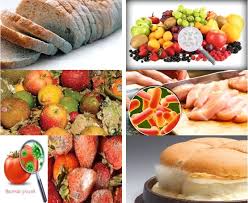
Food contamination and poisoning occur when food that has spoiled or is infected by bacteria is consumed. Food contamination and poisoning represent a serious issue, as they result in foodborne diseases. These conditions arise from the presence of chemical, biological, physical, or other substances in food that render it unsafe for consumption.
Chemical contamination includes substances like detergents and sprays. Biological substances encompass yeasts, molds, and bacteria. Physical contamination includes items such as hair, insects, and bandages.
Although many bacteria are harmless, certain types are harmful and cause diseases. These disease-producing bacteria multiply rapidly under favorable conditions, leading to food poisoning.
Various groups of pathogenic bacteria may be found both inside and on the surface of the body and can be transferred to food by individuals handling it if precautions are not taken.
Such infections may spread during food manufacture, preparation, and cooking in restaurants, schools, and homes. Food must therefore be stored and prepared in conditions unfavorable to bacterial growth.
Read Also: Milk Processing and Storage Methods
Causes of Food Contamination and Poisoning
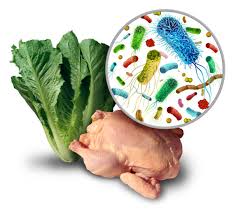
Several factors contribute to food poisoning, including pathogenic bacteria and poisonous vegetables or tubers.
1. Pathogenic Bacteria in Food Contamination
Pathogenic bacteria can be subdivided into three groups: the Salmonella group, the Staphylococcus group, and the Clostridium group.
i. The Salmonella Group: These bacteria are primarily spread by:
- Infected individuals who handle food, particularly without washing their hands after using the toilet.
- Infected rats and mice depositing droppings on food.
- Ducks’ eggs and hens’ eggs, which are also potential sources of food poisoning caused by Salmonella bacteria.
ii. Effects of Salmonella Food Poisoning: The effects include diarrhea, vomiting, stomach pains, and, in severe cases, death may occur.
a. The Staphylococcus Group: These bacteria produce toxins in food and are mainly spread through:
- Coughing and sneezing by infected individuals. The mouth and nose must be covered when sneezing or coughing.
- Handling of food by infected individuals with open septic cuts, scratches, or boils. Kitchen staff with such conditions should not handle food.
iii. Effects of Staphylococcus Food Poisoning: The effects include extreme weakness, severe vomiting, and stomach pains.
a. The Clostridium Group: These bacteria thrive in the absence of oxygen and produce spores that can survive normal cooking processes. If canned meat or vegetables are not properly preserved, the spores of these bacteria can germinate inside the can and produce toxins. This form of food poisoning, known as botulism, is severe and can be fatal.
Personal hygiene is of utmost importance when handling food, and every aspect of food storage, handling, and preparation must be carried out hygienically.
2. Poisonous Vegetables and Tubers
Certain plants and fruits are sometimes mistaken for edible varieties but are poisonous. It is critical to recognize and avoid these, as some species of spinach, garden eggs, mushrooms, and berries are toxic. Some tubers, such as yams, cocoyams, and cassava, can be poisonous and may cause instant death if consumed.
Cases have been reported where entire families perished after consuming meals made from yam, cassava, or cocoyam. Therefore, it is advisable to purchase tubers from reputable dealers or ensure that only non-poisonous species are used.
Certain species of cassava are poisonous if not properly prepared. Such species are typically soaked in water for a few days to allow the poisonous substances to dissolve, neutralizing them during fermentation for further processing.
Cassava leaves contain glycoside or prussic acid, which is highly toxic. If not properly prepared (pounded and cooked by boiling or stewing), these leaves may cause food poisoning.
i. Effects of Poisoning from Plants and Fruits: The effects include drowsiness, skin rashes, inflammation of the mouth, stomach pains, vomiting, diarrhea, and, in some cases, death.
Read Also: Milk Processing and Storage Methods
Control and Prevention of Food Contamination and Poisoning
1. Hygiene Practices in the Home
In the home, kitchen hygiene rules must be observed at all times (refer to Module 3, Article 1, Section 3.2: Hygiene in the Kitchen).
2. Safe Food Purchasing Practices in Shops
- Purchase foodstuffs from shops that are clean and well-ventilated.
- Buy from shops with brisk sales where stocks do not remain for long periods.
- Inspect tinned foods carefully for dents, bulges, rust, or blown tins, which indicate the presence of botulism bacteria.
- Purchase frozen foods from establishments where freezers are in good working condition.
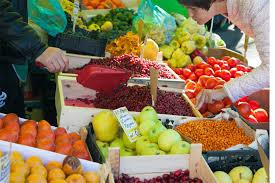
3. Safe Food Selection in the Market
- Buy from clean stalls.
- Avoid purchasing uncovered fresh, perishable, or cooked foods.
- Ensure foods that do not require washing before cooking are clean.
- Select food carefully before buying, ensuring it is free of maggots, worms, and slugs.
Food contamination and poisoning pose serious risks, potentially leading to death if adequate care is not taken during purchasing, storage, preparation, and serving of food. Contamination can occur at any of these stages through biological (microorganisms), chemical (cleaning compounds), or physical (unhygienic particles) means.
Food may also be naturally poisonous from the farm, such as vegetables and tubers containing toxic acids. The effects of food poisoning range from drowsiness, vomiting, diarrhea, and stomach pains to, in severe cases, instant death.
Preventive measures include maintaining proper kitchen hygiene, employing appropriate food preparation methods to remove excess acids from tubers, avoiding poisonous vegetables, and purchasing foodstuffs from reputable shops that maintain hygienic conditions and stock quality products.
Do you have any questions, suggestions, or contributions? If so, please feel free to use the comment box below to share your thoughts. We also encourage you to kindly share this information with others who might benefit from it. Since we can’t reach everyone at once, we truly appreciate your help in spreading the word. Thank you so much for your support and for sharing!