


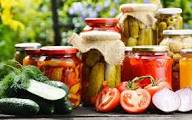
Preservatives are a type of food additives added to food to prolong shelf life and prevent breakdown by microorganisms. Mold, bacteria, and yeast, which cause food spoilage, are found practically everywhere, including the air.
This article explores food preservatives as additives, focusing on antioxidants and antimicrobial agents, their roles, and applications in agriculture.
Overview of Food Preservatives in Agriculture
Food preservatives are classified into two main groups: antioxidants and antimicrobials. Antioxidants are compounds that delay or prevent the deterioration of foods by oxidative mechanisms. Antimicrobial agents inhibit the growth of spoilage and pathogenic microorganisms in food.
Read Also: Agricultural Tillage Practices
Role of Antioxidants in Food Preservation

The oxidation of food products involves the addition of an oxygen atom to or the removal of a hydrogen atom from various chemical molecules found in food.
Two principal types of oxidation contribute to food deterioration: autoxidation of unsaturated fatty acids (i.e., those containing one or more double bonds between the carbon atoms of the hydrocarbon chain) and enzyme-catalyzed oxidation.
The autoxidation of unsaturated fatty acids involves a reaction between the carbon-carbon double bonds and molecular oxygen (O2). The products of autoxidation, called free radicals, are highly reactive, producing compounds that cause the off-flavors and off-odors characteristic of oxidative rancidity.
Antioxidants that react with free radicals (called free radical scavengers) can slow the rate of autoxidation. These antioxidants include the naturally occurring tocopherols (vitamin E derivatives) and the synthetic compounds butylated hydroxyanisole (BHA), butylated hydroxytoluene (BHT), and tertiary butylhydroquinone (TBHQ).
Specific enzymes may also carry out the oxidation of many food molecules. The products of these oxidation reactions may lead to quality changes in the food. For example, enzymes called phenolases catalyze the oxidation of certain molecules (e.g., the amino acid tyrosine) when fruits and vegetables, such as apples, bananas, and potatoes, are cut or bruised.
The product of these oxidation reactions, collectively known as enzymatic browning, is a dark pigment called melanin. Antioxidants that inhibit enzyme-catalyzed oxidation include agents that bind free oxygen (i.e., reducing agents), such as ascorbic acid (vitamin C), and agents that inactivate the enzymes, such as citric acid and sulfites.
1. Natural Antioxidants in Agricultural Products
Tocopherols are the most active chain-breaking antioxidants, and there is an explicit dietary requirement for tocopherols as vitamin E. Tocopherols occur to varying extents in most foods unless removed by specific processes during manufacture.
Loss of the free radical-scavenging properties of tocopherol is believed to be the basis for its essentiality and the pathologies associated with its deficiency.
2. Application of Natural Antioxidants in Food
Soluble chain-breaking antioxidants used in foods include ascorbate, as either the naturally occurring free acid or as synthetic ascorbate, and various soluble and insoluble ester forms. The acid form is an excellent electron donor in foods, which is the principal property that makes it an effective antioxidant at low concentrations.
In response to a perceived desire by consumers for less chemically processed food ingredients, several naturally occurring, chain-breaking antioxidants are being introduced to accomplish essentially the same effects as those of substituted phenols such as butylated hydroxyanisole (BHA) and butylated hydroxytoluene (BHT).
3. Synthetic Antioxidants in Agricultural Food Processing
Many antioxidants have been evaluated for use in foods as preservatives. Whereas natural antioxidants (e.g., vitamin E) do not withstand processes such as frying and baking, synthetic antioxidants can survive these processes.
Four synthetic antioxidants are particularly widespread in their use in foods: BHA, BHT, propyl gallate, and 2-(1,1-dimethylethyl)-1,4-benzenediol, also known as tertiary butylhydroquinone (TBHQ).
4. Direct Addition of Synthetic Antioxidants to Food
Commercial antioxidants are prepared as solids or blends of liquid. The blends of antioxidants are solubilized and thus are more readily added to foods during processing. Antioxidant mixtures are prepared in solvents such as propylene glycol, which is odorless, tasteless, and inert. The commercial antioxidants usually are mixtures of phenolic antioxidants and synergists.
5. Synergistic Antioxidants in Food Preservation
Several considerations are basic to the use of phenolic antioxidant formulations in food fats and oils. Antioxidants are combined to take advantage of their different types of effectiveness.
Specific combinations avoid or minimize solubility or color problems presented by the individual antioxidants; combinations permit better control and accuracy of application.
Combinations enable more complete distribution or solution of antioxidants and chelating agents in fats and oils; some combinations of antioxidants are more convenient to handle than individual antioxidant compounds; and some provide synergistic effects offered by some antioxidant combinations.
6. Toxicology of Antioxidants in Food Systems
The toxicological aspects of antioxidants used in the food industry have been reviewed in great detail by Madhavi and Salunkhe (1995).
Read Also: Maggot Feeding: Can You Feed Fishes with Maggots?
Antimicrobial Agents in Agricultural Food Preservation

Processes such as heating, drying, fermentation, and refrigeration have been used to prolong the shelf-life of food products. Some chemical food preservatives, such as salt, nitrites, and sulfites, have been in use for many years; however, some have seen extensive use only recently.
While improvements have been made using packaging and processing systems to preserve foods without chemicals, today antimicrobial food preservatives still play a significant role in protecting the food supply.
In selecting a food antimicrobial agent, several factors must be taken into consideration. First, the antimicrobial spectrum of the compound to be used must be known. This, along with knowledge of the bioburden of the food product, will allow the use of the correct antimicrobial agent for the microorganism(s) of concern.
Second, the chemical and physical properties of both the antimicrobial and the food product must be known. Such factors as pKa and solubility of the antimicrobial and the pH of the food will facilitate the most efficient use of an antimicrobial.
Third, the conditions of storage of the product and interactions with other processes must be evaluated to ensure that the antimicrobial will remain functional over time.
Fourth, a food must be of the highest microbiological quality initially if an antimicrobial is expected to contribute to its shelf-life. Finally, the toxicological safety and regulatory status of the selected compound must be known.
Dimethyl Dicarbonate (DMDC) in Beverage Preservation
The primary target microorganisms for DMDC are yeasts, including Saccharomyces, Zygosaccharomyces, Rhodotorula, Candida, Pichia, Torulopsis, Torula, Endomyces, Kloeckera, and Hansenula. DMDC may be used in wine, teas, carbonated and noncarbonated nonjuice beverages (e.g., sports drinks), carbonated and noncarbonated fruit-flavored or juice beverages.
1. Lysozyme as a Natural Antimicrobial
Lysozyme (1,4-β-N-acetylmuramidase; EC 3.2.1.17) is a 14,600-Da enzyme present in avian eggs, mammalian milk, tears, and other secretions, insects, and fish. While tears contain the greatest concentration of lysozyme, dried egg white (3.5%) is the commercial source.
Lysozyme is one of the few naturally occurring antimicrobials approved by regulatory agencies for use in foods. Since egg whites have been used for food since the beginning of recorded history, there is little concern by regulatory agencies about the toxicity of lysozyme. However, there exists the potential for allergenicity to the protein.
2. Natamycin for Fungal Inhibition
Natamycin (C33H47NO13; MW, 665.7 Da) is a polyene macrolide antibiotic. Like many polyene antibiotics, natamycin is amphoteric, possessing one basic and one acidic group. Natamycin is active against nearly all molds and yeasts but has no effect on bacteria or viruses.
Most molds are inhibited at concentrations of natamycin from 0.5 to 6 µg/mL, while some species require 10–25 µg/mL for inhibition. In addition to cheese, early work with natamycin suggested its use to inhibit fungal growth on fruits and meats.
3. Nisin for Bacterial Control
Nisin by itself has a narrow spectrum affecting only gram-positive bacteria, including Alicyclobacillus, Bacillus, Clostridium, Desulfotomaculum, Enterococcus, Lactobacillus, Leuconostoc, Listeria, Pediococcus, Staphylococcus, and Sporolactobacillus.
Nisin is approved in many countries to inhibit outgrowth of Clostridium botulinum spores and toxin formation in pasteurized cheese spreads; pasteurized cheese spread with fruits, vegetables, or meats, etc. Nisin has generally been considered nontoxic.
4. Nitrites in Meat Curing
Nitrite salts (KNO2 and NaNO2) have been used in meat curing for many centuries. Meat curing utilizes salt, sugar, spices, and ascorbate or erythorbate in addition to nitrite. The reported contributions of nitrite to meat curing include characteristic color development, flavor production, texture improvement, and antimicrobial effects.
Nitrites are white to pale yellow hygroscopic crystals that are quite soluble in water and liquid ammonia but much less so in alcohol and other solvents. The primary use for sodium nitrite as an antimicrobial is to inhibit the growth and toxin production of Clostridium botulinum in cured meats. Nitrite is also used in a variety of fish and poultry products.
The concentration of nitrite used in these products is specified by the U.S. FDA and USDA regulations. The lethal dose of nitrites in humans is 32 mg/kg body weight. Exposure to nitrites has been implicated as a causative agent of a variety of diseases in humans and animals. The major adverse effect is the possible induction of cancer.
5. Organic Acids as Antimicrobial Preservative
Organic acids are commonly used by food manufacturers as antimicrobial preservatives or acidulants in a variety of food products due to their solubility, flavor, and low toxicity. Many factors influence the effectiveness of organic acids as antimicrobials, including hydrophobicity.
However, the most important factor in the use of these compounds is undoubtedly the pH of the food. In selecting an organic acid for use as an antimicrobial food additive, both the use pH and the pKa of the acid must be taken into account. The use of organic acids is generally limited to foods with pH 5.5, since most have a pKa in the range of 3–5.
i. Acetic Acid and Acetate Salts
Acetic acid (CH3COOH; pKa 4.75; MW, 60.05 Da), the major component of vinegar, and its salts are widely used in foods as acidulants and antimicrobials. Acetic acid is more effective against yeasts and bacteria than against molds. Only acetic, lactic, and butyric acid-producing bacteria are markedly tolerant to the acid.
ii. Benzoic Acid and Benzoates
Benzoic acid is found naturally in apples, cinnamon, cloves, cranberries, plums, prunes, strawberries, and other berries. Sodium benzoate (144.1 Da) is a stable, odorless, white granular or crystalline powder that is soluble in water (66.0 g/100 mL at 20°C) and ethanol (0.81 g/100 mL at 15°C).
Benzoic acid (122.1 Da), also called phenylformic acid, occurs as colorless needles or leaflets and is much less soluble in water (0.27% at 18°C) than sodium benzoate. For the latter reason, the salt is preferred for use in most foods. The primary uses of benzoic acid and sodium benzoate are as antimycotic agents.
The undissociated form of benzoic acid (pKa 4.19) is the most effective antimicrobial agent. Sodium benzoate is used as an antimicrobial in carbonated and still beverages (0.03–0.05%), syrups (0.1%), cider (0.05–0.1%), margarine (0.1%), olives (0.1%), pickles (0.1%), relishes (0.1%), soy sauce (0.1%), jams (0.1%), jellies (0.1%), preserves (0.1%), pie and pastry fillings (0.1%), fruit salads (0.1%), and salad dressings (0.1%), and in the storage of vegetables.
a. Toxicology: Benzoates are GRAS preservatives (21 CFR 184.1021; 21 CFR 184.1733; 9 CFR 318.7) up to a maximum of 0.1%. In most countries, the maximum permissible use concentration is 0.15–0.25%. Evidence has shown that benzoates have a low order of toxicity for animals and humans (FAO/WHO, 1962).
iii. Lactic Acid and Lactates
Lactic acid (pKa 3.79) is a primary end-product of lactic acid bacteria and serves to assist in the preservation of many fermented dairy, vegetable, and meat products.
It is used as a food additive primarily for pH control and flavoring. The antimicrobial activity of the compound is variable. Sodium lactate (1.8–5.0%) inhibits Clostridium botulinum, Clostridium sporogenes, and Listeria monocytogenes in various meat products.
The antimicrobial effect of sodium lactate against L. monocytogenes, Salmonella spp., and Yersinia enterocolitica increases with decreasing pH values (5.7–7.0). The U.S. FDA has approved lactic acid as GRAS for miscellaneous and general-purpose usage (21 CFR 184.1061) with no limitation upon the concentration used. It may not be used in infant foods and formulas.
iv. Propionic Acid and Propionates
The use of propionic acid and propionates has been directed primarily against molds. Some yeasts and bacteria, particularly gram-negative strains, may also be inhibited. The activity of propionates depends upon the pH of the substance to be preserved.
Propionic acid and propionates are used as antimicrobials in baked goods and cheeses. Propionic acid and calcium and sodium propionates are approved as GRAS (21 CFR 184.1081; 21 CFR 184.1221; and 21 CFR 184.1784). No upper limits are imposed except for products that come under standards of identity.
v. Sorbic Acid and Sorbates
Sorbic acid and its potassium, calcium, or sodium salts are collectively known as sorbates. As with other organic acids, the antimicrobial activity of sorbic acid is greatest in the undissociated state.
The effectiveness of the compound is greatest as the pH decreases below 6.5. Food-related yeasts inhibited by sorbates include species of Brettanomyces, Byssochlamys, Candida, etc. Sorbates have been found to inhibit the growth of yeasts and molds in cucumber fermentations, high-moisture dried prunes, and cheeses.
vi. Other Organic Acids in Food Preservation
While citric acid generally is not used as an antimicrobial, it has been shown to possess activity against some molds and bacteria. Fumaric acid has been used to prevent the occurrence of malolactic fermentation in wines and as an antimicrobial agent in wines.
Many other organic acids, including adipic, caprylic, malic, succinic, and tartaric, have been evaluated for their antimicrobial properties and have been found useful as food additives.
vii. Parabens as Antimicrobial Agents
Alkyl (methyl, ethyl, propyl, butyl, and heptyl) esters of p-hydroxybenzoic acid are collectively known as the “parabens.” Esterification of the carboxyl group of benzoic acid allows the molecule to remain undissociated up to pH 8.5 versus benzoic acid with a pKa of 4.2.
Parabens are generally more active against molds and yeast than against bacteria. Against bacteria, they are more effective against gram-positive than gram-negative bacteria. Parabens are known to have low toxicity. They are rapidly hydrolyzed, conjugated in the body, and excreted in the urine. Parabens in foods have been reported to cause dermatitis of unknown etiology.
6. Phosphates in Food Processing
Phosphates are used extensively in food processing. Some phosphate compounds, including sodium acid pyrophosphate (SAPP), tetrasodium pyrophosphate (TSPP), sodium tripolyphosphate (STPP), sodium tetrapolyphosphate, sodium hexametaphosphate (SHMP), and trisodium phosphate (TSP), have demonstrated variable levels of antimicrobial activity in foods.
There are over 30 phosphate salts used in food products, and their functions include buffering or pH stabilization, acidification, alkalization, sequestration or precipitation of metals, formation of complexes with organic polyelectrolytes (e.g., proteins, pectin, and starch), deflocculation, dispersion, peptization, emulsification, nutrient supplementation, anticaking, antimicrobial preservation, and leavening.
Excessive intake of phosphates may decrease the availability of calcium, iron, and other minerals; however, no adverse effects have been reported with moderate doses. Problems in humans are likely to occur when high levels of phosphates are consumed, as in large quantities of soft drinks.
7. Sulfites in Agricultural Product Preservation
Sulfur dioxide and its various salts claim a long history of use dating back to the times of the ancient Greeks. They have been used extensively as antimicrobials and to prevent enzymatic and nonenzymatic discoloration in a variety of foods.
The salts of sulfur dioxide include (formula; solubility in g/L at temperature specified): potassium sulfite (K2SO3; 250, 20°C), sodium sulfite (Na2SO3; 280, 40°C), potassium bisulfite (KHSO3; 1000, 20°C), sodium bisulfite (NaHSO3; 3000, 20°C), potassium metabisulfite (K2S2O5; 250, 0°C), and sodium metabisulfite (NaS2O5; 540, 20°C).
As antimicrobials, sulfites are used primarily in fruit and vegetable products to control three groups of microorganisms: spoilage and fermentative yeasts and molds on fruits and fruit products (e.g., wine), acetic acid bacteria, and malolactic bacteria.
Sulfur dioxide is used to control the growth of undesirable microorganisms in soft fruits, fruit juices, wines, sausages, fresh shrimp, and acid pickles, and during the extraction of starches. It is added to expressed grape juices used for making wines to inhibit molds, bacteria, and undesirable yeasts.
The concentration of sulfur dioxide used depends on the cleanliness, maturity, and general condition of the grapes, but 50–100 ppm (µg/mL) is generally used. At appropriate concentrations, sulfur dioxide does not interfere with wine yeasts or with the flavor of wine.
During fermentation, sulfur dioxide also serves as an antioxidant, clarifier, and dissolving agent. The optimum level of sulfur dioxide (50–75 ppm) is maintained to prevent post-fermentation changes by microorganisms.
Sulfur dioxide is not only used as an antimicrobial but also has other functions such as protection against oxidative, enzymatic, and nonenzymatic browning reactions and inhibition of chemically induced color losses. Sulfur dioxide used as a solution in water is very effective and controls the growth of Botrytis, Cladosporium, and other molds on soft fruits.
It is used extensively in preserving strawberries, raspberries, and gooseberries after picking for jam production. In this way, jam production may be spread over the year rather than concentrated in the harvesting season. Sulfur dioxide solution in water is used to sanitize equipment. The U.S. FDA considers sulfur dioxide and several sulfite salts as GRAS (21 CFR).
Do you have any questions, suggestions, or contributions? If so, please feel free to use the comment box below to share your thoughts. We also encourage you to kindly share this information with others who might benefit from it. Since we can’t reach everyone at once, we truly appreciate your help in spreading the word. Thank you so much for your support and for sharing!