


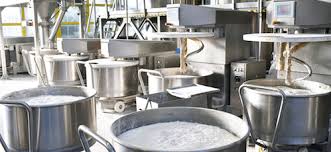
Food and beverage testing lab equipment evaluates the quality and integrity of food samples, ensuring safety and consistency. This article explores essential instruments used in food laboratories, commercial kitchen equipment, maintenance tools, and specialized devices, highlighting their roles in maintaining high standards in food production.
Understanding food processing equipment is vital for ensuring food safety and quality. From laboratory testing to large-scale commercial kitchens, the right tools enhance efficiency, safety, and eco-friendliness, meeting consumer demands for high-quality food products.
Read Also: How to Grow, Use and Care for Wiegand’s Sedge Grass (Carex wiegandii)
Food Quality Measurement Instruments
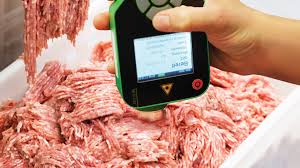
Food quality control is critical in food processing and preparation. Laboratories use specialized instruments to detect contaminants, verify nutritional content, and ensure compliance with safety standards. These tools help maintain consistency and protect consumer health.
A. Common Contaminants in Food
Food quality can be compromised by various factors. Laboratories test for these to ensure safety:
1. Pesticides: Chemical residues from agricultural practices.
2. Pathogens: Harmful microorganisms causing foodborne illnesses.
3. Heavy Metals: Toxic elements like lead or mercury.
4. Organic Toxins: Naturally occurring harmful substances.
5. Foreign Objects: Unintended materials contaminating food.
B. Key Testing Requirements
Beyond contaminants, food quality testing ensures compliance with regulations. Laboratories validate:
1. Nutritional Content: Verifying protein, fat, and vitamin levels.
2. Allergen Presence: Detecting allergens like gluten or nuts.
3. Adulteration and GMO Certification: Ensuring authenticity and compliance.
4. Shelf Life: Assessing product stability over time.
C. Laboratory Instruments
Several instruments are used to ensure food quality for solids and beverages:
1. Alcoholic Beverage Analysers: Measure alcohol content, density, color, and pH in drinks.
2. Carbonated Beverage Analysers: Assess density, sugar levels, and CO2 content.
3. Food Analysis Equipment: Detect fat, protein, oil, and gluten levels in samples.
4. Pesticide Detection Instruments: Identify pesticide residues in food.
D. Advanced Testing Tools
Specialized equipment enhances testing accuracy without altering samples:
1. Electron Spin Resonance Spectrometers: Test product purity non-destructively.
2. Cell and Colony Counters: Measure microorganism colonies on agar plates.
3. Incubators: Provide controlled environments for safety testing.
4. Chemical Imaging Systems: Analyze samples using near-infrared or Raman spectroscopy.
E. Additional Analytical Devices
Other tools provide precise measurements for specific parameters:
1. Magnetic Analysers: Detect low iron levels in food samples.
2. Moisture Analysers: Determine moisture content via evaporation or spectroscopy.
3. Polarimeters: Measure sugar concentrations through light polarization.
4. Refractometers: Assess salinity and sugar content via light refraction.
F. Specialized Measurement Tools
These instruments focus on fluid properties and chemical analysis:
1. Rheometers & Viscometers: Measure fluid viscosity and elasticity.
2. Saccharimeters: Determine sugar concentrations in solutions.
3. Titration Equipment: Analyze substance concentrations through acid/base reactions.
4. Other Equipment: Includes ovens, centrifuges, water baths, and dry baths.
Commercial Kitchen Equipment

Commercial kitchens require robust, efficient equipment to serve large numbers of consumers. These tools must be durable, eco-friendly, and easy to operate, ensuring high productivity while maintaining food quality and safety.
A. Key Features of Kitchen Equipment
Commercial kitchen equipment is designed for high performance:
1. Durability: Built to withstand heavy use.
2. Energy Efficiency: Consumes less electricity for cost savings.
3. Eco-Friendliness: Reduces environmental impact.
4. Ease of Use: Simplifies operation for kitchen staff.
B. Types of Cooking Equipment
Various equipment supports diverse cooking tasks:
1. Burners: Used for cooking, boiling, and steaming, available in LPG or electric models.
2. Cooking Ranges: Versatile for cooking, frying, boiling, grilling, and baking.
3. Ovens: Support cooking, baking, roasting, and browning with various models.
C. Cooking Range Variants
Cooking ranges come in two main types for different needs:
1. Restaurant Range: Cost-effective, ideal for lower food volumes, standalone.
2. Heavy Duty Range: Expensive, suited for high-volume production, can be banked.
3. Burner Configurations: Typically feature 4 to 8 burners based on food volume.
D. Oven Types
Ovens vary by design and function to meet production demands:
1. Rack Oven: Stacked racks for baking breads, cookies, and croissants.
2. Deck Oven: Cooks meats evenly, available in baking and pizza variants.
3. Tunnel Oven: Offers direct or indirect heat for high-temperature baking.
Maintenance Equipment
Maintenance equipment ensures hygiene and efficiency in commercial kitchens. These tools streamline cleaning processes, reducing manual effort and maintaining high sanitation standards.
A. Dishwashers
Dishwashers automate cleaning for large-scale operations:
1. Door-Type Dishwasher: Cleans 50 to 125 dish racks, ideal for large kitchens.
2. Under-Counter Dishwasher: Compact, fits under kitchen platforms for smaller spaces.
B. Importance of Maintenance
Proper maintenance equipment supports kitchen operations:
1. Hygiene: Ensures clean dishes and utensils.
2. Efficiency: Reduces manual cleaning time.
3. Consistency: Maintains sanitation standards across operations.
Read Also: How to Grow, Use and Care for Whitetop Sedge Grass (Rhynchospora colorata)
Special Equipment in Commercial Kitchens
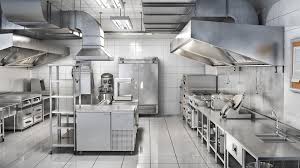
Specialized tools enhance efficiency in specific tasks, making commercial kitchens more versatile and productive. These devices cater to niche preparation needs.
A. Nut Crackers
Nut crackers simplify processing hard-shelled nuts:
1. Functionality: Crack almonds, walnuts, hazelnuts, and more.
2. Additional Features: Some shell seeds or peel nuts like peanuts.
B. Shredders
Shredders aid in food preparation for specific dishes:
1. Purpose: Cut fruits and vegetables into fine, string-like pieces.
2. Applications: Ideal for salads and vegetarian cookery.
C. Kitchen Knives
Knives are essential for precise cutting tasks:
1. Paring Knife: For fine cutting and peeling small fruits.
2. Utility Knife: General-purpose cutting and scraping.
3. Steak Knife: Designed for cutting steaks.
4. Santoku Knife: For cutting, dicing, and mincing.
D. Specialized Knives
Additional knives cater to specific cutting needs:
1. Chef’s General Knife: Multi-purpose for vegetables, fruits, and meats.
2. Serrated Knife: Slices bread, tomatoes, and capsicums.
3. Boning/Filleting Knives: Run along bones for smooth filleting.
4. Carving Knife: Ensures neat, accurate slicing.
E. Unique Cutting Tools
These tools enhance presentation and efficiency:
1. Slicing Knife: Finely slices fruits and vegetables.
2. Turning Knife: Carves vegetables into unique shapes.
3. Cleaver: Cuts through large meat pieces like pork and beef.
Frequently Asked Questions
1. What is the purpose of food quality measurement instruments?
They evaluate food safety, nutritional content, and compliance with regulations, detecting contaminants like pesticides and verifying allergen presence.
2. How do commercial kitchen burners differ from home burners?
Commercial burners are more robust, often use LPG or electricity, and come in open, mesh, or flat-top designs for high-volume cooking.
3. What are the benefits of using a dishwasher in a commercial kitchen?
Dishwashers save time, ensure hygiene, and handle large volumes of dishes, with door-type and under-counter models for different needs.
4. Why are cooking ranges versatile in commercial kitchens?
They support multiple functions like frying, boiling, grilling, and baking, with 4 to 8 burners to handle varying food volumes.
5. What role do ovens play in commercial food production?
Ovens cook, bake, roast, and brown foods, with models like rack, deck, and tunnel ovens designed for specific tasks.
6. How do specialized knives improve kitchen efficiency?
Knives like Santoku, cleaver, and turning knives cater to specific cutting tasks, enhancing precision and presentation in food preparation.
7. What is the function of a moisture analyser in food testing?
It measures the percentage of moisture in food samples, using evaporation or spectroscopy to ensure quality and shelf life.
8. Why are eco-friendly kitchen equipment important?
Eco-friendly equipment reduces energy consumption and environmental impact while maintaining durability and efficiency in food production.
Do you have any questions, suggestions, or contributions? If so, please feel free to use the comment box below to share your thoughts. We also encourage you to kindly share this information with others who might benefit from it. Since we can’t reach everyone at once, we truly appreciate your help in spreading the word. Thank you so much for your support and for sharing!