


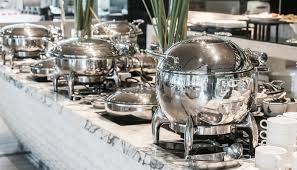
The foodservice industry thrives on creating memorable customer experiences. A customer’s first impression of a service area can significantly impact their decision to return. This article explores the critical elements of food serving areas, equipment selection, and operational efficiency in foodservice establishments to ensure seamless service and customer satisfaction.
Effective design and management of service areas are vital for operational success. From the ambiance created by décor to the functionality of back-of-house operations, every detail matters. This article outlines the factors influencing equipment choices, the roles of front- and back-of-house areas, and the importance of well-equipped stillrooms and hotplates.
The article also covers staffing, provisioning, and control measures that enhance efficiency. By understanding these components, foodservice operators can optimize their establishments for both staff performance and customer experience, ensuring a harmonious and successful operation.
Read Also : Proper Irrigation and Drainage Guide
Creating an Inviting Front-of-House Experience
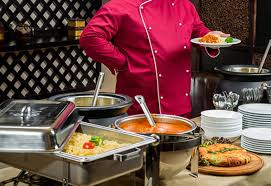
The front-of-house service areas are the face of a foodservice establishment. These spaces, bustling during service periods, require thoughtful design to create a welcoming atmosphere. A customer’s first impression, shaped by décor, furnishings, and equipment, can determine their loyalty.
Well-chosen elements enhance the overall theme and harmony. The right selection of furniture and equipment in terms of shape, design, and color is crucial. These choices not only influence aesthetics but also contribute to the operational efficiency of the service area.
A. Factors Influencing Furniture and Equipment Selection
Selecting appropriate furniture and equipment is critical for success. Several factors guide these decisions to ensure functionality and appeal.
1. Type of Clientele Expected: The target customer base influences choices. For example, family-friendly venues may prioritize durable, easy-to-clean furniture, while upscale restaurants focus on elegance.
2. Location and Layout: The site and layout of the establishment dictate equipment size and arrangement. Compact spaces require stackable or multi-functional items to maximize space.
3. Type of Service Offered: The service style, such as buffet or fine dining, determines equipment needs. For instance, buffets require large serving platters, while fine dining needs refined tableware.
4. Budget and Maintenance: Available funds and ease of maintenance are key. Durable, low-maintenance items reduce long-term costs, while stackable designs save storage space.
B. Enhancing Customer Experience
The ambiance created by well-selected items significantly impacts customers. A cohesive design fosters a sense of harmony, making the dining experience memorable.
1. Design and Color Choices: Equipment design and color should align with the establishment’s theme. Coordinated aesthetics create a visually appealing environment that resonates with customers.
2. Psychological Impact: The choice of furnishings can influence customer mood. Warm colors and comfortable seating encourage relaxation, enhancing the overall dining experience.
3. Flexibility and Durability: Flexible, durable equipment adapts to various service needs and withstands heavy use, ensuring long-term reliability and customer satisfaction.
Optimizing Back-of-House Operations
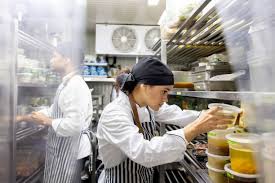
Back-of-house service areas, such as the stillroom, hotplate, and wash-up, are the backbone of a foodservice operation. These areas ensure smooth coordination between kitchen and service staff, facilitating efficient service.
Well-designed back-of-house layouts are essential for seamless workflow. These areas act as critical links between food preparation and service, requiring close staff collaboration and well-organized equipment to maintain efficiency.
A. The Role of the Stillroom
The stillroom handles food and beverage items not provided by the kitchen, larder, or pastry departments. Its role varies based on the establishment’s size and menu offerings.
1. Provisioning Needs: The stillroom dispenses beverages like coffee, tea, and juices, as well as items like butter, preserves, and cereals, often in pre-portioned formats for control.
2. Equipment Requirements: Essential equipment includes refrigerators, beverage-making facilities, dishwashers, and storage spaces for crockery, glassware, and dry goods to ensure proper storage and presentation.
3. Staffing and Supervision: A stillroom supervisor oversees operations, managing staff rosters and supply orders. Shift-based staffing ensures the stillroom remains operational throughout service periods.
B. The Hotplate: A Critical Junction
The hotplate, or pass, is where service and kitchen staff collaborate closely. It ensures meals are delivered efficiently and at the right temperature.
1. Equipment and Preparation: The hotplate stocks crockery like soup plates, fish plates, and platters, heated in advance using gas or electric systems for immediate service.
2. Role of the Aboyeur: The aboyeur, or barker, manages the hotplate, coordinating orders and ensuring menu availability. They use specific terminology to communicate with kitchen staff effectively.
3. Order Coordination: The aboyeur ensures timely preparation by calling orders to the kitchen, using clear communication to avoid delays and maintain service flow.
C. Efficient Wash-Up Processes
The wash-up area is crucial for maintaining cleanliness and efficiency. Proper organization ensures quick turnover of equipment, supporting seamless service.
1. Dish Stacking and Sorting: Servers stack plates and tableware correctly, separating glassware and disposing of debris to streamline the washing process.
2. Recycling and Waste Management: Used paper items like napkins and doilies are placed in separate bins to ensure proper recycling and waste management.
3. Strategic Location: The wash-up area is ideally located near the stillroom entry, allowing servers to deposit dirty items efficiently before returning to service areas.
Read Also : Concept, Definition and Principles of Irrigation Farming
Streamlining Control and Communication

Effective control measures and clear communication are vital for operational efficiency. From stillroom provisioning to hotplate coordination, systems must be in place to manage resources and ensure smooth service.
Control systems, such as requisitions and electronic point-of-sale (EPOS) systems, help track inventory and sales. Clear communication, often using standardized kitchen terminology, ensures staff coordination and minimizes delays.
A. Inventory and Provision Control
Controlling the issuance of goods from the stillroom is essential to reduce waste and maintain efficiency.
1. Requisition Process: Bulk items like butter and preserves require a supervisor-signed requisition before issuance, ensuring accountability and controlled distribution.
2. Waiter’s Check System: Beverages like tea and coffee are dispensed based on waiter checks, ensuring accurate portioning and minimizing overstocking.
3. EPOS Integration: Modern EPOS systems streamline order tracking, sending electronic orders directly to kitchen sections and aiding in sales and revenue control.
B. Hotplate Communication
The hotplate relies on clear communication to ensure timely service. Standardized terminology helps staff coordinate effectively across departments.
1. Specialized Kitchen Terms: Terms like “Ca marche trois couverts” (three covers) or “Depechez-vous” (hurry up) facilitate quick and precise communication between the aboyeur and kitchen staff.
2. Language Standardization: Many establishments use a single language, such as English in the UK, to ensure clarity among a multinational workforce.
3. Order Accuracy: The aboyeur verifies orders against menu availability, ensuring no delays and that dishes are prepared and presented as required.
Frequently Asked Questions
1. What is the role of the front-of-house service area?
The front-of-house area is where customers dine and form their first impressions. It requires thoughtful design, including décor and furniture, to create a welcoming atmosphere and ensure operational efficiency during busy service periods.
2. Why is the stillroom important in a foodservice operation?
The stillroom provides essential food and beverage items not handled by the kitchen, such as coffee, tea, and preserves. It ensures proper storage, preparation, and presentation, supporting smooth service across the establishment.
3. What equipment is typically found in a stillroom?
Stillroom equipment includes refrigerators, beverage-making facilities, dishwashers, toasters, and storage for crockery, glassware, and dry goods, ensuring efficient preparation and presentation of food and beverages.
4. How does the hotplate contribute to efficient service?
The hotplate, or pass, is the meeting point for service and kitchen staff. It ensures meals are delivered hot and on time, with the aboyeur coordinating orders and maintaining communication to avoid delays.
5. What is the role of the aboyeur in foodservice?
The aboyeur, or barker, manages the hotplate, coordinates orders between the kitchen and service staff, checks menu availability, and uses specific terminology to ensure timely preparation and delivery of dishes.
6. How are goods controlled in the stillroom?
Goods are controlled through requisitions signed by supervisors for bulk items and waiter checks for beverages. EPOS systems also track orders, reducing waste and ensuring accurate inventory management.
7. Why is wash-up area placement important?
The wash-up area should be near the stillroom entry for quick access. This allows servers to efficiently deposit dirty plates and tableware, ensuring a fast turnover of equipment during service.
8. How does communication impact foodservice efficiency?
Clear communication, using standardized terms and a single language, ensures coordination between kitchen and service staff. This minimizes delays, enhances order accuracy, and improves overall service quality.
Do you have any questions, suggestions, or contributions? If so, please feel free to use the comment box below to share your thoughts. We also encourage you to kindly share this information with others who might benefit from it. Since we can’t reach everyone at once, we truly appreciate your help in spreading the word. Thank you so much for your support and for sharing!