


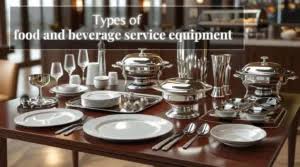
Creating an inviting and efficient food service environment is crucial for any establishment. The design, equipment, and organization of service areas significantly impact customer satisfaction and operational success. This article explores key aspects of food service areas and the equipment needed to ensure seamless operations.
From front-of-house to back-of-house areas, every element plays a vital role. Proper selection of furniture, equipment, and staff coordination enhances the customer experience. This guide provides insights into creating a harmonious and functional food service operation.
Creating a Welcoming Atmosphere
The first impression a customer forms upon entering a service area is critical. A well-designed atmosphere can attract and retain customers. The right choice of décor, furnishings, and equipment is essential to achieve this.
Careful selection of items in terms of shape, design, and color enhances the overall theme. This contributes to a feeling of total harmony. A cohesive aesthetic elevates the dining experience and reflects the establishment’s identity.
A. Factors Influencing Furniture and Equipment Choices
Several factors determine the selection of furniture and equipment for a service area. These factors ensure functionality and alignment with the establishment’s goals. Below are key considerations:
1. Type of Clientele Expected: Understanding the target audience influences furniture style and equipment needs. For example, upscale dining requires elegant designs, while casual settings prioritize comfort.
2. Site and Location: The establishment’s location impacts design choices. Urban settings may favor modern aesthetics, while rural venues might opt for rustic themes.
3. Layout of Service Area: The physical layout dictates equipment placement and furniture arrangement. Efficient use of space ensures smooth staff movement and customer comfort.
4. Type of Service Offered: The service style, such as buffet or à la carte, determines equipment needs. For instance, buffet setups require more serving stations.
5. Available Funds: Budget constraints guide the selection of durable yet cost-effective items. Balancing quality and cost is key to long-term success.
B. Key Considerations for Equipment Selection
When purchasing equipment, several factors ensure suitability and efficiency. These considerations enhance operational flow and customer satisfaction. The following points are critical:
1. Flexibility and Durability: Equipment should be versatile and long-lasting. Items like stackable chairs or durable crockery reduce replacement costs.
2. Design and Color: Equipment should complement the overall décor. Consistent design elements create a cohesive look and enhance the customer experience.
3. Ease of Maintenance and Storage: Easy-to-clean and stackable items save time and space. Proper storage solutions prevent clutter and ensure accessibility.
4. Psychological Impact and Delivery Time: Equipment should positively influence customers’ perceptions. Timely delivery ensures readiness for service periods.
Front-of-House Service Areas
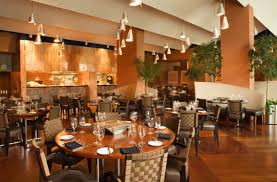
Front-of-house areas are the face of any food service establishment. These spaces, bustling during service periods, require careful design to ensure efficiency. Staff must be well-trained to perform duties effectively, enhancing the customer experience.
A well-designed front-of-house area facilitates smooth operations. Department heads must ensure staff understand their roles clearly. This clarity promotes efficiency and maintains high service standards.
A. Importance of Design
The design of front-of-house areas impacts both staff and customers. Thoughtful layouts improve workflow and customer satisfaction. Efficient design minimizes wait times and maximizes comfort.
Well-planned spaces allow staff to move seamlessly. This reduces delays and enhances service quality. Customers notice and appreciate a well-organized environment.
B. Staff Responsibilities
Staff in front-of-house areas must be clear about their duties. Proper training ensures tasks are performed efficiently. This leads to faster service and happier customers.
Department heads should monitor performance closely. Clear communication and role assignments prevent confusion. This ensures a smooth dining experience for all.
C. Operational Efficiency
Efficiency in front-of-house areas relies on proper equipment and layout. For example, well-placed service stations speed up order delivery. This keeps customers satisfied and operations running smoothly.
Staff coordination is vital during peak hours. A well-designed space supports quick and effective service. This enhances the overall dining experience.
Back-of-House Service Areas
Back-of-house areas, such as the stillroom, hotplate, and wash-up, are critical to operations. These areas act as the link between the kitchen and front-of-house. Effective design and organization ensure smooth workflow.
Close liaison between departments is essential. Staff from various areas meet here, requiring clear communication. Well-equipped and supervised back-of-house areas maintain operational efficiency.
A. Role of Back-of-House Areas
Back-of-house areas connect food preparation and service zones. They ensure seamless communication between kitchen and front-of-house staff. This coordination is vital for timely service.
These areas must be well-organized and efficient. Proper equipment and supervision prevent bottlenecks. This supports a consistent flow of service.
B. Key Back-of-House Areas
Several areas contribute to back-of-house operations. Each serves a specific function, ensuring smooth service. The following are critical components:
1. Stillroom: Provides beverages and supplementary food items. It supports the kitchen by handling items like tea, coffee, and pastries.
2. Hotplate (Pass): The meeting point for service and kitchen staff. It ensures food is ready and properly presented for service.
3. Wash-Up: Handles cleaning of dishes and tableware. Efficient wash-up areas maintain hygiene and equipment availability.
C. Importance of Layout
A well-designed layout ensures an even workflow. Staff can move quickly and efficiently between tasks. This reduces delays and improves service speed.
Proper equipment placement enhances functionality. For example, accessible storage in the stillroom speeds up beverage preparation. This supports overall efficiency.
The Stillroom
The stillroom is a vital back-of-house area, providing beverages and food items not handled by the kitchen. Its role varies based on the establishment’s size and menu. Efficient stillroom operations support seamless service.
Proper staffing and equipment are essential for stillroom functionality. A well-run stillroom ensures quick access to necessary items. This enhances the overall dining experience.
A. Staffing and Supervision
In large establishments, a stillroom supervisor oversees operations. They manage staff rosters to ensure coverage during service periods. This maintains consistent service quality.
The supervisor also handles supply ordering and control. Effective management prevents shortages and reduces waste. Staff may work in shifts to cover long operating hours.
B. Equipment Needs
The stillroom requires a range of equipment for efficient operation. Proper tools ensure proper storage, preparation, and presentation. The following are essential items:
1. Refrigerator: Stores milk, cream, butter, and juices. Proper storage maintains freshness and quality.
2. Beverage Facilities: Hot and cold beverage-making equipment, such as coffee machines, ensures quick service.
3. Dishwasher and Sink: A large dishwasher and double sink facilitate efficient cleaning. This ensures a steady supply of clean equipment.
4. Additional Equipment: Toasters, bread slicers, and storage cupboards support preparation and organization.
C. Provisions Dispensed
The stillroom dispenses a variety of food and beverage items. These items support meal service and enhance customer options. Common provisions include:
1. Beverages: Coffee, tea, chocolate, and fruit juices. These cater to diverse customer preferences.
2. Breakfast Items: Cereals, rolls, croissants, and pastries. Pre-portioned items reduce waste and ensure consistency.
3. Condiments and Spreads: Butter, preserves, and sugars. These are often provided in pre-wrapped portions for control.
D. Control Measures
Control measures ensure efficient use of stillroom resources. Proper procedures reduce waste and maintain inventory. The following methods are commonly used:
1. Requisition System: Bulk items require a signed requisition from a supervisor. This ensures accountability.
2. Waiter’s Check System: Beverages are dispensed based on waiter checks. This ensures accurate portioning and tracking.
Read Also: All You Need To Know About Animal Shelters
The Hotplate
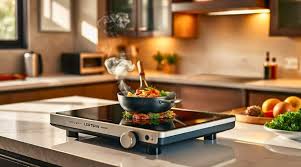
The hotplate, or pass, is the critical link between kitchen and service staff. It ensures food is ready for service promptly. Active cooperation between staff enhances efficiency.
The hotplate must be well-stocked with crockery and serving dishes. Proper heating ensures food is served at the right temperature. This maintains quality and customer satisfaction.
A. Role of the Aboyeur
The aboyeur, or barker, manages the hotplate during service. They coordinate orders and ensure timely preparation. This prevents delays in service.
The aboyeur uses an “off board” to track unavailable items. They also ensure legible orders and coordinate with kitchen sections. This ensures smooth operations.
B. Equipment and Stock
The hotplate requires specific crockery for meal service. Common items include:
1. Plates and Cups: Soup plates, joint plates, and consommé cups. These cater to various menu items.
2. Serving Dishes: Platters and flats for presenting food. These ensure proper portioning and presentation.
3. Heating Equipment: Gas or electric hotplates keep crockery warm. This ensures food is served at optimal temperatures.
C. Hotplate Terminology
Specialized terms ensure clear communication at the hotplate. These terms help staff coordinate efficiently. Examples include:
1. Le Service Va Commencer: Signals the start of service. This prepares the kitchen for action.
2. Ca Marche Trois Couverts: Indicates the number of covers, e.g., three. This helps the kitchen plan preparation.
3. Cooking Terms: Terms like “bleu” (rare) or “bien cuit” (well done) specify cooking preferences. This ensures accuracy.
Read Also: All You Need To Know About Sweet William Flowers
The Wash-Up
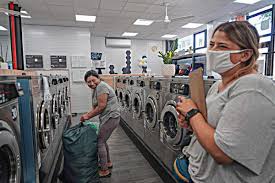
The wash-up area ensures hygiene and equipment availability. Efficient design allows staff to work quickly. Proper organization supports smooth operations.
Staff must stack trays correctly and separate glassware. Used paper items are sorted for recycling. This maintains cleanliness and efficiency.
A. Layout and Workflow
The wash-up should be the first stop for staff entering from service areas. Dirty plates are deposited and sorted. This streamlines the cleaning process.
Proper stacking and sorting reduce cleaning time. Wire baskets for tableware ensure readiness for washing. This maintains a steady supply of clean items.
B. Equipment Needs
The wash-up requires specific equipment for efficiency. Key items include:
1. Dishwasher: A large dishwasher handles high volumes. This ensures quick turnover of clean dishes.
2. Sinks and Draining Boards: Double sinks support manual washing. Draining boards facilitate drying.
3. Waste Bins: Separate bins for debris and paper ensure proper disposal. This supports recycling efforts.
C. Staff Responsibilities
Staff must follow proper procedures in the wash-up. Correct stacking and sorting prevent delays. This ensures equipment is ready for reuse.
Supervisors monitor the wash-up to maintain standards. Clear guidelines ensure hygiene and efficiency. This supports overall operational success.
Frequently Asked Questions
1. What is the role of the stillroom in a food service operation?
The stillroom provides beverages and supplementary food items not handled by the kitchen. It supports meal service by dispensing items like tea, coffee, and pastries, ensuring quick access.
2. Why is the hotplate important in food service?
The hotplate is the meeting point for kitchen and service staff. It ensures food is prepared and presented promptly, maintaining service efficiency and customer satisfaction.
3. What factors influence equipment selection for service areas?
Factors include the type of clientele, location, service style, layout, and available funds. Equipment must be durable, flexible, and aligned with the establishment’s aesthetic.
4. How does the aboyeur contribute to efficient service?
The aboyeur manages the hotplate, coordinates orders, and ensures timely preparation. They use clear communication and an “off board” to prevent delays and maintain service flow.
5. What equipment is essential in the stillroom?
Key equipment includes refrigerators, beverage-making facilities, dishwashers, sinks, toasters, and storage cupboards. These ensure proper storage, preparation, and presentation of items.
6. How are provisions controlled in the stillroom?
Provisions are controlled through requisitions for bulk items and waiter checks for beverages. These systems ensure accurate dispensing, reduce waste, and maintain inventory.
7. Why is the wash-up area critical for operations?
The wash-up ensures hygiene and equipment availability. Efficient design and proper sorting allow quick cleaning, supporting a steady supply of clean dishes for service.
8. How does layout impact back-of-house efficiency?
A well-designed layout ensures smooth workflow and staff coordination. Proper equipment placement and organization reduce delays and enhance service speed in back-of-house areas.
Do you have any questions, suggestions, or contributions? If so, please feel free to use the comment box below to share your thoughts. We also encourage you to kindly share this information with others who might benefit from it. Since we can’t reach everyone at once, we truly appreciate your help in spreading the word. Thank you so much for your support and for sharing!