



Food service management begins with the menu, which significantly influences all restaurant operations. The menu shapes the restaurant’s image, as customers often categorize establishments by the primary type of food served. This model outlines the natural progression of responsibilities for managers and owners, starting with menu development, which dictates purchasing requirements, followed by processes ensuring food reaches the customer.
Read Also: Pincushion Flowers (Scabiosa Spp): Complete Growing and Care Guide
Menu Development and Its Role
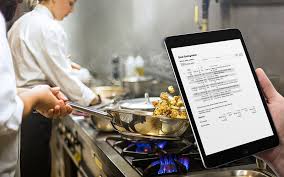
The menu not only determines required resources and their allocation but also serves as a critical marketing tool, being the most powerful marketing device available to a restaurant or food service operator.
It lists the restaurant’s product offerings, acting as a contract with the customer, ensuring that what is described is delivered. A well-designed, priced, and presented menu boosts sales of specialty items while complementing the facility’s atmosphere. Several factors impose constraints on menu planning, including:
i. Equipment Availability: Appropriate equipment must be available to produce all menu items.
ii. Space Requirements: Ample space is needed for equipment arrangement, receiving, storing, and serving.
iii. Labor Needs: Sufficient employees with the necessary skills must be available to produce menu items.
Read Also: Economic Importance, Uses, and By-Products of Mushroom Gills
iv. Ingredient Availability: Ingredients should be readily available at costs aligning with anticipated product selling prices.
v. Layout and Design Efficiency: Equipment and space layout should not hinder employee workflow or efficiency.
vi. Time Management: Timing of menu item production must be carefully managed.
vii. Cost Considerations: All factors translate into costs, requiring menu planners to be cost-conscious to avoid additional expenses, as menu item prices are influenced by these costs.
To encourage repeat customers, menus must continuously improve, offering variety in cooking methods and flavor profiles, as “variety is the spice of life.” While experimenting with diverse foods and flavors, nutritional considerations are crucial.
Chefs or cooks bear the responsibility of minimizing fat and sodium to promote public health. Consumer demand for health-conscious options has led restaurants to add items appealing to diet- and nutrition-conscious customers and adjust preparation methods accordingly
Do you have any questions, suggestions, or contributions? If so, please feel free to use the comment box below to share your thoughts. We also encourage you to kindly share this information with others who might benefit from it. Since we can’t reach everyone at once, we truly appreciate your help in spreading the word. Thank you so much for your support and for sharing!