



The food and beverage service sector plays a vital role in the hospitality industry, contributing significantly to profitability. This article explores food production methods, service facilities, and the critical planning required for a successful catering operation, ensuring compliance with hygiene standards and customer satisfaction.
Effective planning of food service facilities is essential for long-term success. Decisions made at the initial stage, such as selecting the appropriate production and service model, determine the operation’s ability to meet market demands while adhering to food safety regulations.
Food and Beverage Production
Food and beverage services involve preparing, presenting, and serving food and drinks to customers. The production phase is a critical component of the food flow, from purchasing raw materials to delivering the final product to the customer.
A. Defining Food Production
Food production involves processing raw, semi-prepared, or prepared foodstuffs. This phase focuses on transforming ingredients into ready-to-serve meals, ensuring quality and consistency for the customer.
B. Beverage Production
Beverage production entails processing raw or prepared beverage products into a ready-to-serve state. This includes everything from mixing cocktails to brewing coffee, tailored to customer preferences.
C. Production and Service Integration
The line between production and service is often blurred. Deciding where production ends and service begins is determined during the initial planning, based on the target market and type of catering facility.
D. Importance of Initial Planning
1. Market Alignment: The production method must align with the target market’s needs, ensuring the facility meets customer expectations.
2. Regulatory Compliance: The chosen model must comply with food hygiene regulations, often requiring consultation with an Environmental Health Officer (EHO).
3. Long-Term Success: Proper planning avoids costly mistakes, ensuring the facility is sustainable and efficient over time.
Read Also : Guide to Proper Fish Pond Construction
HACCP in Food Service

Hazard Analysis and Critical Control Point (HACCP) is a systematic approach to identifying and controlling food safety hazards. It is essential for ensuring the safety of food and beverage operations in any catering facility.
HACCP involves a structured process to manage risks, ensuring compliance with safety standards. Each establishment must conduct a tailored hazard analysis to identify potential risks specific to its operations.
A. The Seven Principles of HACCP
The HACCP system is built on seven principles to ensure food safety in restaurants and food service facilities. Using a chicken cooking process as an example, these principles are:
1. Conduct a Hazard Analysis: Identify potential food safety hazards, such as Salmonella in raw chicken, that could cause illness if not controlled.
2. Determine Critical Control Points (CCPs): Identify steps, like cooking, where hazards can be prevented or reduced to safe levels.
3. Establish Critical Limits: Set minimum and maximum limits, such as cooking chicken to 165°F for 15 seconds, to ensure safety.
4. Establish Monitoring Procedures: Use tools like temperature probes to ensure critical limits are met consistently.
5. Establish Corrective Actions: Address deviations, such as continuing to cook chicken if it doesn’t reach 165°F, and document actions.
6. Establish Verification Procedures: Use checklists and reviews to confirm the HACCP system is effective.
7. Establish Record-Keeping: Document all processes, including hazard analyses, temperature logs, and corrective actions, for compliance.
B. Role of the Environmental Health Officer
Consulting the local EHO during planning fosters compliance with regulations. The EHO provides guidance on hazard analysis and record-keeping tailored to the specific operation.
C. Importance of Detailed Records
Maintaining detailed records, such as temperature logs and supplier invoices, ensures transparency and compliance with food safety standards, protecting both customers and the business.
D. Continuous Monitoring
Continuous monitoring, ideally through electronic systems, ensures that critical limits are consistently met, reducing the risk of food safety violations.
Planning Food Service Facilities
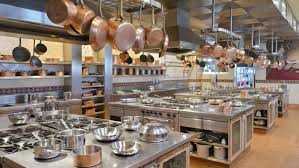
Planning a food service facility is a complex process due to the unique characteristics of food and beverage operations. Effective planning integrates multiple processes to create a cohesive and efficient system.
The success of a food service facility hinges on careful planning, which accounts for material perishability, customer diversity, and compliance with safety standards, ensuring operational efficiency.
A. Unique Characteristics of Food Service
1. Variety of Raw Materials: Facilities must handle a wide range of raw, semi-prepared, and prepared products with varying perishability.
2. Fast Turnover: Some foods are delivered, prepared, and served within hours, requiring efficient processes.
3. Customer Interaction: Customers typically consume food on-site, necessitating a well-designed service area.
4. Diverse Production Methods: Facilities may employ multiple production and service methods to cater to varied customers.
B. Key Considerations in Planning
1. Cost Control: Allocate funds wisely for building, furnishings, and equipment to avoid long-term financial strain.
2. Temperature Control: Ensure proper hot and cold food holding systems to maintain quality and safety.
3. Efficient Design: Plan layouts to minimize material handling and enhance employee productivity.
C. Consequences of Poor Planning
Poorly planned facilities face high running costs, reduced food quality, inefficient labor use, and lack of customer acceptance, leading to operational shortfalls.
D. Flexibility in Design
Incorporating flexibility during planning allows facilities to adapt to future changes, reducing costs and easing transitions over time.
Read Also : Methods of Fish Fecundity Determination
Objectives of a Catering Facility
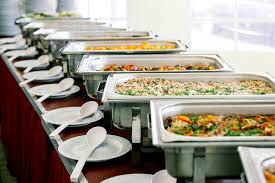
The primary goal of a catering facility is to provide a service tailored to a specific market segment. This requires clear objectives to ensure customer satisfaction and operational efficiency.
A well-defined set of objectives guides the planning and operation of a catering facility, ensuring alignment with market needs and regulatory requirements.
A. Customer Appeal
1. Market Segmentation: Identify and cater to a specific market segment to meet customer expectations.
2. Tailored Design: Plan the facility to appeal to the target audience, enhancing their dining experience.
3. Customer Satisfaction: Focus on delivering high-quality food and service to build loyalty.
B. Cost Control
Effective cost management, from initial planning to daily operations, ensures profitability while maintaining quality standards across food, labor, and utilities.
C. Facilitate Production and Service
Ergonomic design of production and service areas improves efficiency, ensuring seamless operations in both the kitchen and dining spaces.
D. Hygiene and Safety Standards
Incorporate hygiene and safety measures into the planning phase to protect customers and employees, ensuring compliance with regulations.
E. Labour Utilization and Management
1. Efficient Layouts: Design areas to maximize employee productivity and reduce labor costs.
2. Feedback Systems: Implement systems to provide management with data for informed decision-making.
3. Cleaning and Maintenance: Plan for easy cleaning and maintenance to uphold safety and sanitary standards.
Frequently Asked Questions
1. What is the role of HACCP in food service facilities?
HACCP is a systematic approach to identifying and controlling food safety hazards, ensuring compliance with regulations and protecting customers from risks like contamination.
2. Why is initial planning critical for food service facilities?
Initial planning aligns the facility with market needs, ensures regulatory compliance, and prevents costly mistakes, setting the foundation for long-term success.
3. How does an Environmental Health Officer (EHO) assist in planning?
The EHO provides guidance on food hygiene regulations, hazard analysis, and record-keeping, fostering compliance and a strong working relationship.
4. What are critical control points (CCPs) in HACCP?
CCPs are steps in the food production process, like cooking, where hazards can be prevented or reduced to ensure food safety.
5. Why is flexibility important in food service facility design?
Flexibility allows facilities to adapt to future changes, reducing costs and easing transitions during operational updates or expansions.
6. How can food service facilities control costs effectively?
Cost control involves wise allocation of funds for building, equipment, and daily operations like food, labor, and utilities to ensure profitability.
7. What is the significance of customer appeal in catering facilities?
Customer appeal ensures the facility meets the needs of a specific market segment, enhancing satisfaction and fostering loyalty through tailored services.
8. How does ergonomic design improve food service operations?
Ergonomic design optimizes layouts for production and service areas, improving efficiency, reducing labor costs, and enhancing the overall customer experience.
Do you have any questions, suggestions, or contributions? If so, please feel free to use the comment box below to share your thoughts. We also encourage you to kindly share this information with others who might benefit from it. Since we can’t reach everyone at once, we truly appreciate your help in spreading the word. Thank you so much for your support and for sharing!