


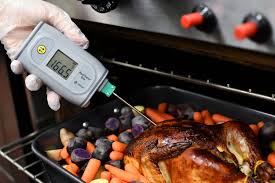
Controlling food temperature is vital to serving and consuming safe food. It is important to know the temperature of foods at all times, especially those that are susceptible to harboring potentially harmful pathogens.
The temperature danger zone ranges from 41 to 140 degrees Fahrenheit. This range is ideal for pathogens to reproduce exponentially. Food temperature control violations are among the most common critical item violations marked on restaurant inspections by agents or monitoring teams of NAFDAC officials.
This is because many foods are subject to temperature control, and there are numerous opportunities or circumstances for things to go wrong.
According to the National Food Service Management Institute, the FDA (Food and Drug Administration, in the United States of America) food code suggests that food is safe to be left within the temperature danger zone range for 4 hours before it spoils, including the time it may have spent during transit or waiting to be stored.
Controlling food temperature is indeed vital, and this can be achieved through careful management of temperatures in the kitchen, both in restaurants and at home. This can go a long way in helping to prevent foodborne illnesses.
Read Also: Cold Weather Poultry Diseases and How to Manage them
Temperature Control Requirements for Food Safety
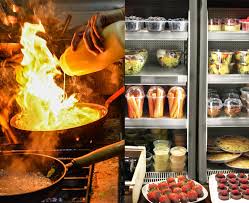
When it comes to temperature control requirements, the first question that arises is, “Which foods require temperature control?” To address this, foods are divided into two main groups: (i) potentially hazardous foods and (ii) foods that are not potentially hazardous.
Potentially hazardous foods are foods that might contain food poisoning bacteria and are capable of supporting the growth of these bacteria or the formation of toxins (poisonous chemicals produced by some types of bacteria) to levels that are unsafe for consumers if the foods are not stored or kept under temperature control.
This means that these foods must be stored at correct temperatures. Potentially hazardous foods include the following:
- Seafood (excluding live seafood)
- Cooked rice and pasta
- Foods containing eggs, beans, nuts, or other protein-rich foods like soy products
- Raw and cooked meat or foods containing meat, such as casseroles and curries
- Dairy products, e.g., milk, custard, and dairy-based desserts
- Processed fruits/vegetables, e.g., salads
Foods that are not potentially hazardous do not contain food poisoning bacteria. Many preserved foods may be found in this group.
Bacteria will not grow in some types of food; examples include canned and bottled food, dried fruit, salted dried meats, fermented dried meats, yogurts, hard cheeses, spreads, some sauces, dried pasta, breads, and dried foods.
On the other hand, some foods that are not potentially hazardous can become potentially hazardous if altered in some ways.
For example, dry custard powder is not potentially hazardous, but when milk or water is mixed with the powder to make custard, the custard becomes potentially hazardous. Some foods may not be potentially hazardous but need refrigeration to prevent spoilage and becoming hazardous.
Careful Management of Food Temperature
Proper temperature management is one of the fundamental five principles of safe food service, which include clean hands, clean service, clean food, and healthy personnel. Careful management of temperature is critical in preventing food contamination.
Cold temperatures slow or stop the growth of germs, while heat kills them. Cold food should be kept cold; hot foods should be kept hot. Prepared food should never be left standing at room temperature except during necessary periods of preparation and service.
Below are several ways by which food temperature can be managed to prevent contamination and to ensure the best quality from the food.
1. Rapid Cooling to 41 Degrees Fahrenheit or Less
Foods that are cooked and then cooled must transition from 135 degrees down to 41 degrees Fahrenheit quickly to prevent bacterial growth. The temperature range of 41 to 135 degrees is known as the danger zone, as it is the range in which bacteria can grow. Temperatures below 41 degrees are too cold for bacteria to reproduce, and temperatures above 135 degrees are too hot.
When cooling foods after cooking, there is a time frame of 2 hours for food to go from 135 down to 70 degrees and an additional 4 hours to get from 70 down to 41 degrees.
Kitchen workers can speed up this process by breaking food into smaller or thinner portions, using an ice bath, leaving lids off during cooling, and employing other methods.
When large quantities of food are left sitting for extended periods at room temperature and then placed in a container to cool in the refrigerator, the food may harbor bacteria after several hours.
2. Rapid Reheating to 165 Degrees Fahrenheit or Greater
When reheating, the quickest methods are usually the microwave, an oven at a higher temperature, the stove, or the grill. The reheating process reduces the amount of time food spends in the danger zone (41 to 135 degrees Fahrenheit).
The final temperature of 165 degrees is reached to ensure any bacteria that may have grown during the cooling or reheating process are killed, as 165 degrees is hot enough to kill even the most stubborn bacteria. It is necessary for the cook or chef to heat foods to 165 degrees within a maximum of 2 hours; however, the faster, the better.
3. Hot Holding at 135 Degrees Fahrenheit or Greater
Once a food has reached its proper cooking temperature, such as 165 degrees for reheated foods, it needs to be hot-held at a temperature of 135 degrees Fahrenheit or greater. The proper cooking temperature will kill any bacteria that may have been present in the food, and hot holding at or above 135 degrees will prevent new bacteria from growing on the food.
4. Required Cooking Temperatures for Different Foods
Certain foods have different required cooking temperatures to ensure they are safe to eat. These temperatures are based on the bacteria associated with each food; for example, E. coli found in beef and vegetables and Salmonella or Campylobacter found in chicken.
These foods need to be cooked to 165 degrees Fahrenheit to destroy these bacteria. An internal temperature of 165 degrees will kill all foodborne bacteria, but it is important to know the proper cooking temperature for each food to avoid overcooking. Below are suggested proper cooking temperatures:
- Poultry: 165°F
- Ground Beef: 155°F
- Pork: 145°F
- Eggs/Fish: 145°F
- Rare Roast Beef: 130°F
5. Cold Holding at 41 Degrees Fahrenheit or Less
Foods held under refrigeration need to be maintained at 41 degrees Fahrenheit or less to prevent bacterial growth. Refrigeration temperatures are a main focus during restaurant inspections, and close attention should be paid to them at home as well.
A thermometer should be kept in the refrigerator to ensure the unit is holding 41 degrees or less. In addition to safer food, colder temperatures also help prolong shelf life.
5. Use of Food Thermometers
A food thermometer is the only sure way to check food temperatures and is the only way to know if a restaurant or home kitchen is in compliance with proper cooking, cooling, cold holding, and hot holding temperatures discussed above. Food thermometers are available at grocery stores. It is important that restaurants have these thermometers to check food temperatures.
6. Adequate Equipment for Maintaining Food Temperatures
A violation of this section means that a facility does not have enough refrigeration or hot-holding equipment for the foods being served. This can result from equipment that has broken down and has not been fixed or from an expansion of the menu (more food or perhaps an additional meal, such as adding breakfast service).
This determination is made if foods are sitting out at room temperature because there is insufficient space in the coolers or hot-holding devices.
Read Also: Layers or Broilers which One is More Profitable in Poultry Farming? Find Out!
Role of Temperature in Ensuring Food Safety
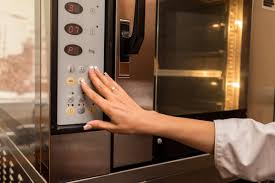
Bacteria exist everywhere in nature. They are in the soil, air, water, and the foods eaten. When bacteria have nutrients (food), moisture, time, and favorable temperatures, they grow rapidly, increasing in numbers to the point where some cause illness.
Understanding the important role temperature plays in keeping food safe is critical. Knowing the temperature at which food has been handled helps determine whether it is safe.
1. The Temperature Danger Zone (40°F to 140°F)
Bacteria grow most rapidly in the range of temperatures between 40 degrees and 140°F, doubling in number in as little as 20 minutes. This range of temperatures is often called the “Danger Zone.” Food should never be left out of refrigeration for over two hours. If the temperature is above 90°F, food should not be left out for more than 1 hour.
When transporting cold food to another location, an insulated container packed with plenty of ice, frozen gel packs, or another cold source should be used. It is always best to cook foods, cool them, and transport them cold.
2. Cooking for Food Safety
Raw meat and poultry should always be cooked to a safe minimum internal temperature. When roasting meat and poultry, an oven temperature no lower than 325°F should be used. A food thermometer must be used to ensure that meat and poultry have reached a safe minimum internal temperature.
- Cook all raw beef, pork, lamb, and veal steaks, chops, and roasts to a minimum internal temperature of 145°F as measured with a food thermometer before removing meat from the heat source.
- Cook all raw ground beef, pork, lamb, and veal to an internal temperature of 160°F as measured with a food thermometer.
- Cook all poultry to a safe minimum internal temperature of 165°F as measured with a food thermometer.
3. Storing Leftovers Safely
One of the most common causes of foodborne illness is improper cooling of cooked foods. Because bacteria are everywhere, even after food is cooked to a safe internal temperature, they can be reintroduced to the food and then reproduce. For this reason, leftovers must be placed in shallow containers for quick cooling and refrigerated within 2 hours.
4. Reheating Foods Safely
Foods should be reheated thoroughly to an internal temperature of 165°F or until hot and steaming. In the microwave oven, food should be covered and rotated to ensure even heating.
5. Cold Storage Temperatures for Food Safety
Properly handled food stored in a freezer at 0°F will be safe. Freezing keeps food safe by slowing the movement of molecules, causing bacteria to enter a dormant stage.
Once thawed, these bacteria can again become active and multiply to levels that may lead to foodborne illness. Because bacteria on these foods will grow at about the same rate as they would on fresh food, thawed foods should be handled as any other perishable food.
A temperature of 40°F should be maintained in the refrigerator. In contrast to freezer storage, perishable foods will gradually spoil in the refrigerator. Spoilage bacteria will make themselves known in a variety of ways. The food may develop an uncharacteristic odor, color, or become sticky or slimy.
Molds may also grow and become visible. Bacteria capable of causing foodborne illness either do not grow or grow very slowly at refrigerator temperatures. An appliance thermometer should always be used to verify that the temperature of the unit is correct.
Do you have any questions, suggestions, or contributions? If so, please feel free to use the comment box below to share your thoughts. We also encourage you to kindly share this information with others who might benefit from it. Since we can’t reach everyone at once, we truly appreciate your help in spreading the word. Thank you so much for your support and for sharing!