


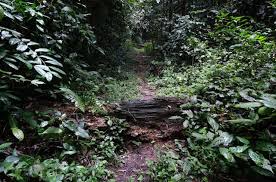
Forests in Nigeria are vital renewable natural resources, encompassing trees, shrubs, herbs, climbers, creepers, and grasses. These elements regenerate after harvesting, supporting ecological and economic needs. This article examines the availability, distribution, and potential of forest resources, highlighting their depletion and sustainable management.
Forests provide timber, fuelwood, and non-wood products like fruits and medicines, sustaining livelihoods and industries. However, deforestation and habitat loss threaten these resources, necessitating strategic conservation. Understanding Nigeria’s ecological zones and their climatic conditions is crucial for effective forest management and utilization.
Read Also: Goat Milk Production Complete Guide
Availability of Forest Resources
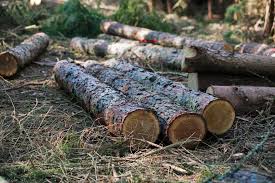
Nigeria’s land area spans 99 million hectares, but only 10% remains under forest reserve. Since 1979, forest land has steadily declined due to government policies and urban expansion. This reduction impacts tree species, herbs, and wildlife, diminishing their availability for economic and ecological purposes.
A. Extent of Forest Reserves
Forest reserves are shrinking rapidly across Nigeria. In Ondo State, 107.36 km² in Ore was converted to causal land. In Kano, 70 km² was cleared for Tiga Dam, and in Kogi, 183.89 km² in Ajaokuta was used for a steel complex.
1. Declining Forest Cover: Only 10% of Nigeria’s land remains forested, a sharp drop since 1979.
2. Regional Impacts: Specific regions like Ondo, Kano, and Kogi face significant forest loss.
3. Development Pressures: Infrastructure projects contribute to the reduction of forest reserves.
B. Causes of Deforestation
Deforestation, estimated at 14,000 km² between 1979 and 1995, continues at an alarming rate. Illegal felling, farming, and infrastructural developments are primary drivers. Native communities, displaced by government actions, often set fires, further accelerating forest and wildlife loss.
1. Illegal Felling: Unregulated tree cutting depletes valuable species like Iroko and Mahogany.
2. Agricultural Expansion: Farming activities encroach on forest lands, reducing cover.
3. Urban Development: Infrastructure projects convert forest areas into industrial zones.
C. Impact on Species
Tree species like Iroko and Mahogany are endangered due to overexploitation and export. These trees face pest issues, such as canker, making plantation growth challenging. Wildlife habitats are also lost, threatening species survival due to modified environments.
1. Endangered Trees: Iroko and Mahogany face extinction risks from heavy harvesting.
2. Pest Challenges: Insects hinder plantation efforts for certain tree species.
3. Wildlife Loss: Habitat destruction wipes out species, reducing biodiversity.
Distribution of Forest Resources
Nigeria’s ecological zones vary from south to north, driven by declining rainfall and wet season duration. These zones include rainforests, mangrove swamps, and savannas, each with distinct vegetation patterns influenced by climatic conditions and geographic location.
A. Rainforest and Mangrove Zones
Rainforests, found in Akwa Ibom, Cross River, Edo, and parts of Ondo, Ogun, Ekiti, Oyo, and Osun, feature diverse, evergreen trees with abundant climbers and herbs. Mangrove vegetation thrives in coastal creeks, supporting unique ecosystems near the sea.
1. Rainforest Characteristics: Diverse tree layers, evergreen species, and minimal grasses.
2. Mangrove Locations: Found in coastal areas, supporting specialized flora.
3. Regional Presence: Rainforests dominate southern states with high rainfall.
B. Savanna Zones
Savanna zones, covering 80% of Nigeria’s land, include Sahel, Northern Guinea, Southern Guinea, and Derived Savanna. Found in Taraba, Adamawa, Kaduna, Kwara, Kogi, Nasarawa, Benue, and arid northern states, they feature woodlands with grasses and fire-resistant trees.
1. Savanna Coverage: Occupies 80% of Nigeria, dominated by grasses and scattered trees.
2. Fire-Resistant Trees: Thick bark enables trees to withstand frequent burning.
3. Fringing Forests: Patches of high forest grow near streams in savanna zones.
C. Climatic Conditions
Vegetation zones vary by rainfall and dry season length. The forest zone receives 2780–4000 mm annually with a 3-month dry season, while the Sahel gets 250–500 mm with 7–8 months dry. Savanna zones range from 500–1770 mm with 3–7 months dry.
1. Forest Zone Climate: High rainfall supports dense vegetation growth.
2. Savanna Climate: Drier conditions result in grassy woodlands.
3. Transitional Zones: Derived Savanna reflects degraded rainforest areas.
Read Also: Worm Infestation on Ruminant Animals: Symptoms and Treatment
Potentials of Forest Resources
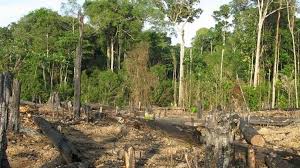
Forests offer significant economic and ecological benefits, from timber and fuelwood to non-wood products like fruits, medicines, and condiments. These resources support industries, livelihoods, and environmental stability, particularly in combating erosion and desertification in northern regions.
A. Fuelwood Production
About 80% of Nigeria’s forest wood is used as fuelwood, serving as the primary domestic energy source. It supports cooking, heating, and crafts like pottery, with planting fuelwood species around villages addressing rural energy demands.
1. Domestic Fuel Source: Wood is used for cooking, heating, and curing tobacco.
2. Rural Energy Needs: Fuelwood plantations meet village energy demands.
3. Craft Applications: Wood supports pottery, fish smoking, and baking.
B. Timber Resources
Timber supports 10 wood-based industries, including sawmills, plywood, and pulp production, with an installed capacity of 8,831,750 cm³. Nigeria’s 214 million m³ wood stock suggests self-sufficiency, but high consumption rates threaten depletion within 14 years.
1. Industrial Uses: Timber fuels industries like furniture and paper production.
2. Stock Estimates: 172 million m³ from natural forests, 42 million m³ from plantations.
3. Depletion Risk: High consumption could exhaust natural forests in 14 years.
C. Pulpwood Production
Nigeria’s three pulpwood industries—Jebba, Akwa Ibom, and Iwopin—use species like Sterculia setigera and Bamboo for short and long fibre pulp. Gmelina is abundant, but Pines face growth challenges, requiring further research for sustainable production.
1. Pulpwood Species: Sterculia and Bamboo are key for pulp production.
2. Gmelina Abundance: World Bank projects have increased Gmelina supply.
3. Pine Challenges: Seed production issues limit Pine cultivation.
D. Non-Wood Products
Forests provide fruits, condiments, dyes, and medicines. Species like Irvingia gabonensis and Parkia biglobosa supply condiments, while Acacia species yield gum and tannin for export, supporting industries and local livelihoods.
1. Fruits and Condiments: Irvingia and Parkia are vital for local cuisine.
2. Gum and Tannin: Acacia species support export and industrial needs.
3. Herbal Medicines: Forests supply herbs for traditional remedies.
E. Herbs as Resources
Herbs offer fruits, medicines, and wrapping leaves. Miracle berry and katenfe provide unique sweeteners safe for diabetics, while Sarcophyrium brachystachys and Gnetum africana serve as wrapping leaves and condiments in local diets.
1. Sweetening Herbs: Miracle berry and katenfe offer natural sweeteners.
2. Wrapping Leaves: Sarcophyrium and Gnetum are used in food preparation.
3. Medicinal Herbs: Herbs provide safe remedies for various ailments.
F. Wildlife Resources
Wildlife contributes 20% of protein in southern Nigeria, with species like guinea fowl and cane rats being delicacies. Seven national parks and game reserves support conservation, with domesticated cane rats boosting protein production.
1. Protein Source: Wildlife provides significant dietary protein.
2. National Parks: Seven parks protect species like Duikers and Buffalo.
3. Domestication Success: Cane rats are rapidly produced on farms.
Frequently Asked Questions
1. Why are forests considered renewable resources?
Forests are renewable because trees, shrubs, herbs, climbers, creepers, and grasses can regenerate after harvesting, supporting sustainable use if managed properly.
2. What causes deforestation in Nigeria?
Deforestation results from illegal felling, farming, infrastructural development, and fires set by displaced natives, with an estimated 14,000 km² lost between 1979 and 1995.
3. Which tree species are endangered in Nigeria?
Iroko and Mahogany are endangered due to overexploitation for export and pest issues like canker, which hinders their growth in plantations.
4. How do Nigeria’s ecological zones differ?
Ecological zones vary by rainfall and dry season length, from rainforests (2780–4000 mm, 3-month dry season) to Sahel (250–500 mm, 7–8 months dry).
5. What are the economic benefits of forests?
Forests provide timber, fuelwood, pulpwood, and non-wood products like fruits, condiments, and medicines, supporting industries and livelihoods.
6. How does wildlife contribute to Nigeria’s food supply?
Wildlife, including guinea fowl and cane rats, provides 20% of protein in southern Nigeria, with domesticated species boosting production.
7. What role do forests play in northern Nigeria?
In northern Nigeria, forests support dryland plantations and shelterbelts, stabilizing soil, preventing erosion, and providing fuelwood and fodder.
Do you have any questions, suggestions, or contributions? If so, please feel free to use the comment box below to share your thoughts. We also encourage you to kindly share this information with others who might benefit from it. Since we can’t reach everyone at once, we truly appreciate your help in spreading the word. Thank you so much for your support and for sharing!