


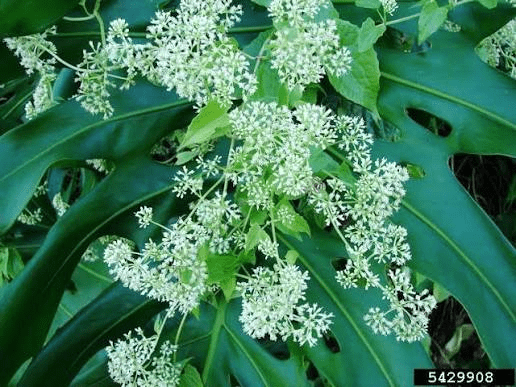
Mikania Natalensis, commonly referred to as African Mile-a-Minute, is a remarkable climbing vine belonging to the Asteraceae family. This indigenous plant is renowned for its unique appearance and potent medicinal properties. Its botanical features are as intriguing as its therapeutic potential.
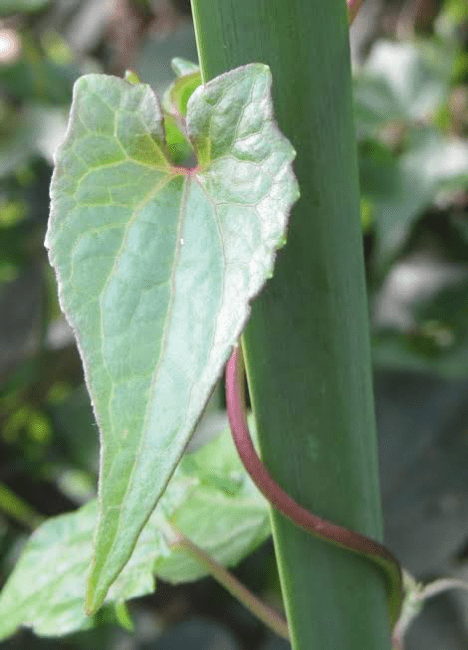
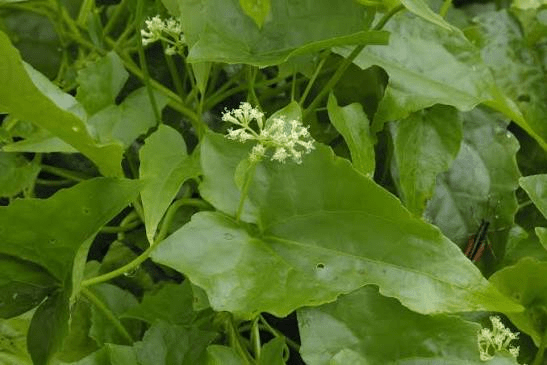
The leaves of Mikania Natalensis are deeply veined, imparting a textured appearance. They are typically green and can vary in size, ranging from small to relatively large, depending on the maturity of the plant. The arrangement of leaves along the stems gives the vine a lush and dense appearance when fully grown.
The flowers of Mikania Natalensis are small and delicate, with colors that range from white to pale pink. These flowers are arranged in clusters at the ends of the stems. While individually unassuming, the collective display of these flowers adds a touch of elegance to the vine’s overall appearance.
Mikania Natalensis is native to various regions within Africa, particularly in tropical and subtropical climates. It thrives in habitats like forests, grasslands, and riverbanks. Due to its ability to climb and spread rapidly, it can be found growing on other vegetation, sometimes earning it the name “African Mile-a-Minute.”
In traditional medicine systems, Mikania Natalensis has been treasured for generations for its diverse therapeutic properties. The roots, leaves, and stems of the plant are utilized in preparing herbal remedies to address an array of health concerns. Its traditional uses range from treating respiratory issues and digestive discomfort to promoting wound healing and reducing inflammation.
Mikania Natalensis holds cultural significance in many African communities, where it has been integrated into traditional healing practices. The plant’s potential to alleviate ailments has led to its inclusion in remedies that have been passed down through generations.
As with many natural resources, the rapid expansion of human activities and habitat alteration can impact the distribution of Mikania Natalensis. While not classified as endangered, the conservation of this plant is essential to maintaining its availability for both medicinal and ecological purposes.
Read Also: Chicken Eggs Handling Best Practices
The Medicinal Health Benefits of Mikania Natalensis (African Mile-a-Minute)
1. Anti-Inflammatory Effects: Mikania Natalensis contains compounds with potent anti-inflammatory properties. These compounds help to reduce inflammation in the body, making it a valuable natural remedy for conditions like arthritis, joint pain, and inflammatory skin conditions.
2. Respiratory Relief: The plant has been traditionally used to address respiratory issues such as asthma, bronchitis, and coughs. Its natural expectorant properties help to clear airways, facilitating easier breathing.
3. Digestive Comfort: Mikania Natalensis has a long history of use in alleviating digestive discomfort. It can help soothe indigestion, bloating, and other gastrointestinal disturbances.
4. Wound Healing: With its antimicrobial properties, Mikania Natalensis is effective in treating minor wounds and skin infections. It aids in the healing process and helps prevent infections, making it a valuable addition to first aid.
5. Natural Pain Relief: The plant’s analgesic properties contribute to pain relief. Whether it’s a headache, muscle ache, or general discomfort, Mikania Natalensis can offer natural relief.
6. Immune System Support: Rich in antioxidants, Mikania Natalensis supports the immune system by helping the body fight off infections and maintain overall health.
7. Fever Reduction: Mikania Natalensis is known for its febrifuge properties, which can aid in reducing fever by promoting perspiration and regulating body temperature.
8. Anxiety and Stress Reduction: Some compounds found in Mikania Natalensis have demonstrated potential in reducing anxiety and stress. It may contribute to a sense of relaxation and calm.
9. Diuretic Benefits: This plant acts as a diuretic, assisting the body in eliminating toxins through increased urine production. It supports kidney function and detoxification.
10. Antioxidant Defense: Mikania Natalensis boasts a high content of antioxidants that combat oxidative stress. By neutralizing free radicals, it helps protect cells and tissues from damage.
Read Also: 10 Medicinal Health Benefits of Harpagophytum (Devil’s Claw)
The Methods of Usage to Achieve the Provided Health Benefits of Mikania Natalensis (African Mile-a-Minute)
1. Herbal Tea: One of the most common methods of using Mikania Natalensis is by preparing an herbal tea. To make the tea, gently wash a few fresh leaves or use dried leaves. Steep them in hot water for about 10-15 minutes. The resulting tea can be consumed to enjoy the plant’s anti-inflammatory and immune-boosting benefits.
2. Tinctures and Extracts: Tinctures and extracts are concentrated forms of Mikania Natalensis that offer a potent dose of its medicinal compounds. You can purchase pre-made tinctures or make your own by soaking the plant material in alcohol or glycerin for several weeks. These extracts can be taken orally in small doses, as advised by a healthcare professional.
3. Topical Applications: For wound healing and skin issues, Mikania Natalensis can be used topically. Crush fresh leaves to create a poultice or mix them with a carrier oil to create a soothing balm. Apply the poultice or balm directly to the affected area to promote healing and provide relief.
4. Steam Inhalation: To address respiratory issues, such as congestion or coughs, consider using Mikania Natalensis in steam inhalation. Add dried leaves or extracts to a bowl of hot water, lean over the bowl, and cover your head with a towel to trap the steam. Inhale the steam for several minutes to help clear airways.
5. Herbal Baths: Adding Mikania Natalensis to your bathwater can provide a relaxing and therapeutic experience. Infuse dried leaves or extracts in warm bathwater and soak for about 20 minutes to enjoy its soothing properties.
6. Capsules and Supplements: Mikania Natalensis supplements are available in capsule or tablet form. These can provide a convenient way to incorporate the plant’s benefits into your routine. Always choose high-quality supplements from reputable sources.
7. Culinary Uses: In some cultures, Mikania Natalensis is used in traditional cuisine. The leaves can be incorporated into soups, stews, or salads to introduce its potential health benefits through your diet.
The Side Effects of Using Mikania Natalensis Medicinal Plant
1. Allergic Reactions: Some individuals may be sensitive or allergic to Mikania Natalensis. If you experience symptoms such as skin rashes, itching, swelling, or difficulty breathing after using the plant, discontinue use immediately and seek medical attention.
2. Digestive Upset: In some cases, using Mikania Natalensis in excessive amounts or without proper guidance can lead to digestive disturbances such as nausea, vomiting, or diarrhea. Start with small amounts and gradually increase if needed.
3. Interactions with Medications: Mikania Natalensis may interact with certain medications, including blood-thinning medications and medications for diabetes. Consult your healthcare provider before using the plant, especially if you are taking prescribed medications.
4. Pregnancy and Breastfeeding: Pregnant and breastfeeding individuals should avoid using Mikania Natalensis due to its potential effects on pregnancy and lactation. It’s crucial to prioritize the safety of both the mother and the baby.
5. Children: Use caution when administering Mikania Natalensis to children. Consult a pediatric healthcare provider before using the plant for children’s health concerns.
6. Dosage: Always adhere to recommended dosages and usage instructions. Taking excessive amounts of Mikania Natalensis can lead to adverse effects, even if it’s generally considered safe when used properly.
7. Quality and Source: Ensure that any Mikania Natalensis products or supplements you use come from reputable sources. Poor-quality products may contain contaminants or incorrect plant species.
8. Long-Term Use: Long-term or excessive use of Mikania Natalensis has the potential to cause adverse effects. It’s advisable to use the plant intermittently rather than continuously.
9. Professional Guidance: Before incorporating Mikania Natalensis into your health regimen, consult a qualified healthcare professional, especially if you have pre-existing health conditions, are taking medications, or are pregnant or breastfeeding.
10. Personal Sensitivity: Each individual’s response to herbal remedies can vary. It’s possible for some people to experience side effects that are not common. Pay attention to your body’s reactions and discontinue use if you notice any adverse effects.
Nutritional Value of Mikania Natalensis (African Mile-a-Minute)
1. Carbohydrates: The leaves of Mikania natalensis likely contain carbohydrates, primarily in the form of dietary fiber and minor sugars, providing energy for traditional consumption as a vegetable in soups or teas.
2. Fiber: The plant’s leaves and stems are expected to be rich in dietary fiber, supporting digestive health, promoting regular bowel movements, and potentially aiding blood sugar regulation.
3. Flavonoids: As a member of the Asteraceae family, Mikania natalensis likely contains flavonoids, such as quercetin, which act as antioxidants, reducing oxidative stress and inflammation.
4. Phenolic Compounds: Phenolics are inferred to be present based on related species like Mikania micrantha. These compounds offer antioxidant benefits, supporting cellular health and potentially reducing chronic disease risk.
5. Alkaloids: Trace alkaloids may be present, contributing to the plant’s medicinal properties rather than nutritional value. These bioactive compounds require careful handling due to potential toxicity.
6. Vitamins (Vitamin C): The leaves may contain small amounts of vitamin C, supporting immune function and acting as an antioxidant, though specific quantities are not well-documented.
7. Minerals (Calcium): Calcium is likely present in the leaves, contributing to bone health and muscle function. Exact mineral content is inferred from related species due to limited data.
8. Saponins: Saponins, common in Asteraceae plants, may be present and could support immune health or have antimicrobial effects, though their nutritional role is secondary.
9. Terpenes: Terpenoids, such as those found in related Mikania species, may contribute to anti-inflammatory and antimicrobial effects, enhancing the plant’s medicinal rather than nutritional profile.
10. Protein: The leaves may contain modest amounts of protein, supporting tissue repair and growth, though Mikania natalensis is not a primary protein source and requires processing to ensure safety.
Scientific Evidence and Case Studies on Mikania Natalensis
1. Van Wyk et al. (2009): This study documented the traditional uses of Mikania natalensis in Zulu and Swazi medicine, noting its application for urinary complaints, headaches, backaches, and colds. The study provides ethnobotanical evidence but lacks detailed pharmacological analysis (Van Wyk, B. E., Van Oudtshoorn, B., & Gericke, N. (2009). Medicinal plants of South Africa. Briza Publications).
2. Semenya et al. (2012): Research by Semenya et al. explored the use of Mikania natalensis in South African traditional medicine for treating gonorrhea. The study confirmed its use among Bapedi healers, suggesting potential antimicrobial properties, though clinical validation is needed (Semenya, S. S., Potgieter, M. J., & Erasmus, L. J. C. (2012). Indigenous plant species used by Bapedi healers to treat sexually transmitted infections: Their distribution, harvesting, conservation and threats. South African Journal of Botany, 83, 66-75).
Frequently Asked Questions About Mikania Natalensis
1. Is Mikania natalensis safe to consume?
It may be safe in small amounts when prepared as a tea or cooked vegetable, but its potential toxicity requires careful processing. Consult a healthcare provider before use.
2. What parts of Mikania natalensis are used medicinally?
The leaves are primarily used in traditional Zulu and Swazi medicine as teas or decoctions for urinary issues, headaches, backaches, and colds.
3. Can Mikania natalensis treat infections?
Traditional use for gonorrhea and colds suggests antimicrobial potential, but scientific evidence is limited, and clinical studies are needed to confirm efficacy.
4. How does Mikania natalensis differ from Mikania micrantha?
Mikania natalensis is native to Africa, with velvety grey leaves and less invasive growth, while Mikania micrantha is a highly invasive weed from the Americas.
5. Where is Mikania natalensis found?
It grows in forest margins from the Eastern Cape of South Africa to Tropical Africa, thriving in humid, partially shaded environments.
6. Can Mikania natalensis be used as a vegetable?
Yes, its leaves are traditionally used in soups in some African communities, but they require proper preparation to avoid potential toxicity.
7. Is Mikania natalensis invasive?
No, it is native to Africa and not considered invasive, unlike Mikania micrantha, which is listed among the world’s worst invasive weeds.
8. What are the risks of using Mikania natalensis?
Potential toxicity from alkaloids or other compounds may cause adverse effects if consumed raw or in large amounts. Allergic reactions are also possible in sensitive individuals.
Do you have any questions, suggestions, or contributions? If so, please feel free to use the comment box below to share your thoughts. We also encourage you to kindly share this information with others who might benefit from it. Since we can’t reach everyone at once, we truly appreciate your help in spreading the word. Thank you very much for your support and for sharing!
Disclaimer: This article is for educational and informational purposes only. The health benefits described are based on scientific research and traditional knowledge. They are not a substitute for professional medical advice, diagnosis, or treatment. Always consult a healthcare professional before using any herb or natural remedy for medical purposes.