


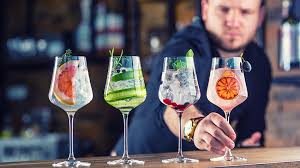
In any bar operation within establishments utilizing agricultural products, mastering basic technical skills for serving drinks and wines is essential. The cocktail or dispense bar often serves as the showcase of an establishment, acting as a meeting point for customers before business or social events.
First impressions are critical for driving further sales. The presentation of bar personnel, combined with a well-stocked, organized, and efficiently run bar, is vital for delivering excellent customer service.
Bar personnel must possess strong technical skills, product knowledge, social skills, and the ability to work as a team to meet customer needs.
This article examines the service of alcoholic beverages in bars, emphasizing their connection to agricultural ingredients such as grapes, hops, and grains.
Service of Aperitifs in Agricultural Settings
The term aperitif encompasses a diverse range of drinks, often derived from agricultural produce like grapes or herbs, served before a meal.
Aperitifs may be offered at the table once customers are seated or in the lounge or reception area to enhance the dining experience.
Read Also: All You Need To Know About Animal Shelters
Preparation and Service of Cocktails
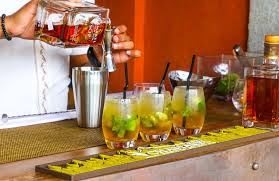
Cocktails should always be served well-chilled in an appropriately sized glass with the correct garnish, straw, and umbrella, as per the establishment’s policy.
Many cocktails are presented in the traditional V-shaped cocktail glass, but for long drinks, a larger glass, such as a Slim Jim, is better suited.
The key consideration is the overall visual presentation of the cocktail, which highlights agricultural ingredients like fruit juices or herbal infusions, as seen by customers.
Serving Wines from Agricultural Sources
The sommelier or wine waiter should be equipped to advise and recommend wines to the host as needed. This requires thorough knowledge of the wines on the wine list and the ability to identify wines that pair well with menu dishes, many of which incorporate agricultural produce.
Immediately after the food order is taken, the wine list should be presented to the host to allow them to select wine for their party to complement the meal. Six key aspects must be considered when serving wines:
- The wine waiter must describe the wines and their characteristics honestly, avoiding bluffing.
- Always serve the wine before the food and avoid excessive delays in serving food after the wine.
- Serve wines at the proper temperature; if the wine is not at the right temperature, inform the customer rather than using quick heating or cooling methods, which can damage the wine.
- Treat wine with respect, demonstrating high-level technical skills and using high-quality service equipment, as customers expect careful handling given the cost of wine and service.
- Do not overfill glasses. Fill glasses to the appropriate level, typically to the widest part of the bowl or two-thirds full, whichever is less. For sparkling wine served in a flute, fill to about two-thirds to three-quarters of the glass to enhance appreciation and presentation.
- Avoid unnecessary topping up, as it does not increase sales and may irritate customers. Additionally, excessive topping up may lead to overconsumption, particularly for customers who may be driving. Preferably, ask the customer before topping up their wine.
Read Also: All You Need To Know About Sweet William Flowers
Service of Beer from Agricultural Ingredients
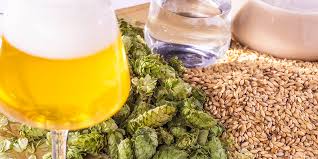
Beer, often brewed from agricultural products like barley and hops, should be served at a temperature of 12.5–15.5°C, with lagers generally cooler at 8.0–10.5°C.
Many varieties of bottled beers are also served chilled. Draught beer, traveling from the keg or cask to the pump, often passes through a chilling unit to maintain optimal temperature.
Pouring Beers with Precision
Draught or bottled beer should be poured slowly down the inside of the glass, with the glass held at a slight angle. This is particularly important for beers like Guinness or stouts, which may produce a large head if not poured carefully.
Draught beers should have a small head, and the bar person must ensure the correct quantity of beer is served with a small head, not a large one to compensate for volume. A beer in good condition will leave a froth, or “lace,” clinging to the inside of the glass as it is consumed.
For bottled beers, the neck of the bottle should not touch the beer during pouring, especially when pouring from two bottles held in the same hand.
If a bottled beer contains sediment, a small amount of beer should remain in the bottle to prevent sediment from entering the poured beer.
Mastering the service of aperitifs, cocktails, wines, and beers is crucial in bar operations, particularly in establishments highlighting agricultural products.
Each service requires distinct expertise, impacting the customer experience based on how it is executed. Beer should be served at 12.5–15.5°C, with lagers at 8.0–10.5°C, and many bottled beers chilled.
Draught beer often passes through a chilling unit en route from the keg or cask to the pump, ensuring quality service.
Do you have any questions, suggestions, or contributions? If so, please feel free to use the comment box below to share your thoughts. We also encourage you to kindly share this information with others who might benefit from it. Since we can’t reach everyone at once, we truly appreciate your help in spreading the word. Thank you so much for your support and for sharing!