


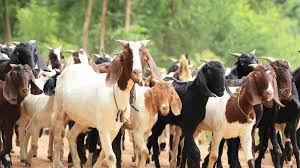
Goat commercialisation involves transforming traditional goat farming into a profitable business by understanding costs, optimising herd composition, and exploring diverse marketing strategies. This article provides insights into managing goat production systems, profitability, and effective marketing to enhance the commercial viability of your goat business.
The guide covers key aspects such as different production systems, herd management, and financial considerations. It also explores various marketing channels, including live goat sales, auctions, and farmer-led markets, alongside transportation logistics to ensure animal welfare and business success.
Production Systems for Goat Farming
Goat farming can be tailored to different systems based on resources and goals. Each system has unique management requirements and costs, influencing the profitability of the business. Understanding these systems is crucial for effective commercialisation.
A. Intensive Goat Farming
Intensive systems involve keeping goats in feedlots, where all feed requirements are provided. This system requires significant investment in feed and infrastructure. It allows for controlled breeding and health management, ensuring consistent production. However, costs are higher due to feed and labour expenses.
Intensive farming suits farmers aiming for high output in limited spaces. It demands meticulous planning to manage feed costs effectively. Regular monitoring of goat health and growth is essential to maintain profitability in this controlled environment.
B. Semi-Intensive Systems
Semi-intensive systems involve grazing goats on pastures with supplementary feeding. This balances natural foraging with managed nutrition, reducing feed costs compared to intensive systems. Management focuses on pasture quality and rotational grazing to sustain herd health.
This system is ideal for farmers with access to grazing land. It requires moderate infrastructure investment, such as fencing. Careful monitoring of pasture conditions ensures goats remain healthy, supporting consistent production and cost efficiency.
C. Extensive Goat Farming
Extensive systems rely on natural veld for grazing, with minimal supplementary feeding. This system has lower input costs but requires larger land areas. Management challenges include predator control and seasonal variations in forage quality, impacting goat health and growth.
Extensive farming suits farmers with vast land resources. It demands less financial investment but requires knowledge of local ecosystems. Profitability depends on effective herd management to minimise losses from environmental challenges like droughts or predators.
Read Also: Plant Breeding For Disease and Pest Resistance and Their Inheritance
Herd Composition for Commercial Success
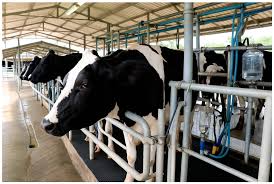
Optimising herd composition is critical for commercialising goat farming. Farmers must balance the number of rams, productive ewes, and castrates to align with marketing goals. Strategic culling and retention decisions enhance profitability, ensuring a sustainable herd structure.
Herd management involves deciding which animals to retain, sell, or cull based on productivity and market demand. For instance, castrating male kids early aligns with selling castrated males for ceremonial purposes. Maintaining a steady supply of maiden ewes ensures herd renewal.
A. Managing Breeding Females
Breeding females should be replaced once they become unproductive to maintain herd efficiency. Farmers must retain enough maiden ewes to replace culled females. This ensures a continuous breeding cycle, supporting consistent kid production for sales.
Monitoring reproductive performance is key to identifying unproductive ewes. Regular health checks and record-keeping help farmers make informed culling decisions. This approach sustains herd productivity and aligns with long-term commercial goals.
B. Castration for Market Demand
Castrated males, especially those aged three years or older, fetch high prices for ceremonial slaughter. Early castration of male kids enhances their market value. This practice aligns with consumer preferences, particularly for marriage ceremonies in African markets.
Castration requires proper timing and technique to ensure animal welfare. Farmers should invest in training or veterinary support to perform castrations effectively. This strategy boosts income by targeting high-value market segments.
C. Balancing Rams and Ewes
Maintaining an optimal ratio of rams to ewes ensures efficient breeding. Too many rams can lead to unnecessary costs, while too few may reduce breeding success. Farmers should assess herd needs annually to adjust ram numbers for maximum productivity.
Regular evaluation of ram performance is crucial. Only fertile, healthy rams should be retained to avoid genetic or productivity issues. This balance supports a sustainable herd and aligns with commercial objectives.
Financial Management and Profitability
Understanding the financial aspects of goat farming is essential for profitability. Farmers must assess costs, income, and potential profits by answering key questions about kid production, survival rates, and market prices. Effective financial management drives business success.
Profitability depends on minimising mortalities and controlling costs. High mortality rates or excessive expenses, such as feed or labour, can erode profits. Farmers should use data-driven insights to optimise operations and enhance financial outcomes.
A. Key Questions for Profitability
1. Kid Production: How many kids will be born each year? Estimating kid numbers helps forecast income potential.
2. Survival Rates: How many kids will survive until sale? High survival rates increase marketable stock.
3. Market Prices: What prices can be expected for different goats? Understanding market trends informs pricing strategies.
4. Annual Costs: What does it cost to maintain the herd (feed, medicines, labour)? Accurate cost tracking ensures profitability.
5. Sales Strategy: Which goats will be sold each year (age and gender)? Targeted sales maximise revenue.
6. Value Enhancement: Can the value of goats be increased? Breeding for desirable traits, like colour, boosts prices.
B. Cost Management
Controlling costs is critical for profitability. Feed, medicines, and labour are major expenses in goat farming. Farmers should source affordable, quality feed and negotiate bulk purchases for medicines. Efficient labour management reduces overheads without compromising care.
Regular financial reviews help identify cost-saving opportunities. For example, optimising feed use in intensive systems or improving pasture management in semi-intensive systems can lower expenses. Keeping detailed records ensures informed decision-making.
C. Income Optimisation
Maximising income involves targeting high-value markets, such as ceremonial slaughter or stud breeding. Selling at peak times, like October for Eid or Easter, aligns with buyer demand. Farmers should explore diverse sales channels, including auctions and farmer-led markets.
Enhancing goat value through selective breeding for traits like dappled or spotted coats can increase prices. Understanding local buyer preferences, such as colour or size, allows farmers to tailor their offerings for maximum revenue.
Marketing Strategies for Live Goats
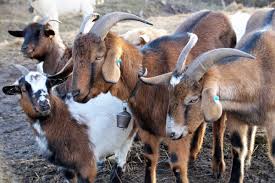
Marketing live goats effectively is key to commercial success. In South Africa, goats are primarily sold live for ceremonial slaughter, with significant trade at taxi ranks, roadsides, and auctions. Strategic marketing aligns with buyer needs and seasonal demand.
Goats are valued for their cultural significance, particularly in African communities. Castrated males and indigenous breeds like Boer goats command high prices. Farmers can leverage auctions, farmer-led markets, and informal sales to reach diverse buyers.
A. Live Goat Sales
Most goats in South Africa are sold live for ceremonial purposes, often imported from Namibia. These are typically Boer goats sold at informal markets like taxi ranks. Castrated males over three years old fetch premium prices due to their size and ceremonial value.
Speculators often buy goats from farmers to create consignments for sale. This practice can lead to inconsistent pricing. Farmers should aim to sell directly to buyers or through organised markets to secure better prices and reduce reliance on middlemen.
B. Goat Auctions
Goat auctions are effective for selling large numbers at market prices. Successful auctions require:
1. Strategic Timing: Auctions should align with buyer demand, such as Eid in October or Easter.
2. Critical Mass: 400–600 goats ensure buyer interest and cost efficiency. Smaller auctions (100–180 goats) yield higher prices for breeding stock.
3. Buyer Presence: 10–20 buyers create competition, driving prices higher.
4. Infrastructure: Tents, loading ramps, and financial systems are essential for smooth operations.
5. Regulations: A 5% state levy and auction fees apply. Goats must be tattooed and treated for worms and ticks.
Auctions struggle to break even due to high transaction costs. Separating breeding and slaughter stock auctions caters to different buyer needs, improving outcomes.
C. Colour-Based Marketing
Breeding for specific colours, like dappled or spotted goats, increases value for stud breeders. Colour preferences vary by locality and are trend-driven, requiring farmers to stay informed. Understanding buyer preferences allows farmers to target niche markets effectively.
Colour-based marketing requires selective breeding and monitoring market trends. Farmers should engage with local buyers to identify preferred colours, ensuring their goats meet demand. This strategy enhances profitability by catering to high-value segments.
Infrastructure and Usable for Sales
Proper infrastructure is essential for formal and semi-formal goat sales. Sales sites must restrain goats effectively, often requiring adaptation of cattle yards or mobile setups. Permanent structures or specially designed gates ensure goats are secure during sales.
A. Adapting Cattle Yards
Cattle yards can be modified using shade cloth to prevent goats from escaping. This cost-effective solution suits areas with existing infrastructure. Regular maintenance ensures the setup remains functional for multiple sales events.
B. Mobile Sales Sites
Mobile sales sites require gates with small slats to contain goats. For a 60-goat sale, 12 gates create four enclosures. A 600-goat sale needs 120 gates for 20 pens, each holding 15 goats. These gates are reusable but involve high initial costs.
C. Auction Infrastructure Needs
1. Sale Pens: Gates to separate goats into lots for auction and post-sale handling.
2. Loading Ramps: Facilitate easy loading of goats after purchase.
3. Tents and Seating: Provide comfort for buyers, with permanent structures reducing costs.
4. Financial Systems: Support electronic payments, cheques, or cash for smooth transactions.
Farmer-Led Markets
Farmer-led markets, regulated by livestock associations, offer an alternative to auctions. Held monthly during social grant days or market events, these markets cover small areas and provide benefits like controlled pricing and reduced stock theft.
A. Advantages of Farmer-Led Markets
1. Controlled Sales: Oversight reduces the sale of stolen goats.
2. Competitive Pricing: Multiple buyers drive higher prices.
3. Accessibility: Farmers can walk goats to market, reducing transport costs.
4. Stable Prices: Sufficient goat numbers stabilise buyer prices.
5. Regular Income: Planned sales support household income stability.
B. Disadvantages of Farmer-Led Markets
1. Speculator Influence: Low prices may persist due to speculators.
2. Limited Buyers: Localised markets attract fewer buyers, reducing competition.
3. Cash Risks: Carrying cash in communities poses BT security issues.
4. Fluctuating Supply: Unpredictable supply and demand cause price volatility.
Read Also: Deep Litter Poultry Production System
Transporting Goats Safely
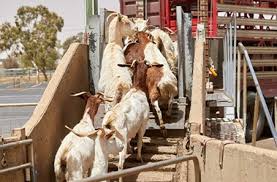
Transporting goats to markets requires careful planning to ensure animal welfare and compliance with legal requirements. Vehicles must be designed to prevent injuries and stress, with adequate space and protection from weather conditions.
A. Vehicle Requirements
1. High Sides: Prevent goats from jumping out.
2. Shelter: Shade cloth protects against rain and wind.
3. Non-Slip Floor: Ensures goats remain stable during transport.
4. Partitions: Control movement in large vehicles.
5. Ventilation: Provides air while protecting against bad weather.
B. Transport Guidelines
1. Space Allocation: Each goat needs at least 0.4m² to avoid overcrowding.
2. Request Duration: Single trips must not exceed 36 hours; longer trips require 12-hour rest periods.
3. Health Measures: Administer Multivax P and tetracycline before transport to boost immunity.
4. Feed and Water: Ensure access to food and water before loading.
Frequently Asked Questions
1. What is the best production system for commercial goat farming?
The best system depends on resources. Intensive systems suit high-output goals but have higher costs. Semi-intensive systems balance costs with pasture use, while extensive systems are cost-effective but require large land areas.
2. How can I improve my herd’s commercial viability?
Optimise herd composition by balancing rams, ewes, and castrates. Castrate male kids early for high-value sales, retain maiden ewes for herd renewal, and cull unproductive females to maintain efficiency.
3. What are the key costs in goat farming?
Major costs include feed, medicines, and labour. Intensive systems have high feed costs, while extensive systems face predator and environmental challenges. Regular financial reviews help manage expenses effectively.
4. When is the best time to sell goats?
Peak times include October (Eid), March/April (Easter), and November/December (Christmas), when buyer demand is high. Auctions for breeding stock perform best in summer and early autumn.
5. How can I increase goat value for sales?
Breed for desirable traits like dappled or spotted coats, which appeal to stud breeders. Understand local buyer preferences for colour and size to target high-value markets effectively.
6. What infrastructure is needed for goat auctions?
Auctions require sale pens, loading ramps, tents, and financial systems. Cattle yards can be adapted with shade cloth, or mobile sites use specialised gates. Permanent structures reduce long-term costs.
7. How do farmer-led markets differ from auctions?
Farmer-led markets are smaller, regular events with oversight to reduce stock theft. They offer stable pricing but may attract fewer buyers. Auctions involve larger numbers and higher costs but reach more buyers.
8. What are the legal requirements for transporting goats?
Vehicles must have high sides, non-slip floors, and ventilation. Trips must not exceed 36 hours without rest. Goats need Multivax P and tetracycline before transport to ensure health and compliance.
Do you have any questions, suggestions, or contributions? If so, please feel free to use the comment box below to share your thoughts. We also encourage you to kindly share this information with others who might benefit from it. Since we can’t reach everyone at once, we truly appreciate your help in spreading the word. Thank you very much for your support and for sharing!